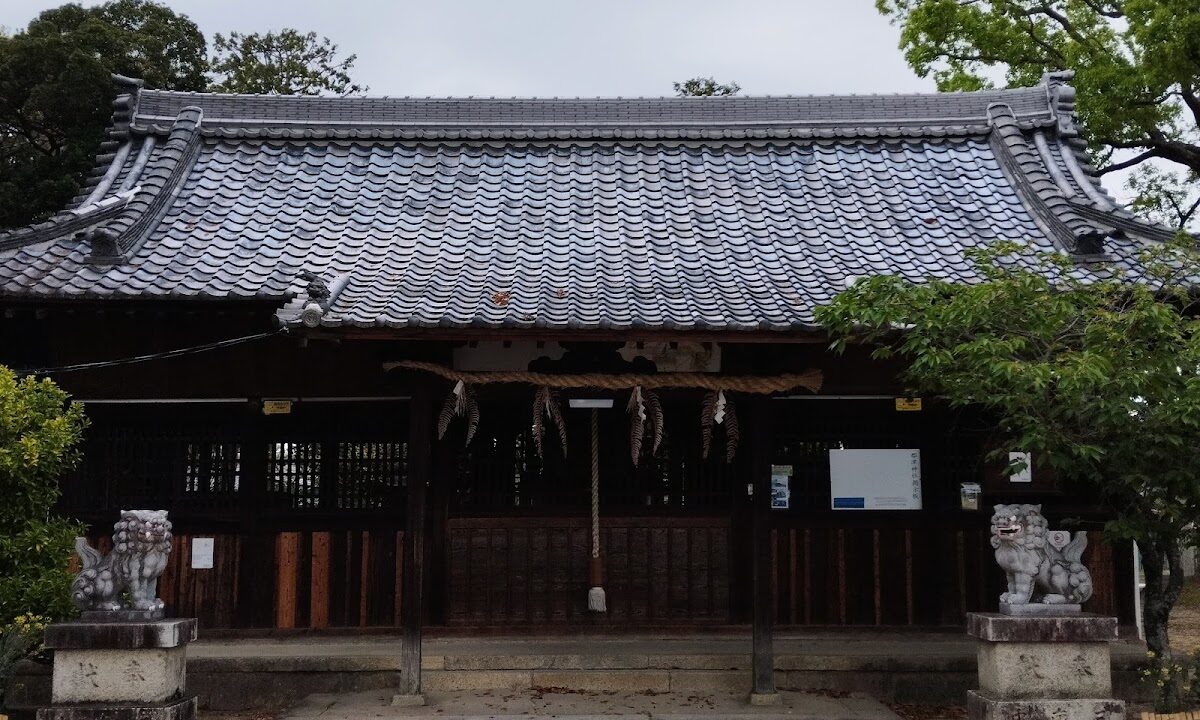
Complete Guide to Kōzu Shrine (Katano City, Osaka Prefecture) | History, Deities, Goshuin (Shrine Seal), and Access Information
Kōzu Shrine, located in Katano City, Osaka Prefecture, is a historical shrine said to date back to the Hakuhō period. It was once called “Ichinomiya” (first-ranked shrine) and flourished as a central place of worship in the Katano region. Currently, it is cherished and protected by the local people as the guardian shrine of the area.
This article comprehensively introduces detailed information you should know before visiting Kōzu Shrine, including its history, deities, goshuin (shrine seal), annual festivals, and access methods.
Basic Information about Kōzu Shrine
Location and Contact Information
- Address: 1-7-1 Kōzu, Katano City, Osaka Prefecture 576-0053
- Phone Number: 072-893-6731 (Managed by: Iwafune Shrine)
- Nearest Station: Approximately 9 minutes on foot from Katano-shi Station on the Keihan Katano Line
- Parking: Available (Small parking space on the shrine grounds)
Characteristics of the Management System
Kōzu Shrine has a distinctive management system. While the chief priest of the nearby Iwafune Shrine also serves as the representative officer, daily management and festival operations are primarily carried out by the local parishioners of the Kōzu district. This community-oriented management system carefully preserves long-standing traditions and community ties.
History of Kōzu Shrine
Founding and Ancient Prosperity
The exact founding date of Kōzu Shrine is unknown, but it is believed to date back to the Hakuhō period (656-710 AD). During this time, the district magistrate of the Katano region, who wielded considerable power, established Daidōzan Chōhōji Temple in this area.
From the Nara period to the Heian period, Kōzu Shrine flourished as the “Ichinomiya” (first-ranked shrine) in a form of Shinto-Buddhist syncretism. This suggests that it played a significant role as a religious and political center in the Katano region at the time.
The Era of Shinto-Buddhist Syncretism
Throughout the medieval period, Kōzu Shrine maintained a form of Shinto-Buddhist syncretism, integrated with Chōhōji Temple. During this period, it is believed that many worshippers visited the shrine, and it functioned as a center of faith in the Katano region. Shinto-Buddhist syncretism continued until the Meiji-era separation of Shinto and Buddhism, after which the shrine became an independent entity.
The Era of Shinto-Buddhist Syncretism
Throughout the medieval period, Kōzu Shrine maintained a form of Shinto-Buddhist syncretism, integrated with Chōhōji Temple. During this time, it is thought that many worshippers visited the shrine, and it functioned as a center of faith in the Katano region. Shinto-Buddhist syncretism continued until the Meiji-era separation of Shinto and Buddhism, after which it adopted an independent form as a shrine.
Changes Since the Modern Era
Even after the separation of Shinto and Buddhism during the Meiji era, Kōzu Shrine continued to be revered by local people as the tutelary shrine of the region. After the war, it continued to play a central role in the local community, strengthening community bonds through festivals and annual events.
About the Enshrined Deities
Kōzu Shrine enshrines several deities, each possessing different divine virtues.
Main Deities
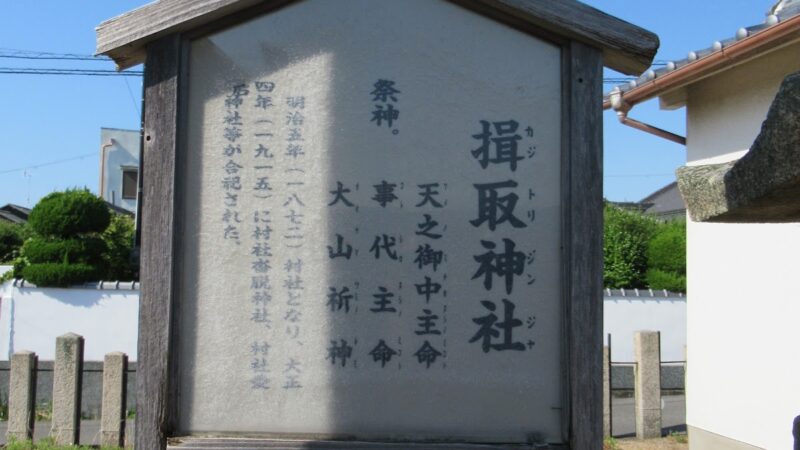
Susanoo-no-Mikoto
A heroic deity in Japanese mythology, known as a god of protection against misfortune and disaster. As the brave god who defeated the Yamata-no-Orochi (eight-headed serpent), he is believed to bestow the power to overcome difficulties.
Amaterasu-Ōmikami
The supreme deity in Japanese mythology, a goddess symbolizing the sun. She is believed to bestow divine virtues of national peace, abundant harvests, and good fortune.
Enshrined Deities
Sumiyoshi Three Gods
- Sokotsutsu-no-Mikoto
- Nakatsutsu-no-Mikoto
- Uwatsutsu-no-Mikoto
The Sumiyoshi Three Gods, known as deities of maritime safety and protection of navigation, are also enshrined here. This is an important element suggesting the ancient connection between the Katano region and maritime transport.
Empress Jingu
The empress of the 14th Emperor Chuai, she is worshipped as a deity of safe childbirth and child-rearing. She is also known as a woman of great martial prowess.
Divine Virtues
The divine virtues bestowed by these enshrined deities are diverse:
- Protection from misfortune and disaster
- Family safety
- Business prosperity
- Maritime safety
- Safe childbirth and child-rearing
- Abundant harvests
- Good fortune and prosperity
Highlights of the Shrine Grounds
Main Hall and Worship Hall
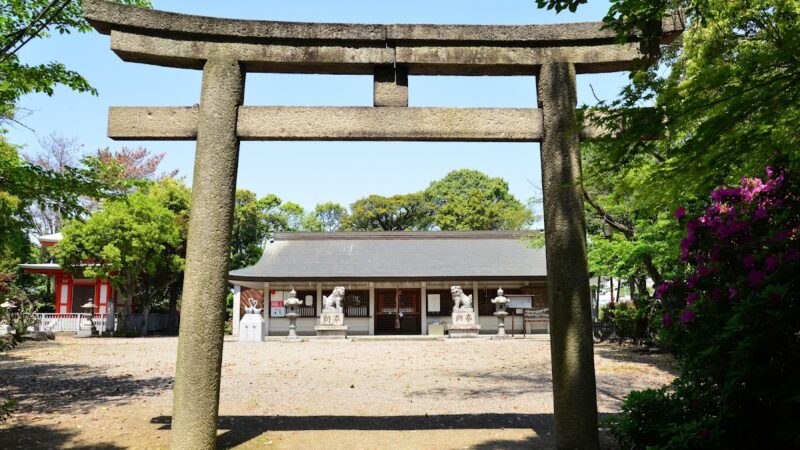
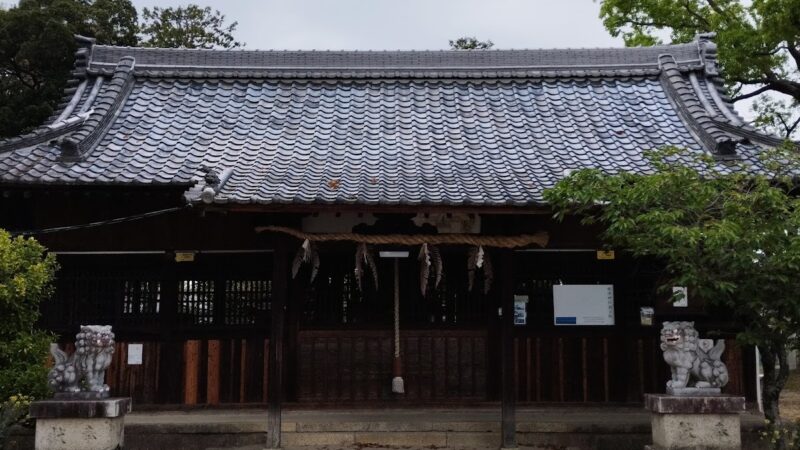
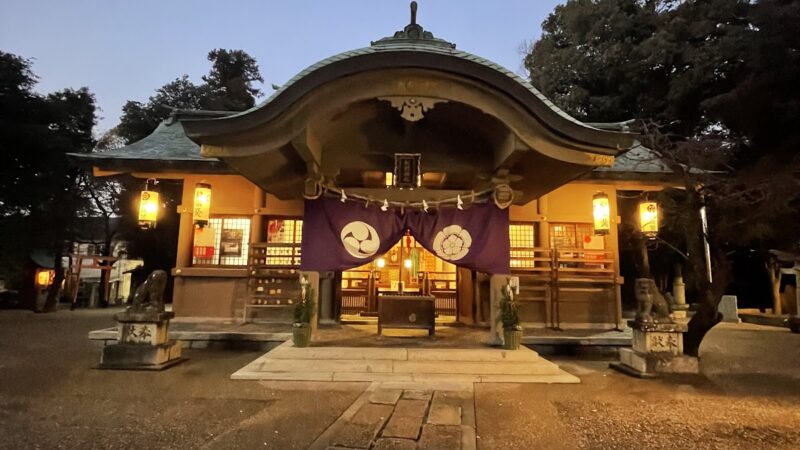
The main hall of Kōzu Shrine preserves traditional shrine architecture. Although small in scale, it is meticulously maintained, reflecting the deep faith of the local community. The worship hall maintains a tranquil atmosphere as a place for worshippers to offer prayers.
Atmosphere of the Shrine Grounds
Despite being located in a residential area, a quiet and peaceful space unfolds upon entering the shrine grounds. Ancient trees surround the grounds, creating a healing space where one can feel nature despite being in an urban area. It is a community-based shrine, visited regularly by local residents.
Komainu (Guardian Lion-Dogs) and Stone Monuments
Within the shrine grounds, you can find guardian lion-dogs and stone monuments that evoke a sense of history, showing evidence of how the local people have cherished this shrine throughout its long history.
Annual Festivals and Events
Autumn Festival (October 16th)
The most important festival of Kōzu Shrine is the Autumn Festival, held annually on October 16th. On this day, local parishioners gather, and a solemn Shinto ritual is performed. It is a traditional festival to express gratitude for a bountiful harvest and to pray for peace in the community.
Other Annual Events
- New Year’s Day Festival: Prayers for peace in the new year
- Setsubun Festival: Prayers for warding off evil and bringing good fortune
- Summer Purification Ceremony: A Shinto ritual to cleanse away the impurities accumulated over the past six months
- Year-End Purification Ceremony: Preparations for welcoming the new year by purifying away the impurities of the past year
These events are observed by local residents, and participating allows you to feel a connection to the local community.
About Goshuin (Shrine Seals)
Issuance of Goshuin
Goshuin (shrine seals) can be obtained at Kōzu Shrine. However, since there is no resident Shinto priest, prior confirmation is necessary when requesting a goshuin.
How to Obtain a Goshuin (Shrine Seal)
Since the management of Kōzu Shrine is also handled by the chief priest of Iwafune Shrine, there are the following ways to obtain a Goshuin:
- Issuance at Iwafune Shrine: You may be able to obtain a Kōzu Shrine Goshuin at Iwafune Shrine (9-19-1 Kisaichi, Katano City), which manages the shrine.
- Issuance during the Annual Festival: Goshuin may be issued on the shrine grounds during the annual festival on October 16th.
- Advance Contact: If you want to be sure to receive a Goshuin, it is recommended to call in advance to confirm.
Etiquette for Collecting Goshuin
A Goshuin is proof of worship, not a stamp rally. Always complete your worship before receiving a Goshuin. Also, remember to bring your Goshuincho (stamp book) and wait quietly while the stamp is being written.
Access Information
Access by Train
Using the Keihan Railway
The nearest station is “Katano-shi Station” on the Keihan Katano Line.
- Transfer to the Keihan Katano Line from Hirakata-shi Station on the Keihan Main Line
- Get off at Katano-shi Station and walk for approximately 9 minutes (approx. 700m).
The route from the station goes through a residential area. Since there are few signs, we recommend using a smartphone map app.
Detailed Walking Route
Walking route from Katano-shi Station:
- Exit Katano-shi Station and head southwest.
- Cross Prefectural Road 7 (Hirakata-Katano-Neyagawa Line).
- Proceed along the roads within the residential area.
- The shrine is located within the residential area of Kōzu 1-chome.
The roads are complex, so we recommend using a map app for first-time visitors.
Access by Car
Route from Major Roads
- Approximately 10 minutes from Katano-Minami IC on the Daini Keihan Expressway
- Approximately 15 minutes via Prefectural Road 7 from National Route 1
Parking Information
There is a small parking space on the shrine grounds, but the number of spaces is limited. On days when crowds are expected, such as during festivals, we recommend using public transportation. Also, since the surrounding area is residential, street parking is strictly prohibited.
Access by Bus
While there are Keihan Bus routes, the number of services is limited, so access by train is more convenient.
Nearby Shrines and Temples
When visiting Kōzu Shrine, why not also visit other shrines and temples in Katano City?
Iwafune Shrine
- Location: 9-19-1 Kisaichi, Katano City
- Features: An ancient shrine known for its massive iwakura (sacred rock). It also manages Kōzu Shrine.
- Access: Approximately 25 minutes on foot from Kisaichi Station on the Keihan Katano Line
Sumiyoshi Shrine
There are several Sumiyoshi Shrines in Katano City, and like Kōzu Shrine, they are shrines that enshrine the three Sumiyoshi deities and are revered by the local community.
Sozenji Temple
A temple located near Kōzu Shrine, it is a beloved center of local Buddhist faith.
Manners and Precautions for Visiting
Basic Worship Etiquette
- Bow before passing through the torii gate: This is a courtesy before entering the sacred area.
- Purify yourself at the water basin: Purify your left hand, right hand, and mouth in that order.
- Walk along the edge of the path: The center is considered the path of the gods.
- Two bows, two claps, one bow: This is the basic etiquette in front of the main hall.
Photography
Photography is generally permitted on the temple grounds, but please note the following:
- Refrain from taking photos inside the main hall.
- Be considerate of other worshippers.
- Photography may be restricted during festivals, etc.
Clothing
There are no specific dress code regulations, but please dress appropriately and respectfully, keeping in mind that this is a sacred place. When participating in Shinto rituals such as the annual festival, more formal attire is preferable.
History of Katano City and Kōzu Shrine
Ancient History of the Katano Region
The Katano region has been developed since ancient times, and a county office (the center of local administration) was located there. The place name Kōzu itself is thought to mean “county port,” suggesting that it was an important transportation hub in ancient times.
Katano Plain and Aristocratic Culture
During the Heian period, Katano Plain was known as a hunting ground for the aristocracy and was celebrated in many waka poems. Within this cultural context, Kōzu Shrine is thought to have functioned as an important place of worship for the region.
As a Center of the Local Community
Even today, Kōzu Shrine remains an important hub for the local community. Through annual festivals and other annual events, it serves as a place where local people gather and deepen their bonds. Even amidst increasing urbanization, the preservation of such traditional community spaces is invaluable.
Visitor Reviews and Testimonials
Quiet and Peaceful Atmosphere
Many visitors comment that “despite being located in a residential area, the shrine grounds are quiet and peaceful.” Its charm lies in its simple, community-rooted atmosphere, unlike large-scale tourist shrines.
Warmth of the Local Community
Since the shrine is managed by local residents, you might be lucky enough to speak with parishioners. Hearing about the shrine’s history and local stories will provide a deeper understanding.
Access Notes
Some visitors have noted that “the route from the station is difficult to find,” so it’s recommended that first-time visitors use a map app. Because it’s located in a residential area, quiet worship is expected.
Summary of the Charms of Kōzu Shrine
Kōzu Shrine boasts a history dating back to the Hakuhō period and continues to be cherished as the local guardian shrine. Unlike large-scale tourist shrines, its greatest charm is its simple, warm, community-rooted atmosphere.
Recommended for:
- Those who wish to worship in peace and quiet
- Those interested in local history and culture
- Those who wish to visit shrines in Katano City
- Those collecting Goshuin (shrine stamps) (prior confirmation required)
- Those who wish to experience a community-oriented shrine
Best Season to Visit
While you can visit throughout the year, the following times are especially recommended:
- Mid-October: The shrine is at its most vibrant during the annual festival
- Hatsumode (First Shrine Visit of the Year): You can experience welcoming the New Year together with the local people
- Spring and Autumn: The weather is pleasant, and the nature within the shrine grounds is beautiful.
Summary: Key Points for Visiting Kōzu Shrine
Kōzu Shrine is a historical shrine located in Katano City, Osaka Prefecture. It boasts a long history dating back to the Hakuhō period and was once the center of faith in the Katano region as the “Ichinomiya” (first-ranked shrine). Currently, it is carefully preserved by the local people as the guardian shrine of the region.
Checkpoints Before Visiting:
- Approximately 9 minutes on foot from Katano-shi Station on the Keihan Katano Line
- Advance confirmation is required if you wish to receive a Goshuin (temple/shrine stamp)
- The annual festival is held on October 16th every year
- Parking is limited (public transportation recommended)
- As it is located in a residential area, please be mindful of quiet worship.
Many deities are enshrined here, including Susanoo-no-Mikoto, Amaterasu-Omikami, and the Sumiyoshi Three Gods, offering various blessings such as protection from evil, family safety, and business prosperity. When you visit Katano City, be sure to visit Kōzu Shrine. It is a precious shrine where you can worship peacefully in a warm atmosphere rooted in the local community.