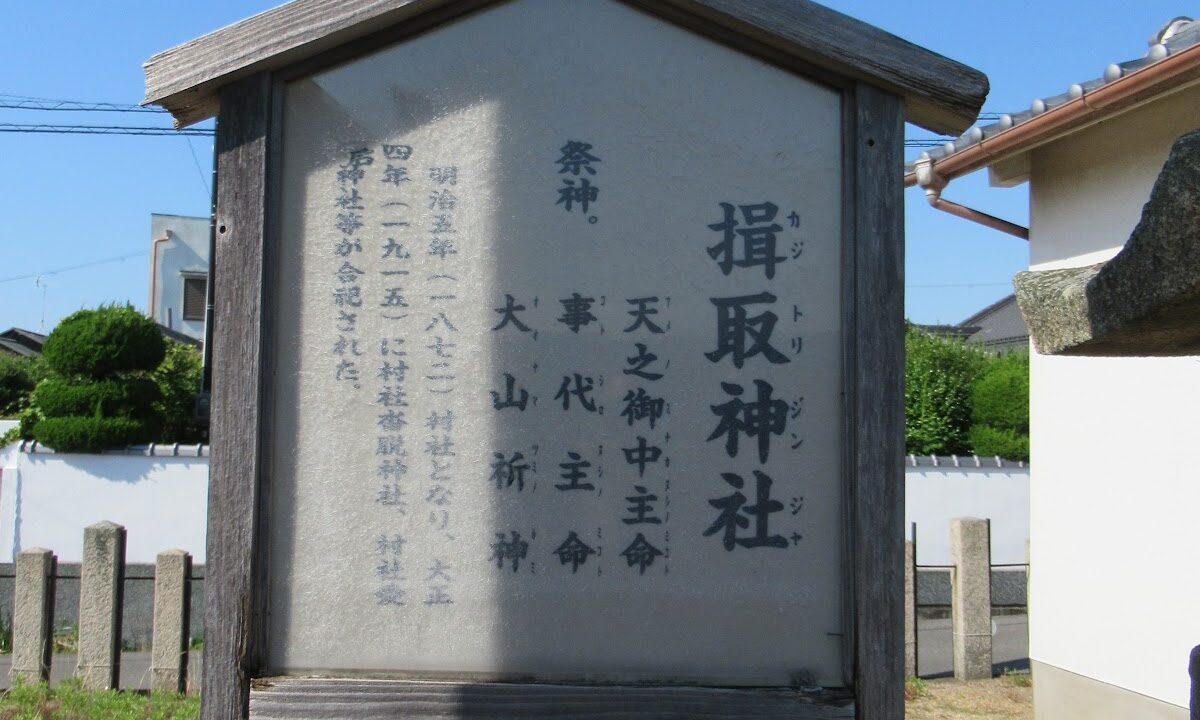
Complete Guide to Itori Shrine (Osaka Prefecture) | History, Benefits, Access, and Festivals Explained in Detail
Itori Shrine, located in Osaka Prefecture, is a historical shrine deeply rooted in the community, and has long attracted the faith of the people. This article provides a detailed explanation of everything you need to know before visiting, from the history of Itori Shrine, its enshrined deities, benefits, highlights of the grounds, annual events, and access methods.
What is Itori Shrine?
Itori Shrine is a shrine located in Osaka Prefecture and has been revered for many years as the guardian deity of the region. The name “Itori” is thought to originate from an old place name and is deeply connected to the history of this area.
The shrine grounds are enveloped in a tranquil atmosphere, making it a precious space where one can find peace of mind despite being in an urban area. It is a shrine known to those in the know, attracting worshippers not only from the local area but also from far away.
History and Origins of Itori Shrine
History of Founding
While there are various theories regarding the founding date of Itori Shrine, it is certain that it has been enshrined in this area since ancient times. Osaka has a long history, and many shrines were founded from ancient to medieval times. Itori Shrine is one of them, and has grown alongside the development of the region.
Connection to the Community
During the Edo period, it functioned as the guardian shrine of the village, a place where people prayed for the safety of agriculture and daily life. Despite being affected by the Meiji era’s shrine consolidation policy, it has been preserved to this day thanks to the fervent faith of the local residents.
During the post-war period of rapid economic growth, the surrounding area became urbanized, but Itori Shrine has continued to exist as the center of the local community and a spiritual anchor.
Origin of the Shrine Name
The place name “Itori” is thought to be related to the ancient topography and industry. “I” is a word that represents the action of drawing water, which may suggest that this area was once blessed with abundant water resources. Furthermore, the character “取” (tori) means harvest or gather, suggesting a connection to agriculture.
Deities and Benefits
Deities
The deities enshrined at Itori Shrine have been revered as guardian deities of the region. Like many local shrines, the following deities may be enshrined here:
- Amaterasu Omikami: The supreme deity in Japanese mythology
- Susanoo-no-Mikoto: God of protection against misfortune
- Local Guardian Deity: The guardian deity unique to the area
Benefits
The benefits believed to be obtained by visiting Itori Shrine include the following:
Family Safety: Protection of the health and peaceful life of all family members
Business Prosperity: Prayers for the development and success of business
Abundant Harvest: Gratitude for a bountiful harvest and the blessings of food
Protection from Misfortune and Disaster: Protection from various calamities
Protection of the Community: Peace and development of the entire parish area
Traffic Safety: Prayers for safety in today’s car-dependent society
Highlights of the Shrine Grounds
Main Shrine
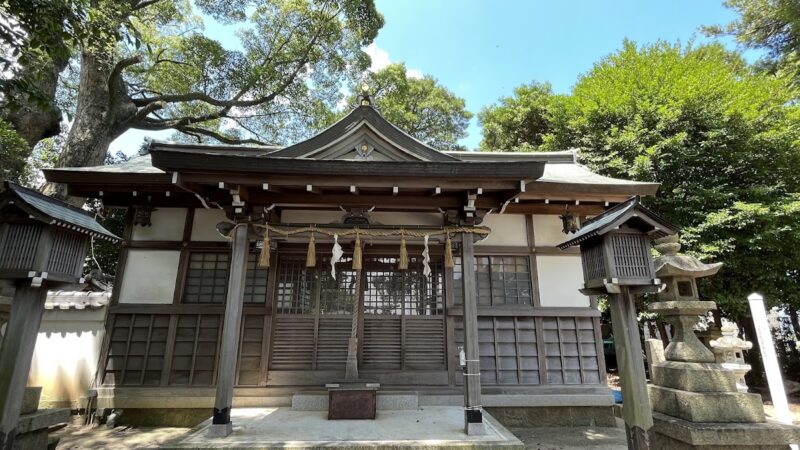
The main shrine of Itori Shrine maintains the traditional style of shrine architecture. You can feel the beauty of the wooden structure and the dignified presence that has endured years of wind and snow. When visiting, pay attention to the architectural style of the main shrine.
Worship Hall
The worship hall, where worshippers directly offer their prayers, is meticulously clean and enveloped in a sacred atmosphere. Standing before the worship hall, your mind naturally calms, and you can forget the hustle and bustle of everyday life.
Torii Gate
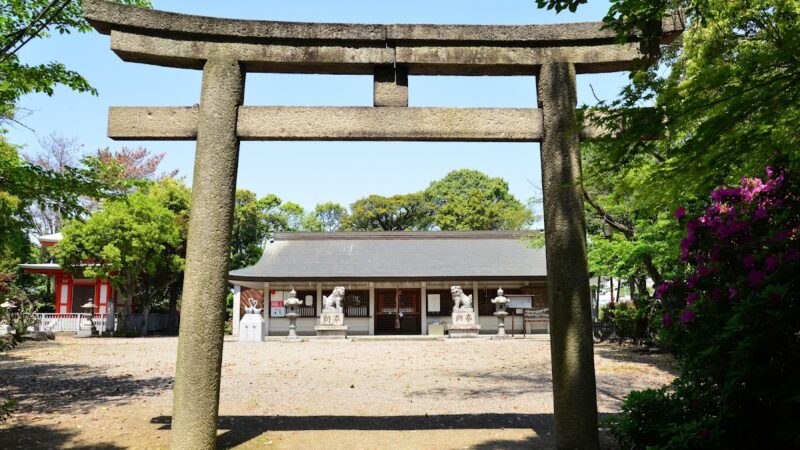
The torii gate, standing at the entrance of the shrine, plays an important role as a boundary separating the secular world from the sacred realm. When passing through the torii gate, bow to prepare yourself for entering the sacred realm.
Water Basin
There is a water basin for purifying oneself before worship. By purifying your hands and mouth with the correct etiquette, you can approach the shrine in a pure state of mind and body.
Guardian Dogs
Guardian dogs are placed throughout the shrine grounds, protecting the shrine. The expressions and postures of guardian lion-dogs (komainu) vary from shrine to shrine, and the komainu at Iburi Shrine also possess a unique style.
Shrines within the Precincts
Besides the main shrine building, there are sometimes small shrines and subsidiary shrines within the precincts. These are also cherished as objects of local faith.
Sacred Trees
When there are sacred trees that have watched over the precincts for many years, one can feel a sense of divinity in their age and vitality. Sacred trees are also known as power spots at shrines.
Annual Festivals and Events
Iburi Shrine holds various festivals and events throughout the year.
New Year’s Day Festival (January 1st)
This festival celebrates the beginning of the new year and prays for peace throughout the year. Many worshippers visit for their first shrine visit of the year.
Setsubun Festival (around February 3rd)
This is a traditional event where beans are scattered to ward off evil spirits and invite good fortune. With the chant of “Demons out, fortune in!”, prayers are offered for good health and protection from illness throughout the year.
Spring Festival
This festival celebrates the arrival of spring and prays for a bountiful harvest. In some regions, it coincides with cherry blossom season, attracting many worshippers who also enjoy cherry blossom viewing.
Summer Purification Ceremony (June 30th)
This Shinto ritual purifies and cleanses away the sins and impurities accumulated over the past six months. A ritual of passing through a ring of reeds may be performed, praying for health and happiness for the remaining half of the year.
Autumn Festival
This is an important festival offering thanks for the harvest season. In some regions, a portable shrine procession and offering ceremonies are held, enveloping the entire community in a festive atmosphere.
Shichi-Go-San (around November 15th)
This event celebrates the growth of children and prays for their continued healthy development. Children dressed in their finest attire visit the shrine.
Year-End Grand Purification Ceremony (December 31st)
This Shinto ritual marks the end of the year, purifying and cleansing away the sins and impurities accumulated throughout the past year. It’s an important event for welcoming the new year with a refreshed spirit.
Monthly Festival
This is a regular monthly festival held on a fixed day, praying for the peace and tranquility of the community and the well-being of the parishioners.
Etiquette and Manners for Visiting a Shrine
Basic Etiquette for Visiting a Shrine
When visiting Itori Shrine, please observe the following etiquette:
1. How to Pass Through the Torii Gate
- Bow before passing through the torii gate.
- Walk along the edge of the path, as the center is the path for the gods.
2. How to Wash Your Hands
- Take the ladle with your right hand and wash your left hand.
- Switch the ladle to your left hand and wash your right hand.
- Switch the ladle back to your right hand, receive water in your left hand, and rinse your mouth.
- Finally, stand the ladle upright and wash the handle.
3. How to Bow
- Stand in front of the offering box and bow slightly.
- Place your offering quietly.
- Ring the bell if there is one.
- Two bows, two claps, one bow (bowing deeply twice, clapping twice, bowing deeply once).
Attire for Visiting the Shrine
Unless you are receiving a special prayer, everyday clothing is acceptable, but please keep the following points in mind:
- Dress neatly.
- Avoid revealing clothing.
- Remove hats and sunglasses within the shrine grounds.
- Formal attire is recommended for Shichi-Go-San celebrations and prayers.
Photography Etiquette
- Photography inside the main hall is generally prohibited.
- Be considerate of other visitors.
- Keep photography to a minimum during festivals.
- When posting on social media, be careful not to damage the shrine’s reputation.
Access Information
Location
Itotori Shrine is located in Osaka Prefecture. For the detailed address, we recommend checking the latest information before your visit.
Access by Train
When accessing by train from major stations in Osaka Prefecture:
- Walk from the nearest station or take a local bus.
- Travel time from the station varies depending on the line, so please check in advance.
- Relatively easy to access from within Osaka city.
Access by Bus
When using a local bus:
- A few minutes’ walk from the nearest bus stop.
- Check the number of buses and timetables in advance.
- Note that the bus schedule may change on weekends and holidays.
Access by Car
When visiting by private car:
- Access from major roads is relatively good.
- When searching with a car navigation system, search by the shrine name or address.
- It is recommended to check in advance whether there is parking and the number of spaces available.
Parking Information
- There may be parking spaces on the shrine grounds or nearby, but the number of spaces is often limited.
- During festivals and New Year’s visits, congestion is expected, so using public transportation is recommended.
- Consider using nearby coin-operated parking lots.
Nearby Tourist Attractions
When visiting Itori Shrine, be sure to also explore the nearby tourist attractions.
Historical Buildings
Osaka Prefecture has many historical buildings, and visiting them along with Itori Shrine will give you a deeper understanding of the region’s history.
Other Shrines and Temples
There are many other historical shrines and temples scattered in the vicinity. Enjoying a shrine tour is also a good idea.
Local Parks
If there are parks with abundant nature nearby, they are perfect for a stroll after visiting the shrine. You can enjoy seasonal flowers and greenery.
Gourmet Spots
Osaka is known as a culinary capital. Enjoying local specialty dishes after your visit is also recommended.
Goshuin (Shrine Seal) and Amulet Information
Goshuin (Shrine Seals)
Collecting Goshuin has become popular in recent years. You may be able to receive a Goshuin (temple/shrine stamp) at Ibori Shrine:
- Bring your own Goshuincho (stamp book) or purchase one on site.
- Reception hours are within the visiting hours.
- Prepare a donation (usually around 300-500 yen).
- Request politely.
Amulets and Items Offered
Ibori Shrine may offer various amulets and lucky charms:
Common types of amulets:
- Amulet for warding off evil
- Amulet for traffic safety
- Amulet for academic success
- Amulet for good health
- Amulet for family safety
- Amulet for business prosperity
Other items offered:
- Talisman
- Hama-ya (demon-repelling arrow) (New Year’s)
- Ema (votive tablet)
- Omikuji (fortune slip)
Best time and season for visiting
Recommended seasons
Spring (March-May)
- Beautiful fresh greenery and mild weather
- The Spring Festival period has a special atmosphere.
Summer (June-August)
- Purify yourself of the impurities of the past six months with the Summer Purification Ceremony
- Visiting in the early morning or evening is recommended as it’s cooler.
Autumn (September-November)
- Give thanks for the harvest with the Autumn Festival
- The shrine grounds are vibrant during the Shichi-Go-San season
- A time when the autumn leaves are beautiful.
Winter (December-February)
- Welcome the New Year with the first shrine visit of the year
- Invite good fortune with the Setsubun Festival
- Visiting in the crisp winter air is exceptional.
Recommended times of day
Early Morning
- You can visit in peace with fewer people
- You can calm your mind in the refreshing air
- Visiting while basking in the morning sun is a special experience.
Daytime
- You can stroll around the shrine grounds in the bright sunlight
- The shrine office is open during these hours
- You can receive Goshuin (shrine stamps) and amulets.
Evening
- The shrine grounds, illuminated by the setting sun, are enchanting.
- A place to calm the mind at the end of the day.
- Relatively uncrowded.
Participation in Prayers and Festivals at Itori Shrine
Various Prayers
At Itori Shrine, you may be able to receive various prayers according to life milestones and wishes:
Life Rituals
- Prayer for safe childbirth
- First shrine visit for a newborn
- Shichi-Go-San (7-5-3) ceremony
- Exorcism of evil spirits
- 60th birthday celebration
Life-related
- Family safety
- Business prosperity
- Traffic safety
- Prayer for passing exams
- Recovery from illness
Other
- Groundbreaking ceremony
- Ridgepole raising ceremony
- Shrine altar ceremony
- Car blessing
How to apply for prayers
- Make a reservation by phone in advance (recommended).
- Arrive 15 minutes before the start time on the day of the prayer.
- Register and pay the offering fee at the shrine office.
- Fill in the required information on the prayer application form.
- Wait in the waiting area.
- Proceed to the main shrine when your name is called.
Estimated Offering Fees
- Individual Prayer: ¥5,000 and up
- Shichi-Go-San (7-5-3 Festival): ¥5,000 to ¥10,000
- Exorcism Ceremony: ¥5,000 to ¥10,000
- Groundbreaking Ceremony: ¥30,000 and up
*Fees vary depending on the shrine; prior confirmation is necessary.
The Charm and Characteristics of Itori Shrine
A Community-Based Shrine
The greatest charm of Itori Shrine is its warm, community-rooted atmosphere. Unlike large-scale tourist shrines, it is a familiar presence in the daily lives of local people.
A Tranquil Space
Despite being located in an urban area, the shrine grounds are enveloped in a quiet and peaceful atmosphere. It is a valuable place to escape the hustle and bustle of everyday life and find peace of mind.
The Weight of History
With its long history, Itori Shrine has witnessed the transformations of this region. Standing on its grounds, one can feel the weight of its history and the depth of faith of its ancestors.
The Center of the Community
Even today, Itori Shrine plays a central role in the local community. Through festivals and events, it serves as a place where local people gather and deepen their bonds.
Visitor Feedback and Reviews
Visitors to Itori Shrine have shared a variety of impressions:
“I was able to worship slowly in a quiet and peaceful atmosphere. It’s a shrine where you can feel the warmth of the local people.”
“The grounds, steeped in history, gave me a feeling of spiritual cleansing. It’s a place I want to visit regularly.”
“I visited during a festival, and I truly felt how carefully the region’s traditions are preserved.”
“It’s easily accessible, making it a convenient place to visit. I was also happy to receive a Goshuin (shrine stamp).”
Precautions When Visiting Itori Shrine
Manners When Visiting
- Be quiet on the shrine grounds
- Always take your trash with you
- Smoking is only permitted in designated areas
- Check in advance whether pets are allowed
- Be considerate of other visitors
Precautions When Participating in Festivals and Events
- Arrive with plenty of time to spare to avoid being late
- Maintain silence during religious ceremonies
- Follow instructions
- Take photographs only within permitted areas
Weather-Related Impacts
- Be careful of your footing in rainy weather.
- Refrain from visiting during typhoons or heavy snow.
- Take precautions against heatstroke in summer.
- Don’t forget to dress warmly in winter.
Frequently Asked Questions about Itori Shrine
Visiting Hours
Entry to the shrine grounds is generally free, but the shrine office has limited hours. If you wish to obtain a Goshuin (shrine stamp) or amulet, it is recommended to visit during daytime hours.
Parking Availability
It is recommended to inquire directly with the shrine or check before visiting regarding the availability and number of parking spaces. During festivals, congestion is expected, so using public transportation is recommended.
Pet Policy
Pet policies vary by shrine. If you wish to bring your pet to Itori Shrine, it is recommended to check in advance.
Accessibility for Visitors
It is recommended to inquire with the shrine in advance regarding the presence of steps or stairs within the grounds and whether wheelchair access is possible.
Prayer Reservations
If you wish to have a prayer performed, we recommend making a reservation by phone in advance. Reservations may be mandatory, especially during busy periods such as Shichi-Go-San (a traditional Japanese rite of passage for children) and Hatsumiyamairi (a first shrine visit for newborns).
Summary
Itori Shrine, located in Osaka Prefecture, is a historic shrine that has long been cherished by the local community. Its quiet and peaceful grounds offer a precious place to escape the hustle and bustle of modern society and find peace of mind.
Various festivals and events are held throughout the year, and it plays a central role in the local community. It is believed to offer various blessings, including family safety, business prosperity, and protection from evil, attracting many worshippers.
Access is relatively good, and it can be reached by train, bus, or car. It will continue to be loved by the local community as a familiar shrine that can be visited not only on special occasions such as New Year’s Day and Shichi-Go-San, but also on a daily basis.
When visiting Osaka, or if you live in the area, please be sure to visit Itori Shrine. You are sure to find peace and tranquility amidst the weight of history and serene atmosphere.
When visiting, please observe basic etiquette and manners, and respect the sacred space. Receiving a Goshuin (temple/shrine stamp) or amulet allows you to maintain your connection with Itori Shrine.
We hope that Itori Shrine will become a place of solace for you, a place you want to visit at various milestones in your life.