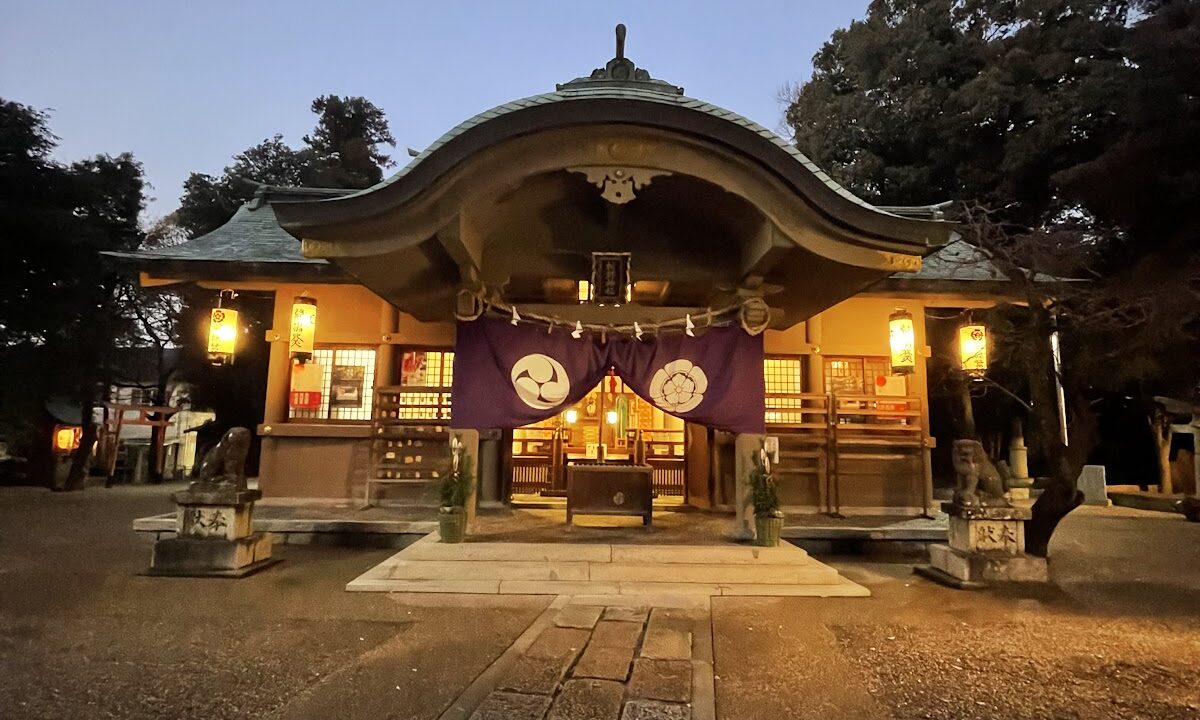
Murano Shrine (Hirakata City, Osaka Prefecture) Complete Guide | History, Goshuin (Shrine Seal), Access, and Benefits Explained in Detail
Murano Shrine, located in Murano Honmachi, Hirakata City, Osaka Prefecture, is a historical shrine founded in 1279. While within walking distance of Murano Station on the Keihan Katano Line, its tranquil atmosphere nestled in a quiet residential area makes it a beloved local shrine.
This article comprehensively covers information useful for those considering a visit to Murano Shrine, including its detailed history, enshrined deities, benefits, goshuin information, access methods, annual events, and nearby attractions.
Basic Information on Murano Shrine
Murano Shrine is located at 29-1 Murano Honmachi, Hirakata City, Osaka Prefecture, and has long been revered as the local guardian deity.
Location: 29-1 Murano Honmachi, Hirakata City, Osaka Prefecture 573-0016
Phone Number: 072-847-1310
Nearest Station: Approximately 9-15 minutes on foot north from Murano Station on the Keihan Katano Line (approx. 1km)
Parking: Parking available for visitors on the shrine grounds
Visiting Hours: Grounds are freely accessible (please check the shrine office’s opening hours)
Admission Fee: Free
Murano Shrine, despite being located in a residential area, maintains a lush, tranquil atmosphere within its grounds. It also serves as a place of relaxation for local residents, and many people stop by during their walks.
History and Origins of Murano Shrine
Founding History
Murano Shrine was founded on February 8, 1279 (Koan 2). In this year, the chief priest and the sacred land were established, and a new shrine building was constructed. The transfer of a divided spirit from Katano Shrine in Hirakata City is considered the beginning of Murano Shrine.
Katano Shrine is a representative ancient shrine of Hirakata City, and Murano Shrine was born as the guardian deity of the Murano region by inviting its divided spirit. The year 1289 (Kōan 2) falls in the late Kamakura period, a turbulent time immediately following the Mongol invasions.
History with the Community
Since its founding, Murano Shrine has been the tutelary deity of the Murano region, closely intertwined with the lives of the local residents. In times when agriculture was central, it served as a place to pray for abundant harvests, and during times of epidemics and disasters, it functioned as a place to pray for the safety of the community.
Even today, many local residents visit the shrine for the spring festival and the autumn annual festival, maintaining a community centered around the shrine. Especially during the New Year’s visit and Shichi-Go-San (7-5-3) festival, the shrine is bustling with families.
Changes in the Shrine Grounds
The grounds of Murano Shrine have been developed over time. The main hall and worship hall maintain the traditional style of shrine architecture while being properly maintained. In addition to the main shrine, several subsidiary shrines are also enshrined within the grounds, demonstrating the diversity of faith.
Deities and Benefits
Main Deities
The main deities of Murano Shrine are the following two:
Takesusanoo-no-Mikoto
Also written as Susanoo-no-Mikoto or Susanoo-no-Mikoto, he is a representative deity in Japanese mythology. Known as the younger brother of Amaterasu-Omikami, he is famous for the myth of slaying the Yamata-no-Orochi (eight-headed serpent). He is believed to offer protection against misfortune, disaster, and disease, and due to his courageous and valiant character, he is also worshipped as a god of military success and good fortune.
Kushiinadahime-no-Mikoto
She is the wife of Susanoo-no-Mikoto and the princess who saved him from the Yamata no Orochi (eight-headed serpent). As the goddess of rice fields, she is believed to bring blessings of abundant harvests, matchmaking, and marital harmony. She is also revered as a beautiful princess and a protector of women’s happiness and family harmony.
Deities of Subsidiary Shrines
The following subsidiary shrines are enshrined within the grounds of Murano Shrine:
Sumiyoshi Shrine
Enshrines the three Sumiyoshi deities, known as gods of safe voyages and business prosperity.
Nishino Shrine, Tsugino Shrine, Inuya Shrine
A group of shrines worshipped as guardian deities of the region.
Homusubi Shrine
Enshrines Homusubi-no-Kami, the god of fire, and offers protection against fire.
Konpira Shrine
This shrine enshrines Konpira Daigongen, worshipped as the god of maritime safety and business prosperity.
Inari Shrine
This shrine enshrines Inari, widely worshipped as the god of business prosperity and abundant harvests.
Through these subsidiary shrines, Murano Shrine offers a variety of blessings.
Main Blessings
The main blessings you can receive at Murano Shrine are as follows:
- Protection from Evil and Disaster: Exorcism through the powerful divine authority of Susanoo-no-Mikoto
- Prayer for the Eradication of Plagues and Good Health: Faith in the deity who wards off plagues
- Matchmaking and Marital Harmony: Fulfillment of good relationships through Kushinadahime-no-Mikoto
- Family Safety and Harmony: Protection of the family through the worship of the married couple deities
- Abundant Harvests and Business Prosperity: Industrial development through the god of rice fields and the gods of the subsidiary shrines
- Good Fortune and Long-Lasting Military Success: Increased luck through the bravery of Susanoo-no-Mikoto
How to Access Murano Shrine
Access by Train
If using the Keihan Railway Katano Line
The nearest station is Keihan Katano Line “Murano Station”. The shrine is approximately 9-15 minutes on foot (about 1 km) from the station.
[Access Route]
- Exit the ticket gate at Murano Station and head to the North Exit.
- Walk straight north along the road in front of the station.
- Continue through the residential area for approximately 1 km to reach Murano Shrine.
Murano Station can be accessed by transferring to the Katano Line from Hirakata-shi Station on the Keihan Main Line. The journey from Hirakata-shi Station to Murano Station takes approximately 5 minutes.
Access from the Keihan Main Line
- From Osaka: Take the Keihan Main Line Limited Express from Yodoyabashi Station or Kyobashi Station to Hirakata-shi Station (approx. 30 minutes), then transfer to the Katano Line.
- From Kyoto: Take the Keihan Main Line Limited Express from Demachiyanagi Station to Hirakata-shi Station (approx. 40 minutes), then transfer to the Katano Line.
Access by Car
Using the Second Keihan Expressway
- Approximately 10 minutes from “Hirakata-Higashi IC”
- Approximately 15 minutes from “Hirakata-Gakken IC”
Using General Roads
- Approximately 15 minutes via National Route 1 and Prefectural Route 18 (Hirakata-Katano-Neyagawa Line)
There is parking space for visitors on the shrine grounds, but the number of spaces is limited, so we recommend using public transportation during New Year’s visits and festivals.
Landmarks in the Surrounding Area
Murano Shrine is located in a residential area, so it may be a little difficult to find for first-time visitors. We recommend using a map app or car navigation system to find the residential area of Murano Honmachi. While there are no prominent commercial facilities around the shrine, a quiet environment is maintained.
Annual Events and Festivals
Murano Shrine holds various festivals and events throughout the year.
Spring Festival (March 21st)
Held on March 21st, close to the vernal equinox, the Spring Festival celebrates the arrival of spring and prays for a bountiful harvest and the safety of the community. Local residents participate, and the Shinto rituals are conducted solemnly.
Annual Festival (October 14th)
The most important festival at Murano Shrine is the Annual Festival (Autumn Festival) held on October 14th. On this day, gratitude is offered to the enshrined deity, and prayers are offered for the prosperity of the community and the health of its residents. A portable shrine is sometimes carried out, and the entire community is enveloped in a festive atmosphere.
Other Annual Events
- Hatsumode (January 1st-3rd): The shrine is bustling with worshippers praying for safety and happiness in the new year.
- Setsubun Festival (around February 3rd): A ritual to ward off evil spirits, including bean-throwing.
- Shichi-Go-San (November): A visit to celebrate the growth of children.
- Year-End Grand Purification Ceremony (December 31st): A Shinto ritual to purify oneself of sins and impurities accumulated throughout the year.
For detailed dates and information on these events, we recommend contacting Murano Shrine directly or checking their official website.
Goshuin (Shrine Seal) Information
Goshuin (shrine seals) are available at Murano Shrine.
Basic Information on Goshuin (Shrine Seals)
- Location of Issuance: Shrine Office
- Reception Hours: During visiting hours (We recommend calling ahead to confirm)
- Offering Fee: Generally around 300-500 yen (Donation is optional)
The goshuin at Murano Shrine features the shrine’s name and date of visit written in ink, along with the shrine’s seal. It is characterized by its simple yet dignified design.
Points to Note When Receiving a Goshuin
- Advance Contact Recommended: As it is a small shrine, the shrine office may be unattended. To ensure you receive a goshuin, we recommend calling ahead to confirm.
- Prepare Your Goshuincho (Shrine Seal Book): Bring your goshuincho. In some cases, pre-written goshuin may be available.
- Visit the Shrine First: The goshuin is proof of your visit. Always visit the main shrine first before receiving your goshuin at the shrine office.
- Treat with courtesy: Remember to show gratitude to the Shinto priests and use polite language.
Highlights of the Shrine Grounds
Main Hall and Worship Hall
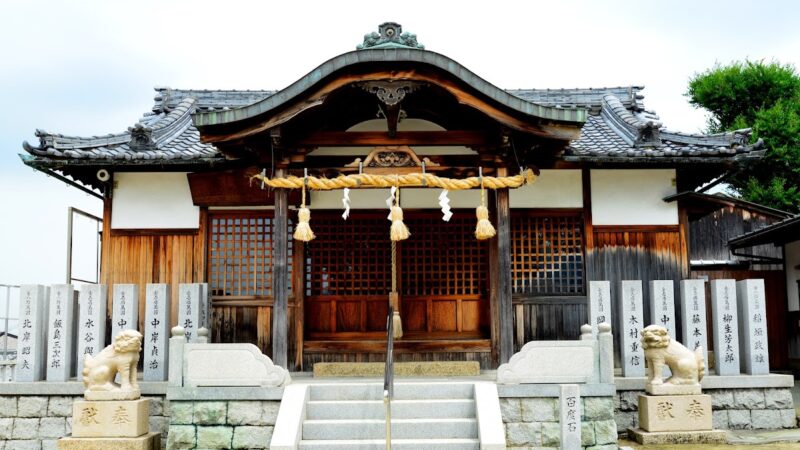
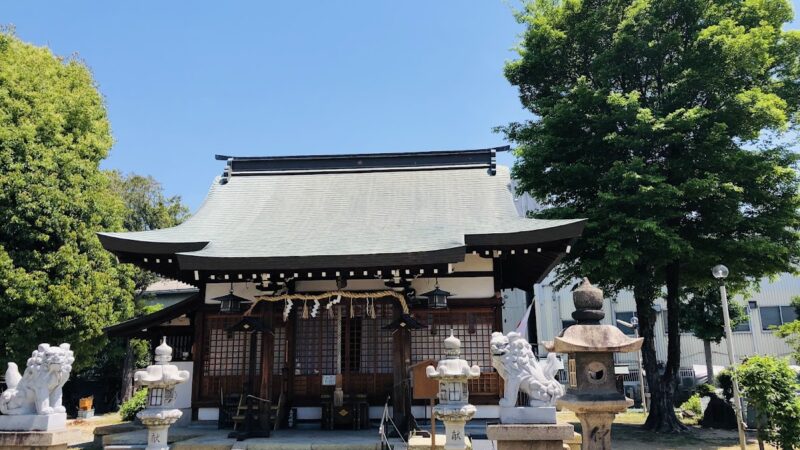
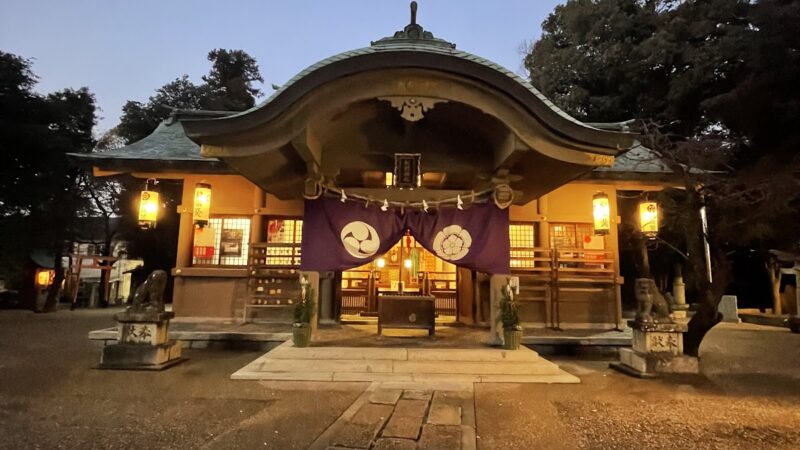
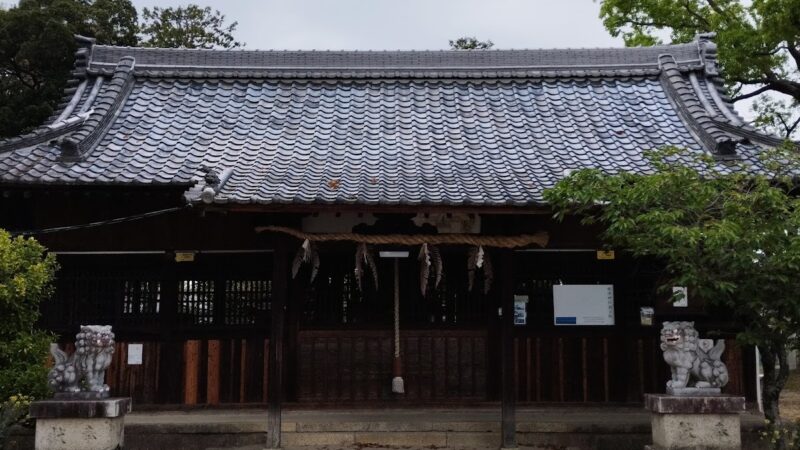
The main hall and worship hall of Murano Shrine maintain the style of traditional shrine architecture. The wooden shrine buildings have a historical feel and are carefully maintained. Standing before the worship hall, you will be enveloped in a tranquil atmosphere, bringing peace to your mind.
Subsidiary Shrines
As mentioned above, several subsidiary shrines are enshrined within the grounds. After visiting the main hall, visiting these subsidiary shrines in order will allow you to receive a wider variety of blessings.
Nature within the Shrine Grounds
Trees are planted within the grounds, displaying different appearances with each season. You can experience the changing seasons: fresh greenery in spring, deep green in summer, autumn leaves in fall, and tranquility in winter.
Water Basin
A water basin for purifying oneself before worship is also provided. When visiting the shrine, please purify your hands and mouth according to the proper etiquette before proceeding to the main hall.
Shrine Visit Etiquette and Manners
Here are the basic manners for visiting Murano Shrine.
Basic Worship Procedure
- Passing through the Torii Gate: Bow before entering the shrine grounds.
- Purifying oneself at the Water Basin: Purify in the order of left hand → right hand → mouth → left hand.
- Proceeding to the Main Hall: The center of the path is the path for the gods, so walk along the sides.
- Bow: Pray using the two bows, two claps, and one bow ritual.
- Visiting the Subsidiary Shrines: If time permits, visit the subsidiary shrines as well.
- Departing: Turn around and bow as you exit the Torii gate.
Attire for Visiting the Shrine
Casual clothing is acceptable, but please dress neatly and cleanly. Formal attire is preferable if receiving special prayers.
Regarding Photography
Photography is generally permitted within the shrine grounds, but please refrain from taking photos inside the main hall or during religious ceremonies. Also, please be considerate of other visitors.
Spots Around Murano Shrine
Here are some nearby spots you can visit when you come to Murano Shrine.
Katano Shrine
Katano Shrine, the original shrine of Murano Shrine, is a historic shrine located in Makinozaka, Hirakata City. The main hall, designated as a National Important Cultural Property, is a must-see. It is approximately a 15-minute drive from Murano Shrine.
Yamada Shrine
Yamada Shrine is another historic shrine in Hirakata City. A shrine pilgrimage visiting these local shrines is also recommended.
Around Hirakata City Station
The area around Keihan Hirakata City Station has a wide variety of shopping facilities and restaurants. It’s convenient for meals and shopping after your visit to the shrine.
Yodogawa Riverside Park
A riverside park has been developed along the Yodogawa River in Hirakata City, making it ideal for walks and picnics. You can refresh yourself while enjoying nature.
Kuzuha Mall
Kuzuha Mall, a large shopping mall located about 20 minutes away by car, offers shopping, dining, and movie screenings.
The Charm and Characteristics of Murano Shrine
A Local Guardian Deity
The greatest charm of Murano Shrine lies in its presence as a guardian deity deeply rooted in the community for over 700 years. Unlike large-scale tourist shrines, it maintains a simple atmosphere closely intertwined with the lives of local residents.
A Peaceful Worship Environment
Despite being located in a residential area, the shrine grounds maintain a quiet and peaceful atmosphere. This environment, where one can worship peacefully away from the hustle and bustle, is a rare find in urban areas.
Easy Access
Located within walking distance of Murano Station on the Keihan Katano Line, it boasts excellent access via public transportation. It is also relatively easy to access from Osaka City and Kyoto. ### Diverse Faiths Through Multiple Subsidiary Shrines
Because several subsidiary shrines are enshrined in addition to the main shrine, you can receive a variety of blessings in a single visit. The ability to pray to the deities corresponding to your specific wishes is also a major attraction.
Best Season for Visiting Murano Shrine
Spring (March-May)
Late March, when the Spring Festival is held, is a good time to visit while feeling the arrival of spring. The fresh greenery is beautiful, and you can visit in refreshing air.
Autumn (September-November)
Mid-October, when the annual festival is held, is the busiest time at Murano Shrine. You can enjoy the festive atmosphere in the refreshing autumn weather. The shrine is also bustling with families during the Shichi-Go-San festival (November).
New Year’s Visit (January)
New Year’s visits are a fitting time to visit the shrine at the start of the year. You can experience a special atmosphere of praying for the new year together with the local people.
Quiet Weekdays
For those who wish to visit the shrine at a leisurely pace, weekday mornings are recommended. There are fewer visitors, allowing for a peaceful and calming experience.
Frequently Asked Questions (FAQ)
Q1: Can I get a Goshuin (shrine stamp) at Murano Shrine every day?
A1: As Murano Shrine is a small shrine, the shrine office is not always open. If you want to be sure to get a Goshuin, we recommend calling in advance (072-847-1310). They are more likely to be able to accommodate requests on festival days and weekends.
Q2: Is there parking available?
A2: There is parking space for visitors on the shrine grounds, but the number of spaces is limited. During busy times such as New Year’s Day and annual festivals, we recommend using public transportation. Since the surrounding area is a residential area, please avoid street parking.
Q3: What kind of blessings can I expect at Murano Shrine?
A3: The main deity, Susanoo-no-Mikoto, offers protection against misfortune, disaster, and disease, while Kushinadahime-no-Mikoto offers blessings for matchmaking, marital harmony, and family safety. Furthermore, the subsidiary shrines within the grounds offer various blessings, including business prosperity, abundant harvests, and protection against fire.
Q4: How long does it take to get from Murano Station to Murano Shrine?
A4: It’s about a 9-15 minute walk (approximately 1km) from Murano Station on the Keihan Katano Line. The route goes through a residential area, but you can easily find your way using a map app. We recommend wearing comfortable shoes.
Q5: Can I have a wedding ceremony or prayer at Murano Shrine?
A5: Murano Shrine accepts various prayers, but you will need to inquire directly with the shrine for details. They are likely to handle common prayers such as exorcism, Shichi-Go-San (a traditional Japanese rite of passage for children), and first shrine visits for newborns. Please contact us by phone (072-847-1310).
Q6: When was Murano Shrine founded?
A6: Murano Shrine was founded on February 8, 1279 (Koan 2). A divided spirit was invited from Katano Shrine in Hirakata City, and it was established as the tutelary shrine of the Murano area. It is a shrine with a history of over 700 years, dating back to the late Kamakura period.
Q7: Are there places to eat near Murano Shrine?
A7: The area around Murano Shrine is mainly residential, so there aren’t many restaurants. If you want to eat, we recommend going to the area around Keihan Hirakata-shi Station. There are a variety of restaurants and shopping facilities around Hirakata-shi Station.
Q8: Is Murano Shrine accessible by wheelchair?
A8: We recommend checking directly with the shrine regarding the condition of the grounds. Generally, smaller shrines often have steps, but they may be able to accommodate you if you contact them in advance. ## Summary
Murano Shrine is a historic shrine founded in 1279 (Koan 2) located in Murano Honmachi, Hirakata City, Osaka Prefecture. It enshrines Susanoo-no-Mikoto and Kushinadahime-no-Mikoto as its main deities and is known for its diverse blessings, including protection from evil, matchmaking, and family safety.
Its appeal lies in its convenient access, approximately a 15-minute walk from Murano Station on the Keihan Katano Line, and the tranquil environment maintained despite being located in a residential area. Various festivals and events are held throughout the year, centering around the Spring Festival (March 21st) and the Annual Festival (October 14th).
While it is possible to receive a Goshuin (shrine stamp), it is recommended to call ahead to confirm, as it is a small shrine. In addition to the main shrine, several subsidiary shrines, including Sumiyoshi Shrine and Inari Shrine, are enshrined within the grounds, allowing visitors to pay homage to a variety of deities in a single visit.
If you’re visiting Hirakata City, or if you’re interested in exploring the region’s historic shrines, be sure to stop by Murano Shrine. You’ll find peace of mind in the warm atmosphere of this guardian deity that has watched over the community for over 700 years.
When praying, please observe the proper etiquette of two bows, two claps, and one bow, and offer your prayers quietly and sincerely. May Murano Shrine grant your wishes and guide you to happy days.