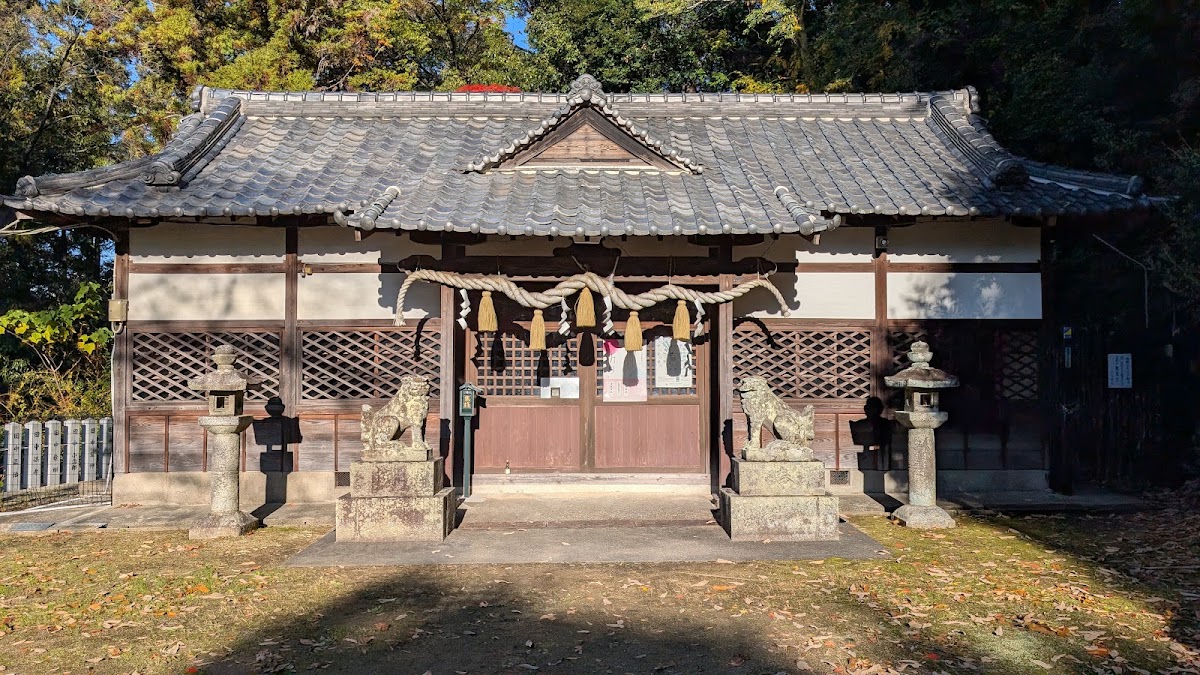
Complete Guide to Uchiage Shrine (Neyagawa City, Osaka Prefecture) | History, Deities, Access, and Highlights Explained in Detail
Located at the eastern edge of Neyagawa City, Osaka Prefecture, and at the southern end of the Kongo-Ikoma Quasi-National Park, Uchiage Shrine is a historic shrine that was affectionately known as “Takara Shrine” until the Edo period. This guide provides a detailed explanation of the shrine’s history, enshrined deities, highlights within the grounds, and access methods, highlighting its tranquil grounds surrounded by a grove of trees on a hillside and the spectacular view of the Osaka Plain from a nearby observation deck.
Basic Information on Uchiage Shrine
Uchiage Shrine is located at 38-1 Uchiage-Motomachi, Neyagawa City, Osaka Prefecture, and has long been revered as the tutelary deity of the former Uchiage Village. Currently, it is under the management of Yasaka Shrine (Neyagawa City), and inquiries should be directed to Yasaka Shrine (072-821-2656).
Location: 38-1 Uchiagemotomachi, Neyagawa City, Osaka Prefecture 572-0802
Managed Shrine: Yasaka Shrine (Neyagawa City)
Shrine Rank: Former Village Shrine (ranked in 1872)
Annual Festival Date: October 13th (Sun) or October 15th
Located at the easternmost edge of Neyagawa City, it is situated in the rich natural environment of the Kongo-Ikoma Quasi-National Park. It is approximately 1km east of Higashi-Neyagawa Station on the JR Gakken Toshi Line and accessible via Prefectural Road 20.
Deities and Divine Virtues of Uchiage Shrine
Main Deity: Takenouchi no Sukune
The main deity of Uchiage Shrine is Takenouchi no Sukune. Takenouchi no Sukune is a legendary loyal retainer appearing in Japanese mythology, a long-lived figure said to have served five emperors: Emperor Keiko, Emperor Seimu, Emperor Chuai, Emperor Ojin, and Emperor Nintoku.
Takenouchi no Sukune’s divine virtues include the following:
- Longevity: From the legend that he lived for over 300 years
- Good Fortune: From his contributions to the development of the nation
- Business Prosperity: From his alleged involvement in the origin of currency
- Protection from Evil: From the anecdotes of overcoming numerous difficulties
Enshrined Deities
In addition to Takenouchi no Sukune, Eight Great Dragon Kings and Hachiman Daishin are also enshrined. The Eight Great Dragon Kings are worshipped as dragon gods who control water and rain, while Hachiman Daishin is worshipped as a god of military fortune and national protection.
Deity Enshrined During the Edo Period: Kora Daimyojin
Interestingly, before the Meiji Restoration, the enshrined deity was Kora Daimyojin. Kora Daimyojin is the principal deity of Kora Taisha Shrine in Kyushu (Kurume City, Fukuoka Prefecture) and is sometimes identified with Takenouchi no Sukune. It is believed that the enshrined deity was changed to Takenouchi no Sukune due to the Meiji-era policy of separating Shinto and Buddhism and consolidating shrines.
History and Origins of Uchiage Shrine
Founding Date Unknown
Unfortunately, there are no clear records regarding the founding date or detailed origins of Uchiage Shrine. There are no historical explanations or other informational materials on the shrine grounds, suggesting that many ancient documents have been lost. However, it is certain that the shrine has long been rooted in the community as the tutelary deity of the former Uchiage Village.
“Kora Shrine” Until the Edo Period
Until the Edo period, it was called Kora Shrine (Kora Jinja). Even today, the characters “Takara Shrine” are inscribed on the torii gate, the plaque on the worship hall, and the stone lanterns within the shrine grounds, offering a glimpse into its past glory.
There are two main theories regarding the origin of the name “Takara”:
- Theory of a corruption of Kōrai (Korean name): This theory suggests a connection to Kōryō on the Korean Peninsula, and some studies point to a close relationship with the nearby Ishi no Hōden (Iwafune Shrine).
- Theory of origin from Takara Taisha (Grand Shrine): This theory indicates a religious connection to Takara Taisha (the Ichinomiya of Chikugo Province) in Kyushu.
Neither theory has definitive proof, but they are intriguing traditions suggesting connections to ancient immigrant culture and Shugendō (mountain asceticism).
Renaming and Ranking as a Village Shrine in the Meiji Era
Following the shrine reorganization policy after the Meiji Restoration, the shrine was renamed Uchiage Shrine, after the local place name. At the same time, the enshrined deity was changed from Takara Daimyōjin to Takenouchi no Sukune. In 1872 (Meiji 5), it was designated a village shrine and positioned as the central shrine of the former Uchiage Village.
Uchiage Shrine Grounds and Highlights
Tranquil Grounds on a Hill
Uchiage Shrine is located on a hill surrounded by groves of trees at the southern end of the Kongo-Ikoma Quasi-National Park. Climbing the narrow approach from Prefectural Road 20, you’ll find yourself in a quiet shrine grounds surrounded by trees. Despite its proximity to urban areas, it maintains a rich natural environment, allowing visitors to experience the beauty of each season.
Torii Gate and Shrine Plaque
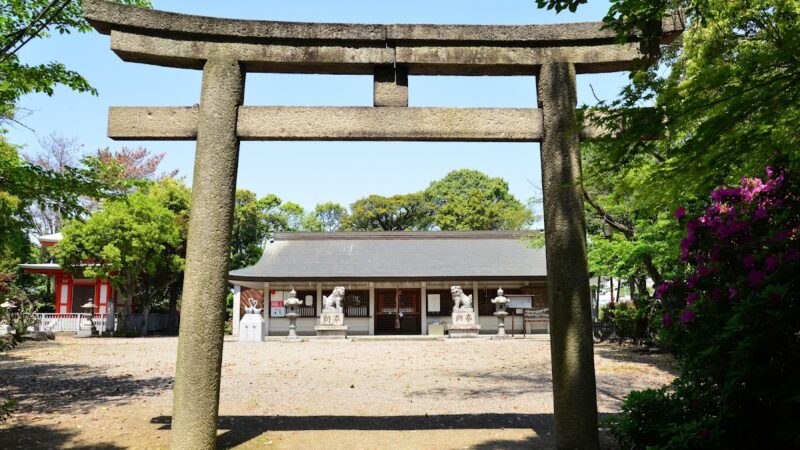
The torii gate at the entrance to the grounds bears a shrine plaque reading “Takara Shrine.” Even after being renamed Uchiage Shrine during the Meiji era, this plaque remains as a valuable historical relic from the Edo period.
Worship Hall and Main Hall
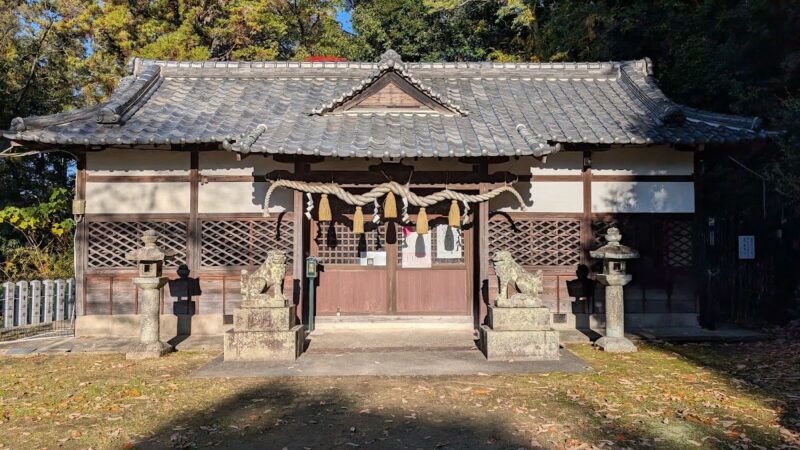
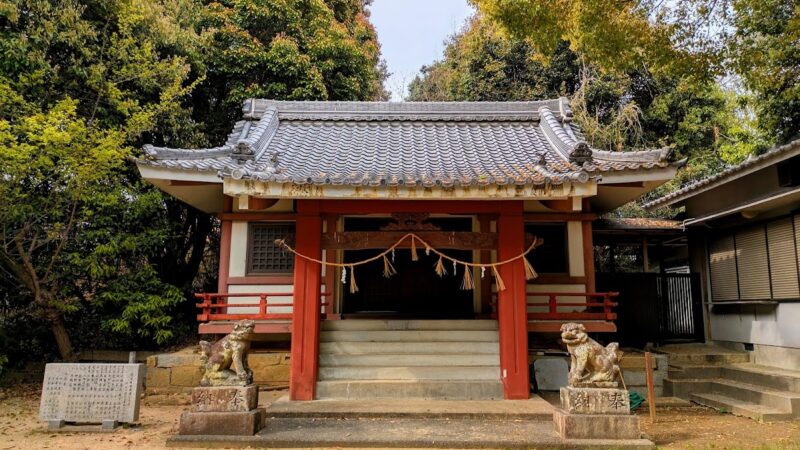
The plaque on the worship hall also bears the characters “Takara Shrine.” The main shrine is situated on a hilltop, surrounded by trees, creating a solemn atmosphere. The shrine architecture is simple yet evokes a sense of history.
Subsidiary Shrines
The following subsidiary shrines are located within the grounds of Uchiage Shrine:
- Inari Shrine: Deity of abundant harvests and business prosperity
- Takaokami Shrine: Deity of the dragon god who controls water
- Jingu Empress Shrine: Dedicated to Empress Jingu, mother of Emperor Ojin
- Sumiyoshi Shrine: Deity of safe voyages and waka poetry
These subsidiary shrines reflect the diverse beliefs of the region. In particular, Takaokami Shrine and Jingu Empress Shrine have deep connections to the main deity, Takenouchi no Sukune (known as a loyal retainer who served Empress Jingu).
Stone Lanterns and Stone Monuments
Within the shrine grounds, there are stone lanterns and stone monuments dating from the Edo period to the Meiji period. Many are inscribed with the name “Takara Shrine,” making them valuable cultural assets that tell the history of the shrine.
Spectacular Views from the Uchiage Shrine Observation Deck
A Panoramic View of Neyagawa City
Near Uchiage Shrine is an observation deck, known as a spectacular viewpoint offering panoramic views of Neyagawa City and the Osaka Plain. It’s a must-visit spot when visiting Uchiage Shrine.
Access to the Observation Deck
Climbing the slope from the Uchiage Shrine grounds to the observation deck, you’ll quickly reach an open area. Parking is available, and it’s accessible by car (however, caution is advised as the road is narrow).
Views from the Observation Deck
From the observation deck, you can enjoy the following views:
- Aeon Mall Shijonawate: A large commercial facility visible to the east
- Aeon at Furukawabashi: A shopping mall located to the west
- Buildings around Umeda: On clear days, you can see the cluster of skyscrapers in Osaka City
- Neyagawa City: Residential areas and urban areas spread out below
- Ikoma Mountain Range: The mountain range of the Ikoma Mountains to the east
The sunset over the Osaka Plain is particularly beautiful at dusk, making it a popular spot for night views as well.
How to Access Uchiage Shrine
Access by Train
Nearest Station: JR Gakken Toshi Line (Katacho Line) Higashi-Neyagawa Station
From Higashi-Neyagawa Station to Uchiage Shrine is approximately 1km east, about a 15-minute walk. Exit the station and head east along Prefectural Road 20 (Hirakata-Katano-Neyagawa Line). Follow the signs for the Uchiage area and ascend the narrow road.
Walking Route:
- Exit the east exit of Higashi-Neyagawa Station
- Head east along Prefectural Road 20 for approximately 800m
- Follow the signs for Uchiage-Motomachi, turn right, and ascend the slope
- You will see the torii gate of Uchiage Shrine approximately 200m ahead.
The road is narrow and passes through a residential area, so please pay close attention to the signs.
Access by Car
Major Roads: From Prefectural Road 20 (Hirakata-Katano-Neyagawa Line) towards Uchiage-Motomachi
The road from Prefectural Road 20 to Uchiage-Motomachi is very narrow, and there are places where it is difficult to pass oncoming vehicles. Those who are not confident in their driving skills are advised to use public transportation.
Parking: There is some parking space on the shrine grounds, but the number of spaces is limited. There is parking available near the observation deck.
Access from the surrounding area
- By Keihan Railway: Approximately 15 minutes by bus or taxi from Neyagawa-shi Station on the Keihan Main Line
- From Osaka City: Approximately 20 minutes from the Moriguchi exit of the Hanshin Expressway Moriguchi Line
- From Kyoto: Approximately 15 minutes from the Neyagawa-kita exit of the Daini Keihan Expressway
Attractions around Uchiage Shrine
Iwafune Shrine (Stone Treasure Hall)
Located approximately 2 km east of Uchiage Shrine, Iwafune Shrine is known for its worship of a massive rock formation (iwakura). Some studies point to a connection with Takara Shrine (Uchiage Shrine), making it an interesting site for understanding ancient religious spheres.
Shrines and Temples in Neyagawa City
- Yasaka Shrine: A shrine that manages Uchiage Shrine, located in the center of Neyagawa City.
- Naritasan Osaka Betsuin Myooin: A representative temple of Neyagawa City.
- Sanra-gun Jori Ruins: Ruins showing the ancient Jori system (land division system).
Aeon Mall Shijonawate
A large commercial facility visible from the observation deck, convenient for shopping and dining. Recommended to visit before or after visiting Uchiage Shrine.
Annual Events and Festivals of Uchiage Shrine
Annual Festival (October 13th or 15th)
The annual festival of Uchiage Shrine is held every year in mid-October. As the tutelary deity of the former Uchiage Village, a Shinto ritual is performed by local residents. Although small in scale, a traditional festival rooted in the community is preserved.
New Year’s Visit
From New Year’s Day to the third day of the year, visitors, mainly local residents, come for their first shrine visit of the year. This is a hidden gem where you can offer your New Year’s prayers in a peaceful environment.
Other Annual Events
For detailed information on annual events, please contact Yasaka Shrine (072-821-2656), the managing shrine.
Points to Note When Visiting Uchiage Shrine
Precautions When Visiting
- Narrow Road: The access road is very narrow, so please be careful if visiting by car.
- Unmanned Grounds: There are no resident priests, so goshuin (shrine stamps) and other services are handled at the managing shrine, Yasaka Shrine.
- Natural Environment: Located in the mountains, insect repellent and comfortable walking shoes are recommended.
- Visit the Observation Deck: Since you’ve come all this way, please enjoy the view from the observation deck.
Recommended Time of Visit
- Morning: Fewer people, allowing for a peaceful visit.
- Evening: You can enjoy the sunset from the observation deck (especially recommended from autumn to winter).
- Weekdays: Quieter and more peaceful than weekends.
Photo Spots
- Shrine Plaque on Torii Gate: The characters “Takara Shrine” tell a story of history.
- Worship Hall: The plaque and shrine architecture.
- Nature on the Grounds: Trees of the Four Seasons
- Observation Deck: Spectacular View of the Osaka Plain
Cultural and Historical Value of Uchiage Shrine
The Northernmost Limit of the Kora Faith?
The existence of the Kora faith, which is mainly distributed in Kyushu, in Kawachi Province (eastern Osaka Prefecture) is an interesting topic in ancient history research. It has been studied from various perspectives, including the migration routes of immigrants, the Shugendo network, and the faith spheres of ancient powerful clans.
As a Local Guardian Deity
Uchiage Shrine has played a central role in the local community as the guardian deity of the former Uchiage Village. Even now, as part of Neyagawa City after the Meiji-era mergers, the local residents’ parishioners continue to protect the shrine.
Nature of Kongo-Ikoma Quasi-National Park
Kongo-Ikoma Quasi-National Park, where Uchiage Shrine is located, is a natural park spanning Osaka, Nara, and Kyoto. Despite being close to urban areas, it retains abundant nature, and Uchiage Shrine is a valuable place of worship located at its southern end.
About Neyagawa City, Osaka Prefecture
Neyagawa City, where Uchiage Shrine is located, is a city with a population of approximately 230,000, situated in the northeastern part of Osaka Prefecture. The city’s name originates from the Neyagawa River, a tributary of the Yodo River, and it was formerly part of Sanra District in Kawachi Province.
History of Neyagawa City
- Ancient Times: An agricultural area where the Jori system (land division system) was implemented as part of Sanra District.
- Medieval Times: Many manors of Iwashimizu Hachimangu Shrine existed.
- Modern Times: Became a city in 1951.
- Contemporary Times: Developed as a commuter town for Osaka.
Tourist Attractions in Neyagawa City
Besides Uchiage Shrine, Neyagawa City has the following attractions:
- Naritasan Osaka Betsuin Myooin: A temple bustling with visitors during the New Year’s pilgrimage.
- Neyagawa Park: A vast urban park.
- Uchiagegawa Flood Control Green Space: A green space park rich in nature.
- Hoshida Park, Prefectural Forest: Famous for its “Star Swing” (located in the neighboring city of Katano).
Spots to Visit in Combination with a Visit to Uchiage Shrine
Iwafune Shrine (Katano City)
Located about 10 minutes by car from Uchiage Shrine, Iwafune Shrine is a shrine that enshrines a massive rock formation as its sacred object. It enshrines the “Heavenly Rock Boat,” which is said to have been the ship on which Nigihayahi-no-Mikoto descended from heaven.
Hoshida Myoken-gu Shrine (Katano City)
This shrine is associated with Kobo Daishi Kukai and has a rare form of worship that enshrines the Big Dipper. It is about 15 minutes by car from Uchiage Shrine.
Shijonawate Shrine (Shijonawate City)
This shrine enshrines Kusunoki Masayuki and preserves the history of the Nanboku-cho period. It is about 20 minutes by car from Uchiage Shrine.
Summary: The Charm of Uchiage Shrine
Uchiage Shrine in Neyagawa City, Osaka Prefecture, is a historical shrine that was known as Kora Shrine until the Edo period. Although its founding date is unknown, it has been a deeply rooted part of the community’s faith as the tutelary deity of the former Uchiage Village.
Its main attractions are as follows:
- Historical Value: It is academically interesting as the northernmost example of the Kora faith.
- Tranquil Environment: The shrine grounds are surrounded by the nature of the Kongo-Ikoma Quasi-National Park.
- Spectacular View Spot: A nearby observation deck offers a panoramic view of the Osaka Plain.
- Takeuchi no Sukune Faith: The deity is believed to grant longevity and good fortune.
- Cultural Assets: Edo-period shrine plaques and stone lanterns.
While easily accessible from urban areas, it is a hidden gem of a shrine where you can worship in peace. When visiting Neyagawa City, be sure to visit Uchiage Shrine and enjoy its history, nature, and the spectacular view from the observation deck.
You can see remnants of the “Kora Shrine,” which has continued since the Edo period, throughout the grounds, making it a valuable place to experience firsthand the history of the Meiji-era shrine reforms. As a hidden historical spot in Osaka Prefecture, this shrine is especially recommended for those who enjoy visiting shrines and exploring historical sites.