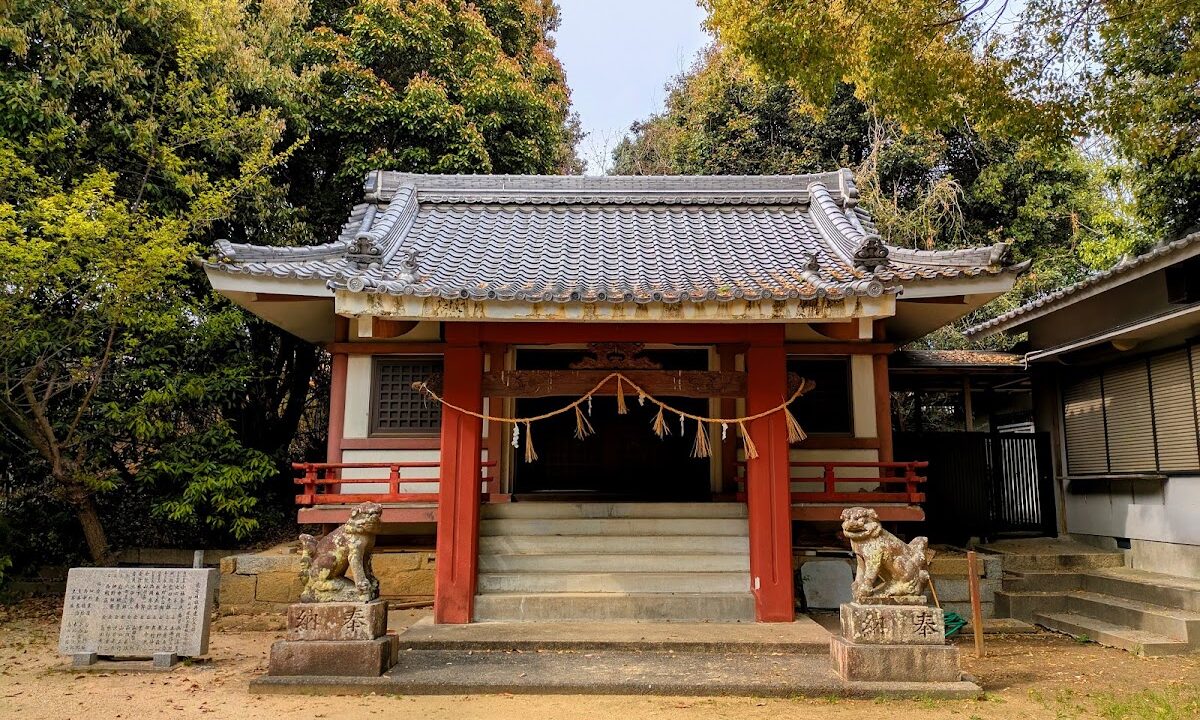
Complete Guide to Kunimori Shrine (Neyagawa City, Osaka Prefecture) | Deities, History, Access, and Goshuin Information
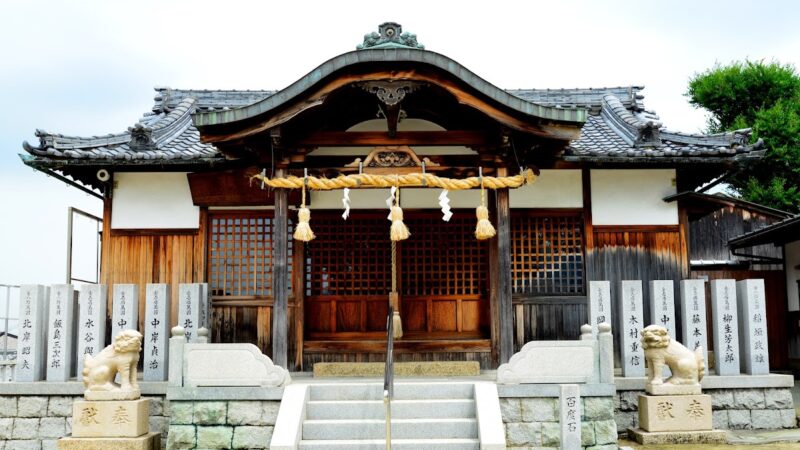
Kunimori Shrine, located in Meiwa 2-chome, Neyagawa City, Osaka Prefecture, is a historical shrine dedicated to Emperor Ojin and Sugawara no Michizane. Originally known as Hachiman-gu, it was renamed to its current name after the Meiji Restoration. This article comprehensively introduces information useful for visiting Kunimori Shrine, including its detailed history, the origin of its deities, access methods, and surrounding area information.
Basic Information on Kunimori Shrine
Kunimori Shrine is located in Neyagawa City, Osaka Prefecture, and has long been revered as the local guardian deity.
Location and Access Overview
Address: 2-21-1 Meiwa, Neyagawa City, Osaka Prefecture
Kunimori Shrine is accessible from several stations. It is approximately 850 meters southwest of Neyagawa-Koen Station on the JR Gakken Toshi Line, about a 10-12 minute walk. Furthermore, it is accessible from Shinobugaoka Station on the Keihan Main Line and is within walking distance. It is also conveniently located within walking distance of Higashi-Neyagawa Station.
Shrine Size and Grounds Characteristics
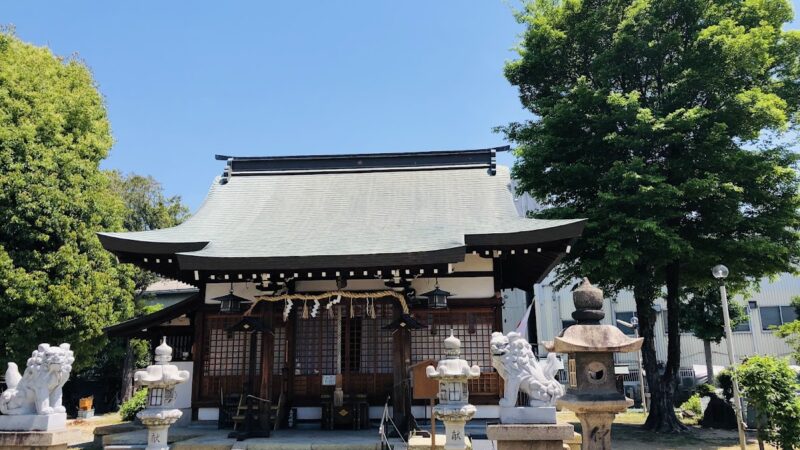
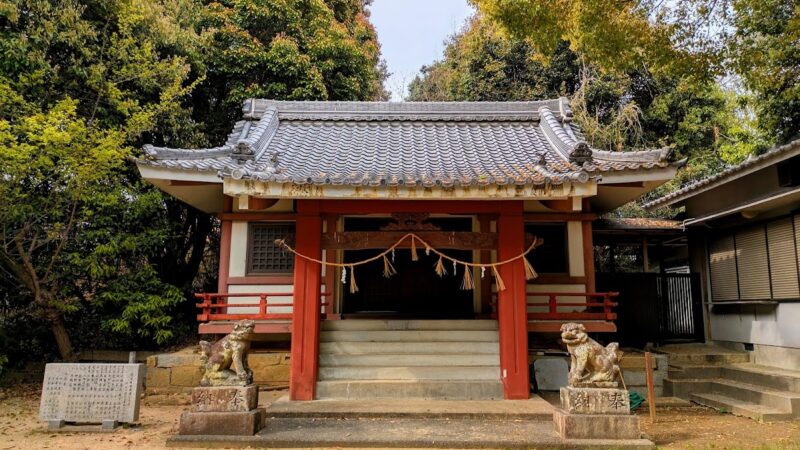
Kunimori Shrine is a quietly situated shrine within a residential area, possessing a warm, community-oriented atmosphere. The grounds, though compact, are well-maintained, welcoming visitors with a gentle presence. In addition to the main hall, several subsidiary shrines are located within the grounds, each imbued with its own unique faith.
Deities and Benefits of Kunimori Shrine
Kunimori Shrine enshrines two deities, each possessing different divine virtues.
Emperor Ōjin
Emperor Ōjin was the 15th Emperor and is widely worshipped as Hachiman-sama at Hachiman shrines throughout Japan. He is known as the god of military fortune and victory, and is also worshipped as the god of industrial development and national protection. The fact that Kunimori Shrine was originally called Hachiman-gu indicates that Emperor Ojin has long been revered as the principal deity.
Benefits of Emperor Ojin:
- Long-lasting military fortune and success in competitions
- Protection from evil and good fortune
- National peace and protection of the region
- Industrial development and business prosperity
Sugawara no Michizane
Sugawara no Michizane was a scholar and politician of the Heian period and is worshipped nationwide as the god of learning. A brilliant scholar and poet, Michizane was enshrined as Tenjin-sama after his death and is especially popular as a god of academic success and passing exams.
Benefits of Sugawara no Michizane:
- Academic success and passing exams
- Improvement in literary arts and calligraphy
- Unwavering sincerity (realization of honesty)
- Protection from evil and disaster
General benefits obtained at Kunimori Shrine
Kunimori Shrine enshrines deities of different fields, namely military fortune and academic success, allowing visitors to receive a wide range of benefits. Many worshippers visit seeking blessings for various aspects of life, including academic success for students taking exams, business success, family safety, and good health.
History and origins of Kunimori Shrine
Kunimori Shrine has a long history, and its founding is believed to date back to the late Heian period.
Circumstances of its founding
The exact founding date is unclear, but it is estimated to have been established as a Hachiman Shrine at the end of the Heian period. As this region developed, the shrine was built as a guardian shrine for the area, and Emperor Ōjin was enshrined as the principal deity. Later, Sugawara no Michizane, the god of learning, was also enshrined, making it a shrine dedicated to two deities.
From Hachiman Shrine to Kunimori Shrine
Until the Edo period, this shrine was affectionately known as “Hachiman Shrine.” Following the reform of the shrine system after the Meiji Restoration, the shrine’s name was changed to “Kunimori Shrine.” The name “Kunimori” means a shrine that protects the country, clearly representing its role as a guardian deity of the region.
In 1872 (Meiji 5), it was designated a village shrine, officially recognized as a local shrine. This further clarified the shrine’s position within the community, and it fulfilled its role as a tutelary deity.
Progress since the Modern Era
Throughout the Meiji, Taisho, and Showa eras, Kunimori Shrine has functioned as a spiritual pillar of the region. Even after the war, it continued to attract the faith of local residents and has been carefully preserved to this day. The shrine also plays a central role in the local community, maintaining its grounds and continuing festivals.
Highlights of the Shrine Grounds and Subsidiary Shrines
Besides the main shrine, the grounds of Kunimori Shrine contain several subsidiary shrines, each with its own unique beliefs.
Wakamiya Shrine
Wakamiya Shrine is a subsidiary shrine dedicated to the son of Emperor Ōjin. Wakamiya worship is found nationwide as part of Hachiman worship and is revered as a deity of fertility and child-rearing.
Kifune Shrine
Kifune Shrine is a subsidiary shrine dedicated to the water deity. Kifune worship, with Kyoto’s Kifune Shrine as its head shrine, is known for its blessings related to the protection of water sources, rainmaking, and matchmaking. It was a particularly important object of worship during times of agricultural prosperity.
Itsukushima Shrine
Itsukushima Shrine is a subsidiary shrine dedicated to Ichikishima-hime no Mikoto. Itsukushima Shrine in Hiroshima is the head shrine, and it is believed to offer blessings for maritime safety, traffic safety, and improvement in performing arts. Often identified with Benzaiten, it is also worshipped as a god of wealth and performing arts.
Atmosphere of the Shrine Grounds and Points for Worship
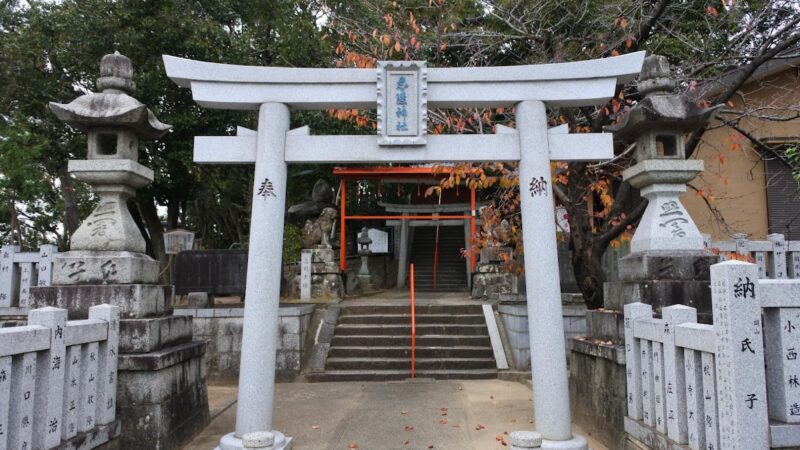
Despite being located in a residential area, the grounds of Kunimori Shrine maintain a tranquil atmosphere. When visiting, first pass through the torii gate, purify your body and mind at the water basin, and then proceed to the main shrine. After praying at the main shrine, you can receive a wider range of blessings by visiting the various subsidiary shrines.
How to Access Kunimori Shrine
Kunimori Shrine is accessible by both public transport and car.
Access by Train
If using the JR Gakken Toshi Line:
- Get off at Neyagawa-Koen Station and walk southwest for approximately 10-12 minutes (about 850 meters).
- Exit the station, turn left, and proceed through the residential area towards the shrine.
If using the Keihan Main Line:
- Get off at Shinobu-ga-oka Station and walk for approximately 12-15 minutes.
- Head south from the station towards Meiwa 2-chome.
Other Nearest Stations:
- Accessible on foot from Higashi-Neyagawa Station.
Access by Car and Parking Information
Kunimori Shrine does not have a large dedicated parking lot. If you are visiting by car, please use the nearby coin-operated parking lots.
Main Parking Lots in the Surrounding Area:
- Neyagawa Park Second Parking Lot: Approximately 490 meters from the shrine, 7-10 minutes on foot
- Izumiya Higashi Neyagawa Store Parking Lot: Approximately 847 meters from the shrine, 11-16 minutes on foot (for shoppers)
- Several other coin-operated parking lots are available in the surrounding area.
If your visit is short, using a nearby coin-operated parking lot is convenient. During busy periods such as New Year’s Day, we recommend using public transportation.
Access by Foot or Bicycle
For those living in Neyagawa City or the surrounding area, access by foot or bicycle is convenient. Located in a residential area, local residents visit the shrine regularly.
Annual Festivals and Reiwa Festival
Kunimori Shrine holds various festivals throughout the year.
Autumn Reiwa Festival (October 10th)
The most important festival at Kunimori Shrine is the Autumn Reiwa Festival, held annually on October 10th. On this day, an important Shinto ritual is performed to express gratitude to the enshrined deity and to pray for the peace of the region and the happiness of the parishioners. It is an opportunity for local residents to gather and deepen the bonds of the community centered around the shrine.
Other Annual Events
- New Year’s Day Festival/First Shrine Visit (January 1st-3rd): Prayers for happiness in the new year
- Setsubun Festival (Around February 3rd): A festival to ward off evil and invite good fortune
- Summer Purification Ceremony (June 30th): A Shinto ritual to purify sins and impurities accumulated over the past six months
- Year-End Purification Ceremony (December 31st): A Shinto ritual to purify sins and impurities accumulated over the past year
For detailed information on the times and content of each festival, please contact the shrine directly or check the information provided by the Osaka Prefectural Shrine Association, Third Branch.
Goshuin (Shrine Seals) and Offerings
About Goshuin
Regarding the issuance of Goshuin at Kunimori Shrine, the procedure may vary depending on the size of the shrine and whether or not there are resident priests. Those wishing to receive a Goshuin are advised to check with the shrine in advance. Smaller shrines may only offer Goshuin on festival days or special occasions.
Amulets and Offerings
Kunimori Shrine may offer offerings related to the divine virtues of its enshrined deity, such as amulets for academic success or protection against evil. In particular, since it enshrines Sugawara no Michizane, amulets for passing exams are popular.
Nearby Attractions and Tourist Information
Around Kunimori Shrine, there are spots where you can experience the history and culture of Neyagawa City.
Neyagawa Park
A vast park located near JR Neyagawa Park Station, with excellent sports facilities and playground equipment. It’s perfect for a stroll or a rest after visiting the shrine.
Nearby Shrines and Temples
Neyagawa City is dotted with other historical shrines and temples. Those who enjoy visiting shrines are encouraged to also visit the surrounding temples and shrines.
Commercial Facilities and Dining
The area boasts numerous commercial facilities, including Izumiya Higashi-Neyagawa store. You can enjoy meals and shopping before or after your visit.
Manners and Etiquette for Shrine Visits
Observing basic shrine visit etiquette will allow for a more heartfelt and respectful visit.
Basic Procedure for Worship
- Bow before passing through the torii gate: This is a courtesy before entering the sacred area.
- Walk along the edge of the path: The center is considered the path of the gods.
- Purify yourself at the water basin: Purify your left hand, right hand, and mouth in that order, and finally wash the handle of the ladle.
- Worship at the main shrine: Two bows, two claps, and one bow is the basic procedure.
- Worship at the subsidiary shrines: After visiting the main shrine, visit each of the subsidiary shrines as well.
Mindset during Worship
Worship is not merely a place to make wishes, but also an opportunity to express gratitude and compose one’s mind. Calm your mind in the quiet grounds and worship with respect for the enshrined deities.
Kunimori Shrine and the Local Community
Kunimori Shrine is not merely a religious facility, but also plays a central role in the local community.
Role as a Local Guardian Deity
As the local guardian deity, Kunimori Shrine serves as a spiritual anchor for the residents. It is a beloved place of worship for important life events such as baby blessings, Shichi-Go-San (a traditional rite of passage for children), and exorcisms.
Connection to Local Events
Festivals, including the annual grand festival, provide valuable opportunities for local residents to gather and foster intergenerational interaction. These activities help maintain community bonds.
Useful Information for Visiting Kunimori Shrine
Best Time to Visit
While Kunimori Shrine is open year-round, there are certain times that are particularly recommended.
- Exam Season (January-March): Prayers for success in exams to Sugawara no Michizane
- Annual Grand Festival (October 10th): The busiest day at the shrine
- First Shrine Visit of the Year (January 1st-3rd): Prayers for happiness in the new year
- Shichi-Go-San (around November 15th): Prayers for the healthy growth of children
Regarding Photography
Photography is generally permitted on the shrine grounds, but it is considered good manners to refrain from taking pictures inside the main hall or during Shinto rituals. Please be considerate of other worshippers.
Regarding Attire
For everyday visits, casual clothing is acceptable, but for prayers or formal visits, somewhat formal attire is desirable.
Relationship with the Osaka Prefectural Shrine Association Third Branch
Kunimori Shrine belongs to the Osaka Prefectural Shrine Association Third Branch. The Osaka Prefectural Shrine Association is the organization that oversees shrines within Osaka Prefecture, providing information on each shrine, training Shinto priests, and guiding rituals.
The Third Branch oversees the Kitakawachi region, and includes shrines in Neyagawa City, Hirakata City, Moriguchi City, Kadoma City, Shijonawate City, Katano City, and Daito City. For detailed information and inquiries, please contact the Osaka Prefectural Shrine Association Third Branch.
Summary: The Charm of Kunimori Shrine
Kunimori Shrine in Neyagawa City, Osaka Prefecture, is a historically significant shrine dedicated to two deities: Emperor Ojin and Sugawara no Michizane. It is estimated to have been founded at the end of the Heian period and was originally known as Hachiman Shrine. After the Meiji Restoration, it was renamed Kunimori Shrine and designated a village shrine in 1872 (Meiji 5).
Because it enshrines deities of both military fortune and academic success, it offers a wide range of blessings, attracting visitors with various wishes, from students praying for success in exams to business prosperity and family safety.
Conveniently located about 10-12 minutes on foot from Neyagawa-Koen Station on the JR Gakken Toshi Line and within walking distance of Shinobu-ga-oka Station on the Keihan Main Line, it boasts a friendly atmosphere nestled quietly in a residential area. Within the grounds are three subsidiary shrines: Wakamiya Shrine, Kifune Shrine, and Itsukushima Shrine, each with its own unique religious traditions.
Various festivals are held throughout the year, including the annual Autumn Grand Festival on October 10th, making it a central hub for the local community. It is cherished by local residents as their guardian shrine and a place they visit at important life events.
When visiting Neyagawa City, Osaka Prefecture, be sure to visit Kunimori Shrine and experience the tranquil atmosphere of this shrine with its long history. We pray that your wishes will be granted through the divine virtues of Emperor Ōjin and Sugawara no Michizane.