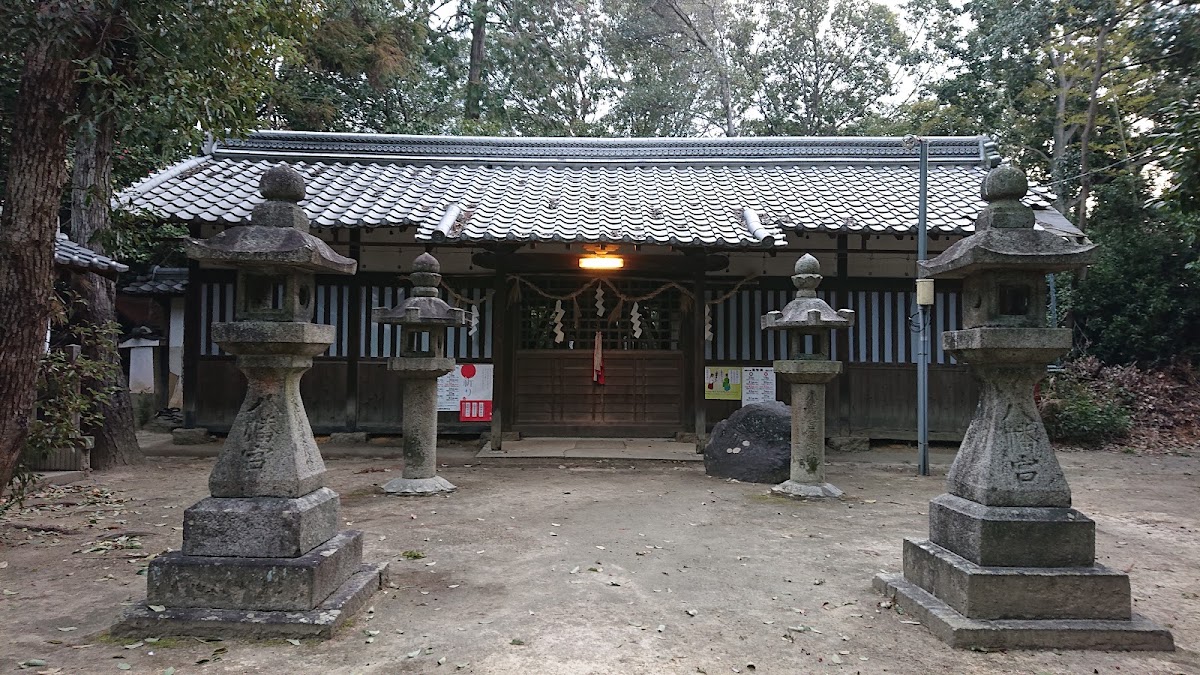
Neya Shrine (Neyagawa City, Osaka Prefecture) Complete Guide: History, Deities, Goshuin (Shrine Seal), and Access Information
Neyagawa Shrine, located in Neyagawa City, Osaka Prefecture, is a Hachiman-worship shrine with Emperor Ojin as its principal deity. Situated on a small hill, it retains the tranquil atmosphere of a sacred forest and is known as an important shrine that tells the story of the region’s history. This article provides a detailed guide to Neya Shrine, including its history, enshrined deities, highlights within the grounds, goshuin information, and access methods.
Basic Information about Neya Shrine
Location: 2-13-18 Neya-Minami, Neyagawa City, Osaka Prefecture 572-0855 (Some sources list 2-1525)
Deities Enshrined:
- Homudawake-no-Mikoto – Emperor Ojin
- Okinagatarashihime-no-Mikoto – Empress Jingu
- Hime-no-Okami
Annual Festival Date: October 15th (Recently held on the Saturday closest to October 15th, or October 17th)
Shrine Rank: Former Village Shrine
Corporate Code: 2120005013090
History and Origins of Neya Shrine
Background of Founding
While there are no clear records of the founding date of Neya Shrine, it is believed to have been built sometime after the mid-Heian period. Located on the west side of the Higashi-Koya Kaido road, it is said that the shrine was established by inviting a deity from either Iwashimizu Hachimangu Shrine, the head shrine of Hachiman, or the Hachimangu Shrine in Yawata City, Osaka Prefecture.
There are various theories about the origin of the place name Neya, but it is believed to be deeply related to the fact that this area was a transportation hub from ancient to medieval times. The Higashi-Koya Kaido was an important road connecting Kyoto and Mount Koya, and the fact that shrines dedicated to Hachiman worship were established along this road indicates that they played an important role in praying for the safety of travelers and as guardian deities of the region.
Relationship with Jinguji Temple
Neyashi Shrine once had a Jinguji temple, Getsusenji Temple. This is a remnant of the era of syncretism of Shinto and Buddhism, when shrines and temples were worshipped together. However, with the separation of Shinto and Buddhism in the early Meiji period, Getsusenji Temple was abolished. This historical process is an important element that tells the story of the changes in the history of religion in Japan.
Relationship with the Community
Neyashi Shrine has long been revered as the tutelary deity of the Neya region. The shrine’s location on a small hill symbolizes its role as a guardian deity watching over the former settlement. The presence of a subsidiary shrine within the grounds dedicated to the gods of water and rain indicates its important position as a place of worship for the blessings of water and bountiful harvests in a region centered on agriculture.
About the Enshrined Deity
Emperor Ojin (Homudawake-no-Mikoto)
The principal deity of Neya Shrine, Homudawake-no-Mikoto, is the 15th Emperor Ojin. He is worshipped at Hachiman shrines throughout Japan as a central deity of Hachiman faith. He is revered as a god of military fortune and national protection, as well as a god who brings about the development of culture and industry.
Emperor Ojin is considered one of the oldest emperors with a high probability of having actually existed, and is believed to have contributed to the introduction of continental culture and the strengthening of national power. Therefore, he is believed to bestow divine blessings for success in competitions, good fortune, and business prosperity.
Empress Jingu (Kinagatarashihime-no-Mikoto)
Empress Jingu, mother of Emperor Ojin, ruled the country as regent and is known for the legend of her conquest of the Three Kingdoms of Korea. She is revered as a goddess of safe childbirth and child-rearing, and as a guardian deity of women. As a brave and intelligent empress, she is worshipped as a goddess who grants the strength to overcome difficulties.
Hime-no-Okami
Hime-no-Okami is a goddess in Hachiman worship, and is generally believed to refer to the Munakata Three Goddesses (Tagorihime-no-Mikoto, Takitsuhime-no-Mikoto, and Ichikishimahime-no-Mikoto). She is worshipped as a goddess who protects maritime safety, traffic safety, and the happiness of women.
These three goddesses are often worshipped together as the “Three Gods of Hachiman,” and are believed to bestow comprehensive good fortune, family safety, and protection against evil.
Hime-no-Okami is a goddess in Hachiman worship, and is generally believed to grant overall good fortune, family safety, and protection against evil. ## Highlights of the Shrine Grounds
The Sacred Forest
The most distinctive feature of Neya Shrine is the sacred forest that spreads across a small hill. In the increasingly urbanized city of Neyagawa, it is a valuable space that preserves the ancient natural environment. The shrine grounds, surrounded by trees, are filled with a tranquil atmosphere, providing peace of mind to visitors.
The shrine forest also plays a role in preserving the local ecosystem and is a treasure trove of nature, home to various wild birds and insects. The forest landscape, which shows different expressions with each season, allows visitors to feel the changing seasons.
Main Hall and Worship Hall
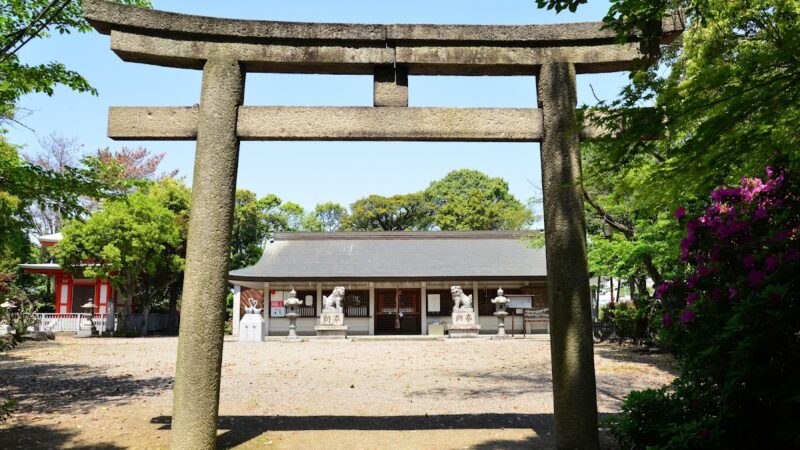
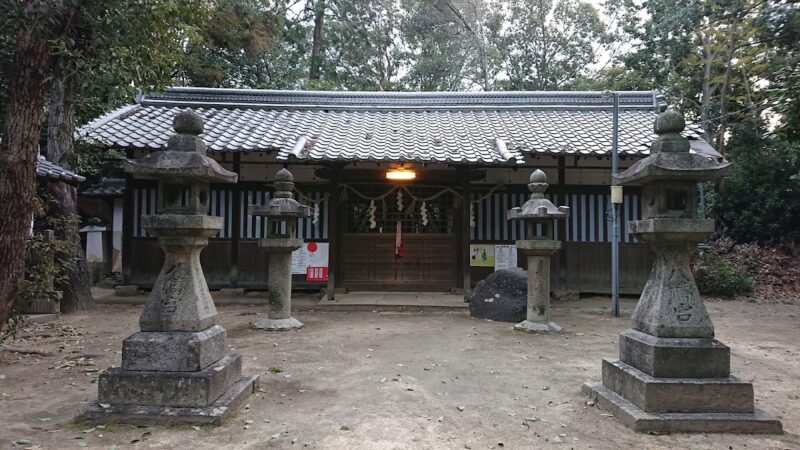
The main hall is built in the traditional shrine architectural style, exuding a sense of long history. In the worship hall, local people visit daily to offer quiet prayers. The architectural style and details of the decorations reflect the skill of the craftsmen and their faith.
Subsidiary Shrines
Within the shrine grounds are subsidiary shrines dedicated to the gods who control water and rain. This is an important testament to the faith that water was a lifeline in agricultural societies. Even today, it serves to evoke gratitude for nature’s blessings and awareness of environmental conservation.
In addition, several subsidiary shrines are scattered throughout the grounds, enshrining various deities. These are valuable cultural assets that tell the story of the region’s history and the diversity of its beliefs.
Stone Steps and Approach
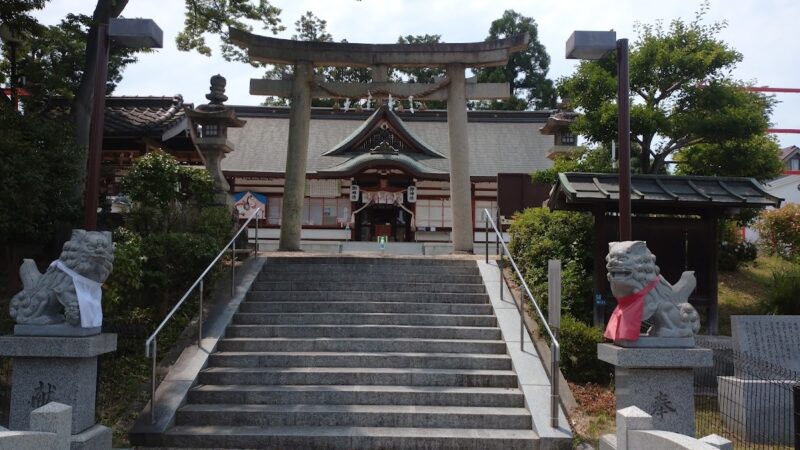
Because the shrine is situated on a small hill, access to the grounds is via a stone staircase. The act of climbing these steps, step by step, is an important part of the worship process, shifting one’s mind from everyday life to the sacred realm. Trees grow densely on both sides of the approach, creating a sacred atmosphere.
Goshuin (Shrine Seal) Information
Regarding the issuance of Goshuin at Neya Shrine, please note that there may not always be a permanently staffed shrine office, so prior confirmation is necessary. Those wishing to receive a Goshuin should note the following points.
Regarding the Issuance of Goshuin (Shrine Seals)
- Issuance Time: Goshuin may be issued on festival days and special events.
- Issuance Location: Shrine office or the priest’s residence (may be absent).
- Offering Fee: Generally around 300-500 yen.
Goshuin are proof of shrine visitation and represent a form of faith different from stamp rallies. When visiting a shrine, be sure to pray at the main hall and offer a heartfelt prayer before receiving your goshuin.
Regarding Manners
When receiving a goshuin, please observe the following manners:
- Complete your prayers first.
- Prepare a goshuin notebook (avoid using memo pads or notebooks).
- Prepare small change to avoid needing change.
- Use polite language.
- Wait quietly while the goshuin is being written.
For the latest information on goshuin issuance, we recommend contacting the Osaka Prefectural Shrine Association Third Branch or the Neyagawa City Tourist Information Center.
Access and Transportation Information
Access by Train
Nearest Stations:
- Approximately 15 minutes on foot from Neyagawa-shi Station on the Keihan Main Line
- Approximately 20 minutes on foot from Higashi-Neyagawa Station on the JR Gakken Toshi Line
- Approximately 15 minutes on foot west from Hoshida Station on the JR Gakken Toshi Line
If using the Keihan Main Line, Neyagawa-shi Station is the most convenient. Head southeast from the station, and after passing through the residential area, you will see the shrine’s sacred grove.
Access by Bus
If using Keihan Bus, several routes operate from Neyagawa-shi Station. It is accessible within a few minutes’ walk from the nearest bus stop. However, bus schedules and frequencies may change, so it is recommended to check the latest information on the Keihan Bus official website beforehand.
Access by Car
Access from Major Roads:
- Via Prefectural Road 8 (Osaka-Ikoma Line) from National Route 1
- Approximately 10 minutes from the Neyagawa-Minami Interchange on the Second Keihan Expressway
Parking: There may not be a dedicated parking lot on the shrine grounds. When visiting, we recommend using nearby coin parking or public transportation. Temporary parking may be provided during events such as the annual festival, so please check in advance.
Points to Note for Access on Foot
Neya Shrine is located on a small hill, so we recommend wearing comfortable shoes. Particular caution is needed on rainy days as the stone steps can become slippery. The surrounding area is a residential neighborhood, so please be mindful of quiet during your visit.
Annual Festivals and Events
Annual Festival (Autumn Festival)
The annual festival of Neya Shrine is held every year on October 15th, or the Saturday closest to the 15th (some sources state October 17th). This festival is an important annual event in the region, attracting many parishioners and worshippers.
During the annual festival, Shinto rituals are solemnly performed, and prayers are offered for a bountiful harvest, the safety of the community, and the prosperity of the parishioners. In some areas, a procession of portable shrines and offering ceremonies are held, making it a place for the preservation of traditional culture.
Other Annual Events
- New Year’s Day Festival: Praying for happiness and peace in the new year
- Setsubun Festival: Praying for protection from evil and good fortune
- Summer Purification Ceremony: Purifying oneself of the impurities accumulated over the past six months
- Monthly Festival: Regular monthly rituals
Specific dates and content of events may change from year to year, so it is recommended to check before visiting.
Nearby Attractions and Shrines/Temples
Shrines in Neyagawa City
Neyagawa City has several shrines in addition to Neya Shrine:
- Hosoya Shrine: A shrine located in a different area of the city.
- Kanda Tenmangu Shrine: A shrine dedicated to Sugawara no Michizane, the god of learning.
- Other Ujijinja Shrines: Shrines revered as the guardian deities of each region.
Those who enjoy visiting shrines can gain a deeper understanding of Neyagawa City’s history and culture by also visiting these shrines.
Higashi-Koya Kaido Road
The Higashi-Koya Kaido Road, which passes near Neya Shrine, is a historical road connecting Kyoto and Mount Koya. In the past, many pilgrims and travelers traveled along this road, and post towns and tea houses flourished along the route. Even today, historical buildings and sites remain along the road, making it a pleasant place to stroll.
Cultural Facilities in Neyagawa City
- Neyagawa City Library: You can view local historical materials.
- Neyagawa City Historical Museum: A facility where you can learn about the city’s history.
- Parks and Green Spaces: There are several parks in the city where you can enjoy nature.
Manners and Etiquette for Visiting Shrines
Basic Etiquette for Visiting Shrines
- Bow before passing through the torii gate: Prepare your mind before entering the sacred area.
- Avoid the center of the approach to the shrine: The center is considered the path for the gods.
- Purify yourself at the water basin: Purify your left hand, right hand, and mouth in that order.
- Two bows, two claps, and one bow in front of the main shrine: This is the standard way to visit a shrine.
- Be specific about your wishes: State your address and name in your mind before making your wish.
Clothing and Belongings
No special clothing is required for visiting a shrine, but please wear clean clothing that is respectful to the gods. Since it’s located on a small hill, comfortable walking shoes are recommended. Don’t forget insect repellent in the summer and warm clothing in the winter.
Divine Virtues and Faith of Neya Shrine
Main Divine Virtues
Neya Shrine, which enshrines the three Hachiman deities, is believed to possess the following divine virtues:
- Victory and Prayer for Success: The aspect of Emperor Ojin as a god of war
- Safe Childbirth and Child-Rearing: The maternal protection of Empress Jingu
- Family Safety: The health and happiness of the family
- Exorcism and Good Fortune: Warding off disasters and inviting good fortune
- Business Prosperity: Business success and thriving business
- Traffic Safety: As the guardian deity of the Higashi-Koya Road
- Abundant Harvest: Faith as the god of agriculture
- Blessing of Water: Water deity worship at the subsidiary shrine
As a Guardian Deity of the Region
Neya Shrine has long been the tutelary deity of the Neya region, deeply intertwined with the lives of the local residents. It has been used as a venue for various life ceremonies, such as the first shrine visit for a newborn, Shichi-Go-San (a traditional rite of passage for children), exorcism, and weddings.
Even today, it plays a central role in the local community, deepening the bonds among residents through festivals.
History of Neyagawa City and Neya Shrine
Origins of Neyagawa City
Neyagawa City is located in the northeastern part of Osaka Prefecture and was incorporated as a city in 1951 (Showa 26). Historically, it belonged to Sanra District of Kawachi Province and developed as a key point for water transport on the Yodo River system and land transport on the Higashi-Koya Kaido road.
The place name Neya is a historical place name that has existed since ancient times, and there are various theories about its origin. Neya Shrine can be said to be an important cultural asset that conveys the history of this region to the present day.
Hachiman Faith in the Kawachi Region
Many Hachiman shrines are located in the Kawachi region of Osaka Prefecture. This indicates that Hachiman worship became widespread from the medieval to the early modern period, influenced by Iwashimizu Hachimangu Shrine and Yawata City. Neya Shrine is one such example, an important shrine that tells the history of Hachiman worship in the region.
Visitor Feedback
Visitors to Neya Shrine have shared the following comments:
- “Located on a small hill, the quiet and peaceful atmosphere is wonderful.”
- “The sacred grove remains, making it like an oasis in the city.”
- “It’s a shrine deeply rooted in the community, and you feel a sense of warmth.”
- “Climbing the stone steps feels like a cleansing of the soul.”
- “You can feel the enthusiasm of the local people at the autumn festival.”
These comments show that Neya Shrine is loved and cherished by the local people.
Regarding Photography
Photography is generally permitted at shrines, but please note the following:
- Refrain from taking photos inside the main hall.
- Obtain prior permission before taking photos during religious ceremonies.
- Use flash photography sparingly.
- Be considerate of other worshippers.
- When posting on social media, be mindful of the shrine’s name and location.
While beautiful photos of the sacred forest and shrine buildings are a wonderful memento of your visit, remember that this is a place of worship and take photos with respect.
Summary: The Charm of Neya Shrine
Neyagawa Shrine, located in Neyagawa City, Osaka Prefecture, is a venerable Hachiman shrine with a history dating back to the mid-Heian period. It enshrines the three Hachiman deities: Emperor Ojin, Empress Jingu, and Hime-no-Okami, and has long been revered as the guardian deity of the region.
The sacred forest, spread across a small hill, preserves a valuable natural environment in today’s increasingly urbanized world, providing peace of mind to worshippers. This shrine possesses multifaceted charm, including its location intertwined with the history of the Higashi-Koya Kaido road, its subsidiary shrine preserving water deity worship, and its role as a center of the local community.
Its convenient location, within walking distance of the nearest station, is another attractive feature. For those seeking a historical shrine in Osaka Prefecture, those looking for a peaceful environment to calm their minds, and those wanting to experience local culture, we recommend visiting Neya Shrine.
During festivals and annual events, you can experience the region’s traditional culture firsthand. Those wishing to receive a Goshuin (shrine stamp) should confirm availability beforehand and observe proper etiquette during their visit.
We hope that through your visit to Neya Shrine, you will feel the traditional Japanese faith culture, local history, and harmony with nature. Pray with a heartfelt devotion and receive the divine blessings of the three Hachiman deities.