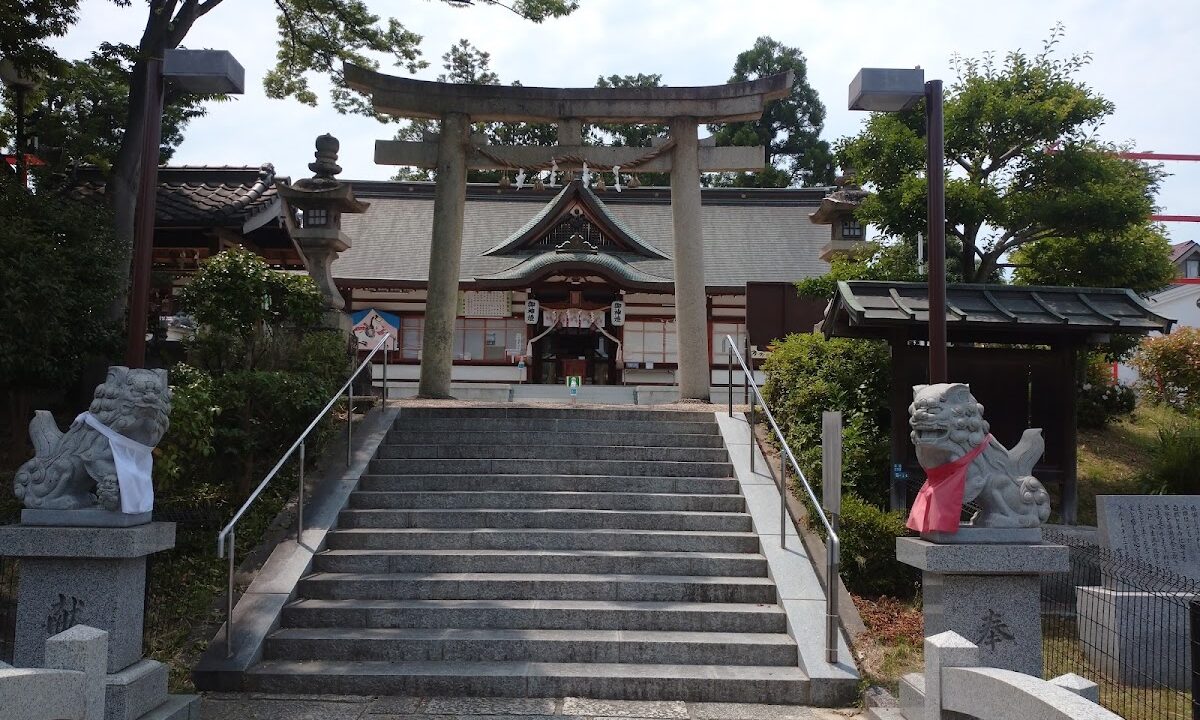
Hoshida Shrine (Katano City, Osaka Prefecture) Complete Guide | History, Deities, Access, and Goshuin Information
About Hoshida Shrine
Hoshida Shrine is a historic shrine located in Hoshida, Katano City, Osaka Prefecture. Formerly a village shrine, it has long been revered as the local guardian deity. Katano City is located in an area known as “Katanogahara,” a hunting ground for aristocrats during the Heian period, and is also known as the birthplace of the Tanabata legend.
The most distinctive feature of Hoshida Shrine is its dual history of worship: while the four Sumiyoshi deities are the main deities, it also worshipped Nigihayahi-no-Mikoto, the ancestral deity of the Katano Mononobe clan, even before that. Even today, it is affectionately known as “Hoshida-san” by local residents, and many worshippers visit for important life events such as New Year’s visits and Shichi-Go-San (a traditional rite of passage for children).
Deities Enshrined
The following deities are enshrined at Hoshida Shrine:
Main Deities (The Four Sumiyoshi Gods)
- Sokotsutsu-no-Mikoto
- Nakatsutsu-no-Mikoto
- Uwatsutsu-no-Mikoto
- Empress Jingu
These four Sumiyoshi gods are known as deities of maritime safety and protection of navigation, and the shrine enshrines the same deities as Sumiyoshi Taisha in Osaka. Empress Jingu is a legendary empress who is said to have received the protection of the three Sumiyoshi gods during her conquest of the Three Kingdoms of Korea.
Original Deities
According to shrine tradition, before the four Sumiyoshi gods were enshrined, there was a large cedar tree in this area, where Nigihayahi-no-Mikoto was enshrined as “Katano Daimyojin.” Nigihayahi-no-Mikoto is considered the ancestral deity of the Mononobe clan and is said to have descended to earth in a celestial rock boat before the descent of the heavenly grandchild. As the tutelary shrine of the Katano Mononobe clan, it has deep ties to this region.
History
Origin of Founding
The exact founding date of Hoshida Shrine is unknown, but shrine records and local traditions indicate a history dating back to ancient times.
Initially, it is believed to have been a shrine where the Katano Mononobe clan worshipped their ancestral deity, Nigihayahi-no-Mikoto. The Mononobe clan was a powerful clan in ancient Japan and held influence in the Katano region. It is thought that the origin lies in the worship of a large cedar tree as a sacred tree, and the enshrinement of Nigihayahi-no-Mikoto as “Katano Daimyojin” at that location.
Enshrinement of the Four Sumiyoshi Deities
Later, the four Sumiyoshi deities were enshrined. The exact timing is unknown, but it is presumed to be sometime after the medieval period. Sumiyoshi worship was very popular in the Osaka region and was widely worshipped as the god of maritime traffic and agriculture, so it is thought that the four Sumiyoshi deities were enshrined together with the development of the region.
Records confirm that the shrine already existed during the Muromachi period, making it an ancient shrine with a history of at least 500 years.
Modern Era
Under the Meiji era’s shrine ranking system, it was ranked as a village shrine and officially designated as the tutelary shrine of the Hoshida area. Even after the war, it continued to function as a center of the local community and continues to attract the faith of local residents to this day.
Highlights of the Shrine Grounds
Main Hall
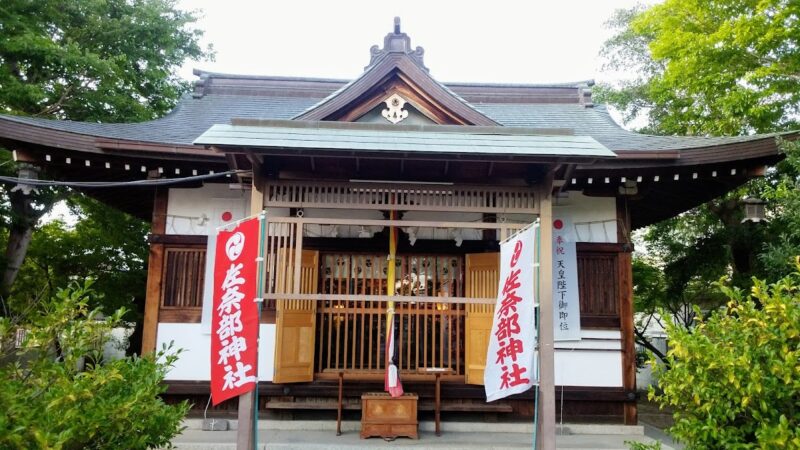
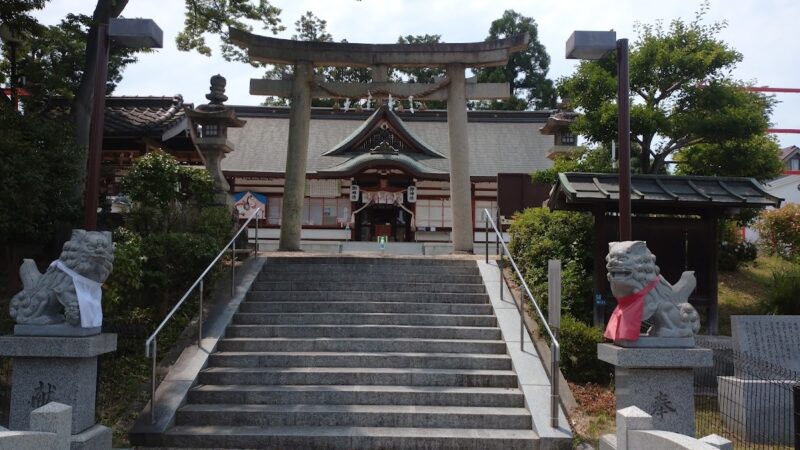
The main hall of Hoshida Shrine is built in the traditional shrine architectural style and enshrines the four Sumiyoshi deities. In front of the main hall is a worship hall where worshippers offer their prayers.
Subsidiary Shrines
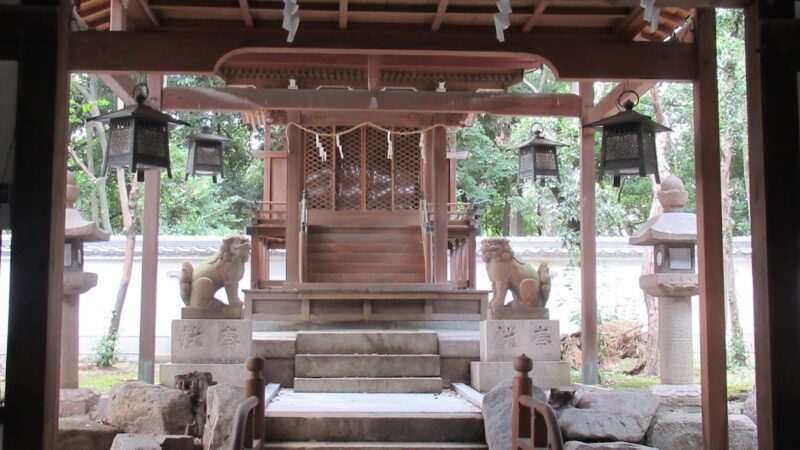
In addition to the main hall, there are several subsidiary shrines within the grounds, enshrining various deities. Their arrangement reflects the deep faith of the local community.
Sacred Trees and Nature
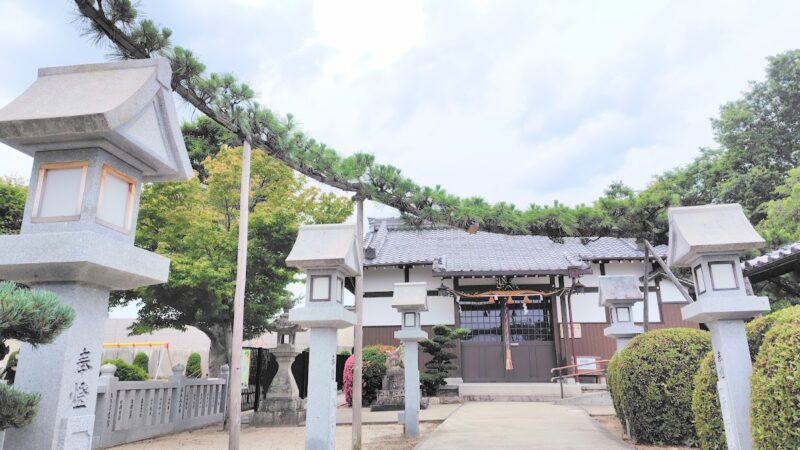
Hoshida Shrine has a legend that a large cedar tree once enshrined Nigihayahi-no-Mikoto. Even today, magnificent trees remain on the grounds, providing a valuable green space in the increasingly urbanized city of Katano. The shrine offers particularly beautiful scenery during the fresh greenery of spring and the vibrant autumn foliage.
Shrine Office and Gift Shop
The shrine grounds house a shrine office where you can receive Goshuin (shrine stamps) and register for various prayers. Amulets and votive tablets are also available, and many visitors purchase them as souvenirs of their visit.
Goshuin Information
Hoshida Shrine offers Goshuin. In recent years, they have also introduced an electronic Goshuin service, demonstrating their commitment to modern practices.
Goshuin Issuance Hours
Goshuin are usually available during the shrine office’s opening hours. However, this may not be possible during festivals or events, so it is recommended to check in advance if you wish to obtain one.
Electronic Goshuin
Hoshida Shrine also offers an electronic Goshuin system, which can be obtained through a smartphone app. Many people have already obtained electronic Goshuin, and this is gaining attention as a new form of worship.
Festivals and Annual Events
Hoshida Shrine holds various festivals and events throughout the year.
Main Annual Events
- New Year’s Day Festival: January 1st, a festival celebrating the New Year
- Setsubun Festival: Around February 3rd, events such as bean-throwing
- Spring Festival: The grand spring festival
- Summer Purification Ceremony: June 30th, a Shinto ritual to purify oneself of the impurities accumulated over the past six months
- Autumn Festival: The grand autumn festival, an important local event
- Shichi-Go-San Festival: November, celebrating the growth of children
- Year-End Purification Ceremony: December 31st, a Shinto ritual to purify oneself of the impurities accumulated over the year
Local festivals sometimes include the procession of portable shrines, and local residents come together to make the festivals lively and exciting.
Location
Address: 2-5-14 Hoshida, Katano City, Osaka Prefecture 576-0016
Hoshida Shrine is located in the Hoshida district of Katano City, an area that retains its old townscape. Surrounded by residential areas, it is a beloved central presence in the local community.
Access
Nearest Station/Line
Hoshida Station on the JR Gakken Toshi Line (Katano Line) is the nearest station.
- Approximately 20 minutes on foot from Hoshida Station
- Located east of Hoshida Station, past the residential area.
Nearest Bus Stop/Line
Keihan Bus and other bus services operate to the area, but the number of services and routes may vary depending on the season. It is recommended to check the latest information on the Katano City Community Bus or Keihan Bus official websites.
Access by Car
- Approximately 10 minutes from the Katano-Minami Interchange on the Daini Keihan Expressway
- Parking: There is parking space for visitors on the shrine grounds (spaces are limited, so using public transportation is recommended during busy periods such as New Year’s and festivals).
Checking Routes on Google Maps
Searching for “Hoshida Shrine Katano City” will show the exact location. You can also use your car’s navigation system by entering the address.
Nearby Attractions
Hoshida Myoken-gu Shrine (Komatsu Shrine)
When visiting Hoshida Shrine, you should definitely also visit the nearby Hoshida Myoken-gu Shrine. Located on the summit of Mt. Myoken (162m above sea level), it is known for the “Legend of Falling Stars” related to Kobo Daishi Kukai.
During the Kōnin era of the Heian period (810-823), a legend says that when Kōbō Daishi chanted the secret teachings of the Buddha-Eyed Mother Bodhisattva at Shishikutsu-ji Temple, the Big Dipper descended from the heavens and split into three parts, one of which is said to be this Hoshida Myōken-gū Shrine. It is also an important sacred site for Iwakura (rock) worship and is a popular power spot.
Katano-ga-hara and the Tanabata Legend
The area around Katano City was a hunting ground for nobles called “Katano-ga-hara” during the Heian period and is said to be the birthplace of the Japanese Tanabata legend. Many place names and shrines related to Tanabata and stars remain, such as the Milky Way and Hataori Shrine, making it a romantic historical stroll.
Manners and Precautions for Visiting a Shrine
Basic Worship Etiquette
- Bow before passing through the torii gate.
- Cleanse your hands and mouth at the water basin.
- Bow twice, clap twice, and bow once in front of the main hall.
- Make your wish quietly in your heart.
Photography
Photography is generally permitted on the shrine grounds, but there may be restrictions, such as inside the main hall or during Shinto rituals. Please observe proper etiquette when taking photos.
Attire
Casual attire is acceptable for visiting, but it is advisable to avoid overly casual or revealing clothing. For formal worship or prayers, somewhat formal attire is preferable.
The Charm of Hoshida Shrine
The greatest charm of Hoshida Shrine lies in its history of dual faith, which has continued since ancient times. Its history of continuously serving as the local tutelary deity, while evolving from Nigihayahi-no-Mikoto, the ancestral deity of the Mononobe clan, to the four Sumiyoshi deities, is a valuable example of the multi-layered nature of Japanese shrine faith.
In the rapidly urbanizing Osaka Prefecture, Hoshida Shrine, quietly nestled amidst the old townscape, is an important cultural heritage site that conveys the region’s history and traditions to the present day. While not a large-scale tourist shrine, it possesses a simple and warm atmosphere rooted in the local community, offering peace and tranquility to visitors.
The Katano Mononobe Clan and Nigihayahi-no-Mikoto
Understanding Hoshida Shrine requires understanding the relationship between the Katano Mononobe clan and Nigihayahi-no-Mikoto.
The Mononobe clan was a powerful ancient Japanese clan, responsible for military affairs and religious rituals. Their ancestral deity is considered to be Nigihayahi-no-Mikoto, an important god appearing in the *Nihon Shoki* and *Kojiki*. Nigihayahi-no-Mikoto is said to have descended to Kawachi Province (present-day eastern Osaka Prefecture) aboard the Ame-no-Iwafune (Heavenly Rock Boat), and the Katano region is one of the places associated with this legend.
The Katano Mononobe clan was a branch of the Mononobe clan based in this region, and they revered Nigihayahi-no-Mikoto as their tutelary deity. The tradition that Hoshida Shrine originally enshrined Nigihayahi-no-Mikoto as “Katano Daimyojin” reflects this historical background.
Best Time to Visit
Hoshida Shrine is open for visits throughout the year, but here are some particularly recommended times.
New Year’s Visit (January 1st-3rd)
Hoshida Shrine is bustling with many visitors during the New Year’s visit, where people pray for happiness in the new year. The warm atmosphere, with local families visiting, is a major draw.
Autumn Festival
The Autumn Festival is an important event at Hoshida Shrine, a community-wide celebration. It’s a valuable opportunity to witness traditional Shinto rituals.
Shichi-Go-San (November)
Many families visit Hoshida Shrine, the local guardian shrine, for Shichi-Go-San, a celebration of their children’s growth.
Quiet Weekday Visits
For those who want to avoid crowds and visit at a leisurely pace, weekday mornings are recommended. In the tranquil atmosphere of the shrine grounds, you can pray with a calm heart.
Summary
Hoshida Shrine is a historic shrine located in Katano City, Osaka Prefecture. While its main deities are the four Sumiyoshi gods, it also has a multi-layered history of faith, having worshipped Nigihayahi-no-Mikoto, the ancestral deity of the Katano Mononobe clan, in ancient times.
As a former village shrine, it has served as the local guardian deity and is a warm and welcoming shrine that has accompanied local residents through important life events, from New Year’s visits to Shichi-Go-San (a traditional rite of passage for children). It is about a 20-minute walk from JR Hoshida Station and is also accessible by car. Goshuin (shrine stamps) are available.
Visiting Hoshida Shrine in conjunction with the nearby Hoshida Myoken-gu Shrine and the Tanabata legend of Katanogahara will provide a valuable experience of experiencing the ancient stories of stars and gods. When you visit Katano City, be sure to stop by Hoshida Shrine.