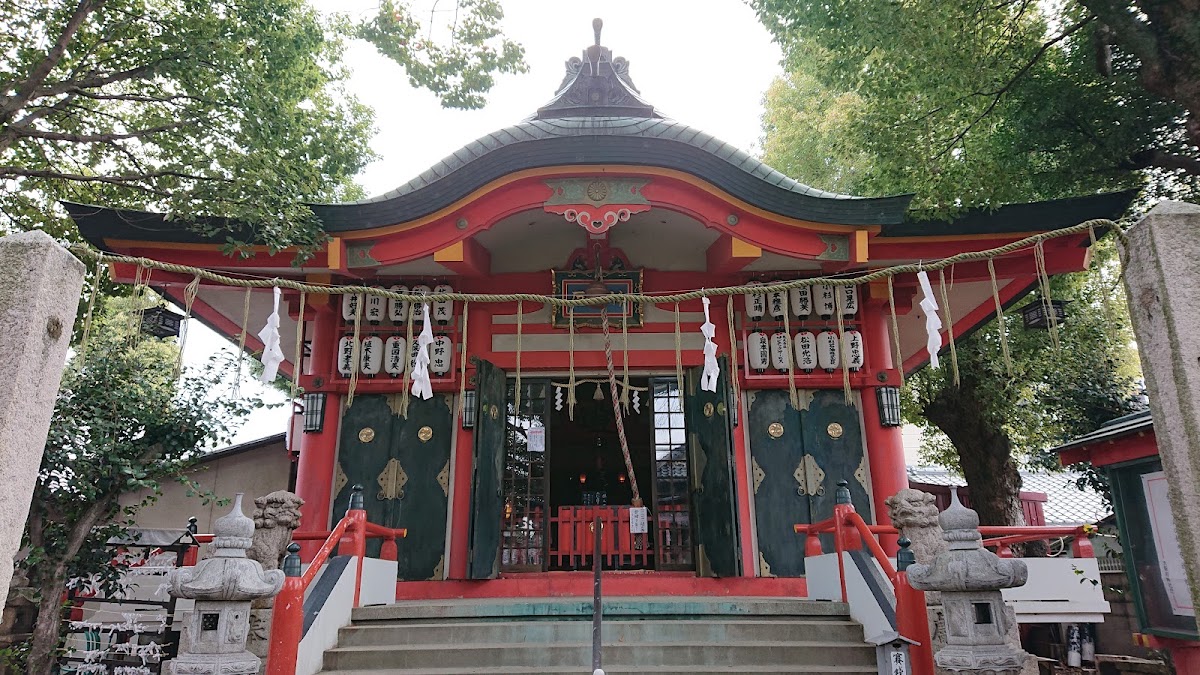
Complete Guide to Gadō Hachimangu Shrine (Matsubara City, Osaka Prefecture) | A Historic Shrine Famous for Warding Off Evil
Located in Amami-Gadō, Matsubara City, Osaka Prefecture, Gadō Hachimangu Shrine is a beloved local shrine known as “Yakuyoke-gu” (Evil-Repelling Shrine) or “Yakuyoke-san” (Evil-Repelling Sanctuary). Despite being situated in a quiet residential area, it attracts many worshippers seeking protection from evil. This article provides a detailed explanation of Gadō Hachimangu Shrine’s history, enshrined deities, highlights, access information, and other essential information before your visit.
Basic Information on Gadō Hachimangu Shrine
Shrine Overview
Name: Gadō Hachimangu Shrine
Location: 4-11-20, Amami Gadō, Matsubara City, Osaka Prefecture 580-0026
Phone Number: 072-335-3334
Former Shrine Rank: Village Shrine
Main Deity: Hondawake-no-Mikoto
Gadō Hachimangu Shrine is located in the Matsubara City area in southern Osaka Prefecture, nestled in a quiet residential area south of the Nishijogawa River. While still widely worshipped under the name “Gadō Hachimangu Shrine,” historically it has been recorded under various names such as “Jūgosha Myōjin,” “Hachiman Shrine,” and “Ubusuna Shrine.”
History and Origins of Wagado Hachimangu Shrine
Circumstances of Founding
The exact founding date of Wagado Hachimangu Shrine is unclear, but it is believed to have been established in 1680 (Enpo 8) by inviting a divided spirit from Mozu Hachimangu Shrine in Sakai City. Mozu Hachimangu Shrine is a historical shrine located in Sakai City, Osaka Prefecture, and Wagado Hachimangu Shrine was built to spread its divine virtues throughout the region.
The “Wagado Village Land Survey Map,” created in 1680 (Enpo 8), shows a torii gate mark at the current shrine location, but the shrine’s name is not explicitly stated. This suggests that either the official shrine name had not yet been established at the time, or that it existed as a small local shrine.
Wagado Hachimangu Shrine in Historical Documents
The existence of Wagado Hachimangu Shrine clearly appears in historical documents from the mid-Edo period onward.
Enkyo 1 (1744): Recorded as “Jūgosha Myōjin” in the “Ryōgadō Village Detailed Account Book.” This name suggests that multiple deities were enshrined together, indicating that it functioned as a center of local faith.
Kyōwa 2 (1802): Recorded as “Ujigami Jūgosha-shin” in the “Higashigadō Village Detailed Account Book,” indicating that it was revered as the tutelary deity of the region.
Changes in the Modern Era
With the arrival of the Meiji era, the shrine’s name was changed. In the early Meiji period, it became known as “Hachiman Shrine,” a name that clearly indicated the enshrined deity, Hachiman no Mikoto (Emperor Ōjin).
Later, in Taisho 2 (1913), it was renamed “Ubusuna Shrine.” Ubusuna-shin refers to the guardian deity of the land, the deity who protects the land where one was born, emphasizing its character as the tutelary deity of the local residents.
However, it is now widely known again as “Wagado Hachimangu Shrine” and is beloved by the local people. This name combines the place name “Wagado” with “Hachimangu,” indicating the nature of the enshrined deity, reflecting its deep roots in the community.
Enshrined Deity and Benefits
Hondawake-no-Mikoto
The principal deity of Wagado Hachimangu Shrine is Hondawake-no-Mikoto. Hondawake-no-Mikoto is the divine name of Emperor Ojin, the 15th emperor, and is worshipped as Hachiman-sama at Hachimangu shrines throughout Japan.
Emperor Ojin is known as an emperor who greatly contributed to the development of ancient Japan and has been revered as a god of military fortune, national protection, and industrial development. He is also often enshrined together with his mother, Empress Jingu, and is worshipped as a god of safe childbirth and child-rearing.
Protection from Misfortune
Gado Hachimangu Shrine is particularly famous as a “shrine for warding off misfortune,” and has attracted many worshippers since ancient times for its perceived protection from evil. Besides men and women entering their unlucky years (yakudoshi), it is a beloved place for local residents to pray for protection from misfortune and peace in their daily lives.
Protection from misfortune refers to praying to the gods to be spared misfortune and disaster during the “unlucky years” that are considered significant turning points in life. For men, the unlucky years are 25, 42, and 61, and for women, 19, 33, and 37. The years 42 for men and 33 for women are considered particularly important as “major unlucky years.”
Other Benefits
In addition to protection from misfortune, Gado Hachimangu Shrine is said to offer the following benefits:
- Family Safety: To protect the health and peace of all family members
- Business Prosperity: To pray for the success and prosperity of one’s business
- Traffic Safety: To pray for safe daily travel
- Academic Success: To pray for academic improvement and passing exams
- Healthy Longevity: To pray for recovery from illness and long life
Highlights of the Shrine Grounds
Atmosphere of the Shrine and Grounds
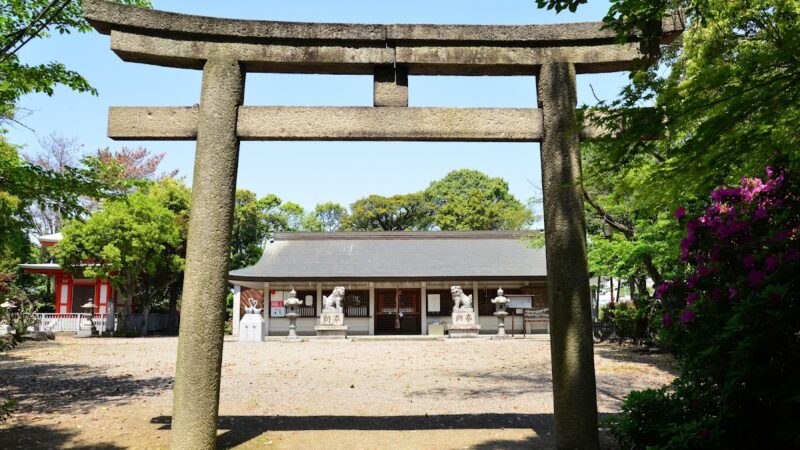
Although Wado Hachimangu Shrine is located in a residential area, stepping onto the grounds reveals a sacred space imbued with a tranquil atmosphere. While not large in scale, the meticulously maintained grounds reflect the deep faith of the local people.
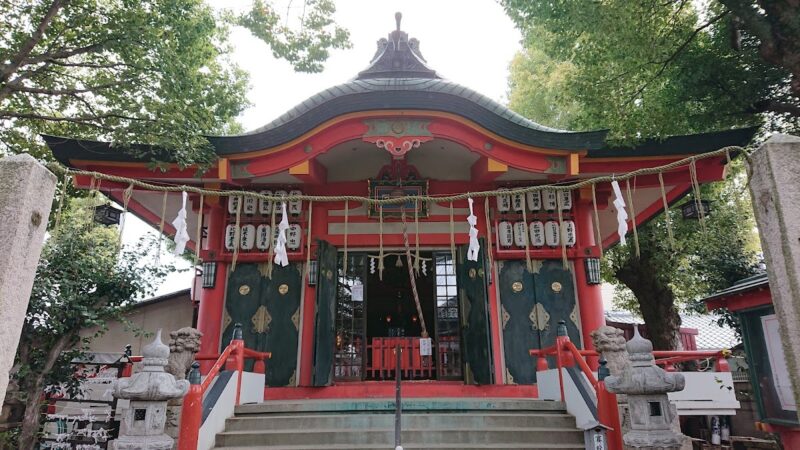
The main hall is built in the traditional shrine architectural style, possessing a simple yet dignified presence. Worshippers pray at the worship hall following the custom of two bows, two claps, and one bow, conveying their daily gratitude and wishes to the gods.
Torii Gate and Approach
A torii gate stands at the entrance of the shrine, separating the secular world from the sacred realm. Passing through the torii gate, a short approach leads to the shrine building. While walking along the approach, it is important to compose oneself and proceed with respect for the deities.
Water Basin
Before praying, purify your body and mind at the water basin. The proper procedure for water purification is as follows:
- Hold the ladle in your right hand and purify your left hand.
- Switch the ladle to your left hand and purify your right hand.
- Switch the ladle back to your right hand, receive water in your left hand, and rinse your mouth.
- Purify your left hand again.
- Hold the ladle upright, let water flow over the handle, and return it to its original position.
Performing this series of actions with one ladleful of water is the formal method.
Annual Events and Festivals
At Wado Hachimangu Shrine, various Shinto rituals and festivals are held throughout the year. As a local shrine, we carefully preserve seasonal traditional events.
Main Annual Events
Hatsumode (January 1st-3rd): The shrine is bustling with worshippers praying for happiness in the new year and safety throughout the year. Many prayers for protection against evil are also offered.
Setsubun Festival (around February 3rd): A traditional event where beans are scattered to ward off evil spirits and invite good fortune.
Spring Grand Festival: Celebrating the arrival of spring and praying for a bountiful harvest and the prosperity of the community.
Summer Purification Ceremony (June 30th): Purifying the impurities accumulated over the past six months and praying for good health for the remaining half of the year.
Autumn Grand Festival: An important festival expressing gratitude for the harvest and for the blessings of the gods.
Shichi-Go-San (around November 15th): Celebrating the growth of children and praying for their healthy development. Year-End Purification Ceremony (December 31st): This ceremony purifies the impurities of the past year, preparing to welcome the new year with a pure heart.
Access Information
Access by Train
Gado Hachimangu Shrine can be accessed using public transportation.
From Kintetsu Minami-Osaka Line “Kawachi-Amami Station”:
Approximately 20 minutes on foot (approx. 1 km)
Exit the station and head west, passing through a residential area to reach the shrine.
From Osaka Metro Midosuji Line “Kita-Hanada Station”:
Approximately 15 minutes on foot (approx. 1 km)
Head southwest from the station.
While both stations are within walking distance, first-time visitors are advised to use a map app.
Access by Car
If traveling by car, the nearest interchanges are the Hanshin Expressway Route 14 Matsubara Line “Miyake Interchange” or “Matsubara Interchange”. It takes about 10 minutes to arrive from the interchange.
Parking: Due to the size and location of the shrine, it is recommended to inquire with the shrine in advance about the availability of a dedicated parking lot (TEL: 072-335-3334).
Nearby Tourist Attractions
There are other attractions in the Matsubara City area. When visiting Gado Hachimangu Shrine, why not also visit some of the nearby tourist spots?
- Nunoshin Shrine: A representative shrine of Matsubara City, known for its blessings for successful relationships.
- Matsubara City Cultural Center: Cultural events and exhibitions are held here.
- Osaka Prefectural Large Children’s Center Big Bang: A popular facility for families (located in the neighboring city of Sakai).
Manners and Precautions for Visiting a Shrine
Basic Etiquette for Visiting a Shrine
There are basic manners to observe when visiting a shrine. When visiting Gado Hachimangu Shrine, please observe the following manners.
- Bow before the torii gate: This is a courtesy when entering the sacred area.
- Walk along the edge of the path: The center is considered the path of the gods.
- Purify yourself at the water basin: Cleanse your mind and body before praying.
- Two bows, two claps, one bow: This is the basic way to pray in front of the main hall.
- Bow again at the torii gate when leaving: This expresses gratitude to the gods.
Regarding attire
For regular visits, no special attire is required, but please dress neatly. For formal prayers, such as those for warding off evil, formal attire is recommended.
Photography etiquette
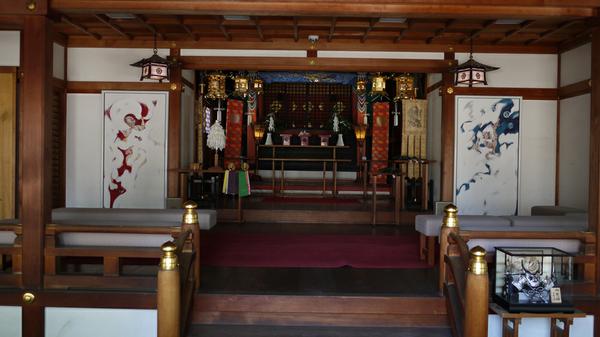
Photography is generally permitted on the shrine grounds, but it is considered good manners to refrain from taking pictures inside the main hall or during Shinto rituals. Please check with the shrine staff if you have any questions.
About Prayers for Protection Against Misfortune
How to Receive Prayers for Protection Against Misfortune
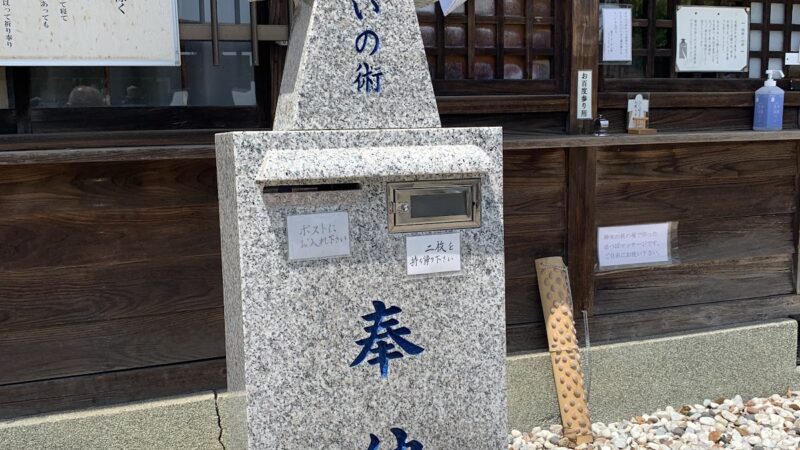
To receive prayers for protection against misfortune at Wado Hachimangu Shrine, please apply at the shrine office. The prayer fee (offering) generally starts from 5,000 yen, but please contact the shrine directly for details.
During the prayer, the Shinto priest will recite a prayer for protection against misfortune and for good fortune for the worshipper. After the prayer, a talisman or amulet will be given.
Chart of Years of Misfortune
The years of misfortune for 2024 (Reiwa 6) are as follows (by traditional Japanese age counting).
Men’s Unlucky Years:
- Pre-unlucky Years: 24, 41, 60
- Main Unlucky Years: 25, 42 (Major Unlucky Year), 61
- Post-unlucky Years: 26, 43, 62
Women’s Unlucky Years:
- Pre-unlucky Years: 18, 32, 36, 60
- Main Unlucky Years: 19, 33 (Major Unlucky Year), 37, 61
- Post-unlucky Years: 20, 34, 38, 62
Unlucky years are calculated using the traditional Japanese age system (counting the year of birth as 1 year old, and adding 1 year on New Year’s Day).
About Matsubara City and the Gado Area
Overview of Matsubara City
Matsubara City is a city with a population of approximately 120,000 located in the southern part of Osaka Prefecture. It is adjacent to Osaka City and has developed as a commuter town. Historically part of Kawachi Province, this area was a thriving agricultural region, but today it is characterized by residential areas and commercial facilities.
History of the Gadō Area
The place name Gadō has been used since ancient times, recorded as “Higashi-Gadō” and “Nishi-Gadō.” The current place name, Amami-Gadō, inherits this historical name.
During the Edo period, it developed as an agricultural area, and Gadō Hachiman Shrine was revered by residents as the local guardian deity. Although it is now a residential area, the shrine remains a valuable presence that conveys the history of the region.
Goshuin (Shrine Seals) and Amulets
About Goshuin (Shrine Seals)
Gadō Hachiman Shrine offers Goshuin. Goshuin serve as proof of worship and as a tangible record of your connection with the shrine. Please inquire at the shrine office to receive a Goshuin.
If you do not have a Goshuincho (Shrine Seal Book), you may be able to receive a pre-printed Goshuin. The fee for a Goshuin (temple/shrine stamp) is generally around 300 to 500 yen.
Amulets and Souvenirs
Gado Hachimangu Shrine offers a variety of amulets, including those for warding off evil.
- Evil-Repelling Amulet: An amulet that offers protection against evil.
- Traffic Safety Amulet: Protects the safety of cars and bicycles.
- Academic Success Amulet: For students wishing for academic success.
- Health Amulet: For recovery from illness and for wishing for longevity and good health.
- Family Safety Amulet: Protects the safety of all family members.
Amulets should be worn at all times or placed on a household altar. It is common practice to return them to the shrine after about a year and receive a new one.
Connection with the Community
Gado Hachimangu Shrine is not merely a tourist spot; it is a shrine deeply rooted in the lives of local residents. People from the community have visited the shrine at various milestones in their lives, such as first shrine visits for newborns, Shichi-Go-San (a traditional rite of passage for children), exorcisms, and weddings, offering gratitude and prayers to the gods.
During local festivals, parishioners and residents cooperate to perform Shinto rituals, creating a space for intergenerational exchange. This role as a central hub for the local community is another important aspect of Gado Hachimangu Shrine.
Summary: The Charm of Gado Hachimangu Shrine
Gado Hachimangu Shrine is a famous shrine in Matsubara City, Osaka Prefecture, known for its protection against misfortune. Founded in 1680 (Enpo 8) with a divided spirit from Mozu Hachimangu Shrine, it has attracted the faith of local people for over 340 years.
Known as a “shrine for warding off misfortune,” it attracts people facing their unlucky years to pray for protection, as well as a constant stream of worshippers seeking various blessings such as family safety, business prosperity, and traffic safety. Despite being located in a residential area, the shrine grounds are enveloped in a tranquil atmosphere, making it a peaceful place to worship.
It is easily accessible, approximately a 20-minute walk from Kawachi-Amami Station on the Kintetsu Minami-Osaka Line and approximately a 15-minute walk from Kitahanada Station on the Osaka Metro Midosuji Line. For those seeking protection from misfortune in Osaka Prefecture, or those wishing to visit a historical local shrine, please consider visiting Gado Hachimangu Shrine.
When visiting, it is important to observe basic manners and show respect to the deities. Why not compose yourself in the tranquil grounds and convey your daily gratitude and wishes to the gods?
Contact Information:
Gado Hachimangu Shrine
4-11-20 Amami Gado, Matsubara City, Osaka Prefecture 580-0026
TEL: 072-335-3334
When visiting the southern area of Osaka Prefecture, please consider adding a visit to Gado Hachimangu Shrine to your itinerary. A warm, community-rooted atmosphere and the blessings of protection from misfortune await you.