Complete Guide to Konku Shrine (Tondabayashi City, Osaka Prefecture) | History, Deities, Goshuin (Shrine Seal), and Access Information
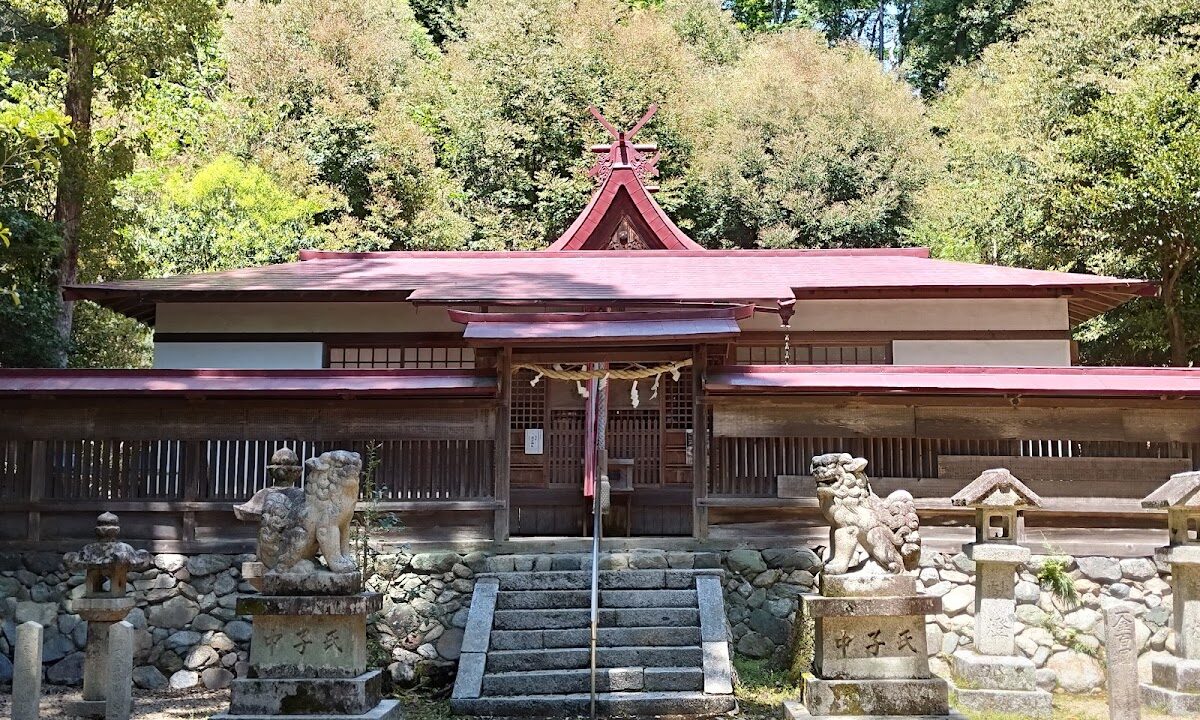
Konku Shrine (commonly known as Kanku Jinja) is a Shikinaisha (a shrine listed in the Engishiki, an ancient Japanese legal code) located in Ryusen, Tondabayashi City, Osaka Prefecture. Situated on the northern side of Ryusenji Temple on the mountainside of Mt. Takeyama (Ryusenji-yama), it is a historically significant shrine dedicated to Prince Kamiyaimimi-no-Mikoto, a son of Emperor Jimmu. Until the Edo period, it functioned as the guardian shrine of Ryusenji Temple, and after the separation of Shinto and Buddhism in the Meiji era, it gained independence. This article provides a detailed explanation of Konku Shrine’s history, deities, highlights of the grounds, goshuin information, and access methods.
Basic Information on Kanko Shrine
Location: 886 Ryusen, Tondabayashi City, Osaka Prefecture
Shrine Rank: Shikinaisha (listed in the Engishiki Jinmyocho), Former Village Shrine
Main Deities: Kanyaimimi-no-mikoto, Amenofutodama-no-mikoto
Annual Festival: October 17th
Main Hall Style: Kasuga-zukuri
Inquiries: 0721-23-3007 (Migukuru Mitama Shrine)
Kanko Shrine is an ancient shrine listed in the Engishiki Jinmyocho and has a long history as a Shikinaisha belonging to Ishikawa District, Kawachi Province. Currently, it is managed by Migukuru Mitama Shrine, and its Goshuin (shrine seal) is also issued at Migukuru Mitama Shrine.
History and Origins of Kanko Shrine
Founding and Ancient History
There are various theories regarding the founding date of Kanko Shrine, but according to the temple records of the adjacent Ryusenji Temple, it was founded in January of the 14th year of the Konin era (823). There is also a tradition that it was founded by descendants of Kamiyaimimi-no-Mikoto, a son of Emperor Jimmu, suggesting that it was an important place of worship in this region since ancient times.
Kamiyaimimi-no-Mikoto is a deity who holds an important position in Japanese mythology and is considered the ancestral deity of the Ouji clan. The establishment of a shrine dedicated to Kamiyaimimi-no-Mikoto in this region is thought to be related to the power and beliefs of ancient powerful clans.
Relationship with Ryusenji Temple
An essential aspect of discussing Kanko Shrine is its deep relationship with the adjacent Gozusan Ryusenji Temple. Ryūsenji Temple is an ancient temple said to have been founded by Soga no Umako during the Asuka period, and Kanko Shrine functioned as the guardian shrine of Ryūsenji Temple until the Edo period.
Before the early modern period, the shrine was called “Gozu Tennō Shrine” and enshrined Gozu Tennō as its deity. Gozu Tennō is a symbolic figure of the syncretism of Buddhism and Shinto, and was widely worshipped as a god who wards off epidemics. By being enshrined within the grounds of Ryūsenji Temple, it played a role in protecting the temple.
Description from the Ryūsenji Temple Chronicle
The Ryūsenji Temple Chronicle contains important records concerning Kanko Shrine. In addition to the founding record from the 14th year of the Kōnin era (823 AD), it details the history of its development in conjunction with Ryūsenji Temple.
Ryūsenji Temple flourished as a Shingon Buddhist temple and attracted many worshippers from the medieval to the early modern period. The guardian shrine of the temple, Kanko Shrine, also attracted worshippers alongside the temple’s prosperity. The Ryusenji Temple Chronicle is a valuable historical document that conveys the state of Shinto-Buddhist syncretism at that time.
Separation of Shinto and Buddhism in the Meiji Era and Designation as a Shikinaisha Shrine
A major turning point in the history of Kanko Shrine was the Meiji era’s policy of separating Shinto and Buddhism. Following the Meiji Restoration’s decree separating Shinto and Buddhism, the Gozu Tenno Shrine, which had been the guardian shrine of Ryusenji Temple, was forced to become independent.
At this time, the shrine was identified as the Shikinaisha “Kanko Shrine” listed in the Engishiki Jinmyocho (a list of shrines compiled in the Heian period), and its name was changed to “Kanko Shrine.” This is a very unusual development, resulting in a unique history where a shrine that originally enshrined Gozu Tenno was recognized as an ancient Shikinaisha shrine.
This designation as a Shikinaisha shrine greatly elevated the shrine’s status, establishing its position as a center of faith in the region.
Merger of Kankosabi Shrine
During the Meiji era, the nearby Kankosabi Shrine was merged with Kanko Shrine. This established the current form of Kanko Shrine. Kankosabi Shrine is also an ancient shrine listed in the Engishiki (ancient Japanese legal code), and its merger was part of the consolidation of shrines in the region.
Through this merger, the beliefs of multiple shrines were unified, establishing the current composition of deities enshrined at Kanko Shrine. This historical process holds significant importance as an example of the Meiji-era shrine reorganization policy.
About the Enshrined Deities
Main Deity: Kanyaimimi-no-Mikoto
Kamiyaimimi-no-Mikoto, the main deity of Kanko Shrine, was the second son of Emperor Jimmu, the first emperor of Japan. He is an important deity appearing in the Kojiki and Nihon Shoki (ancient Japanese chronicles), and is considered the ancestral deity of the Ouji clan.
Kamiyaimimi-no-Mikoto is said to have abdicated the throne to his elder brother, Kamununakawamimi-no-Mikoto (later Emperor Suizei), and assumed the role of presiding over religious ceremonies. Therefore, he has been revered as the ancestral deity of clans involved in Shinto rituals and ceremonies.
The Ta clan was a powerful ancient clan, holding influence throughout the Kinai region, including Kawachi Province. It is believed that the Ta clan’s influence played a role in the founding of the Kanko Shrine in this area.
Ame-no-Futodama-no-Mikoto
The other principal deity, Ame-no-Futodama-no-Mikoto, is an important god appearing in the Amano-Iwato myth. Known as the god who performed rituals when Amaterasu-Omikami hid in the Amano-Iwato cave, he is considered the ancestral deity of the Imbe clan.
Amenotama-no-Mikoto is a deity who presides over Shinto rituals and ceremonies, and his enshrinement alongside Kamiyaimimi-no-Mikoto strongly demonstrates the ritualistic nature of Kanko Shrine. Since both deities are involved in rituals, it can be inferred that the shrine has been considered an important place of worship since ancient times.
Highlights of the Shrine Grounds
Main Hall and Shrine Architecture
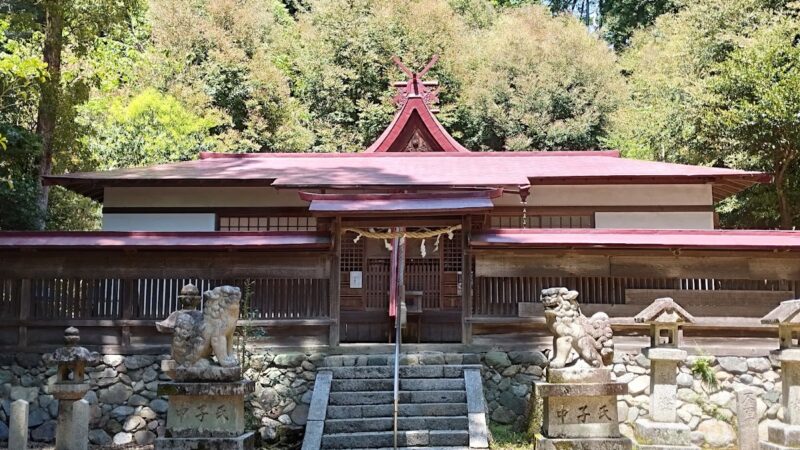
The main hall of Kanko Shrine is built in the Kasuga-zukuri architectural style. Kasuga-zukuri is a style of shrine architecture exemplified by Kasuga Taisha in Nara, characterized by a gabled roof and a portico at the front.
The main hall is located on the mountainside on the north side of the Ryusenji Temple grounds, surrounded by abundant nature. The shrine, standing in a tranquil atmosphere, evokes a sense of ancient dignity in visitors.
Shared Grounds with Ryusenji Temple
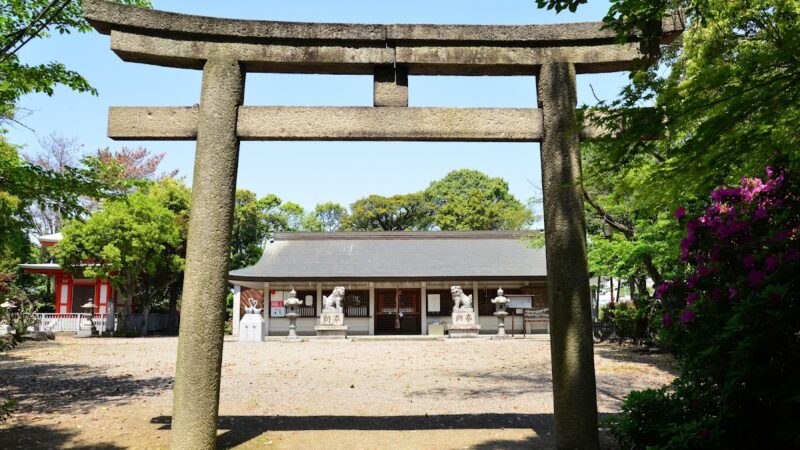
Kango Shrine shares its grounds with Ryusenji Temple. After visiting Ryusenji Temple, you reach Kango Shrine by continuing further into the grounds. This arrangement reflects its history as the guardian shrine of Ryusenji Temple.
Ryusenji Temple itself is a historic temple with many points of interest, possessing the charm of a Buddhist temple, including its main hall and gardens. The landscape, where the shrine and temple are adjacent, is a valuable place to experience the history of Shinto-Buddhist syncretism.
Natural Environment and Approach
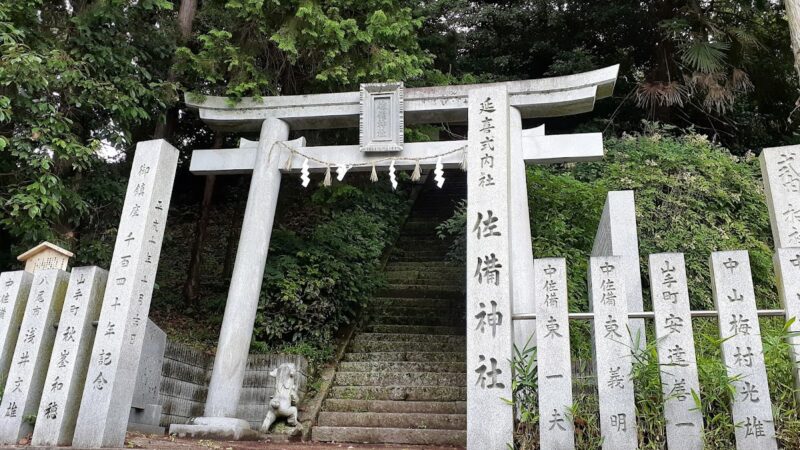
Located on the slopes of Mt. Takeyama (Ryusenji Mountain), Kango Shrine is surrounded by abundant nature. The approach to the shrine is enveloped in greenery, allowing visitors to enjoy the changing seasons.
Especially during the autumn foliage season, the surrounding mountains are ablaze with color, creating a beautiful landscape. As a quiet mountain shrine, it offers a pilgrimage experience away from the hustle and bustle of the city.
Goshuin (Shrine Seal) Information
Goshuin for Kanko Shrine are not issued at the shrine itself. You can obtain the Kanko Shrine goshuin at Migukurumitama Shrine.
Goshuin Issuance Location: Migukurumitama Shrine
Address: 3-6-14 Miyacho, Tondabayashi City, Osaka Prefecture
Phone: 0721-23-3007
Migukurumitama Shrine is conveniently located within walking distance of Tondabayashi Station on the Kintetsu Nagano Line. The typical pilgrimage route involves visiting Kanko Shrine first, then Migukurumitama Shrine to obtain the goshuin.
The goshuin features the calligraphy of “Kanko Shrine” and the shrine’s seal, reflecting its status as a Shikinaisha (a shrine listed in the Engishiki, an ancient Japanese legal text). Bringing your goshuincho (stamp book) is recommended.
Access Information
Access by Public Transportation
Nearest Station: Kintetsu Nagano Line “Tondabayashi Station” or “Shionomiya Station”
Access from Tondabayashi Station
- Get off at Kintetsu Nagano Line “Tondabayashi Station”
- Take the Kongo Bus Tojo Line
- Get off at the “Ryusen” bus stop
- Approximately 15 minutes on foot from the bus stop
Access from Shionomiya Station
While it is possible to access the site on foot from Shionomiya Station, it is more convenient to take the bus as you will need to climb halfway up Mt. Ryusenji.
Access by Car
Route from Major Roads:
- Via Prefectural Road 202 from National Route 170 (Outer Ring Road)
- Enter “Ryusenji” or “886 Ryusen, Tondabayashi City” into your car navigation system.
Parking: Parking is available at Ryusenji Temple (spaces are limited, so be aware of congestion).
Notes on Access
Kanko Shrine is located on the mountainside, so the approach has slopes and stairs. Comfortable shoes are recommended. Also, since access is via Ryusenji Temple, please be mindful of Ryusenji Temple’s visiting hours.
Nearby Attractions
Ryusenji Temple
Ryusenji Temple, which shares grounds with Kanko Shrine, is an ancient temple founded during the Asuka period. With its main hall, gardens, and many other attractions, it’s a place worth visiting in conjunction with the shrine. As a Shingon Buddhist temple, it boasts a long history and numerous cultural assets.
Mikukuru Mitama Shrine
Mikukuru Mitama Shrine, which also serves as a place to receive Goshuin (shrine stamps), is a Shikinaisha (shrine listed in the Engishiki Jinmyocho, an ancient Japanese legal code). Located in the city center of Tondabayashi, it is easily accessible. We recommend visiting this shrine as well when visiting Kanko Shrine.
Tondabayashi Jinai-cho
Tondabayashi City is home to “Tondabayashi Jinai-cho,” a townscape that retains its Edo-period streetscape. Designated as an Important Preservation District for Groups of Traditional Buildings, it offers a chance to stroll through a historical streetscape. Visiting Kanko Shrine in conjunction with exploring Tondabayashi’s history and culture is a great way to enjoy the area.
Points and Manners for Visiting
Visiting Etiquette
Visiting Kanko Shrine follows the general etiquette for visiting shrines.
- Bow before passing through the torii gate.
- Walk along the approach to the shrine, avoiding the center.
- Cleanse your hands and mouth at the purification fountain.
- Bow twice, clap twice, and bow once in front of the main hall.
Best Time to Visit
While Kanko Shrine is open for worship throughout the year, the following times are particularly recommended:
- Spring (March-May): Beautiful fresh greenery and mild weather.
- Autumn (October-November): Stunning autumn foliage and the annual festival (October 17th) are held.
- Annual Festival Day (October 17th): A rare opportunity to witness the annual festival.
Photography
Photography is generally permitted within the shrine grounds, but there are areas where photography is prohibited, such as inside the main hall. When taking photographs, please be considerate of your surroundings and avoid disrupting the peaceful atmosphere of worship.
Cultural Value of Kanko Shrine
Importance as a Shikinaisha Shrine
Kanko Shrine is a Shikinaisha shrine listed in the Engishiki Jinmyocho (a list of shrines compiled in the Heian period), and was recognized by the imperial court as early as the Heian period. As a Shikinaisha shrine in Ishikawa District, Kawachi Province, it indicates that it was a center of ancient faith in this region.
There are said to be approximately 3,000 Shikinaisha shrines throughout Japan, but many have lost their whereabouts or whose identification is debated over the course of a long history. Kanko Shrine has a unique history, having been identified as a Shikinaisha shrine during the Meiji era, but it is now recognized as such, and its historical value is appreciated.
A Place that Conveys the History of Shinto-Buddhist Syncretism
Kanko Shrine is a valuable place that conveys an example of Shinto-Buddhist syncretism in the history of Japanese religion. Its history as a shrine dedicated to Gozu Tenno and serving as the guardian shrine of Ryusenji Temple demonstrates the reality of Shinto-Buddhist syncretism in Japan before the Edo period.
Although it became independent due to the separation of Shinto and Buddhism during the Meiji era, it still shares its grounds with Ryusenji Temple and stands adjacent to it. This arrangement is a valuable example that allows us to visually understand the remnants of the syncretism of Shinto and Buddhism.
Center of Local Faith
Kanko Shrine has been cherished by local residents as the center of faith in the Ryusen district of Tondabayashi City. Annual events, including the festival, also play a role in strengthening the bonds of the local community.
Even today, it is carefully preserved by local people, who carry out cleaning and maintenance. Even in today’s increasingly urbanized world, it plays an important role as a place that preserves the history and traditions of the region.
Summary
Kanko Shrine is a Shikinaisha (a shrine listed in the Engishiki, an ancient Japanese legal text) located in Tondabayashi City, Osaka Prefecture. It is a historically significant shrine that enshrines Prince Kamiyaimimi-no-Mikoto, son of Emperor Jimmu, as its main deity. It has a unique history, beginning as the guardian shrine of Ryusenji Temple, becoming independent after the separation of Shinto and Buddhism during the Meiji era, and being designated as a Shikinaisha.
Nestled in a tranquil setting on the slopes of Mt. Takeyama, the shrine grounds are surrounded by abundant nature, allowing visitors to feel the spirit of ancient faith. The shared grounds with Ryusenji Temple create a valuable landscape that conveys the history of syncretism between Shinto and Buddhism.
Goshuin (shrine stamps) are available at Migukuru Mitama Shrine, making it an important shrine for those visiting shrines listed in the Engishiki (ancient Japanese legal code). Please visit Kanko Shrine to experience the history and culture of Tondabayashi.
While access by public transportation is somewhat inconvenient, it offers a serene and peaceful worship experience. Visiting the nearby Ryusenji Temple and Tondabayashi Jinaimachi (temple town) in conjunction with your visit will allow you to enjoy a more fulfilling historical exploration.