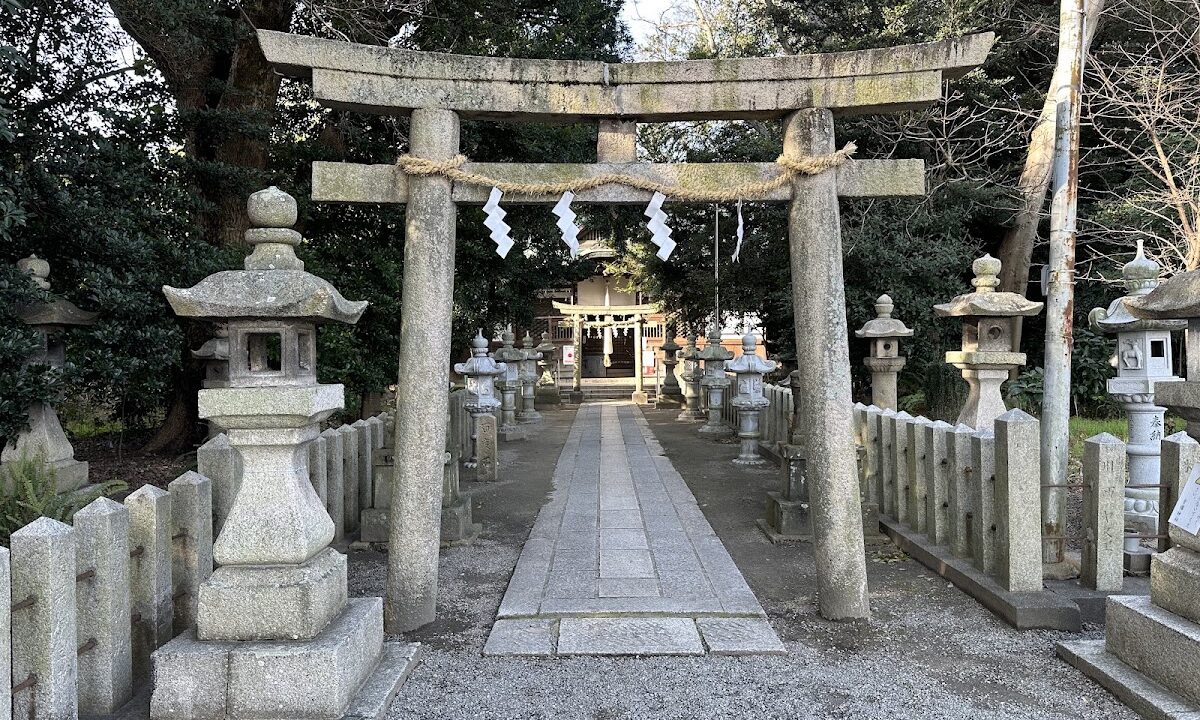
Complete Guide to Sone Shrine (Izumiotsu City, Osaka Prefecture) | History, Deities, Goshuin (Shrine Seal), and Access Information
Sone Shrine, located in Izumiotsu City, Osaka Prefecture, is the oldest shrine in Izumiotsu City, said to have been founded in 675 AD (the 4th year of Emperor Tenmu’s reign). As a shrine listed in the Engishiki Jinmyocho (a list of shrines compiled in the Heian period), it has flourished as an important place of worship in Izumi Province since ancient times. It is believed to have originated with the Sone clan, a branch of the Mononobe clan, who enshrined their ancestral deity. Its location adjacent to the Ikegami-Sone Ruins, a large-scale moated settlement from the middle of the Yayoi period, further highlights the deep history of this area.
This article comprehensively introduces information you should know before visiting Sone Shrine, including its history, enshrined deities, highlights of the grounds, goshuin information, and access methods.
Basic Information about Sone Shrine
Location and Access
Location
1-4-12 Sone-cho, Izumiotsu City, Osaka Prefecture 595-0011
Phone Number
0725-21-8282
Access
- Approximately 12 minutes on foot (approx. 1 km) southeast from Matsunohama Station on the Nankai Main Line
- Approximately 14 minutes on foot from Shinodayama Station on the JR Hanwa Line
- Parking is available nearby if arriving by car (checking on-site is recommended for details)
Visiting Hours and Admission Fee
Visiting Hours
Grounds are freely accessible (24-hour visitation possible)
Admission Fee
Free
Estimated Time Required for Visit
Approximately 15-30 minutes, including strolling around the grounds
Shrine Rank and Alternate Names
- Shikinaisha (Sone Shrine, Izumi District, Izumi Province)
- Former Shrine Rank: Village Shrine
- Other Names/Common Names: Sone Shrine, Sone Shrine
History of Sone Shrine
Founding and History
According to shrine tradition, Sone Shrine was founded in the 4th year of Emperor Tenmu’s reign (675 AD). This falls within the late Asuka period, making it the oldest shrine in Izumiotsu City and a center of local faith.
The name of the shrine, “Sone,” originates from the ancient Sone clan, who were based in this area. The Sone clan was a branch of the Mononobe clan, and it is believed that the shrine originated from the worship of the Mononobe clan’s ancestral deity. The Mononobe clan was a powerful clan in ancient Japan that oversaw military affairs and religious rituals, and Sone Shrine began when this family took root in this area and worshipped their tutelary deity.
Status as a Shikinaisha Shrine
Sone Shrine is a Shikinaisha (minor shrine) listed as “Sone Shrine” in the “Kinai Shrines, Izumi Province, Izumi District” section of the Engishiki Jinmyocho (compiled in 927). Its inclusion in the Engishiki Jinmyocho indicates that it was a historically significant shrine recognized by the imperial court during the Heian period, suggesting it was a center of local faith.
Relationship with the Ikegami-Sone Ruins
The Ikegami-Sone Ruins, adjacent to the grounds of Sone Shrine, are designated as a National Historic Site, representing a large-scale moated settlement from the middle Yayoi period (around the 2nd to 1st centuries BC). Numerous artifacts, including the remains of large buildings, have been unearthed from these ruins, revealing that this area was an important center at the time.
It can be considered that this area was a center of people’s lives and faith even before the shrine’s founding, and that Sone Shrine was built inheriting the sacredness of this ancient site. This is a precious place where you can feel the continuity of history from the Yayoi period settlements to the Kofun period and then to the Asuka period.
Deities and Divine Virtues
Main Deities
Sone Shrine enshrines two deities.
Nigihayahi-no-Mikoto
A heavenly deity considered the ancestral god of the Mononobe clan. According to the *Nihon Shoki*, he is said to have been bestowed with ten sacred treasures by Amaterasu-Omikami and descended from heaven on a heavenly rock boat. He is said to have submitted to Emperor Jimmu during his eastern expedition and contributed to the nation-building of Yamato.
Ikagashikoo-no-Mikoto
A deity of the Mononobe clan and considered the direct ancestor of the Sone clan. As a descendant of Nigihayahi-no-Mikoto, he has been revered as the ancestral god of the powerful clans that ruled this region.
Divine Virtues (Benefits)
As the Mononobe clan was a clan that controlled military affairs and armed forces in ancient times, they are believed to possess the following divine virtues:
- Long-lasting Military Fortune and Victory: Due to their nature as a war god, success in competitions and contests.
- Protection from Evil and Good Fortune: Protection from evil spirits and disasters.
- Family Safety: Prosperity of the family and peace in the home.
- Industrial Promotion: Regional development and business success.
Highlights of the Shrine Grounds
Protected Camphor Tree
Within the grounds of Sone Shrine, there is a magnificent camphor tree designated as a protected tree under the Izumiotsu City Environmental Preservation Ordinance. This giant tree, estimated to be several hundred years old, is a living witness to the long history of the shrine.
The deep green of the camphor tree and its tranquil atmosphere create a valuable natural space in the increasingly urbanized city of Izumiotsu, providing healing and peace to visitors. Stepping onto the shrine grounds, you are enveloped in the refreshing air emanating from the trees, and you can feel a sacred atmosphere.
Main Shrine and Shrine Architecture
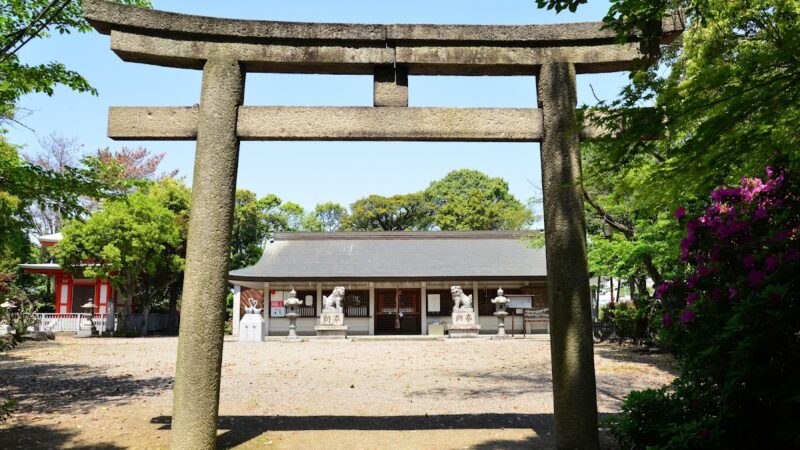
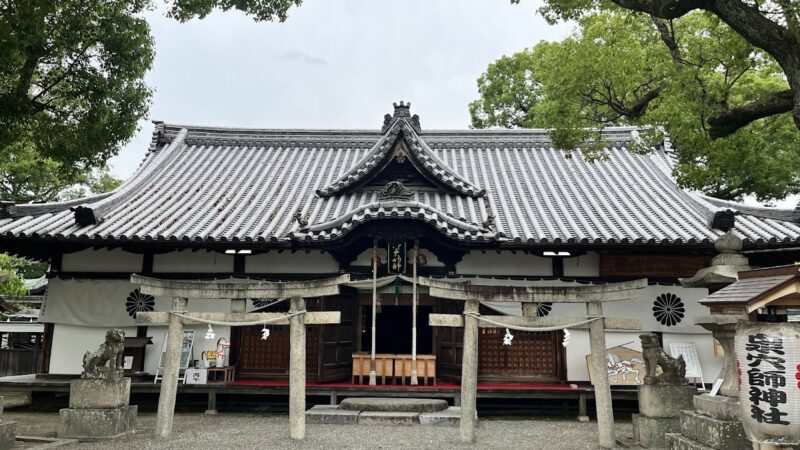
The shrine buildings of Sone Shrine preserve the traditional style of shrine architecture. Although small in scale, the carefully maintained buildings reflect the deep faith of the local people.
The shrine grounds are enveloped in a quiet and peaceful atmosphere, providing a space for peaceful worship away from the hustle and bustle.
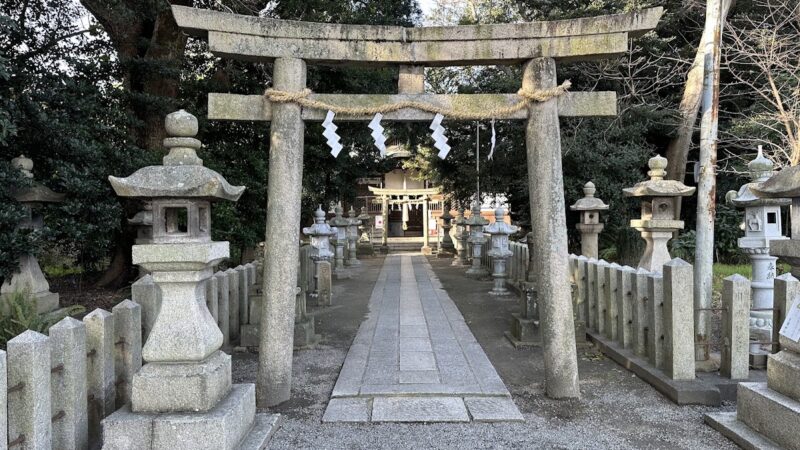
Subsidiary Shrines and Stone Structures
In addition to the main shrine, the grounds contain subsidiary shrines, stone monuments, lanterns, and other stone structures. These cultural artifacts were donated from the Edo period to the modern era, demonstrating the history of how the local people have cherished this shrine for generations.
Festivals and Danjiri Festival
Annual Festivals
Sone Shrine holds various festivals throughout the year. The main festivals include the following:
- New Year’s Day Festival (January 1st): A festival celebrating the New Year
- Spring Grand Festival: A festival offering thanks for the spring harvest
- Autumn Grand Festival: A festival giving thanks for the autumn harvest
Danjiri Festival and Shrine Entry
Izumiotsu City is located in the Senshu region of southern Osaka Prefecture, and this region is famous for its “Danjiri Festival.” Sone Shrine is also known as a shrine where the local Danjiri floats enter the shrine grounds.
The Danjiri Festival is held annually around September to October, and the magnificent procession and entry into the shrine attract many spectators. The sight of the local parishioners uniting to preserve and pass on the tradition remains an important event symbolizing the unity of the local community even today.
For detailed festival dates, we recommend consulting Izumiotsu City’s tourist information or contacting the shrine directly.
Goshuin (Shrine Seal) Information
About the Issuance of Goshuin
Sone Shrine offers Goshuin.
Location of Issuance
Shrine office (Please contact in advance if you wish to receive one, as staff may be absent.)
Offering Fee
Generally around 300-500 yen (This may change, so please check on-site.)
Issuance Hours
During shrine office hours (Please contact the shrine for details.)
The Goshuin will have the words “Sone Shrine” written in ink and stamped with the shrine’s seal. It may also include a seal indicating its status as a Shikinaisha (a shrine listed in the Engishiki), making it a valuable item for those visiting shrines.
About Goshuincho (Shrine Seal Books)
Please contact the shrine directly regarding the availability of original Goshuincho.
Recommended Nearby Spots
Ikegami-Sone Ruins and Historical Park
The Ikegami-Sone Ruins, adjacent to Sone Shrine, are designated as a national historic site as the remains of a large-scale moated settlement from the middle Yayoi period. This site is developed as an archaeological park and features restored large buildings and exhibition facilities.
It’s a valuable facility where you can experience life in the Yayoi period, and visiting it in conjunction with a visit to Sone Shrine allows you to truly appreciate the region’s long and rich history.
Izumiotsu City Textile and Knitting Museum
Izumiotsu City is known as a blanket production area, and it has the “Textile and Knitting Museum” where you can learn about the history of the textile industry. It’s a facility where you can experience the local industrial culture.
Otsu Shrine
There are many other historical shrines scattered throughout Izumiotsu City. Otsu Shrine is also known as a Shikinaisha (a shrine listed in the Engishiki, an ancient Japanese legal code), and we recommend visiting it along with your shrine tour.
Manners and Precautions for Visiting a Shrine
Basic Worship Etiquette
- Bow before passing through the torii gate: This is a sign of respect before entering the sacred area.
- Purify yourself at the water basin: Purify your left hand, then your right hand, then your mouth.
- Walk along the edge of the path: The center is considered the path of the gods.
- Two bows, two claps, one bow: This is the general etiquette for visiting a shrine.
Photography
Photography is generally permitted within the shrine grounds, but please refrain from taking photos inside the main hall or during religious ceremonies. Also, please be considerate of other worshippers.
Parking and Transportation Access
The roads surrounding the shrine are residential streets. When coming by car, please be considerate of local residents and avoid parking on the street. Using public transportation is recommended.
Cultural Properties and Preservation Activities of Sone Shrine
City-Designated Cultural Property
The camphor trees on the shrine grounds are designated as protected trees under Izumiotsu City’s Environmental Preservation Ordinance and are carefully preserved as a valuable natural cultural property of the city.
Connection with the Community
Sone Shrine is a shrine that has been carefully preserved by local residents. It is maintained through volunteer activities by parishioners and local residents, such as cleaning activities and the operation of festivals.
Visitors are also expected to have a respectful attitude towards the shrine and cooperate in beautifying the grounds and maintaining a tranquil atmosphere.
The Charm of Visiting Sone Shrine
A Sacred Place Where You Can Feel the Romance of History
From Yayoi period ruins to the founding of the shrine in the Asuka period, and a history of faith that continues to the present day, Sone Shrine and its surroundings are a valuable place where you can experience the continuity of Japanese history.
A Healing Space Enveloped in Silence
In the increasingly urbanized southern part of Osaka Prefecture, the grounds of Sone Shrine maintain a quiet and peaceful atmosphere. Visiting the shrine amidst the shade of the protected camphor trees brings a sense of peace and tranquility.
Tracing the History of the Mononobe Clan
This shrine is a fascinating spot for history enthusiasts, as it allows you to trace the footsteps of the Mononobe clan, a powerful clan in ancient Japan. While shrines associated with the Mononobe clan are scattered throughout Japan, Sone Shrine is a valuable shrine that enshrines the direct ancestral deity of the Sone clan, a branch of the Mononobe family.
Summary: Visit Sone Shrine
Sone Shrine in Izumiotsu City, Osaka Prefecture, is the oldest shrine in the city, said to have been founded in the 4th year of Emperor Tenmu’s reign (675 AD). It boasts a long history as a Shikinaisha (shrine listed in the Engishiki) associated with the Sone clan, a branch of the Mononobe clan.
It enshrines Nigihayahi-no-Mikoto and Ikagashikoo-no-Mikoto as its deities, and is believed to bestow blessings such as military success, protection from evil, and good fortune. The shrine grounds are home to camphor trees designated as protected trees by the city, creating a quiet and sacred atmosphere.
Visiting the adjacent Ikegami-Sone Ruins allows you to experience the layered history spanning from the Yayoi period to the present day, making it a recommended spot for both history enthusiasts and general visitors.
It’s easily accessible, about a 12-minute walk from Matsunohama Station on the Nankai Main Line. When visiting southern Osaka Prefecture, why not include a visit to Sone Shrine in your plans?
Contact Information
Sone Shrine
1-4-12 Sone-cho, Izumiotsu City, Osaka Prefecture 595-0011
TEL: 0725-21-8282
*For the latest information on visiting hours, festival dates, etc., please contact the shrine directly or check the Osaka Prefectural Shrine Association website.