Complete Guide to Izumi Anashi Shrine | History, Important Cultural Properties, and Visiting Information for Izumi Province’s Second-Ranked Shrine
Izumi Anashi Shrine, located in Toyonaka-cho, Izumiotsu City, Osaka Prefecture, is a venerable ancient shrine boasting a history of over 1350 years. Revered since ancient times as the second-ranked shrine of Izumi Province, it still conveys a sacred space where history and nature harmonize, with its main hall designated as an Important Cultural Property and a giant camphor tree over 800 years old.
This article comprehensively introduces information you should know before visiting Izumi Anashi Shrine, including its history, enshrined deities, highlights of the grounds, cultural properties, festivals, and access methods.
What is Izumi Anashi Shrine?
Izumi Anashi Shrine is a Shikinaisha (a shrine listed in the Engishiki, an ancient Japanese legal text) located in Izumiotsu City, Osaka Prefecture, and is a highly prestigious shrine as the second-ranked shrine of Izumi Province. The shrine’s former rank was Prefectural Shrine, and the “Izumi Anashi Shrine Forest” has been selected as one of “Osaka’s 100 Best Green Spaces,” preserving a rich natural environment despite its urban location.
According to shrine tradition, the shrine was founded around 650 AD. In the Middle Ages, it was counted as one of the Five Shrines of Izumi (Ōtori, Anashi, Hijiri, Sekikawa, and Ōiseki), and wielded considerable influence as a center of regional faith.
Status as a Shikinaisha Shrine
It is a Shikinaisha shrine listed in the Engishiki Jinmyōchō (a list of shrines compiled in the Heian period), and was a historically significant shrine recognized by the imperial court even during the Heian period. Within Izumi Province, it was positioned as the second-ranked shrine after Ōtori Taisha, and has been revered as a guardian deity of the region.
Deity Enshrined
The main deity enshrined at Izumi Anashi Shrine is Ame no Oshihomimi no Mikoto. He is a child of Amaterasu Ōmikami and the father of Ninigi no Mikoto.
About Amenoshihomimi-no-Mikoto
Amenoshihomimi-no-Mikoto is one of the five male deities born from the oath (ukei) between Amaterasu-Omikami and Susanoo-no-Mikoto. His formal name is “Masakaakatsukachihayahiame-no-Oshihomimi-no-Mikoto.” He is worshipped as the god of agriculture and victory, and is believed to bring blessings of abundant harvests and lasting military fortune.
Enshrined Deities
Along with the main deity, local guardian deities and gods with deep historical ties are also enshrined, attracting worshippers seeking a variety of blessings.
History
From Founding to Ancient Times
According to shrine tradition, Izumi Anashi Shrine was founded around 650 AD, during the Taika Reforms. At that time, the Izumi region was home to many immigrant groups of skilled craftsmen, and the production of Sue ware and ironware flourished. The name “Anashi” is believed to originate from the ancient blacksmith group “Anashi clan,” indicating a deep connection to the local industry.
The Engishiki Jinmyocho (a list of shrines compiled in 927 AD) lists it as “Izumi Anashi Shrine, Otori District, Izumi Province,” giving it the status of a Shikinaisha (a shrine listed in the Engishiki). Even during the Heian period, it was recognized as an important shrine receiving reverence from the imperial court.
Prosperity in the Middle Ages
During the Middle Ages, it was counted as one of the five major shrines of Izumi Province and became the second-ranked shrine of Izumi Province, a center of local faith. During this period, the shrine possessed vast land holdings and flourished as a powerful religious institution with many parishioners.
Construction by Toyotomi Hideyori
The current main hall was constructed by Toyotomi Hideyori between 1602 and 1603. This was during the period when the Toyotomi family was based at Osaka Castle, and Hideyori undertook the construction of shrine buildings for influential shrines throughout the country; Izumi Anashi Shrine also benefited from this.
The main shrine built during this construction project is a valuable structure that preserves the architectural style of the Momoyama period and is designated as a National Important Cultural Property.
Edo Period
During the Edo period, the shrine received the patronage of the Kishiwada Domain and was revered as the local tutelary deity. During this period, the shrine buildings were repaired and the grounds were improved, forming the basic layout of the current grounds.
Meiji Era and Beyond
With the Meiji-era separation of Shinto and Buddhism, shrines that had previously practiced syncretism of Shinto and Buddhism were reorganized as Shinto facilities. In 1872 (Meiji 5), it was ranked as a local shrine, and later elevated to a prefectural shrine.
Since the Heisei era, preservation and repair work has been carried out on the main shrine building, and efforts to preserve its value as a cultural property and pass it on to future generations continue.
Shrine Grounds
The grounds of Izumi Anashi Shrine are surrounded by a lush forest, selected as one of “Osaka’s 100 Green Spaces,” maintaining a tranquil atmosphere despite being located in an urban area.
Torii Gate and Approach
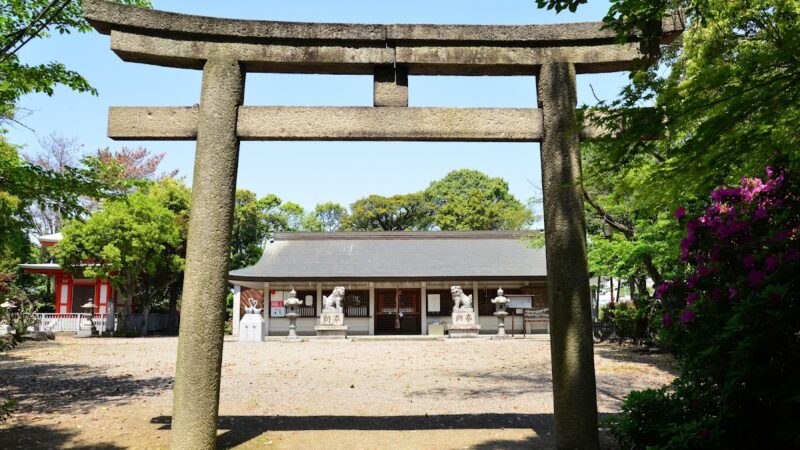
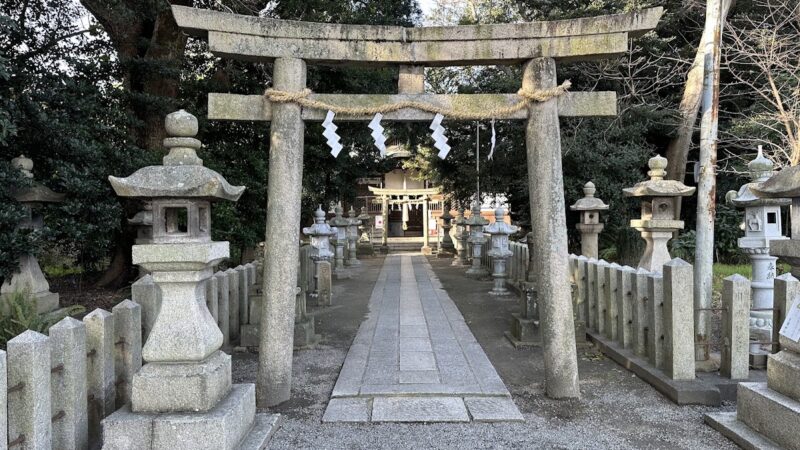
A magnificent torii gate stands at the entrance to the shrine grounds, and the approach leading from there to the main hall is a pleasant space surrounded by trees. Simply walking along the approach evokes a sacred feeling, far removed from the hustle and bustle of everyday life.
Worship Hall
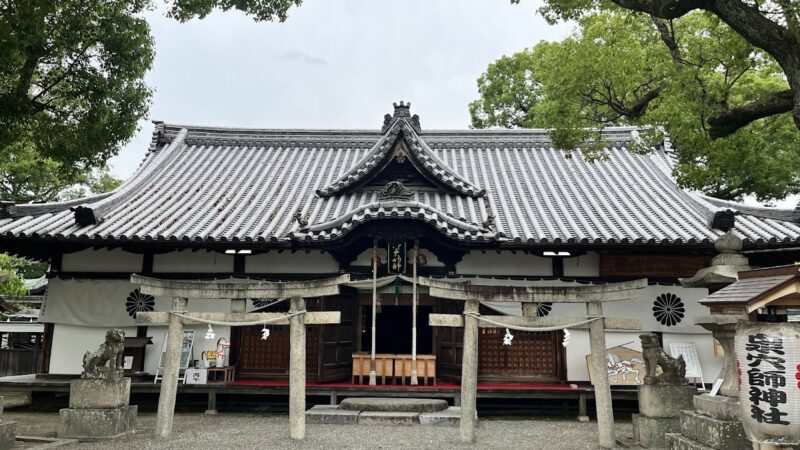
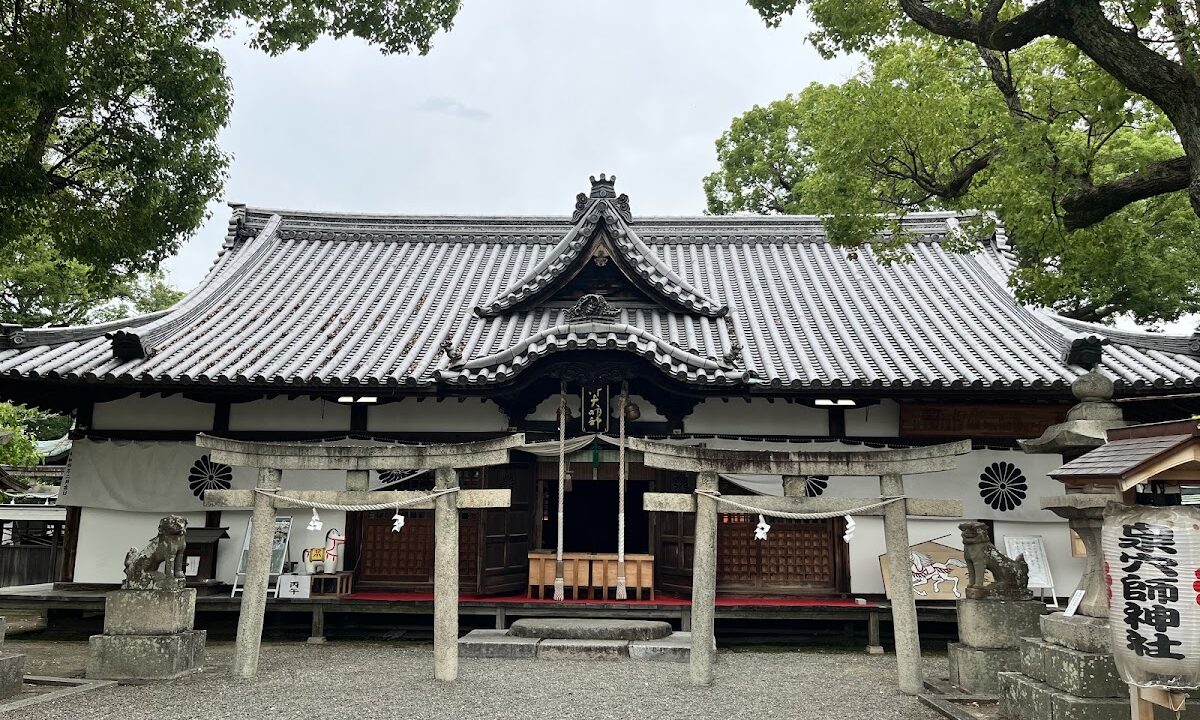
As you proceed along the approach, the worship hall appears directly ahead. The worship hall is where worshippers offer their prayers, and beyond it sits the main hall, a designated Important Cultural Property. The architectural style of the worship hall is of high historical value, retaining characteristics of the Edo period.
Main Hall (Important Cultural Property)
The greatest highlight of Izumi Anashi Shrine is the main hall, a nationally designated Important Cultural Property. Built by Toyotomi Hideyori between 1602 and 1603, this main hall features a three-bay nagare-zukuri style with cypress bark roofing, but also boasts a rare form as a connected shrine consisting of two one-bay nagare-zukuri style buildings with chidori-hafu gables.
This connected shrine style is a rare architectural form nationwide and is extremely valuable in architectural history. As a cultural asset that conveys the opulent decorations and exquisite woodworking techniques of the Momoyama period, it attracts many researchers and architecture enthusiasts.
Giant Camphor Tree
A giant camphor tree, estimated to be over 800 years old, stands tall within the shrine grounds. This giant tree is designated a natural monument of Osaka Prefecture, and its trunk circumference is approximately 10 meters. Having watched over the history of the shrine for countless years, this camphor tree is also known as a powerful spiritual spot.
By experiencing the tree’s vitality, visitors are given energy and healing.
Izumi Anashi Shrine Forest
The forest covering the entire shrine grounds, known as “Izumi Anashi Shrine Forest,” has been selected as one of “Osaka’s 100 Green Spaces.” Centered around camphor trees, it is home to evergreen broad-leaved trees such as oak and chestnut, forming a rich ecosystem rare in urban areas.
The sounds of wild birds echo through the air, and this precious space allows visitors to experience the changing seasons, serving as a place of relaxation for local residents.
Subsidiary Shrines
Several subsidiary shrines are enshrined around the main hall. Each enshrines a different deity, attracting worshippers seeking various blessings.
Main Subsidiary Shrines
The subsidiary shrines within the grounds enshrine a variety of deities, including guardian deities of the region, gods of industry, and gods of learning. Visiting these subsidiary shrines in addition to the main hall will make for a more fulfilling pilgrimage experience.
Cultural Properties
Nationally Designated Important Cultural Property
The Main Hall is designated as a National Important Cultural Property. Built by Toyotomi Hideyori in 1602-1603, it features a three-bay nagare-zukuri style, cypress bark roofing, and a connected shrine building structure. This is a valuable cultural asset that conveys the architectural techniques and aesthetic sensibilities of the Momoyama period.
During the Heisei period, preservation and repair work was carried out, including the replacement of the cypress bark roof and reinforcement of the structural materials. This ensures that the value of the cultural asset is preserved and that it can be passed on to future generations.
Osaka Prefecture Designated Natural Monument
The large camphor tree on the shrine grounds is designated as a natural monument of Osaka Prefecture. Estimated to be over 800 years old, this giant tree with a trunk circumference of approximately 10 meters is a living witness that has watched over the shrine throughout its long history.
Other Cultural Assets
Many offerings from the Edo to Meiji periods remain on the shrine grounds, including old stone lanterns and guardian lion-dogs. These also have high historical value and serve as valuable materials that convey the state of faith at that time.
Festivals
Various festivals are held at Izumi Anashi Shrine throughout the year.
Annual Grand Festival
The annual grand festival, held every autumn, is the most important festival of Izumi Anashi Shrine. A portable shrine procession and dedication ceremonies take place, attracting many parishioners and worshippers. It is an important opportunity to pass on the region’s traditional culture.
New Year’s Visit
Many worshippers visit the shrine for their first shrine visit of the new year. The shrine grounds are bustling with people praying for safety and prosperity throughout the year, and visiting in the refreshing air of the new year is a special experience.
Other Annual Events
Seasonal traditional events such as the Setsubun Festival, Summer Purification Ceremony, and Shichi-Go-San (a traditional rite of passage for children) are also held. As a shrine deeply rooted in the community, it continues to watch over the milestones in people’s lives.
Access and Visiting Information
Location
Address: 1-1-1 Toyonaka-cho, Izumiotsu City, Osaka Prefecture
Transportation Access
Access by Train:
- Get off at Izumiotsu Station on the Nankai Main Line, approximately 20 minutes on foot (approx. 1.6 km)
- Get off at Matsunohama Station on the Nankai Main Line, approximately 15 minutes on foot
Access by Bus:
- Nankai Bus is available (the nearest bus stop varies depending on the route)
Access by Car:
- Approximately 10 minutes from the Izumiotsu Exit of the Hanshin Expressway Route 4 Wangan Line
- Parking available (space is limited, so using public transportation is recommended during festivals)
Visiting Hours
The shrine grounds are generally open for free visits. The shrine office is open from approximately 9:00 to 17:00, but this may vary depending on festivals and seasons.
Goshuin (Shrine Seal)
Goshuin can be obtained at the shrine office. Many visitors receive a Goshuin (temple/shrine stamp) as a memento of their visit and to deepen their connection with the shrine.
Benefits of Izumi Anashi Shrine
The main deity, Amenoshihomimi-no-Mikoto, is worshipped as the god of agriculture and victory, and is believed to bring the following benefits:
- Abundant Harvest: Prosperity in agriculture and business
- Victory: Success in exams, job hunting, and sports
- Family Safety: Health and peace for the family
- Protection from Evil: Protection from disaster
Furthermore, the 800-year-old camphor tree is a symbol of vitality, and many visitors come to pray for health, longevity, and recovery from illness.
Nearby Attractions
There are many other historical shrines, temples, and tourist spots scattered around Izumiotsu City.
Otori Taisha Shrine
Otori Taisha Shrine, the Ichinomiya (first-ranked shrine) of Izumi Province, is a shrine that many people visit together with Izumi Anashi Shrine. Visiting the two major shrines of Izumi Province offers a deeper historical experience.
Ikegami-Sone Ruins
The Ikegami-Sone Ruins, a large-scale settlement site from the Yayoi period, is an important site for understanding the ancient history of this region. You can visit reconstructed large buildings and other structures.
Summary of the Charms of Izumi Anashi Shrine
Izumi Anashi Shrine, with a history of over 1350 years, has remained the center of local faith as the second-ranked shrine of Izumi Province. The main hall, a designated Important Cultural Property, is a masterpiece of Momoyama architecture built by Toyotomi Hideyori, and the 800-year-old camphor tree greets visitors with its overwhelming presence.
The shrine grounds, surrounded by a lush forest selected as one of “Osaka’s 100 Green Spaces,” maintain a tranquil atmosphere despite being in an urban area, providing a precious space for peaceful worship.
This shrine is worth visiting for a variety of purposes, including history enthusiasts, architecture fans, power spot visitors, and those seeking to calm their minds in a peaceful natural setting. When visiting southern Osaka Prefecture, be sure to visit Izumi Anashi Shrine and experience its harmony of history and nature.
Etiquette for Visiting Shrines
When visiting a shrine, please observe the following basic etiquette:
- Bow before passing through the torii gate: This is a courtesy before entering the sacred area.
- Walk along the edge of the path: The center is considered the path of the gods.
- Purify yourself at the water basin: Purify your left hand, right hand, and mouth in that order.
- Two bows, two claps, one bow: This is the basic way to pray at the main hall.
- Pray quietly: Be mindful that this is a sacred place.
Photography
Photography is generally permitted on the shrine grounds, but please note the following:
- Please refrain from taking photos in areas where photography is prohibited, such as inside the main shrine.
- Please be considerate of other worshippers.
- Please refrain from taking photos during religious ceremonies or follow the instructions of the Shinto priests.
- Commercial photography requires prior permission.
Seasonal Highlights
Spring
The fresh greenery is beautiful, and the trees in the shrine grounds begin to bud. Visiting the shrine in the refreshing air is a special experience.
Summer
The shrine grounds, covered in deep green, are cool, and events such as the summer purification ceremony are held.
Autumn
This is the season when the annual festival is held, and the trees in the shrine grounds begin to change color. It is the busiest time of year.
Winter
You can enjoy a peaceful visit in the tranquil shrine grounds. The shrine is bustling with many worshippers during the New Year’s visit period.
In Conclusion
Izumi Anashi Shrine, located in Izumiotsu City, Osaka Prefecture, is a wonderful shrine where history, culture, and nature are in harmony. With its important cultural property main hall, 800-year-old camphor tree, and lush forest, there’s no end to the sights to see.
Combining the prestige of being the second-ranked shrine of Izumi Province with the warmth of its local roots, this shrine offers visitors deep inspiration and healing. If you have the opportunity to visit southern Osaka, be sure to visit Izumi Anashi Shrine and experience its charm.
The cultural assets and nature preserved over a long history, and the continuing local faith—all of these elements harmonize at Izumi Anashi Shrine, making it an irreplaceable place that teaches us much in the modern age.