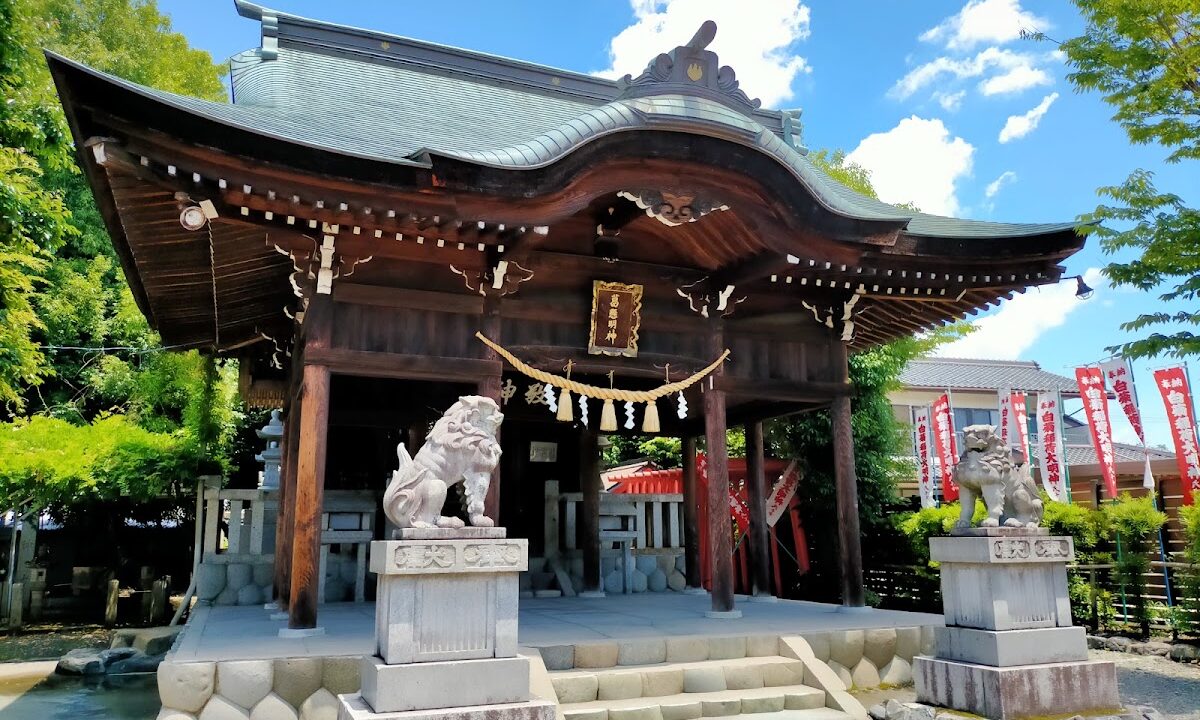
Katsuragake Shrine (Gifu Prefecture) Complete Guide: History and Access to the Ancient Shrine Dedicated to the Water God, Known for the Ikenoue Misogi Festival
Katsuragake Shrine, located in Ikenoue-cho, Gifu City, Gifu Prefecture, is a beloved ancient shrine dedicated to the water god. The “Ikenoue Misogi Festival,” held annually in January on the Nagara River, is a magnificent ritual where bare-chested men purify themselves in the bitter cold, and is a winter tradition in Gifu. This article comprehensively covers everything you need to know before visiting Katsuragake Shrine, including its history, enshrined deities, festivals, access methods, and surrounding tourist information.
About Katsuragake Shrine
Katsuragake Shrine is located in the heart of Gifu City and has long been revered by the local community as a shrine dedicated to the water god. It holds the rank of Ginpei-sha (Silver Coin Shrine) and is one of the oldest shrines in Gifu City. The current location of the shrine is 3-47 Ikenoue-cho, Gifu City, Gifu Prefecture, and its convenient access, within walking distance of Meitetsu Gifu Station, is a notable feature.
Pronunciation and Origin of Katsuragake Shrine
“Katsuragake” is pronounced “katsuragake.” There are several theories regarding the origin of this name, including one that it is related to the kudzu (kazura) plant that has grown naturally in this area since ancient times, and another that it originates from an old word indicating a sacred place by the water. Locally, it is sometimes affectionately called “Katsuragake-san.”
History of Katsuragake Shrine
Founding and Ancient Records
The exact founding date of Katsuragake Shrine is unknown, but it is listed in the Heian period’s “Kokunai Jinmyocho” (Register of Shrines in Japan) as a shrine with the rank of Senior Sixth Rank, confirming its existence at least during the Heian period. This indicates that it is one of the oldest shrines in Gifu City.
The shrine has long been deeply connected to the water transport of the Nagara River and has been revered as a god of protection against floods and a god that brings the blessing of abundant water. For the people of the Nagara River basin, water was both essential to their lives and, at times, a threat. Therefore, their faith in the god who controls water was particularly strong.
Relocation in the Showa Era
A significant event in the history of Kuzukake Shrine is its relocation in 1938 (Showa 13). Due to the Nagara River improvement project, the shrine moved from its previous location to its current location in Ikenoue-cho. This improvement project was a large-scale undertaking to protect Gifu City from repeated floods, and the relocation of the shrine was part of it.
Even after the relocation, the shrine has remained a center of faith for the local people, with a constant stream of worshippers, especially those praying for water-related blessings and good health. The current shrine building, constructed after the relocation, is a magnificent structure that exudes a sense of dignity.
Deities and Blessings
Deity of the Main Shrine
The main shrine of Kazura-Agata Shrine enshrines Kazura-Agata Myojin. Kazura-Agata Myojin is worshipped as the god of water and protection against floods, and is believed to preside over protection from floods, the safety of water transport, and the blessings of water in agriculture.
Deities of the Side Shrine
The side shrine enshrines the following two deities:
- Agata Myojin: A deity revered as the guardian deity of the region, protecting the peace and prosperity of the land.
- Mizuyoke-no-Kami: As the name suggests, this deity is worshipped as a god who protects people from floods and water-related disasters.
These three deities all have a deep connection with water and are closely linked to the lives of the people of Gifu, who have lived alongside the Nagara River.
Divine Blessings
The main blessings you can pray for at Kuzukake Shrine are as follows:
- Protection from Water-Related Disasters and Floods: As the shrine enshrines the god of water, it offers protection from water-related disasters.
- Good Health and Longevity: Especially in connection with the Misogi Festival, many worshippers visit to pray for good health.
- Family Safety: As the guardian deity of the region, worshippers pray for the peace and well-being of their families.
- Business Prosperity: As a shrine deeply connected to water transport, worshippers pray for the prosperity of their businesses.
- Abundant Harvest: As the god who governs the blessing of water necessary for agriculture, worshippers pray for a bountiful harvest.
Ikenoue Misogi Festival: Kuzukake Shrine’s Representative Festival
Overview of the Misogi Festival
What makes Kuzukake Shrine famous nationwide is the “Ikenoue Misogi Festival” held every January. This festival is designated as an intangible folk cultural property of Gifu City and is known as a magnificent Shinto ritual held on the Nagara River in the bitter cold. The Misogi Festival involves men, clad in near-naked attire, entering the Nagara River in the dead of winter to purify themselves and pray for good health and protection from illness throughout the year. The sight of them immersing themselves in the freezing river water, with temperatures near freezing, leaves a powerful impression on onlookers.
History and Significance of the Festival
The Misogi Festival has ancient origins, believed to have begun as a ritual of gratitude and prayer to the water god. “Misogi” is an important Shinto ritual of purifying the body and mind by cleansing oneself of sins and impurities with water.
The Misogi in the clear waters of the Nagara River is not merely a formal ceremony; it signifies mental discipline and a sense of oneness with the gods through enduring the harsh cold and freezing water. Participants pray for health and happiness throughout the year by overcoming this ordeal.
Festival Schedule and Highlights
The Ikenoue Misogi Festival is held annually on the second Saturday of January (this may vary from year to year, so it is recommended to check in advance). The main flow of the festival is as follows:
- Shinto Ritual at the Shrine: First, a Shinto ritual is performed at the main hall of Kuzukake Shrine, where participants offer prayers.
- Movement to the Nagara River: Participants, dressed in white robes, proceed from the shrine to the Nagara River.
- Purification Ceremony: On the riverbank of the Nagara River, participants simultaneously enter the river to purify themselves.
- Return to the Shrine: After completing the purification ritual, participants return to the shrine, concluding the festival.
A particular highlight is the moment when the naked men simultaneously enter the river. The sight of them immersing themselves in the cold water, exhaling white breaths in the harsh winter cold, is breathtaking and attracts many spectators and photography enthusiasts.
How to Participate and Important Notes
Participation in the Misogi Festival is primarily for local men, but in recent years, general participants have also been welcomed. If you wish to participate, you must contact the shrine or the local parishioners’ representative in advance to confirm details.
If you are observing, please note the following:
- Gifu in January is very cold, so take sufficient precautions against the cold.
- The Nagara River riverbed has uneven terrain in some areas, so wear comfortable shoes.
- Please observe from designated areas so as not to disturb participants.
- Photography is permitted, but please refrain from using flash photography.
Guide to the Grounds of Kuzukake Shrine
Torii Gate and Approach
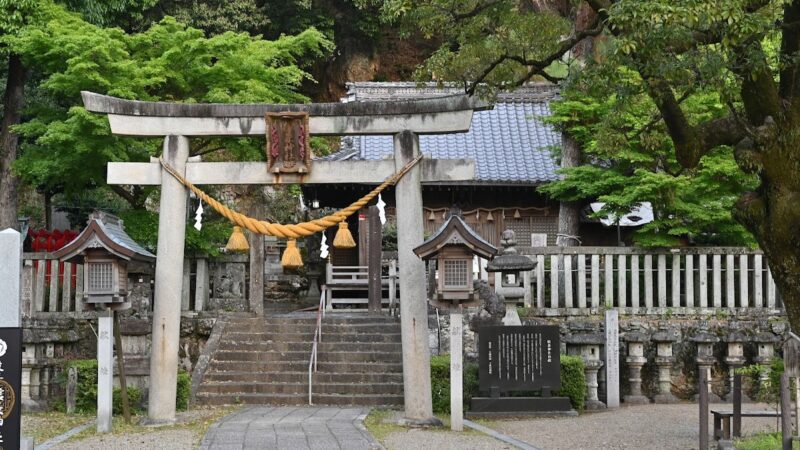
A magnificent torii gate stands at the entrance to Kuzukake Shrine. Passing through this gate, a well-maintained approach leads to the shrine building. The approach is relatively short, but despite being in an urban area, it maintains a tranquil atmosphere, allowing you to feel a sacred space away from the hustle and bustle of everyday life.
Shrine Building
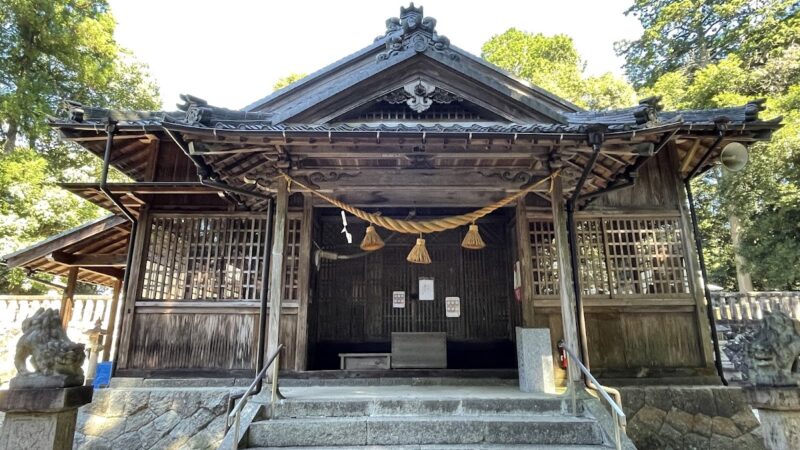
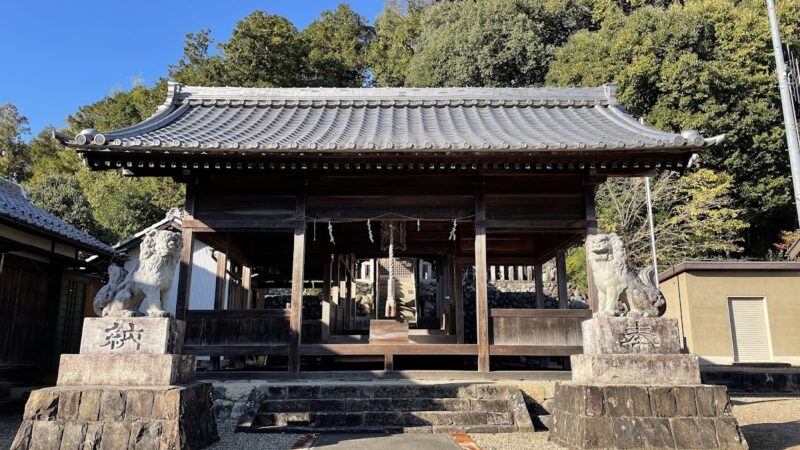
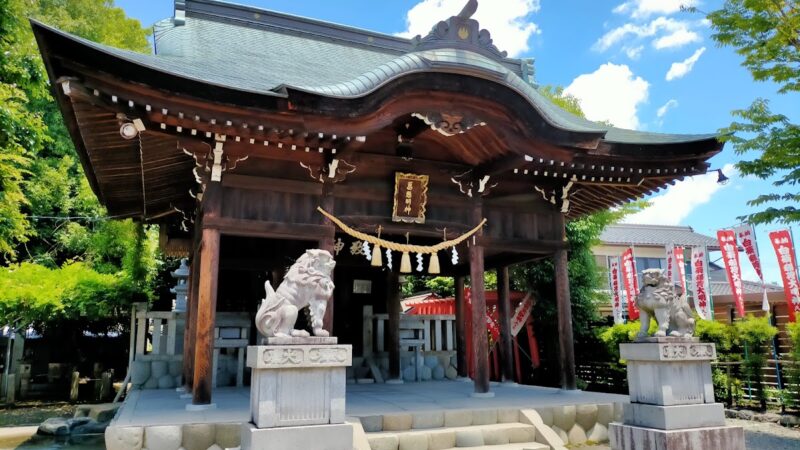
The current shrine building was constructed after the relocation in 1938 (Showa 13) and follows the traditional style of shrine architecture. While medium-sized, it is meticulously maintained and exudes a sense of dignity. In front of the shrine building is the worship hall, where worshippers offer their prayers.
The view of the shrine building from the torii gate is beautiful both up close and from afar, and is particularly striking on a sunny day when it stands out against the blue sky.
Highlights of the Shrine Grounds
There are several highlights within the shrine grounds:
- Water Basin: A place to purify hands and mouth before worship. As befits a shrine dedicated to the water god, pure water flows here.
- Guardian Dogs: A pair of guardian dogs protecting the shrine building. It possesses a dignified atmosphere that evokes a sense of history.
- Shrine Office: You can receive Goshuin (stamps) and other items (opening hours are limited, so prior confirmation is recommended).
- Stone Monuments and Memorials: Stone monuments and other memorials commemorating the history of the shrine and its relocation are erected on the grounds.
Atmosphere of the Shrine Grounds
Although Kuzukake Shrine is located in the city center of Gifu, the grounds are enveloped in a quiet and peaceful atmosphere. It is not a large shrine, but you can feel the care and affection the local people have for it. The grounds are meticulously clean and show different expressions with each season.
Goshuin Information
Issuance of Goshuin
Kuzukake Shrine offers Goshuin, but since there may not always be a resident priest, it is recommended to call in advance to confirm if you wish to receive one. The phone number is 058-232-8770.
Features of the Goshuin (Shrine Seal)
The goshuin at Kuzukake Shrine features the shrine’s name and date of visit written in ink, along with the shrine’s seal. Its simple yet powerful calligraphy is a distinctive feature, making it popular among goshuin collectors.
The offering fee is similar to that of most shrines, typically ranging from 300 to 500 yen (this may change, so please check at the shrine).
About Goshuincho (Shrine Seal Books)
Kuzukake Shrine may not always have its own original goshuincho available. If you do not have one, we recommend bringing one in advance.
Access Information
Basic Information
- Address: 3-47 Ikenoue-cho, Gifu City, Gifu Prefecture
- Postal Code: 〒502-0906
- Phone Number: 058-232-8770
Access by Train
Kuzukake Shrine is easily accessible by public transportation:
From Meitetsu Gifu Station
- Approximately 15 minutes on foot
- Meitetsu Gifu Station is the most frequently used nearest station
- The most common route is to exit the station, head north, and take the route via Nagarabashi Street.
From JR Gifu Station
- Approximately 20 minutes on foot
- It is also within walking distance from JR Gifu Station, but Meitetsu Gifu Station is slightly closer.
- If using a taxi, it takes about 5 minutes and costs around 1,000 yen.
Access by Bus
- If using Gifu Bus, get off at the “Nagarabashi” bus stop and walk for about 5 minutes.
- Multiple train lines are available from JR Gifu Station or Meitetsu Gifu Station.
Access by Car
From the Expressway
- Approximately 20 minutes from the Tokai-Hokuriku Expressway “Gifu-Kakamigahara IC”
- Approximately 30 minutes from the Meishin Expressway “Gifu-Hashima IC”
Car Navigation Settings
- Address Search: 3-47 Ikenoue-cho, Gifu City, Gifu Prefecture
- Phone Number Search: 058-232-8770
Parking Information
Since there is limited dedicated parking at Kuzukake Shrine, please note the following if you are visiting by car:
- There are several coin-operated parking lots around the shrine.
- During major festivals such as the Misogi Festival, congestion is expected, so the use of public transportation is recommended.
- Please be sure to use the designated parking area, as street parking will inconvenience local residents.
Access Map
Kuzukake Shrine is located in the center of Gifu City, south of the Nagara River. Located near Nagara Bridge, the area is dotted with Gifu City’s representative tourist spots, such as Gifu Park and Kinka Mountain. It’s also within walking distance of the shopping streets around Meitetsu Gifu Station, making it a convenient location for tourists.
Manners and Precautions for Visiting a Shrine
Etiquette for Visiting a Shrine
The basic etiquette for visiting a shrine is as follows:
- Bow before passing through the torii gate: This is a sign of respect before entering the sacred area.
- Walk along the edge of the path: The center is considered the path of the gods.
- Purify yourself at the water basin: Purify your left hand, then your right hand, then your mouth, and finally the handle of the ladle.
- Worship at the main hall: The basic procedure is two bows, two claps, and one bow.
- Bow deeply twice.
- Clap your hands twice at chest height.
- Recite your prayer silently.
- Bow deeply once.
- When leaving: Turn around and bow once after leaving the torii gate.
Attire for Visiting a Shrine
There are no specific dress code requirements, but it is desirable to wear clothing that reflects the sacred nature of the place. Avoid revealing or overly flashy clothing, and aim for clean and presentable attire.
Regarding Photography
Photography is generally permitted on the shrine grounds, but please note the following:
- Permission may be required for photography inside the shrine buildings.
- Please be considerate of other worshippers.
- Please refrain from using tripods during crowded times.
- Please be careful not to interfere with religious ceremonies during festivals.
Nearby Tourist Attractions
Near Kuzukake Shrine are numerous tourist attractions representative of Gifu City. Visiting them in conjunction with your shrine visit will allow you to enjoy a more fulfilling Gifu sightseeing experience.
Gifu Park and Kinka Mountain
Gifu Park, located about a 15-minute walk from Kuzukake Shrine, is a historical park spread out at the foot of Kinka Mountain. Within the park is a hiking trail leading to Gifu Castle, the former residence of Oda Nobunaga, and a ropeway also operates. From the summit of Kinka Mountain, you can enjoy a spectacular panoramic view of Gifu city and the Nagara River.
Nagara River Cormorant Fishing
Due to its deep connection with the Kuzukake Shrine, which enshrines the god of water, the Nagara River hosts traditional cormorant fishing every year from May to October. This fishing method, with a history of over 1300 years, is designated as a National Important Intangible Folk Cultural Property, and the fantastical spectacle unfolding on the river at night is a must-see.
Old Townscape of Kawaramachi
Kawaramachi, located along the Nagara River, boasts an old townscape that retains the atmosphere of the Edo period. Traditional townhouses with lattice doors line the streets, and cafes, general stores, and traditional craft shops line the banks. You can experience Gifu’s history and culture while strolling through the area.
Gifu City History Museum
Located within Gifu Park, the Gifu City History Museum offers a chance to learn about Gifu’s history and culture. It features particularly extensive exhibits on Gifu Castle and Oda Nobunaga from the Sengoku period, making it a must-visit spot for history buffs.
Shōhōji Temple (Gifu Great Buddha)
Shōhōji Temple, home to the Gifu Great Buddha, one of Japan’s three great Buddha statues, is within walking distance of Kuzukake Shrine. The 13.7-meter-tall dry lacquer Buddha is breathtaking, and its serene expression is incredibly soothing.
Nearby Gourmet & Shopping Information
Gourmet around Meitetsu Gifu Station
Many restaurants are located around Meitetsu Gifu Station, the nearest station to Kuzukake Shrine:
- Ayu (sweetfish) dishes: Dishes using ayu from the Nagara River are a specialty of Gifu. Enjoy them prepared in various ways, such as salt-grilled or simmered in sweet sauce.
- Hida Beef: A brand of beef that Gifu Prefecture is proud of. Steak, yakiniku, shabu-shabu, etc.
- Hoba Miso: A local dish where miso and ingredients are grilled on a magnolia leaf.
- Goheimochi: A traditional rice cake dish characterized by its sweet and spicy sauce.
Shopping Spots
Around Meitetsu Gifu Station
- Gifu Takashimaya: Department store shopping
- Yanagase Shopping Street: A shopping street with a Showa-era retro atmosphere
- Active G: A commercial facility directly connected to the station.
Souvenirs
- Ayu-gashi: A Japanese confectionary made from castella cake shaped like an ayu (sweetfish).
- Nobori-ayu: One of Gifu’s famous sweets.
- Gifu Chochin: A traditional craft.
Annual Events and Festivals Calendar
Kuzukake Shrine holds various Shinto rituals and festivals throughout the year:
Main Annual Events
- January 1st: Saitansai (New Year’s festival)
- Second Saturday of January: Ikenoue Misogi Festival (Most Famous Festival)
- Setsubun in February: Setsubun Festival (Bean-throwing, etc.)
- Spring Equinox: Spring Festival
- Autumn Equinox: Autumn Festival
- November: Shichi-Go-San Festival (Celebrating the growth of local children)
- December 31: New Year’s Eve Festival (Festival marking the end of the year)
*Event dates may change from year to year. Please contact the shrine directly for details.
Cultural Value of Kuzukake Shrine
Value as an Intangible Folk Cultural Property
The Ikenoue Misogi Festival is designated as an Intangible Folk Cultural Property of Gifu City and is protected as an important cultural heritage of the region. This festival is not merely a tourist event, but a valuable traditional event that conveys the spirit of the people of Gifu who have coexisted with the Nagara River.
Research Value of Water Deity Worship
Kuzukake Shrine holds an important position in the study of water deity worship in Japan. Located near the Nagara River, a major river, and deeply connected to water in terms of both flood control and water transport, it is a subject of study in folklore and religious studies.
Visitor Reviews and Reputation
Actual Visitor Feedback
Visitors to Kuzukake Shrine have shared the following comments:
- “Despite being in the city center, the quiet and peaceful atmosphere is wonderful.”
- “The shrine building visible from the torii gate is beautiful and makes for a great photo spot.”
- “The Misogi Festival is a powerful ritual worth seeing at least once.”
- “You can feel how much the shrine is cherished by the local people.”
- “It’s easily accessible, making it a convenient stop during sightseeing in Gifu.”
Recommended Points for Visiting
Points particularly praised by visitors:
- Easy Access: Within walking distance of Meitetsu Gifu Station, making it easy to incorporate into sightseeing routes.
- Tranquil Atmosphere: Despite being in an urban area, the shrine grounds are enveloped in a quiet and sacred atmosphere.
- Herit of History: The prestige of an ancient shrine dating back to the Heian period.
- Attractiveness of Festivals: You can experience the unique Misogi Festival.
- Compatibility with surrounding sightseeing: Easy to combine with other tourist spots such as Gifu Castle and Nagara River Cormorant Fishing.
Best season to visit Kuzukake Shrine
Seasonal attractions
Spring (March-May)
- Mild weather, making it easy to visit
- A season of beautiful fresh greenery
- The Spring Festival is held
Summer (June-August)
- Coincides with the Nagara River Cormorant Fishing season, making it easy to combine with surrounding sightseeing
- Lush greenery and a vibrant atmosphere within the shrine grounds
Autumn (September-November)
- A season of beautiful autumn foliage (near Kinka Mountain, etc.)
- The Autumn Festival is held
- Pleasant weather, ideal for sightseeing
Winter (December-February)
- The Misogi Festival in January is the main highlight
- Clear air and a dignified atmosphere
- Relatively few tourists, allowing for peaceful worship
Visiting for an Event
If you’re visiting specifically for the Misogi Festival, aim for the second Saturday of January (dates may vary). However, it’s extremely cold, so be sure to dress warmly.
Visiting Shrines in Gifu City Including Kuzukake Shrine
Starting from Kuzukake Shrine, a shrine tour visiting other shrines in Gifu City is also recommended:
Recommended Shrine Tour Route
- Kuzukake Shrine (God of Water)
- Kin Shrine (God of Financial Fortune) – Approximately 20 minutes on foot
- Inaba Shrine (Gifu City’s main guardian shrine) – Approximately 30 minutes by bus or on foot
- Kashimori Shrine (One of Gifu City’s oldest shrines) – Approximately 15 minutes on foot
By following this route, you can experience the history and deep faith of Gifu City.
Summary: The Charm of Kuzukake Shrine
Located in Gifu City, Gifu Prefecture, Kuzukake Shrine is a historic shrine dedicated to the water god, with a history dating back to the Heian period. Despite its urban location, it maintains a tranquil atmosphere and remains a cherished center of faith for the local people.
In particular, the Ikenoue Misogi Festival, held every January, is a magnificent ritual where naked men purify themselves in the freezing Nagara River, and is a winter tradition in Gifu. This festival is designated as an Intangible Folk Cultural Property of Gifu City and is a valuable cultural heritage that conveys traditional Japanese water god worship.
Its convenient location within walking distance of Meitetsu Gifu Station is also a major draw, making it easy to combine a visit with sightseeing at Gifu Castle or the Nagara River cormorant fishing. Many worshippers visit the shrine seeking blessings for protection from water-related disasters, good health, and family safety.
When visiting Gifu, be sure to stop by Kuzukake Shrine and experience the faith and history of the people of Gifu who have lived in harmony with the blessings of the Nagara River. The time spent calming your mind in the tranquil temple grounds and offering prayers to the water god will surely be a memorable experience.