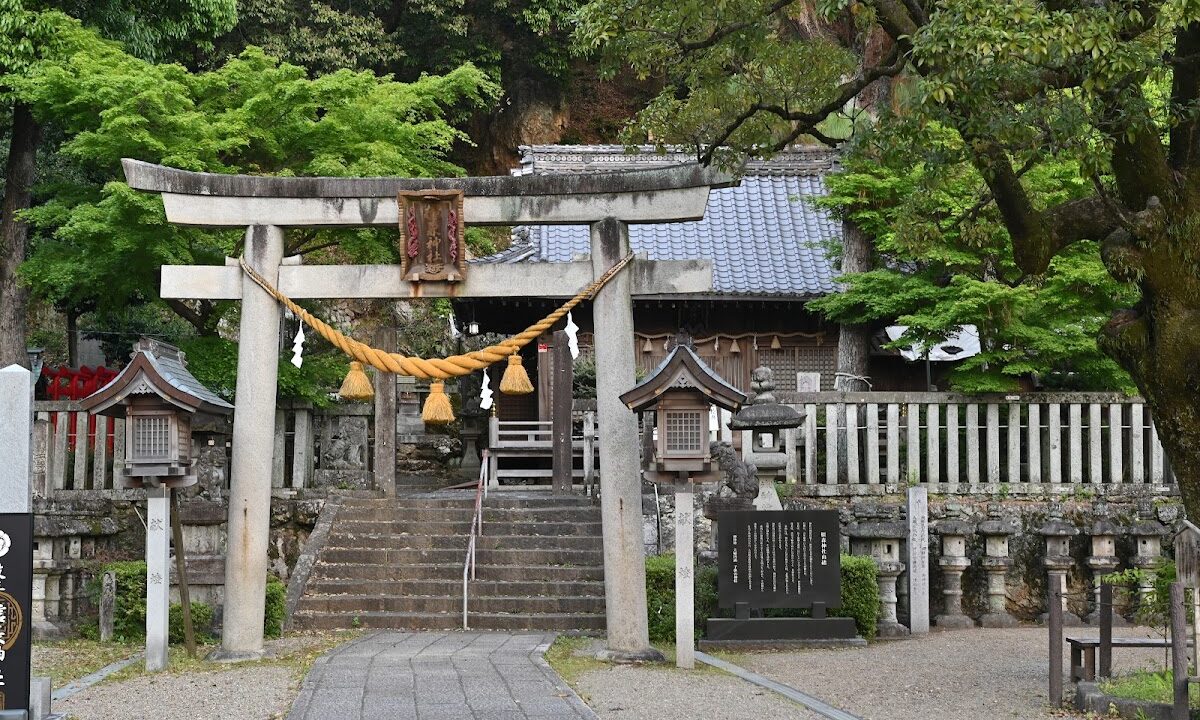
Complete Guide to Kashimori Shrine (Gifu Prefecture) | A Thorough Explanation of the History of the Gifu Three Shrines Pilgrimage, Goshuin (Shrine Seals), and Rakuichi-Rakuza (Free Market)
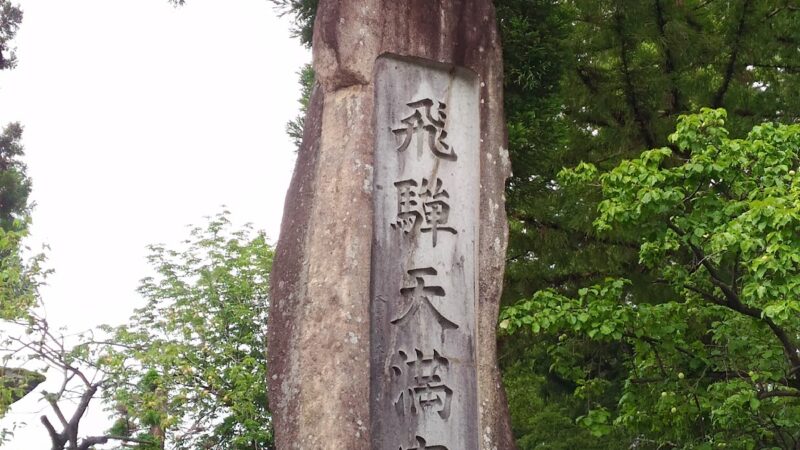
Kashimori Shrine, located in Wakamiya-cho, Gifu City, Gifu Prefecture, is a venerable shrine with a long history dating back to ancient times, beloved by the local people. Along with Inaba Shrine and Kin Shrine, it is known as one of the “Gifu Three Shrines Pilgrimage,” and is particularly revered as a guardian deity for safe childbirth, marital harmony, and children. This article provides a detailed explanation of Kashimori Shrine’s history, goshuin information, access methods, and highlights within the shrine grounds.
Basic Information about Kashimori Shrine
Location and Access
Location
1-8 Wakamiya-cho, Gifu City, Gifu Prefecture 500-8828
Phone Number
058-246-0125
Access Methods
- By Train/Bus
Take the Gifu Bus bound for Nagarabashi from JR Gifu Station or Meitetsu Gifu Station, get off at the Nagarabashi bus stop, and walk for about 5 minutes. Alternatively, get off at the City Hall/Citizens’ Hall bus stop and walk for about 7 minutes.
- On Foot
Approximately 10 minutes on foot from Kinjin Shrine. Located in the city center of Gifu, it is easily accessible from the city.
- By Car
Approximately 20 minutes from the Gifu-Kakamigahara IC on the Tokai-Hokuriku Expressway. There is no dedicated parking lot on the shrine grounds, but there are coin-operated parking lots nearby.
Visiting Hours and Admission Fee
Visiting Hours
The shrine grounds are always open. The shrine office is generally open from 9:00 AM to 5:00 PM.
Admission Fee
Free
History and Origins of Kashimori Shrine
Origin of Founding
It is said that Kashimori Shrine was founded during the reign of Emperor Keiko, the twelfth emperor. The main deity, Ichihayao-no-Mikoto, is the son of Inishikiirihiko-no-Mikoto, the deity enshrined at Inaba Shrine.
The deities enshrined at Inaba Shrine and Kane Shrine are husband and wife, and Kashimori Shrine, which enshrines their child Ichihayao-no-Mikoto, is positioned as a “child” shrine. This parent-child relationship gave rise to the “Gifu Three Shrine Pilgrimage,” a pilgrimage to all three shrines.
Located at the Foot of Mount Kamikano
Kashimori Shrine is located at the foot of Mount Kamikano (also known as Suidoyama). Since ancient times, mountains have been considered sacred places, and the construction of shrines at their foot strengthened the connection with the gods. The shrine grounds have been developed into Kasumori Park and are a popular place of relaxation for citizens.
Development during the Edo Period
During the Edo period, the shrine was revered as the local guardian deity, attracting many worshippers. Stone monuments and lanterns that convey the faith of that time still remain on the grounds, allowing visitors to feel the weight of history.
The Relationship Between Oda Nobunaga and the Rakuichi-Rakuza (Free Market) System
The Birthplace of the Rakuichi-Rakuza System
Within the grounds of Kashimori Shrine, there are flags and information boards indicating the site’s connection to the Rakuichi-Rakuza system established by Oda Nobunaga. When Nobunaga was based at Gifu Castle, he promoted the Rakuichi-Rakuza system as an economic policy.
Rakuichi-rakuza was a groundbreaking policy aimed at liberalizing commercial activities, abolishing the privileges of za (guilds of merchants and artisans) and allowing anyone to freely conduct business. The area where this Rakuichi (free market) was held was the Misono area around Kashimori Shrine.
Misono’s Hackberry Tree and Rakuichi Shrine
Within the shrine grounds stands a historic hackberry tree known as “Misono’s Hackberry Tree,” beneath which Rakuichi Shrine (the market deity of Rakuichi) was enshrined. Even today, Gifu Nobunaga Shrine stands on the grounds, enshrining Oda Nobunaga as its deity. This Gifu Nobunaga Shrine was established by inviting a deity from Kenkun Shrine in Kyoto, demonstrating reverence for Lord Nobunaga.
Historical Value
Rakuichi-rakuza was a policy that marked a significant turning point in Japanese economic history, and Kashimori Shrine, its birthplace, is a historically very valuable place. Considering that Nobunaga established Gifu as his base for “unifying Japan by military force,” Kashimori Shrine can be seen as a symbolic place representing the transition period from the Sengoku period to the Azuchi-Momoyama period.
Deities and Benefits
Main Deity: Ichihayao-no-Mikoto
The main deity of Kashimori Shrine is Ichihayao-no-Mikoto. As the son of Isonishikiirihiko-no-Mikoto, he has been revered since ancient times. As his name “Hayao” suggests, he is known as a brave and swift god.
Benefits
Kashimori Shrine is known for the following benefits:
Prayer for Safe Childbirth
As a god of children, many pregnant women and their families visit the shrine praying for a safe delivery. Amulets for safe childbirth are also available.
Prayer for Fertility
It is also worshipped by couples praying for children, and many reports of couples being blessed with children have been received.
Marital Harmony
This shrine is believed to bring blessings for a harmonious family and a happy marriage, and many couples can be seen visiting.
Guardian Deity of Children
Many families visit for events such as Shichi-Go-San (a traditional Japanese rite of passage for children) and Hatsumiyamairi (a first shrine visit for newborns), praying for the healthy growth of their children.
Matchmaking
The number of young people visiting to pray for good relationships is increasing.
Academic Success
Many visitors pray for their children’s academic success, and the shrine is bustling with people praying for success during exam season.
What is the Gifu Three Shrine Pilgrimage?
Relationship of the Three Shrines
The Gifu Three Shrine Pilgrimage is a religious practice involving visiting three shrines: Inaba Shrine (father), Kane Shrine (mother), and Kashimori Shrine (child). Because the enshrined deities are related as parent and child, visiting these three shrines is believed to deepen family bonds and bring blessings for a harmonious family life.
Inaba Shrine
Main Deity: Isonishikiirihiko-no-Mikoto (Father God)
A grand shrine known as the guardian shrine of Gifu City.
Kin Shrine
Main Deity: Nunoshihime-no-Mikoto (Mother God)
Famous for its blessings of good fortune and wealth.
Kashimori Shrine
Main Deity: Ichihayao-no-Mikoto (Child God)
Known for its blessings of safe childbirth and fertility.
Etiquette for Visiting the Three Shrines
There is no specific order, but generally, people begin their visit at Inaba Shrine, then visit Kin Shrine, and finally Kashimori Shrine. Since all three shrines are located in the central area of Gifu City, it can be visited in half a day to a full day.
Gifu Festival in April
Every April, the “Gifu Festival” is held as the annual festival of Inaba Shrine, Kin Shrine, and Kashimori Shrine. Floats and portable shrines parade through the city, attracting many worshippers and tourists. The Gifu Festival is a beloved spring tradition in Gifu City.
Highlights of the Shrine Grounds
Main Hall and Worship Hall
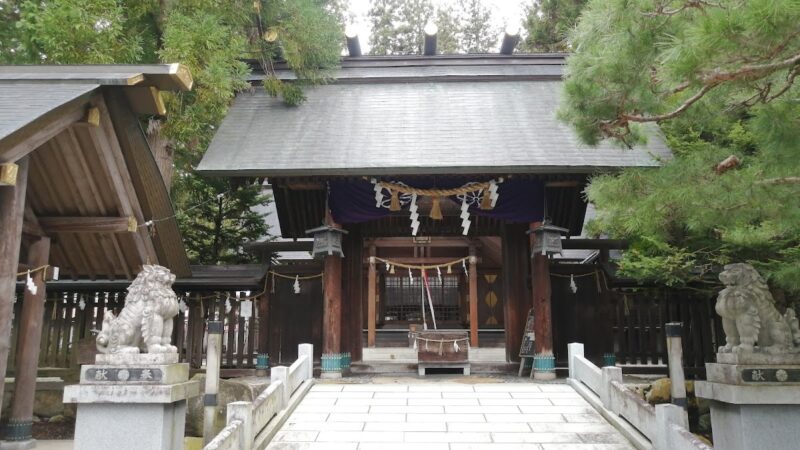
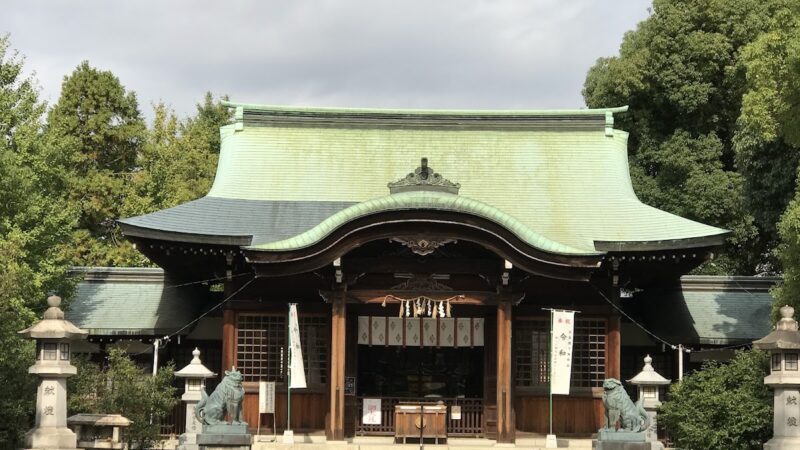
The main hall of Kashimori Shrine is built in the traditional style of shrine architecture. The worship hall is carefully maintained as a place for worshippers to offer their prayers.
Gifu Nobunaga Shrine
The Gifu Nobunaga Shrine is located within the shrine grounds. This shrine, which enshrines Oda Nobunaga as its deity, was established by inviting the deity from Kenkun Shrine in Kyoto. In Gifu, a place closely associated with Nobunaga, many history enthusiasts visit this place to commemorate his achievements.
Misono Enoki Tree
The “Misono Enoki” tree, where the market god of the Rakuichi-Rakuza (free market) is enshrined, is an important historical symbol within the shrine grounds. While the current hackberry tree has been replaced, its historical significance remains unchanged, allowing us to reminisce about the era of Nobunaga.
Tsumeiwa (Claw Rock)
Within the shrine grounds is a rock called “Tsumeiwa” (Claw Rock). This sacred stone has been an object of worship since ancient times, exuding a mystical atmosphere.
Kasumori Park
The shrine grounds have been developed into Kasumori Park, a place of relaxation for local residents. Cherry blossoms bloom in spring, and the park displays different scenery with each season.
Goshuin (Shrine Seal) Information
Regular Goshuin
Kashimori Shrine offers regular goshuin. You can receive one by visiting during the shrine office’s reception hours (generally 9:00 AM to 5:00 PM) and bringing your goshuin book.
The goshuin will have the words “Kashimori Shrine” written in ink and stamped with the shrine’s seal. The offering fee is generally around 300 to 500 yen.
Premium Friday Limited Edition Goshuin (Shrine Seal)
Kashimori Shrine sometimes offers limited edition goshuin (shrine seals) on Premium Friday (the last Friday of each month). These goshuin, featuring unique designs and colors, are popular and a hot topic among goshuin collectors.
Since limited edition goshuin are sometimes available in limited quantities, early visits are recommended to ensure you receive one. Please contact the shrine directly for the latest information.
Goshuincho (Shrine Seal Book)
Kashimori Shrine also offers original goshuincho. The designs are inspired by the shrine’s history and enshrined deities, making them popular souvenirs.
Annual Events and Festivals
Saitansai (New Year’s Festival) (January 1st)
This festival celebrates the New Year, attracting many first-time visitors. Prayers are offered for family safety, business prosperity, and academic success.
Setsubun Festival (Around February 3rd)
Bean-throwing ceremonies are held to ward off evil. Local children also participate, creating a lively atmosphere. ### Gifu Festival (First Saturday of April and the day before)
This is Gifu City’s largest festival, held together with Inaba Shrine and Kane Shrine. Floats and portable shrines parade through the city, attracting many spectators.
Annual Grand Festival (Autumn)
This is the most important festival of Kashimori Shrine, featuring the dedication of Kagura (sacred dance) and Shinto rituals.
Shichi-Go-San (November)
Kashimori Shrine, revered as the guardian deity of children, attracts many families during the Shichi-Go-San season. Commemorative photos and prayers are offered.
Nearby Tourist Attractions
Kane Shrine
Located about a 10-minute walk away, Kane Shrine is famous for its blessings of good fortune and wealth. It is recommended to visit it along with Kashimori Shrine as part of the Gifu Three Shrines pilgrimage.
Inaba Shrine
Inaba Shrine, the guardian shrine of Gifu City, is located about a 20-minute walk from Kashimori Shrine. It’s a must-visit shrine to complete the Gifu Three Shrines pilgrimage.
Gifu Castle
Gifu Castle, towering atop Mount Kinka, is a famous castle associated with Oda Nobunaga. You can reach the summit by ropeway and enjoy a panoramic view of Gifu city.
Kawaramachi
This old townscape along the Nagara River retains the atmosphere of the Edo period, with many traditional townhouses. There are also many cafes and souvenir shops, making it ideal for a stroll.
Gifu City History Museum
This museum allows you to learn about the history and culture of Gifu City. It also features exhibits related to Oda Nobunaga and Saito Dosan, providing a deeper understanding of the historical background of Kashimori Shrine.
Points to Note and Manners When Visiting a Shrine
Proper Worship Etiquette
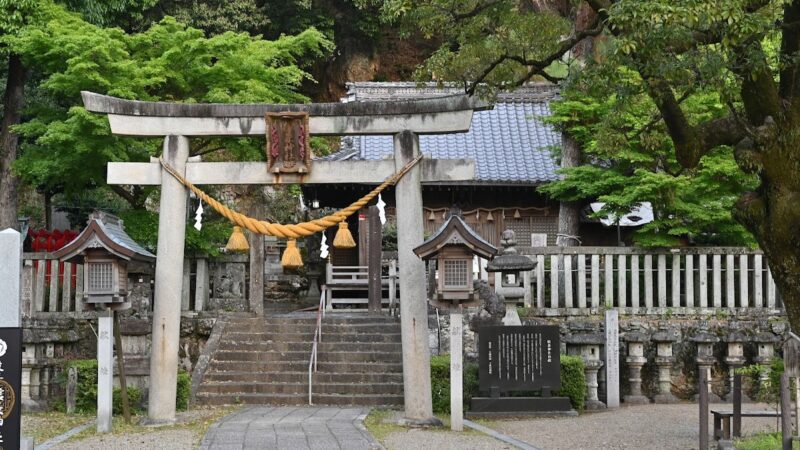
- Bow before passing through the torii gate.
- Cleanse your hands and mouth at the water basin.
- Bow twice, clap twice, and bow once in front of the main hall.
- Stroll quietly around the shrine grounds.
- Bow once again at the torii gate when leaving.
Photography
Photography is generally permitted on the shrine grounds, but please refrain from taking pictures during festivals and prayers. Remember to be considerate of other worshippers.
Parking
There is no dedicated parking lot on the shrine grounds. If you are visiting by car, please use nearby coin-operated parking lots. Especially during festivals and on weekends, congestion is expected, so we recommend using public transportation.
Reviews and Reputation
Visitor Voices
“I visited as part of the Gifu Three Shrines pilgrimage. Despite being in the city center, the quiet and peaceful atmosphere was wonderful.”
“I visited to pray for a safe delivery. I am grateful that I was blessed with a healthy baby.”
“I visited out of interest in its historical significance as the birthplace of the Rakuichi-Rakuza (free market) system. I was able to reflect on the era of Oda Nobunaga.”
“The Goshuin (shrine stamp) was beautifully written, and it added to my Goshuin collection. The limited-edition Goshuin are also appealing.”
“The shrine grounds are maintained as a park, so you can easily visit while taking a stroll. It gives the impression of a shrine deeply rooted in the community.”
Summary
Kashimori Shrine is a shrine with two important historical elements: a history dating back to ancient times and its connection to the Rakuichi-Rakuza system associated with Oda Nobunaga. As one of the Gifu Three Shrines pilgrimage sites, along with Inaba Shrine and Kin Shrine, it is popular with many visitors seeking blessings for family harmony, safe childbirth, and fertility.
Located in the heart of Gifu City, Kashimori Shrine is easily accessible for visitors during sightseeing or business trips. The shrine grounds are developed as Kasumori Park, serving as a place of relaxation for local residents.
Its goshuin (shrine stamps) and limited-edition goshuin are popular, making it a popular destination for goshuin pilgrimages. When visiting Gifu, be sure to stop by Kashimori Shrine. You’ll feel the weight of history and the warmth of its community rooted in the region.
Visiting Kashimori Shrine along with Inaba Shrine and Kane Shrine as part of the Gifu Three Shrines Pilgrimage is said to bring even deeper blessings. Kashimori Shrine continues to welcome many people today as a place to deepen family bonds and offer prayers for a happy life.