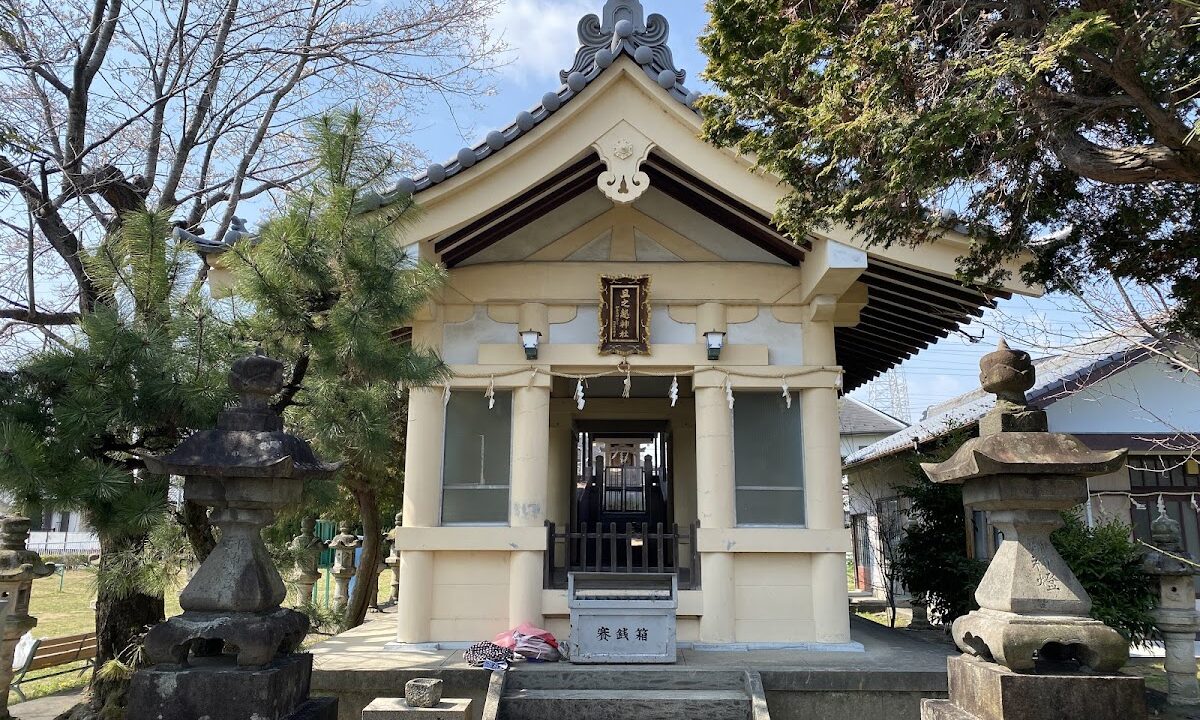
A Complete Guide to Asanokoshi Shrine (Gifu Prefecture): History, Benefits, and Access Information
Asanokoshi Shrine, located in Gifu Prefecture, is a venerable shrine deeply intertwined with the local history. This article provides detailed information you should know before visiting, including the shrine’s historical background, benefits, highlights within the grounds, and access methods.
What is Asanokoshi Shrine?
Asanokoshi Shrine is a shrine located in Gifu Prefecture and has been cherished by the local people since ancient times. The name “Asanokoshi” is thought to originate from the place name or topography, and it also has aspects of an important cultural asset that tells the story of the region’s history.
As a central presence in the local community, the shrine has served as a spiritual anchor for local residents through seasonal festivals and annual events. Even today, visitors continue to flock to the shrine for important life events such as New Year’s visits, Shichi-Go-San (a traditional rite of passage for children), and exorcisms.
History and Origins of Danokoshi Shrine
History of Founding
The founding period of Danokoshi Shrine is estimated from local traditions and records. Like many local shrines, it is believed to have been worshipped as the guardian deity of the land from ancient times to the Middle Ages.
Unraveling the history of the shrine reveals its close connection to the development of the region. During times when agriculture and forestry flourished, it played an important role as a place to pray for abundant harvests and safety in the mountains.
Historical Changes
Danokoshi Shrine has undergone various changes over time. While it may have been affected by war during the Sengoku period, it was re-established as the guardian shrine of the region during the Edo period, and after the Meiji Restoration’s separation of Shinto and Buddhism, it reached its current form.
Even in modern times, it has been carefully preserved by local residents, with repairs to the shrine buildings and maintenance of the grounds. This accumulation of history has shaped the current appearance of Danokoshi Shrine.
Deities and Benefits
Main Deity
The deity enshrined at Danokoshi Shrine is a god who has been worshipped since ancient times as a guardian deity of the region. Many local shrines enshrine gods from Japanese mythology, such as Amaterasu Omikami, Susanoo-no-Mikoto, and Okuninushi-no-Mikoto, or gods associated with the local area.
The blessings of a shrine are determined by the characteristics and divine virtues of the enshrined deity. Danokoshi Shrine has long been revered as a god that protects the peace and prosperity of the region.
Benefits and Divine Virtues
The blessings that can be received at Danokoshi Shrine include the following:
Family Safety and Protection from Misfortune
It is believed to offer blessings that protect the health and safety of family members and ward off misfortune. Many worshippers visit the shrine for New Year’s prayers and for protection from misfortune during their unlucky years.
Abundant Harvest and Business Prosperity
For those wishing for the development of agriculture and commerce, Dan-no-Koshi Shrine is an important place of prayer. A constant stream of worshippers visit to pray for bountiful harvests and business success.
Traffic Safety
As a deity protecting the safety of the region, the shrine is also believed to grant blessings for traffic safety. Many people visit for car blessings and prayers for safety.
Matchmaking and Fertility
The shrine is also believed to grant blessings for finding a good partner and being blessed with children, and the number of young worshippers is increasing.
Highlights of the Shrine Grounds
Main Hall and Worship Hall
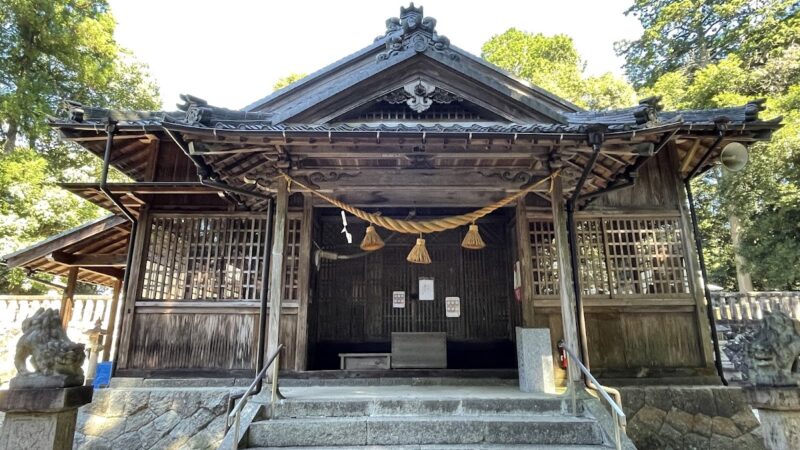
The main hall of Dan-no-Koshi Shrine is built in the traditional shrine architectural style, exuding a sense of historical weight. In the worship hall, worshippers can offer prayers to the deities.
The architectural style and decorations reflect the technology and aesthetic sensibilities of the time, giving it architectural historical value. Regular restorations maintain its beautiful condition.
Shrines within the Precincts and Subsidiary Shrines
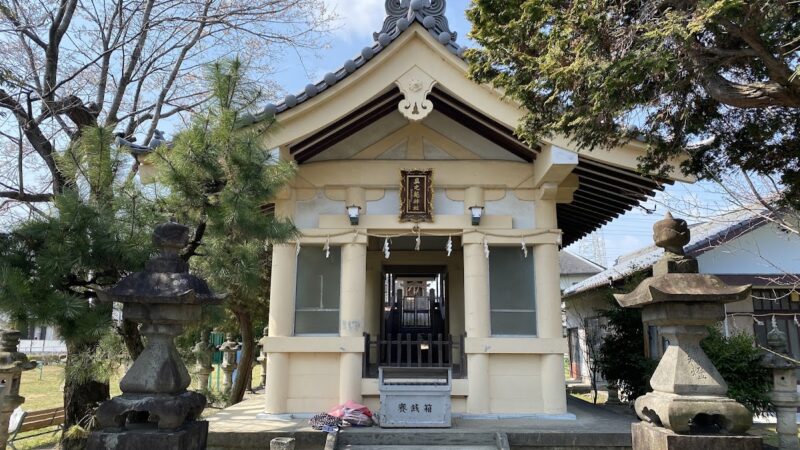
Besides the main shrine, there may be several subsidiary shrines within the precincts. Each of these small shrines enshrines a different deity, attracting worshippers seeking various blessings.
Sacred Trees and Nature
Within the shrine grounds, there are ancient sacred trees and nature that displays beautiful scenery throughout the seasons. This nature is an important element in creating the sacred atmosphere of the shrine.
In particular, ancient trees are believed to be inhabited by deities, and sometimes shimenawa (sacred ropes) are strung around them. You can feel the power of nature while strolling through the grounds.
Water Basin and Komainu (Guardian Dogs)
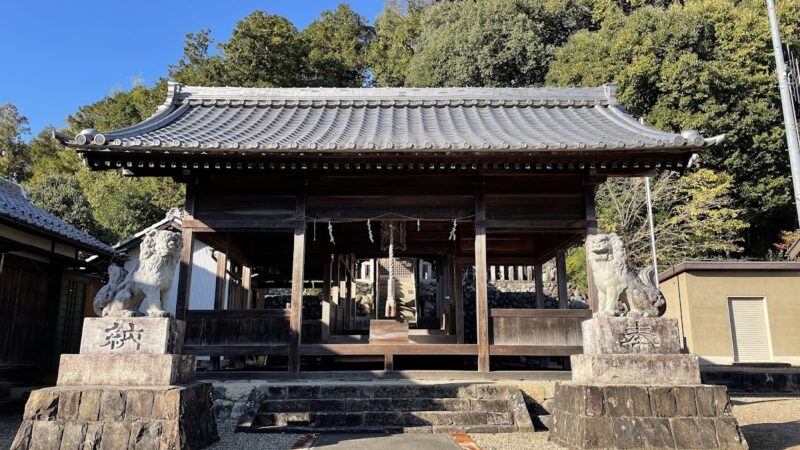
There is a water basin along the approach to the shrine, allowing you to purify your mind and body before worship. Also, guardian dogs (komainu) are positioned to protect the approach, and their expressions and forms are a point of interest.
Annual Events and Festivals
Grand Festival
At Dan-no-koshi Shrine, a grand festival is held once a year. This festival is one of the most important events in the region, attracting many parishioners and worshippers.
The annual grand festival sometimes features traditional performing arts such as a portable shrine procession, Kagura (sacred dance) performances, and lion dances, making it an important opportunity to pass on the region’s culture to future generations.
Seasonal Festivals
Hatsumode (January)
Many worshippers visit shrines for Hatsumode to welcome the new year and pray for safety and happiness throughout the year.
Setsubun Festival (February)
The Setsubun Festival is held to ward off evil and invite good fortune through events such as bean-throwing.
Natsukoshi no Oharae (June)
This Shinto ritual purifies the impurities accumulated over the past six months, sometimes including the ritual of passing through a ring of reeds.
Autumn Festival (Autumn)
This autumn festival expresses gratitude for the harvest and prays for a bountiful harvest in the coming year.
New Year’s Eve (December)
We offer thanks at the end of the year and prepare to welcome the new year.
Goshuin and Amulet Information
Goshuin
At Dan-no-koshi Shrine, you may receive a goshuin as proof of your visit. A goshuin is a stamp with the date of your visit, the name of the shrine, and the enshrined deity written in ink, and stamped with a red seal.
Collecting goshuin is becoming a hobby, and they are cherished as souvenirs of travel. When receiving a goshuin, please do so respectfully after completing your prayers.
Amulets and Sacred Items
Shrines offer a variety of amulets and talismans:
- Exorcism Amulet: For those in their unlucky year or those seeking protection from misfortune
- Traffic Safety Amulet: An amulet for safe driving
- Family Safety Amulet: An amulet for the health and peace of the family
- Academic Success Amulet: A popular amulet among students and those taking exams
- Matchmaking Amulet: For those seeking a good match
Amulets are sacred objects believed to contain the power of the gods. It is recommended to cherish them, wear them carefully, and return them to the shrine after a year to receive a new one.
How to Worship and Manners
Correct Worship Etiquette
There are traditional manners for worshipping at shrines. When visiting Dan-no-koshi Shrine, please follow the steps below.
1. Passing Through the Torii Gate
The torii gate is the entrance to the sacred area. Bow before passing through. The center of the approach to the shrine is considered the path of the gods, so it is polite to walk along the sides.
2. Purifying yourself at the water basin
- Hold the ladle in your right hand and purify your left hand.
- Switch the ladle to your left hand and purify your right hand.
- Switch the ladle back to your right hand, receive water in your left hand, and rinse your mouth.
- Purify your left hand again.
- Hold the ladle upright, purify the handle, and return it to its original position.
3. Worship at the main hall
- Quietly place your offering in the offering box.
- Ring the bell if there is one.
- Perform the two bows, two claps, and one bow (two deep bows, two claps, one deep bow).
- Recite your wish silently in your heart.
Attire for worship
Unless you are attending a special festival or prayer, it is acceptable to worship in everyday clothes. However, be mindful that it is a sacred place and strive to wear clean and respectful attire.
Access and Basic Information
Location
Dankoshi Shrine is located in Gifu Prefecture. It is recommended to confirm the specific address in advance.
Transportation Access
Access by Train
Access is by foot, bus, or taxi from the nearest station. Checking public transportation timetables in advance is recommended.
Access by Car
If visiting by private car, enter the shrine name or address into your car navigation system. Also, check the travel time from the nearest highway interchange in advance.
Parking Information
The availability and capacity of parking vary depending on the size of the shrine. Due to expected congestion on major festival days, early arrival is recommended.
Visiting Hours and Shrine Office Hours
While the shrine grounds are generally open for free visits during the day, those wishing to receive Goshuin (shrine stamps) or amulets must visit during the shrine office’s opening hours.
Generally, shrine offices are open from 9 AM to around 5 PM, but this varies by shrine, so it’s recommended to check in advance.
Nearby Tourist Attractions
Shrines and Temples in Gifu Prefecture
When visiting Dan-no-koshi Shrine, it’s also recommended to visit other nearby shrines and temples. Gifu Prefecture has many historical shrines and temples.
Nature and Scenic Spots
Gifu Prefecture is blessed with abundant nature. In addition to visiting the shrine, you can enjoy nature walks and scenic spots in the surrounding area.
Gourmet Food and Local Products
After visiting the shrine, enjoying local specialty dishes and products is another pleasure of travel. Gifu Prefecture boasts nationally famous gourmet foods such as Hida beef and Hoba miso.
Guidelines for Visiting Dan-no-koshi Shrine
The Significance of Visiting a Shrine
Visiting a shrine is not merely sightseeing; it is an act of expressing gratitude and respect to the gods. Let us visit the shrine with gratitude for our daily peace and happiness, and with a heart that prays for guidance in the future.
Photography Etiquette
Photography is generally permitted on the shrine grounds, but it may be prohibited inside the main hall or in certain sacred areas. Please check before taking pictures and be considerate of other visitors.
Respect
The shrine is a sacred place. Please avoid speaking loudly or running around, and maintain a quiet and reverent attitude.
Danokoshi Shrine in Every Season
Danokoshi Shrine in Spring
In spring, the cherry blossoms and fresh greenery on the shrine grounds are beautiful, welcoming visitors. Visiting in the warm sunshine will be a refreshing experience for both mind and body.
Danokoshi Shrine in Summer
In summer, the greenery becomes lush, and the shrine grounds are full of life. If a summer festival is held, you can feel the vibrancy of the local community.
Danokoshi Shrine in Autumn
In autumn, the autumn leaves color the shrine grounds, making it one of the most beautiful seasons. The autumn festival, a celebration of gratitude for the harvest, is also a highlight.
Winter at Dan-no-koshi Shrine
The shrine grounds, enveloped in the silence of winter, exude an even more solemn and sacred atmosphere. During the New Year’s visit, it is bustling with many worshippers offering prayers for the new year.
Summary
Dan-no-koshi Shrine, a historic shrine located in Gifu Prefecture, has long been cherished by the local people. Many worshippers visit today seeking various blessings, such as family safety, protection from evil and good fortune, and a bountiful harvest.
Dan-no-koshi Shrine has many attractions, including its traditional shrine architecture, the changing scenery of nature with each season, and festivals rooted in the local community. By observing the correct worship etiquette and manners, and offering your prayers with a sincere heart, you are sure to feel refreshed.
When visiting Gifu Prefecture, be sure to visit Dan-no-koshi Shrine. It will be a valuable experience to touch upon history and tradition and feel the blessings of the gods. Why not renew your gratitude for everyday life through a visit to a shrine and pray for happiness in your future life?