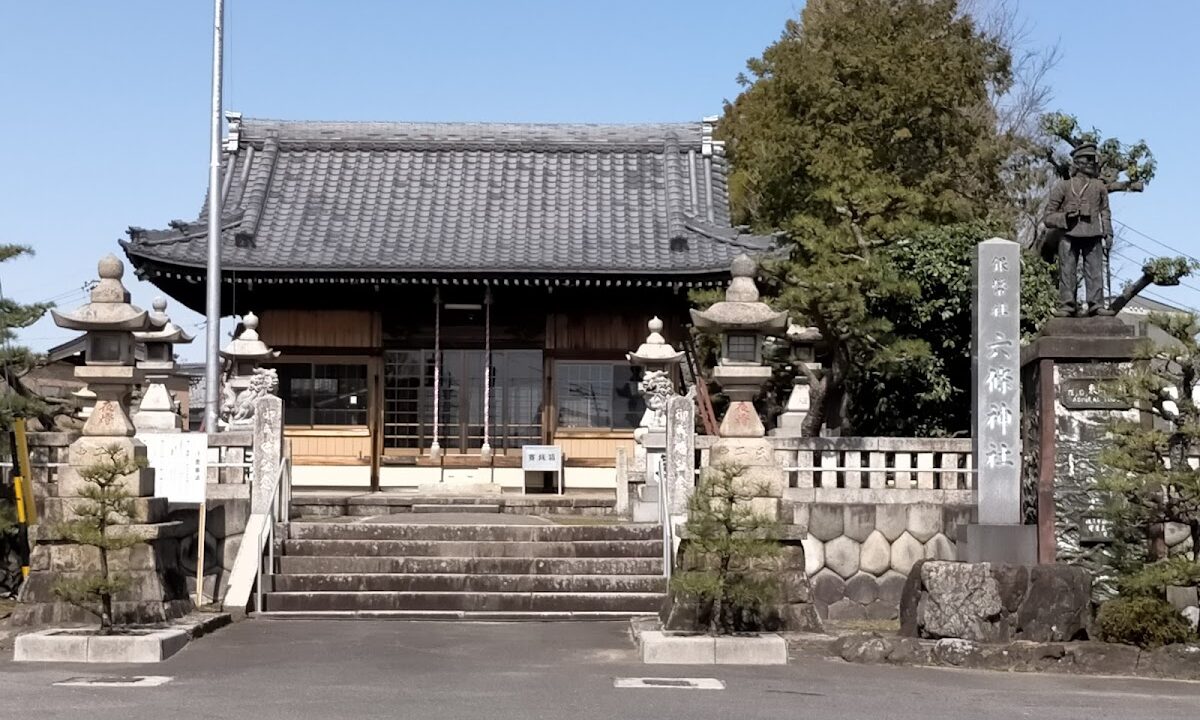
Rokujo Shrine (Gifu City, Gifu Prefecture) Complete Guide | History, Deities, Festivals, and Access Information
Rokujo Shrine, located in Rokujo Kita, Gifu City, Gifu Prefecture, is a venerable shrine with a history of over 900 years. It enshrines Susanoo-no-Mikoto, and its festival, featuring a unique offering of scale-shaped rice cakes, and its deep connection to the lord of Kano Castle, conveys a history of faith deeply rooted in the region. This article provides detailed information useful for visitors, including the history of Rokujo Shrine, its enshrined deities, festivals, access methods, and information on Goshuin (shrine stamps).
Basic Information on Rokujo Shrine
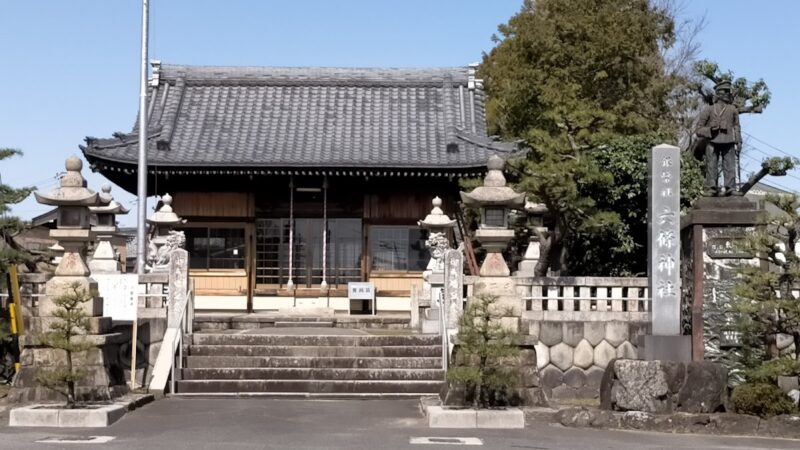
Rokujo Shrine is a beloved local shrine located in the Rokujo district of Gifu City. The shrine grounds, quietly nestled within a residential area, are carefully preserved as a place of worship for local residents.
Location: 2-2-7 Rokujo Kita, Gifu City, Gifu Prefecture 500-8359
Main Deity: Susanoo-no-Mikoto
Annual Festival Date: April 5th
Shrine Rank: Former Village Shrine
The name Rokujo Shrine originates from the place name “Rokujo” in this area. While several historical shrines are scattered throughout Gifu City, Rokujo Shrine is known for its unique traditions.
History and Origins of Rokujo Shrine
Founding History
Rokujo Shrine is said to have been founded in Gen’ei 2 (1119). It is believed to have begun in the late Heian period when a divided spirit was received from Gion Gozu Tenno in Kyoto, and a shrine was erected in this location.
Gion Gozu Tenno is a deity syncretized with Susanoo-no-Mikoto and was widely worshipped as a god of protection against epidemics and misfortune. It is believed that people suffering from an epidemic at the time sought divine protection from the Gion Shrine in Kyoto (present-day Yasaka Shrine) and invited the deity to this location.
Record of the Invocation in December of the Year of the Boar
According to records of the Gifu Prefectural Shrine Association, in December of the Year of the Boar (1778 AD, although this requires calculation around the turn of the millennium to convert to the Gregorian calendar, it is presumed to be a record from the Edo period), the divine spirit of Gion Gozu Tenno from the imperial capital (Kyoto) was formally invited, and a small shrine was erected. At this time, the deity began to attract the faith of local people as the guardian deity of the clan.
Relationship with the Lord of Kano Castle
A noteworthy aspect of Rokujo Shrine’s history is its deep connection with Okudaira Mimasa-no-kami Nobumasa, the lord of Kano Castle during the Keicho era (1596-1615).
Okudaira Nobumasa was a samurai known as the son-in-law of Tokugawa Ieyasu and the first lord of the Kano Domain. Nobumasa held deep reverence for Rokujo Shrine, visiting it with his retainers and dedicating his family crest, the “Nashiwari-mon” (pear-splitting crest), to the shrine.
This dedication of the Nashiwari-mon indicates that Rokujo Shrine was not merely a small local shrine, but a prestigious shrine recognized by the lord of the Kano Domain. This reverence from the samurai class elevated the shrine’s status, establishing its position as a center of faith in the region.
Developments in the Modern Era
Following the Meiji-era separation of Shinto and Buddhism, the shrine’s Buddhist name, Gozu Tenno, was replaced with Susanoo-no-Mikoto, a Shinto deity, as its official enshrined deity. Since then, it has continued to be revered as the local guardian deity, attracting the faith of the people of the Rokujo district.
It has a history of being carefully preserved by the local residents, even after surviving the ravages of World War II.
About the enshrined deity: Susanoo-no-Mikoto
Susanoo-no-Mikoto, the principal deity of Rokujo Shrine, is one of the most important gods in Japanese mythology.
The divine nature of Susanoo-no-Mikoto
Susanoo-no-Mikoto is a god born as a child of Izanagi-no-Mikoto and is the younger brother of Amaterasu-Omikami. While possessing a fierce and courageous character, he is also known as a heroic god who saved people by slaying the Yamata no Orochi (eight-headed serpent).
Characteristics of the Faith
Susanoo-no-Mikoto is believed to possess the following divine virtues:
- Protection from Evil and Disaster: Based on the myth of slaying the Yamata no Orochi (eight-headed serpent), he is believed to have the power to ward off all calamities.
- Protection from Plague: Connected to Gion faith, he is worshipped as a god who protects people from plagues.
- Abundant Harvest: He also has an aspect as a god of agriculture.
- Matchmaking: Based on the myth of his marriage to Kushinadahime-no-Mikoto, he also possesses the divine virtue of matchmaking.
- Industrial Development: He is also revered as a god who gave rise to various cultures and industries.
At Rokujo Shrine, local people visit daily to pray for these divine virtues.
The Annual Festival “Otana Matsuri” and the Tradition of Uroko Mochi
The annual festival of Rokujo Shrine is held every year on April 5th and is a unique festival with a distinctive tradition, also known as the “Otana Matsuri.”
The Origin of Urokomochi (Scale Rice Cake)
The most distinctive feature of the annual festival is the offering of “Urokomochi,” a rice cake inspired by the myth of Susanoo-no-Mikoto slaying the Yamata no Orochi (eight-headed serpent).
The Yamata no Orochi was a gigantic serpent monster with eight heads and eight tails, which demanded a young maiden as a sacrifice every year. The myth tells of Susanoo-no-Mikoto slaying this serpent and saving Kushinadahime-no-Mikoto.
Urokomochi is a rice cake shaped like the scales of the Yamata no Orochi, and is a valuable ceremonial food that preserves the story of the serpent’s slaying. At the Rokujo Shrine’s annual festival, offering this Urokomochi to the gods honors Susanoo-no-Mikoto’s great achievement and prays for protection against evil and peace in the region.
Details of the Annual Festival
At the annual festival on April 5th, local parishioners gather, and the following Shinto rituals are performed:
- Festival Ritual: Recitation of prayers and offering of sacred branches by Shinto priests
- Offering of Scale-Shaped Rice Cakes: Traditional scale-shaped rice cakes are offered before the gods
- Prayers by Worshippers: Prayers offered by parishioners and worshippers
- Naorai (Feast): A communal meal after the rituals
This annual festival is the most important annual event at Rokujo Shrine and also serves as an opportunity to deepen the bonds of the local community.
Shrine Grounds and Highlights
Despite being located in a residential area of Gifu City, the grounds of Rokujo Shrine maintain a tranquil atmosphere.
Shrine Buildings
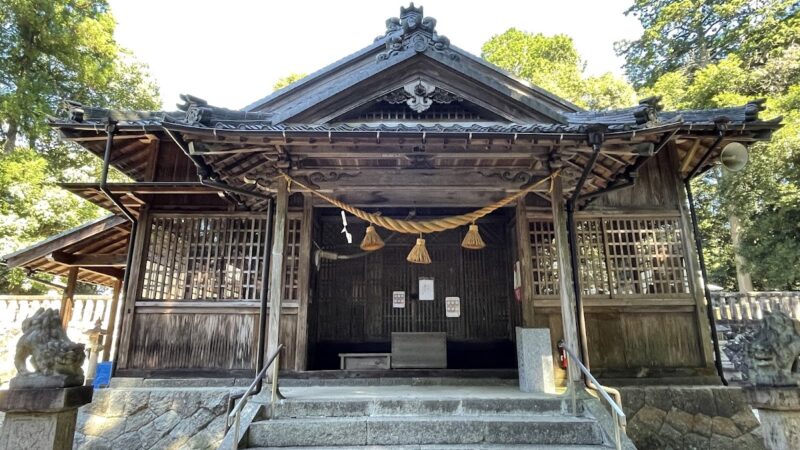
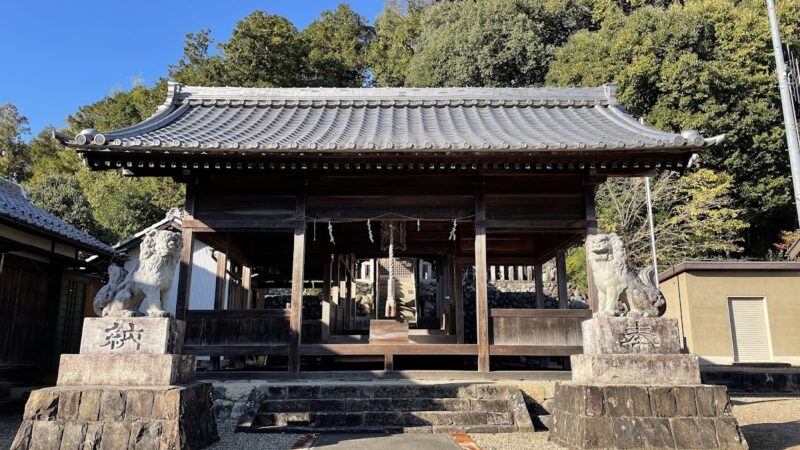
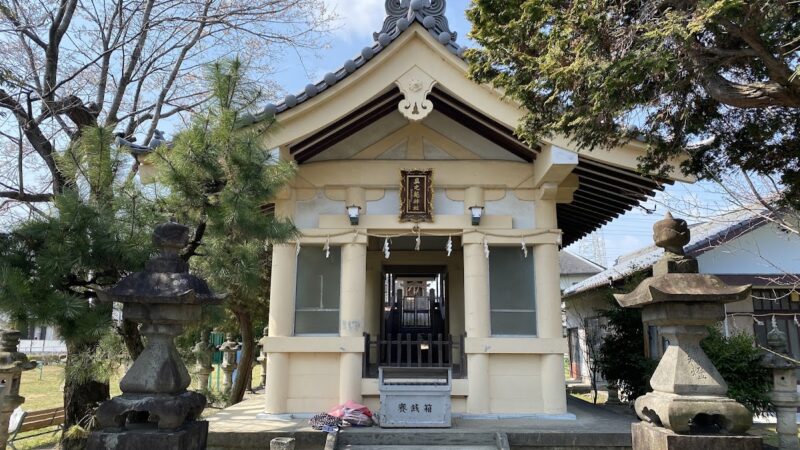
The main hall is thought to be in the traditional Shinmei-zukuri or Nagare-zukuri style, and although small in scale, it is carefully maintained. Local residents can be seen visiting the worship hall daily to offer prayers. ### Atmosphere of the Shrine Grounds
Despite being located in an urban area, a tranquil atmosphere permeates the shrine grounds. Surrounded by large trees, the space is cherished by local residents as a place to escape the hustle and bustle of everyday life and find peace of mind.
Cultural Properties
The shrine possesses historically valuable items, such as materials related to the pear-cut crest said to have been donated by Okudaira Nobumasa, the lord of Kano Castle. However, it is necessary to confirm whether these items are open to the public.
Goshuin (Shrine Seal) Information
Regarding the issuance of Goshuin at Rokujo Shrine, as it is a small shrine, there may not be a resident priest.
Requesting a Goshuin (Shrine Seal)
If you wish to receive a Goshuin, we recommend checking in advance using the following methods:
- Inquiry to the Gifu Prefectural Shrine Association: They may have information on Goshuin availability at shrines within the prefecture.
- Inquiry at nearby large shrines: You may be able to obtain information about Goshuin availability at major shrines in Gifu City.
- Inquiry to the local parishioners’ representative: You can also inquire directly during festivals or other events.
Etiquette for Visiting Shrines and Temples
A Goshuin is not merely a commemorative stamp; it is a sacred item bestowed by the shrine as proof of worship. Always offer your prayers before receiving a Goshuin.
Access and Surrounding Area Information
Access by Public Transportation
Nearest Station: JR Gifu Station or Meitetsu Gifu Station
Access on Foot:
- Approximately 15-20 minutes on foot from JR Gifu Station
- Approximately 15-20 minutes on foot from Meitetsu Gifu Station
From the station, head northeast towards Rokujo. After passing through the city center of Gifu and entering a residential area, you will arrive at the Rokujo Kita district, where Rokujo Shrine is located.
Access by Bus:
- Take a Gifu Bus bound for Rokujo
- A few minutes’ walk from the nearest bus stop
We recommend checking the Gifu Bus official website for specific bus routes and timetables.
Access by Car
Access from Major Roads:
- Approximately 20 minutes from the Gifu-Kakamigahara IC on the Tokai-Hokuriku Expressway
- Approximately 30 minutes from the Gifu-Hashima IC on the Meishin Expressway
Parking: Due to the size of the shrine, there may not be a large dedicated parking lot. Please consider using nearby coin-operated parking lots or public transportation.
Nearby Attractions
When visiting Rokujo Shrine, you can also visit other tourist spots in Gifu City:
Gifu Castle: A symbol of Gifu, towering over the summit of Mt. Kinka. Famous as a castle associated with Oda Nobunaga.
Nagara River: One of Japan’s three most pristine rivers. Known for cormorant fishing
Kano Castle Ruins: Remains of Kano Castle, which has close ties to Rokujo Shrine, still exist.
Other Shrines and Temples in Gifu City: Inaba Shrine, Kashimori Shrine, Sofuku-ji Temple, etc.
Manners and Etiquette for Visiting Shrines
We will introduce basic manners for visiting Rokujo Shrine.
Basic Procedure for Visiting a Shrine
- Bow at the Torii Gate: Bow before entering the shrine grounds.
- Purification at the Water Basin: Purify your hands and mouth (if a water basin is available).
- Worship at the Main Hall: Worship using the two bows, two claps, and one bow ritual.
- Behavior within the Shrine Grounds: Behave quietly and with reverence.
- Bow Upon Departure: Bow towards the shrine at the torii gate when leaving.
Regarding Photography
Photography is generally permitted within the shrine grounds, but please note the following:
- Do not take photos in areas where photography is prohibited, such as inside the main hall.
- Be considerate of other worshippers.
- Refrain from taking photos during festivals or other times when photography should be avoided.
- When posting on social media, remember to show respect to the shrine.
Regarding Attire
No special attire is required for daily visits, but please dress in a clean and respectful manner. Formal attire is recommended when attending special Shinto rituals such as annual festivals.
Other Shrines with “Roku” in Their Names in Gifu City
There are several shrines in Gifu Prefecture with the character “Roku” in their names. It’s important to understand the differences to avoid confusion with Rokujo Shrine.
Rokushō Shrine (Iwataki Higashi, Gifu City)
Rokushō Shrine, located at 1-238 Iwataki Higashi, Gifu City, is a different shrine from Rokujo Shrine. Its main deity is Ōnamuchi-no-Mikoto, and it is said to have been founded in ancient times before the Jōkyū War.
The name “Rokushō” is said to originate from the enshrinement of six deities, and has a different meaning from “Rokujō.”
Other Rokusha Shrines
According to records of the Gifu Prefectural Shrine Association, there are “Rokusha Shrines” in Gifu Prefecture, including Kani City, Kobe Town, Ōgaki City, and Tarui Town. These shrines primarily enshrine six deities and belong to a different lineage than Rokujo Shrine. When visiting or conducting research, it is important to carefully confirm the location and name of the shrine.
Annual Events of Rokujo Shrine
In addition to the annual festival, various Shinto rituals are performed throughout the year at Rokujo Shrine.
Main Annual Events
January 1st: Saitansai (New Year’s Day Festival) – A Shinto ritual celebrating the New Year
February (Setsubun Festival): Setsubun Festival – A Shinto ritual for warding off evil spirits
April 5th: Reitaisai (Grand Festival) – The most important annual festival
July: Nagoshi no Harae (Summer Purification Ceremony) – A Shinto ritual to purify oneself of the impurities accumulated over the past six months (Confirmation of whether the ceremony will be held is necessary)
November: Shichi-Go-San (Seven-Five-Three Festival) – Prayers for the healthy growth of children
December 31st: Oharai (Great Purification Ceremony) and Joyasai (New Year’s Eve Festival) – Purification of the impurities accumulated over the year and preparation for welcoming the New Year
It is recommended to check the details and implementation status of these events in advance.
Community Involvement and Parishioner Activities
Rokujo Shrine plays a central role in the local community as the guardian shrine of the Rokujo district.
Parishioner Organization
The parishioners’ association, organized by local parishioners, is responsible for the maintenance and management of the shrine and the operation of festivals. The shrine is protected through the cooperation of local residents, including preparations for the annual festival and cleaning of the shrine grounds.
Collaboration with Local Events
Rokujo Shrine is deeply involved in various local events. The shrine’s involvement in important life events such as the birth and growth of children, marriages, and new home construction strengthens community bonds.
Preservation of Tradition
Passing on the traditions of Rokujo Shrine, such as the techniques for making scale-shaped rice cakes and the etiquette of the annual festival, to the next generation is also an important role of the parishioners. In today’s society, where the birthrate is declining and the population is aging, the preservation of such traditional culture is a major challenge, but it is being protected through the efforts of the local people.
Significance of Visiting Rokujo Shrine
What is the significance of visiting a small local shrine in modern society?
Connection to History
Rokujo Shrine boasts a history of over 900 years, conveying the faith and lives of the people who lived in this area. By visiting, we can feel a connection to history.
Understanding Local Culture
Rokujo Shrine encapsulates the local culture of Gifu, from the tradition of Urokomochi (scale-shaped rice cakes) to its connection with the lord of Kano Castle. Visiting the shrine allows for a deeper understanding of the region’s history and culture.
Peace of Mind
In an increasingly urbanized world, the grounds of a shrine offer a precious space for peace of mind. The time spent quietly praying, away from the hustle and bustle of daily life, is a vital source of mental rest for modern people.
Connection to Community
Visiting a local shrine allows us to feel a connection to the local community. Participating in events such as festivals fosters interaction with local people.
Summary: The Charm of Rokujo Shrine
Located in Rokujo Kita, Gifu City, Gifu Prefecture, Rokujo Shrine is a historic shrine that has attracted the faith of local people for over 900 years since its founding in 1119.
The shrine enshrines Susanoo-no-Mikoto, and its annual festival, “Otana Matsuri,” where unique scale-shaped rice cakes related to the myth of the slaying of the Yamata no Orochi (eight-headed serpent) are offered, is a tradition unique to this shrine that is still passed down today. From its history of being revered by Okudaira Nobumasa, the lord of Kano Castle, to its role as the local guardian deity, Rokujo Shrine encapsulates the history and culture of Gifu.
While not a large-scale tourist shrine, it offers a simple and warm sense of faith deeply rooted in the community. When you visit Gifu, be sure to stop by Rokujo Shrine and quietly pray in its tranquil grounds where 900 years of history breathes.
Cherishing small local shrines is connected to preserving Japan’s traditional culture and local communities. We hope that your visit to Rokujo Shrine will be a meaningful experience for everyone.