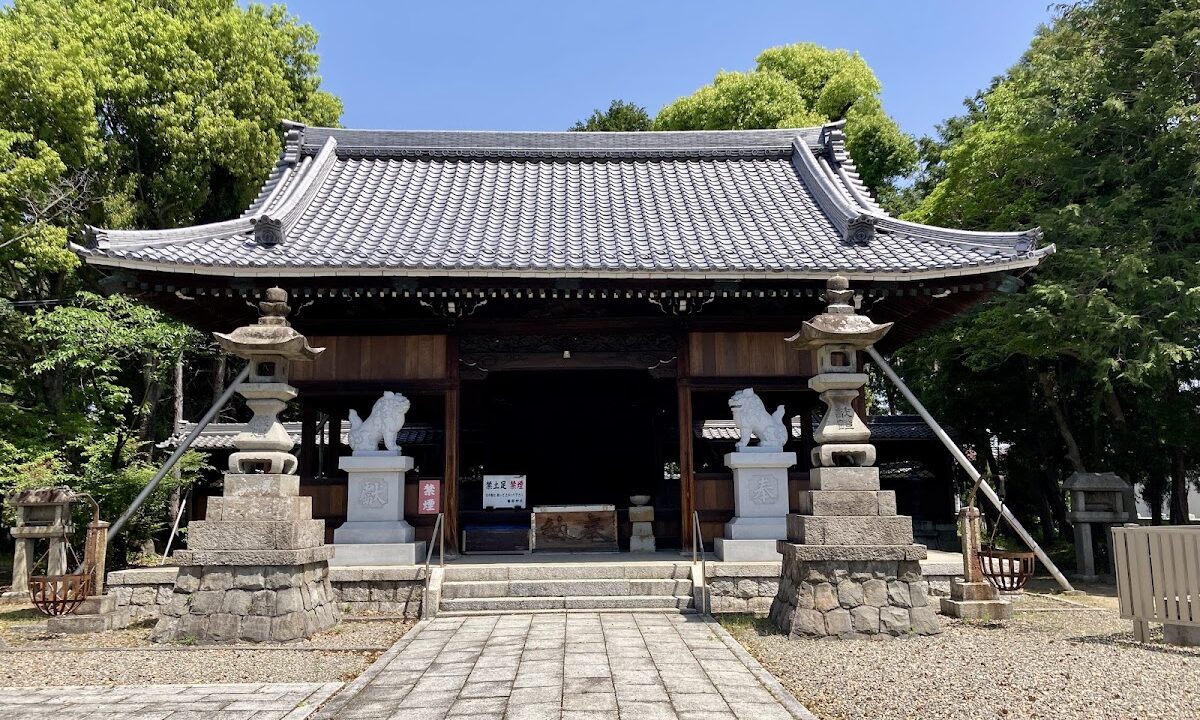
Akanebe Shrine (Gifu Prefecture) Complete Guide: History, Deities, Access, and Grounds
Akanebe Shrine, located in the Akanebe district of Gifu City, Gifu Prefecture, is a historical shrine with a history dating back to the Heian period. It is listed in the Engishiki Jinmyocho (a list of shrines compiled in the Heian period) as a Shikinaisha (a shrine listed in the Engishiki), and has long been revered as the local tutelary deity. This article provides a detailed explanation of Akanebe Shrine’s history, deities, highlights of its grounds, and access methods.
About Akanebe Shrine
Akanebe Shrine is located in Akanebe Terayashiki 1-chome, Gifu City, Gifu Prefecture, and its former shrine rank was Gosha (village shrine). It is a Shikinaisha of Atsumi District, Mino Province, listed in the Engishiki Jinmyocho, and is deeply revered by local residents as the tutelary deity of the Akanebe district of Gifu City.
It is said to have been founded in the early Heian period, in the 7th year of Tenchō (830 AD), and is considered the 10th oldest Hachiman shrine in Japan, having been established by inviting a branch deity from Usa Hachiman Shrine in Buzen Province (present-day Oita Prefecture). Among the approximately 35,000 Hachiman shrines said to exist nationwide, it is one of the most historically significant.
History of Akanebe Shrine
Founding and Invitation from Usa Hachiman Shrine
Akanebe Shrine is believed to have been founded during the Tenchō era (824-834 AD), specifically around the 7th year of Tenchō (830 AD). During this period, from the reign of Emperor Saga to the reign of Emperor Junna, Hachiman worship spread throughout Japan.
Akanebe Shrine was founded by inviting a divided spirit from Usa Jingū (Usa Hachiman Shrine) in Buzen Province. Usa Shrine is the head shrine of Hachiman worship, and Akanebe Shrine was founded as the tenth branch shrine established by inviting a deity from Usa Shrine, making it a very early example. This indicates that the Akanebe area was an important region from ancient times.
Status as a Shikinaisha Shrine
The Engishiki Jinmyocho (Completed in 927), compiled in the mid-Heian period, lists Akanebe Shrine as a shrine in Atsumi District, Mino Province. A Shikinaisha is a historically significant shrine officially recognized by the imperial court, indicating that Akanebe Shrine was an important center of local faith even at that time.
Changes Since the Early Modern Period
Throughout the Edo period, Akanebe Shrine served as the guardian shrine of Akanebe Village, attracting the faith of local residents. Under the Meiji era’s shrine ranking system, it was ranked as a Gosha (village shrine), establishing its position as a central shrine in the region.
Although the shrine ranking system was abolished after the war, the Akanebe Shrine remains the tutelary shrine of the Akanebe area, attracting many worshippers during New Year’s visits and annual festivals.
Deities Enshrined
Akanebe Shrine enshrines three deities central to Hachiman worship.
Emperor Ōjin (Homutawake-no-Mikoto)
The principal deity is Emperor Ōjin, also known as Homutawake-no-Mikoto. He is believed to have been a real historical figure, the 15th Emperor, and was deified as Hachiman. He is worshipped as a god of military fortune, a god of national protection, and also revered as a god who brings about the development of culture and industry.
Empress Jingu (Okinagatarashihime no Mikoto)
Empress Jingu, the mother of Emperor Ojin, is enshrined here as Okinagatarashihime no Mikoto. Known for the legend of her conquest of the Three Kingdoms of Korea, she is also worshipped as a goddess of safe childbirth and child-rearing.
Takenouchi no Sukune
Takenouchi no Sukune, a legendary loyal retainer who served Emperor Ojin, is also enshrined here. Worshipped as a god of longevity and wisdom, he is also considered a symbol of loyalty due to the legend of his service to five emperors.
These three deities are worshipped together as the “Three Gods of Hachiman” in many Hachiman shrines.
Shrine Grounds Guide
The grounds of Akanebe Shrine are enveloped in a tranquil atmosphere that evokes a sense of history.
Approach to the Shrine
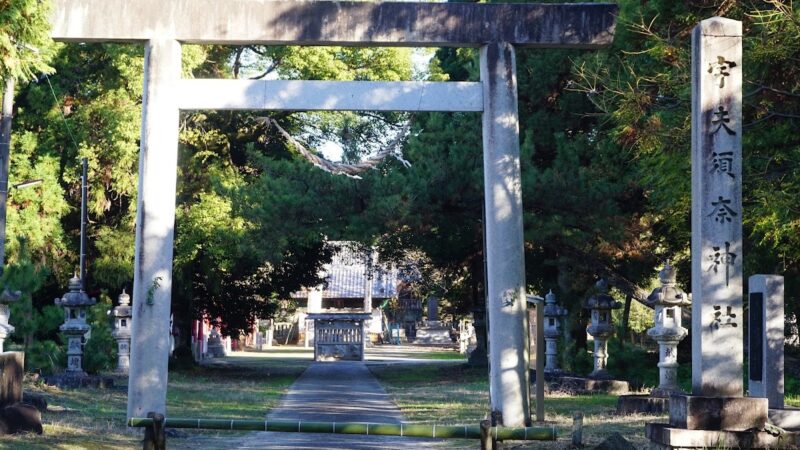
One of the distinctive features of Akanebe Shrine is its approach, which stretches for approximately 100 meters. Numerous stone lanterns line this path, creating a solemn atmosphere. The wide path is beautifully maintained, allowing for a relaxed and peaceful visit.
Many of the stone lanterns were donated by parishioners and local residents, testifying to the deep faith of the community over many years.
Torii Gate
A torii gate stands at the entrance to the approach, marking the entrance to the sacred area. Passing through the torii gate, one enters a tranquil space, far removed from the hustle and bustle of everyday life.
Worship Hall and Main Shrine
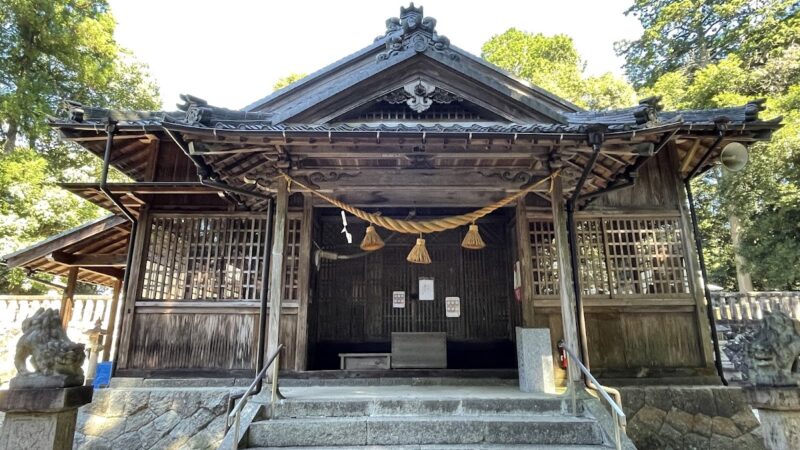
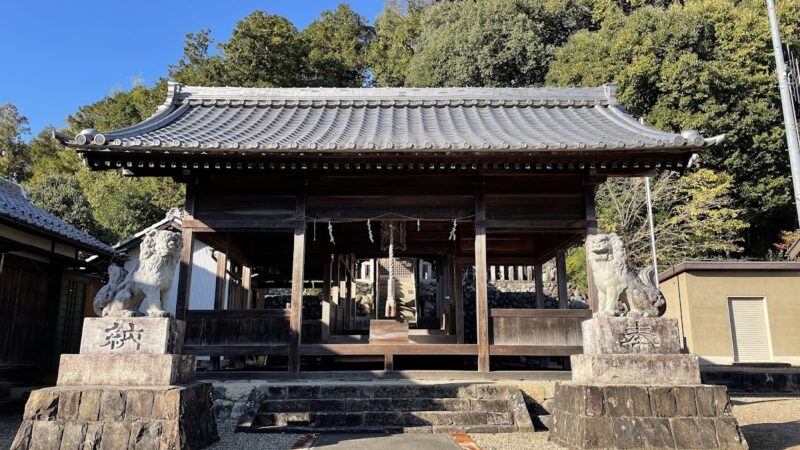
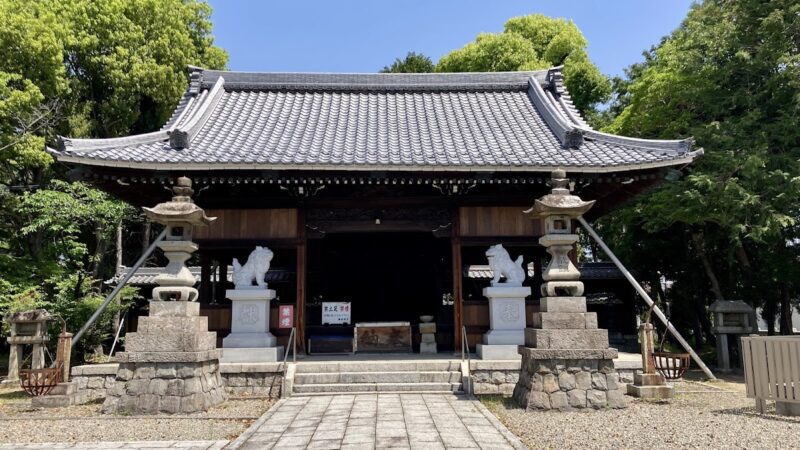
Following the approach, one comes to the worship hall, and beyond it, the main shrine. The worship hall is where worshippers offer their prayers, while the main shrine enshrines the deity. The architectural style follows traditional shrine architecture, conveying a sense of historical weight.
Shrine Precincts
Besides the main shrine, Akanebe Shrine’s grounds contain several smaller shrines (subsidiary shrines and minor shrines). Each of these small shrines enshrines a deity associated with the local area, showcasing diverse forms of worship.
The placement of these shrines along the approach and throughout the grounds indicates that Akanebe Shrine is a comprehensive center of worship for the region.
Cultural Assets
Akanebe Shrine possesses cultural assets and historical materials that have been preserved and passed down through its long history.
The stone lanterns lining the approach were mostly donated during the Edo and Meiji periods, and are valuable cultural heritage that convey the stonemasonry techniques and religious practices of the time. Each lantern bears the name of the donor and the year of donation, making them valuable resources for local history research.
Furthermore, the ancient documents and ritual implements preserved at the shrine are important resources for understanding the region’s history.
Annual Festivals and Rituals
Akanebe Shrine holds various festivals and rituals throughout the year.
Annual Festival
The annual festival, held on a designated day each year, is the most important festival at Akanebe Shrine. It’s a community-wide celebration, featuring a procession of portable shrines through the area and various offerings. Many worshippers and local residents gather during the festival, creating a lively atmosphere.
Annual Events
Seasonal rituals such as the New Year’s visit, Setsubun festival, summer purification ceremony, and autumn harvest thanksgiving festival are also carefully observed. These events preserve a form of faith based on the traditional Japanese calendar.
Access and Basic Information
Location
Address: 1-chome, Akanebe Terayashiki, Gifu City, Gifu Prefecture
Transportation Access
Access by Train:
- Approximately 15 minutes on foot from Meitetsu Takehana Line “Nishi-Kasamatsu Station”
- Take a bus or taxi from JR Tokaido Main Line “Gifu Station”
Access by Car:
- Approximately 15 minutes from Tokai-Hokuriku Expressway “Gifu-Kakamigahara IC”
- Approximately 20 minutes from Meishin Expressway “Gifu-Hashima IC”
Regarding parking, there is space available for use during visits, but during crowded times such as festivals, using public transportation is recommended.
Visiting Hours
The shrine grounds are generally open for free visits. However, it is considered good manners to refrain from visiting early in the morning or late at night.
Regarding Goshuin (Shrine Seals)
Regarding the issuance of Goshuin at Akanebe Shrine, confirmation is necessary. Please inquire at the shrine office during your visit. Many sources state that Goshuin (temple/shrine stamps) are not issued, but please check directly with the shrine for the latest information.
Highlights and Charms of Akanebe Shrine
The Weight of History
Akanebe Shrine, with a history of nearly 1200 years, is a place of worship that has continued since the Heian period. Its status as a Shikinaisha (a shrine listed in the Engishiki) and its history as the 10th Hachiman Shrine, established by inviting a deity from Usa Hachiman Shrine, are of great appeal to history buffs.
Tranquil Grounds
Despite its location in an urban area, the shrine grounds are enveloped in a quiet and peaceful atmosphere. Walking along the approach lined with stone lanterns, you can forget the hustle and bustle of everyday life and find peace of mind.
A Faith Rooted in the Community
Akanebe Shrine is cherished by the local residents as the tutelary deity of the Akanebe district. It plays a central role in local festivals and events, and you can see the faith being passed down through generations.
Beautifully Maintained Environment
The shrine grounds and approach are beautifully maintained, making for a pleasant visit. It’s clear that the local community takes excellent care of the site.
Nearby Attractions
There are other places worth visiting around Akanebe Shrine.
Shrines and Temples in Gifu City
Gifu City is home to numerous historical shrines, including Inaba Shrine, Kin Shrine, and Kashimori Shrine. Visiting these along with Akanebe Shrine will give you a deeper understanding of Gifu’s history and culture.
Gifu Castle
Gifu Castle, a symbol of Gifu City, is located on the summit of Mt. Kinka and is known as a castle associated with Oda Nobunaga. It’s about a 20-minute drive from Akanebe Shrine.
Nagara River
Traditional cormorant fishing takes place on the Nagara River, which flows through Gifu City, during the summer. It’s a tourist spot where you can enjoy the clear stream and nature.
Etiquette for Visiting Shrines
When visiting a shrine, please observe the following basic etiquette:
- How to Pass Through the Torii Gate: The torii gate is the entrance to the sacred area. Bow before passing through, and walk along the side of the path, as the center is considered the path of the gods.
- How to Wash Your Hands at the Water Basin: Cleanse your hands and mouth at the water basin. Hold the ladle in your right hand, wash your left hand, switch to your left hand and wash your right hand, then switch back to your right hand, receive water in your left hand, and rinse your mouth.
- How to Bow: The basic method is two bows, two claps, and one bow. Bow deeply twice, clap twice, and finally bow deeply once.
- Etiquette on the Shrine Grounds: Do not speak loudly or run; worship quietly. Photography is only permitted in designated areas.
About the Akanebe District
The Akanebe district, where Akanebe Shrine is located, is situated in the southern part of Gifu City and is a region with a long history. While there are various theories about the origin of the place name “Akanebe,” it indicates that people have lived in this area since ancient times.
Although it has developed into a residential area, the community centered around Akanebe Shrine remains strong, and local bonds are maintained through festivals and events.
Summary
Akanebe Shrine has a long history, having been founded in 830 AD (Tenchō 7), and is a venerable shrine listed in the Engishiki Jinmyōchō (a historical record of shrines). As the 10th oldest Hachiman shrine in Japan, having been established through a branch shrine from Usa Hachiman Shrine, it is historically valuable.
It enshrines the three Hachiman deities: Emperor Ōjin, Empress Jingū, and Takenouchi no Sukune, and is revered by the local residents as the tutelary deity of the Akanebe district. The shrine boasts numerous attractions, including a 100-meter-long approach lined with stone lanterns, beautifully maintained grounds, and several subsidiary shrines.
When visiting Gifu City, be sure to stop by Akanebe Shrine and find peace in its tranquil atmosphere steeped in 1200 years of history. You’ll feel the weight of its long history and the deeply rooted form of faith within the community.
It’s easily accessible on foot from Nishikasamatsu Station on the Meitetsu Takehana Line, and also conveniently located for those traveling by car. We recommend adding Akanebe Shrine to your Gifu sightseeing itinerary.