Complete Guide to Oyada Shrine (Mino City, Gifu Prefecture) | Famous Autumn Foliage Spot and Important Cultural Property Highlights
Oyada Shrine, located in Mino City, Gifu Prefecture, is a historic shrine known as a famous spot for autumn foliage since the Edo period. With its main hall and worship hall designated as important national cultural properties, the natural monument Kaede Valley, and the traditional festival “Hinkoko Matsuri,” it’s a charming spot where history and nature harmonize. This article provides a detailed introduction to Oyada Shrine, including its history, highlights, access methods, and surrounding tourist attractions.
History and Origins of Oyada Shrine
From Founding to the Present
Oyada Shrine is said to have been founded during the reign of Emperor Kōrei (290-215 BC), making it a shrine with a very long history. The shrine enshrines two deities as its main deities: Takehayasusano-no-Mikoto and Ame-no-Wakahiko-no-Mikoto.
Ooyada Shrine, which has long been a center of local faith, received the reverence of samurai families in the Middle Ages. After the Sengoku period, the current shrine buildings were constructed during the Edo period. Its former shrine rank was Gosha (village shrine), and it is positioned as one of the important shrines in the Mino region.
About the Deities
Takehayasusano-no-Mikoto is a heroic deity appearing in Japanese mythology, widely worshipped as a god of protection against misfortune and disaster. Known for the myth of slaying the Yamata-no-Orochi (eight-headed serpent), he possesses a brave and courageous divine character.
Ame-no-Wakahiko-no-Mikoto is considered a god who descended to earth as a messenger of Amaterasu-Omikami, and is revered as a god associated with agriculture and abundant harvests. The combination of these two deities has made Ooyada Shrine a beloved place for local people to pray for both protection from evil and a bountiful harvest.
Nationally Designated Important Cultural Property Shrine Building
Architectural Style and Features of the Main Hall
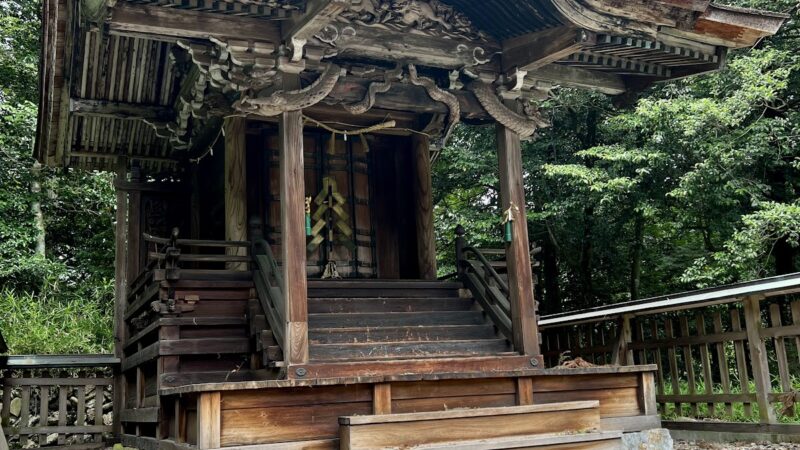
The main hall of Ooyada Shrine was rebuilt in 1672 (Kanbun 12) during the early Edo period and was designated a National Important Cultural Property in 1989 (Heisei 1). Its architectural style is a three-bay nagare-zukuri (flowing roof) style, characterized by its cypress bark roof.
The greatest highlight of the main hall is the magnificent and opulent carvings that adorn the entire building. Typical of mid-Edo period construction, it employs a highly decorative style influenced by the Gongen-zukuri style, exemplified by Nikko Toshogu Shrine, boasting the finest carvings in Mino City. The intricate carvings of dragons, lions, phoenixes, and flowers and birds demonstrate the high level of craftsmanship of the time.
The Charm of the Worship Hall
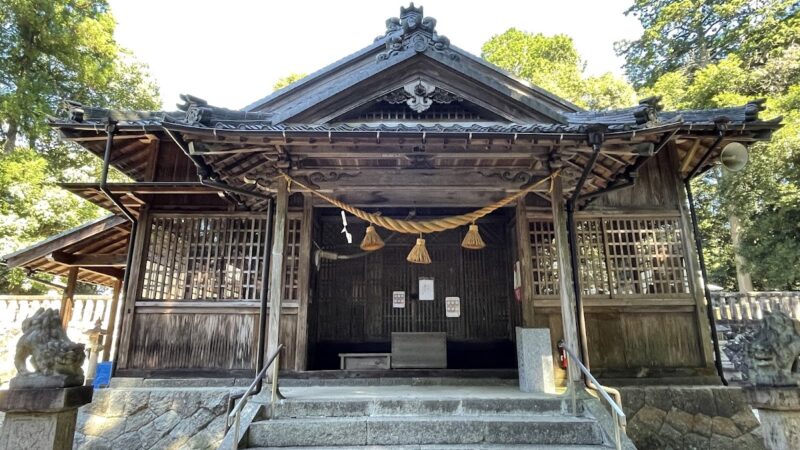
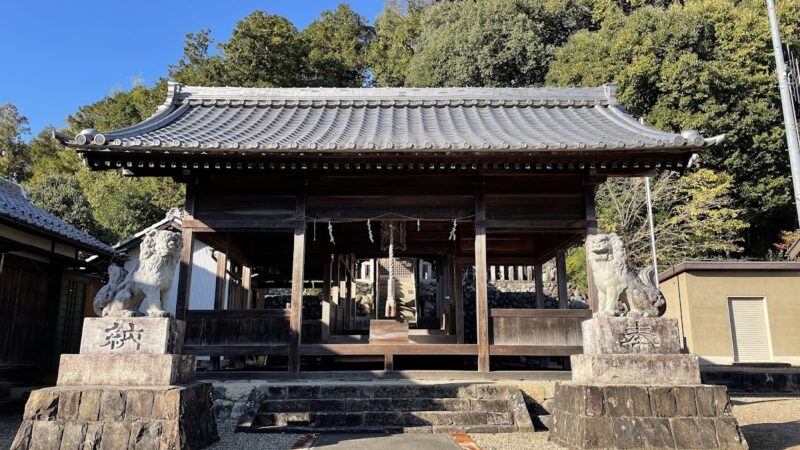
The worship hall was rebuilt in 1671 (Kanbun 11), one year earlier than the main shrine, and, like the main shrine, is designated as a National Important Cultural Property. Its imposing hip-and-gable roof structure creates a dignified space welcoming worshippers.
The interior of the worship hall is adorned with richly colored decorations, with vibrant use of red, green, and gold reflecting the aesthetic sensibilities of the Edo period. Intricate paintings and carvings adorn the ceilings and beams, delighting the eyes of worshippers.
The Tower Gate and Shrine Buildings
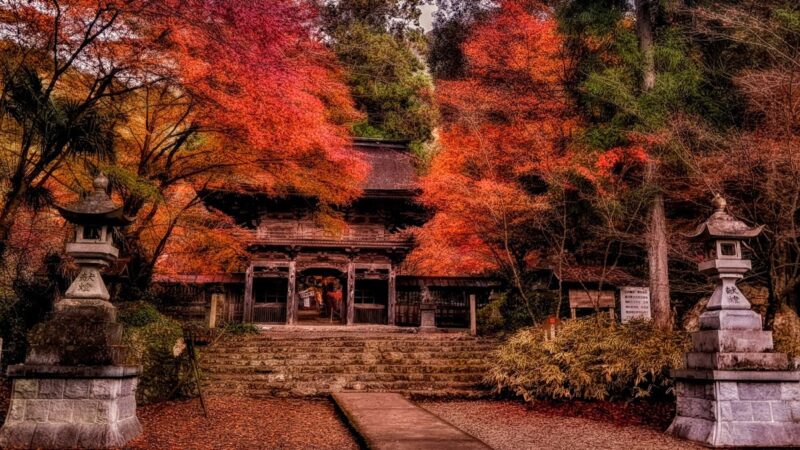
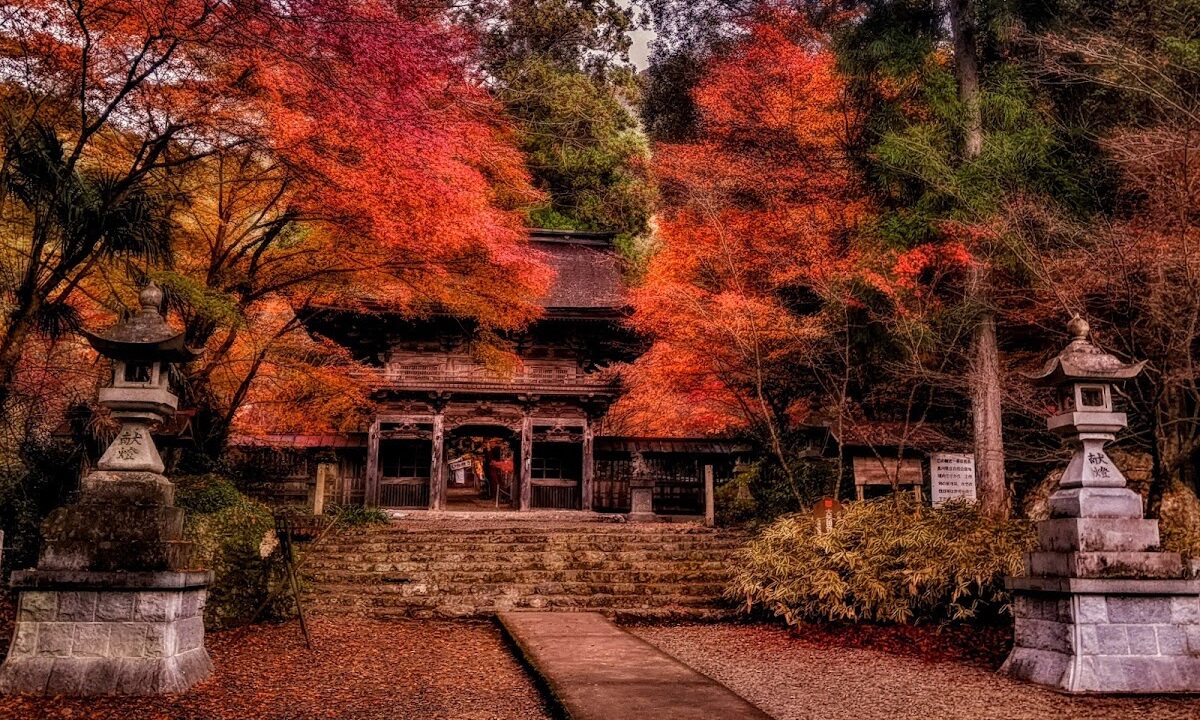
The tower gate, standing at the entrance to the shrine grounds, is a Mino City designated cultural property and a symbol of the shrine’s dignity. The two-story gate is beautifully painted in vermilion, creating a spectacular view in harmony with the surrounding maple trees during the autumn foliage season.
Other buildings, such as the purification fountain, shrine office, and subsidiary shrines, are also located within the grounds, preserving the historical landscape.
National Natural Monument: Kaede Valley’s Japanese Maple Forest
Natural Environment of Kaede Valley
Kaede Valley, extending from the grounds of Ooyada Shrine, is a valuable natural forest designated as a national natural monument in 1930. The valley, home to approximately 3,000 Japanese maple trees, is highly regarded academically as a naturally formed forest, not artificially planted.
Many large Japanese maple trees are present, including ancient trees over 200 years old. The entire valley is covered in a deep forest, forming a rich ecosystem with a diverse mix of trees including maples, beech, and zelkova.
Best Time and Highlights for Autumn Foliage
The autumn foliage at Ooyada Shrine has been widely known as a famous spot since the Edo period, and remains one of Gifu Prefecture’s leading autumn foliage locations. The peak viewing season is typically from mid-November to early December, allowing visitors to enjoy the beautiful autumn foliage for approximately one month.
The Japanese maple trees in Kaede Valley grow in a terrain with varying elevations, so the leaves gradually change color from the upper parts of the mountain upwards, allowing for a long period of viewing. The breathtaking scenery, with its gradient of vermilion, crimson, and yellow colors covering the entire valley, attracts many tourists and photography enthusiasts every year.
In particular, the contrast between the vermilion-painted buildings of the main shrine and worship hall and the autumn leaves is a spectacular sight, popular as a landscape symbolizing the beauty of Japanese autumn. You can enjoy different views of the autumn leaves at various points within the temple grounds, such as the leaves viewed from the gate tower, the leaves seen while climbing the stone steps, and the deep red leaves of Kaede Valley behind the main shrine.
Maple Festival Event
The “Ooyada Maple Festival” is held annually to coincide with the peak viewing season for the autumn leaves. The festival typically runs from early November to early December, with various events taking place throughout the period.
During the festival, stalls selling local specialties and food and drinks line the streets, offering products made with Mino washi paper (a traditional craft of Mino City) and local agricultural products. On weekends, there are performances of local performing arts and stage events, allowing visitors to experience local culture along with viewing the autumn foliage.
While there is no nighttime illumination, the beauty of the autumn leaves in natural daylight is exceptional. Especially on sunny mornings, the leaves illuminated by the morning sun are breathtakingly beautiful, making it the perfect time for photography.
The Traditional “Hinkoko Festival”
A Festival Designated as a Nationally Selected Intangible Folk Cultural Property
At Ooyada Shrine, a traditional festival called the “Hinkoko Festival” is held twice a year, in spring and autumn. This festival is designated as a nationally selected intangible folk cultural property and is one of Gifu Prefecture’s important folk events.
“Hinkoko” is a local name for the lion dance performed at the festival. It’s a festival praying for a bountiful harvest and protection from evil, and it boasts a long history dating back to the Muromachi period.
Festival Contents and Highlights
The highlight of the Hinkoko Festival is the lion dance performed by the parishioners. Red and green lions dance majestically to the accompaniment of flutes and drums. The lion dance isn’t limited to the shrine grounds; it also includes “kadotsuke,” where the dancers visit homes in the community to ward off evil.
The spring festival is typically held on the second Sunday of April, and the autumn festival on the second Sunday of October. Local children also participate in the festival, ensuring the continuation of traditional culture. The festival day is bustling with many worshippers and is a particularly important day among the shrine’s annual events.
Basic Information and Access
Location and Opening Hours
Location: 2596 Oyada, Mino City, Gifu Prefecture
Visiting Hours: Grounds are freely accessible (Shrine office is open from approximately 9:00 to 16:00)
Admission Fee: Free
Parking: Available (Free, approximately 200 spaces; temporary parking is also available during the autumn foliage season)
Inquiries: Mino City Tourism Association 0575-35-3660
During peak seasons such as the autumn foliage season, opening hours and parking conditions may change, so it is recommended to check in advance.
Access by Car
From Mino IC on the Tokai-Hokuriku Expressway: Approximately 10 minutes (approximately 6 km)
After exiting the Mino IC, head north on Prefectural Road 81 and follow the signs. Traffic congestion can occur on weekends during the autumn foliage season, so it is recommended to allow ample time for your visit.
From Nagoya: Approximately 1 hour via the Tokai-Hokuriku Expressway
From Gifu City: Approximately 40 minutes via National Route 156
During the peak autumn foliage season (mid-November to early December), parking lots become crowded, so visiting on weekdays or arriving early in the morning is recommended. Walking may be required from temporary parking lots.
Access by Public Transportation
From Mino-shi Station on the Nagaragawa Railway: Approximately 20 minutes by taxi
There is a taxi stand in front of the station. Taxis may be scarce during the autumn foliage season, so advance reservations are recommended.
Using Gifu Bus Takami Line: Get off at the “Oyada Shrine” bus stop, approximately 30 minutes on foot
Since bus services are limited, please check the timetable in advance. There is a gentle uphill slope from the bus stop to the shrine.
During the autumn foliage season, temporary buses may operate from Mino-shi Station and the area around Mino IC. The latest transportation information can be found on the Mino City Tourism Association website.
Recommended Tourist Spots Around Oyada Shrine
Former Imai Family Residence and Mino Historical Museum
Located about 15 minutes by car from Oyada Shrine, the Former Imai Family Residence is a nationally important cultural property that preserves the architecture of a merchant house from the Edo period. The building tells the history of the Imai family, who prospered as a Mino washi (Japanese paper) wholesaler, and allows visitors to learn about the lifestyle of merchants at that time.
The adjacent Mino Historical Museum features exhibits introducing the history and culture of Mino City, as well as the manufacturing process of Mino washi, allowing visitors to deepen their understanding of the region.
Location: 1883 Izumi-cho, Mino City, Gifu Prefecture
Opening Hours: 9:00 AM – 4:30 PM
Closed: Tuesdays (or the following day if Tuesday is a public holiday), New Year holidays
Admission Fee: Adults 300 yen, Elementary and Junior High School Students 150 yen
Udatsu-no-agaru Townscape
In the center of Mino City, there is a townscape called “Udatsu-no-agaru Townscape,” where traditional townhouses from the Edo to Meiji periods remain. Designated as a National Important Preservation District for Groups of Traditional Buildings, this area features approximately 50 historical buildings lining a street about 400 meters long.
“Udatsu” refers to firewalls built to prevent the spread of fire from neighboring houses, and were also a symbol of wealthy merchant families. The townscape, which conveys the prosperity of merchants who thrived on Mino washi paper, is a perfect spot for a stroll.
The townscape is dotted with Mino washi specialty shops, cafes, and general stores, offering opportunities for shopping and dining.
Michi-no-Eki Mino Niwaka Chaya
This roadside station is located about 10 minutes by car from Oyada Shrine. It features a direct sales market for Mino City’s specialty products and local agricultural produce, as well as a restaurant, making it ideal for a break during a drive.
A wide variety of crafts using Mino washi paper, local vegetables, fruits, and processed goods are available. The restaurant serves set meals and noodles made with local ingredients.
Location: 2007 Sone, Mino City, Gifu Prefecture
Opening Hours: 9:00 AM – 6:00 PM (Restaurant: 11:00 AM – 3:00 PM)
Closed: New Year’s Holidays
Kojōzan Mountain
Kojōzan Mountain, approximately 417m above sea level, was once the site of Ōyada Castle and is now a well-maintained hiking trail. The trailhead is near Ōyada Shrine, and the summit can be reached in about an hour.
From the summit, a spectacular view unfolds, overlooking Mino city, the Nagara River, and the distant Hakusan mountain range. Especially during the autumn foliage season, the entire mountain is ablaze with color, offering a beautiful landscape.
Gourmet Information Around Ōyada Shrine
Sabo Tomiya
This popular tea house is located in the Mino city townscape area. Enjoy sweets and lunch in a relaxed atmosphere inside a renovated 100-year-old traditional house.
Specialties include set meals featuring “Keichan,” a local Mino dish, and parfaits made with seasonal fruits. The interior, decorated with Mino washi paper, is also a highlight, allowing you to experience Mino culture along with your meal.
Location: 1912-2 Honjucho, Mino City, Gifu Prefecture
Opening Hours: 11:00 AM – 5:00 PM
Closed: Wednesdays
Soba Restaurant Ooya
Located near the approach to Ooyada Shrine, this soba restaurant serves handmade soba noodles made with locally produced buckwheat flour. It’s a popular spot, especially during the autumn foliage season when it’s bustling with shrine visitors.
Recommended dishes are “Zaru Soba” and “Sansai Soba.” The firm noodles and fragrant broth are a source of pride, making it perfect for a meal after visiting the shrine. From inside the restaurant, you can enjoy views of the surrounding nature and the changing seasons while you dine.
Mino City’s Local Dish: “Keichan”
“Keichan” is a famous local dish from Gifu Prefecture, including Mino City. It’s a dish of chicken marinated in a miso and soy sauce-based sauce, then stir-fried with vegetables such as cabbage. Its flavor is known to be a perfect accompaniment to rice.
It’s served at restaurants and roadside stations in Mino City, and Keichan is also sold as a souvenir. When visiting Ooyada Shrine, be sure to enjoy this local delicacy.
Accommodation near Ooyada Shrine
Hotels and Ryokans in Mino City
There are several small business hotels and ryokans in Mino City. Reservations fill up quickly during the autumn foliage season, so early booking is recommended.
Mino Business Hotel: A business hotel located near Mino City Station. It offers simple rooms and is convenient as a base for sightseeing.
Minshuku Ooyada-so: A guesthouse near Ooyada Shrine, known for its homey atmosphere and warm hospitality. Guests can enjoy dishes made with local ingredients. ### Accommodation in Nearby Areas
If accommodation in Mino City is fully booked, you can also consider accommodations in nearby Seki City or Gujo City.
Hot Spring Inns in Seki City: Seki City, about a 20-minute drive away, has several hot spring areas such as Itadorigawa Onsen and Bugeigawa Onsen, with a wide selection of hot spring inns and hotels. It’s recommended for travel plans combining sightseeing and hot springs.
Accommodations in Gujo Hachiman: Gujo Hachiman, about a 40-minute drive away, is a tourist destination known as a “town of water,” and has many accommodations. You can combine sightseeing with visits to Gujo Hachiman Castle and the old townscape.
Points to Note and Manners When Visiting Ooyada Shrine
Manners for Worship
Ooyada Shrine is a sacred place. Please observe the following basic manners for worship.
- Bow when passing through the torii gate.
- Walk away from the center of the approach to the shrine (the center is the path for the gods).
- Cleanse your hands and mouth at the purification fountain.
- At the main hall, worship using the “two bows, two claps, one bow” ritual.
- Be quiet on the shrine grounds and refrain from loud conversations.
Considerations for Photography
The beautiful autumn foliage makes this a popular photography spot, but please note the following:
- Use a tripod only in a location that does not disturb other worshippers.
- Photography in restricted areas is strictly prohibited.
- Be considerate if other worshippers are included in your photos.
- Check with the shrine before using a drone.
Crowd Control Measures During the Autumn Foliage Season
Weekends from mid-November to early December are extremely crowded.
- Weekday visits are recommended.
- Early morning (8:00-9:00) is relatively less crowded.
- Parking often fills up by midday.
- Wear comfortable walking shoes (there are many stone steps on the grounds).
- Don’t forget to dress warmly (it’s in a mountainous area, so the temperature is lower than in urban areas).
Clothing and Items to Bring
- Comfortable walking shoes: The grounds have many stone steps and slopes, so comfortable walking shoes such as sneakers are recommended.
- Seasonal clothing: It gets chilly in the mornings and evenings in autumn, so bring something to wear over your clothes.
- Rain gear: The weather is unpredictable in this mountainous area, so a folding umbrella is recommended.
- Drinks: There are vending machines on the grounds, but the number is limited.
Summary
Ooyada Shrine is a treasure trove of history and nature, representing Mino City, Gifu Prefecture. With its Edo-period main hall and worship hall designated as important national cultural properties, the natural monument Kaede Valley, and the traditional “Hinkoko Festival,” this shrine boasts a variety of attractions, drawing many worshippers and tourists throughout the year.
Especially during the autumn foliage season, visitors can enjoy the breathtaking scenery created by approximately 3,000 Japanese maple trees, making it one of the best autumn foliage spots in Gifu Prefecture. Combining a visit with the historic townscape and local cuisine of Mino City will make for an even more fulfilling sightseeing experience.
Ooyada Shrine displays beauty in every season. From the fresh greenery of spring, the deep green of summer, the vibrant autumn leaves, to the snowy winter landscape, you can enjoy different expressions depending on when you visit. When you visit Gifu Prefecture, be sure to stop by Ooyada Shrine. A special place where history and nature harmonize, allowing you to experience the beauty of Japan, awaits you.