Makikura Shrine (Mino City, Gifu Prefecture) Complete Guide | History, Sculpture, and Access Information
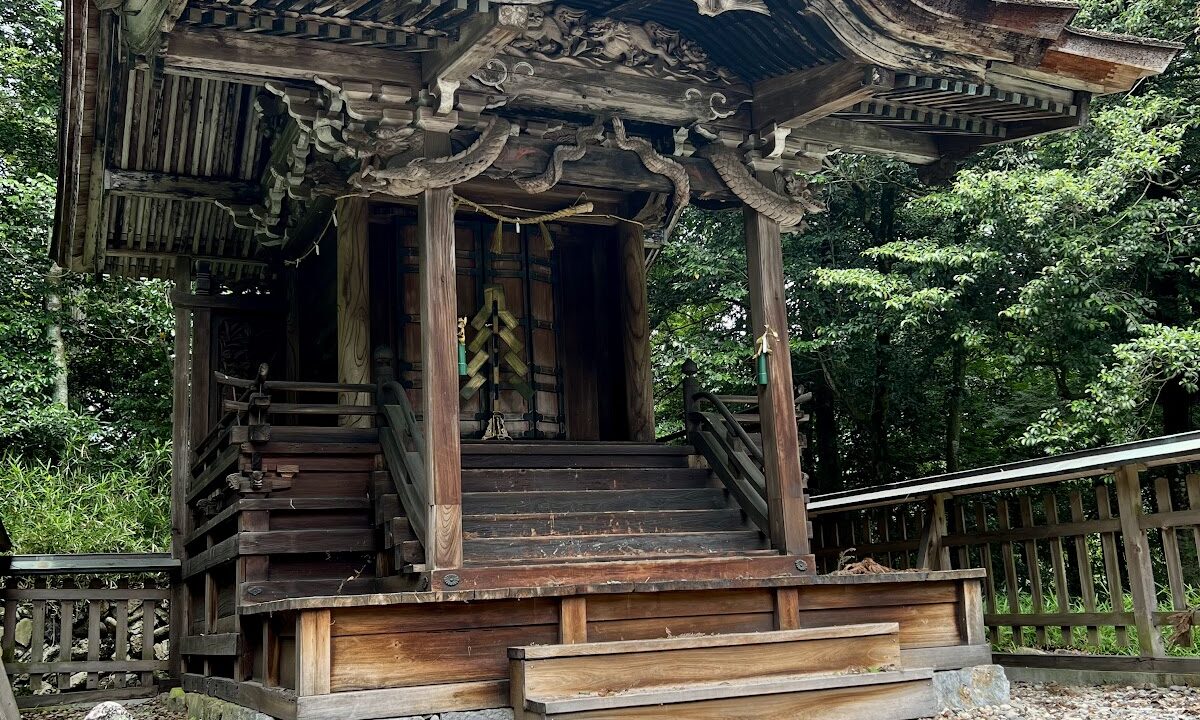
Makikura Shrine, located in Mitarai, Mino City, Gifu Prefecture, is a historic shrine situated along the clear waters of the Itadori River. It is listed as “Makikura Myojin, Senior Sixth Rank” in the 10th-century “Mino Province Shrine Register,” and has long been a center of local worship. The main hall, built in 1686, is designated as a Gifu Prefecture Important Cultural Property and is known for its magnificent carvings.
This article comprehensively explains everything you need to know before visiting Makikura Shrine, from its history and architectural features to its cultural properties and access information.
History and Origins of Makikura Shrine
An Ancient Shrine Listed in the “Mino Province Shrine Register”
The history of Makikura Shrine is very old. It is listed as “Makikura Myojin, Senior Sixth Rank” in the “Mino Province Shrine Register,” compiled around the 10th century, confirming its existence during the Heian period. This listing is a valuable historical document indicating the shrine’s important position in Mino Province.
Around Mt. Tenno, located between the Itadori River and the Mugi River, there are numerous shrines associated with the legend of Mourning Mountain, and Makikura Shrine is considered one of them. This legend is believed to be related to ancient funeral rituals, illustrating the deep faith of this region.
As the Main Shrine of the Eight Villages of Makitani
Makikura Shrine is located in the central basin of the Itadori River and has long been revered as the main shrine of the eight villages of Makitani and as the tutelary deity of the Mitarai district. This shrine preserves records and treasures from the Kamakura and Muromachi periods, making it an important site for conveying the history of the region.
During the medieval and early modern periods, it was known as “Kōrokusha Daimyōjin” or “Rokushō Daimyōjin Shrine.” This name originates from the fact that it enshrines six deities. Following the Meiji-era reform of the shrine system, the shrine’s name was unified to its current name, Makikura Shrine.
Status as a Former Village Shrine
Under the Meiji-era shrine ranking system, Makikura Shrine was classified as a village shrine. This signifies its official recognition as an important shrine in the region. Even today, it remains a center of faith for local residents, with various festivals and ceremonies held throughout the year.
Deities and Beliefs
Six Deities
The deities enshrined at Makikura Shrine are the following six:
- Mitarashihime-no-Mikoto – Main Deity
- Ajisukitakahikone-no-Mikoto
- Ame-no-Wakahiko-no-Mikoto
- Shitateruhime-no-Mikoto
- Okuninushi-no-Mikoto
- Suseribime-no-Mikoto
The main deity, Mitarashihime-no-Mikoto, is a goddess deeply connected to this area, as her name is also preserved in the local place name “Mitarai.” The other five deities are gods appearing in the Kojiki and Nihon Shoki, and many of them are deeply connected to Izumo mythology.
Characteristics of the Faith
Because many deities related to Ōkuninushi-no-Mikoto and his lineage are enshrined here, the shrine is believed to bestow blessings such as abundant harvests, family safety, and matchmaking. Furthermore, given its location along the Itadori River, it is thought that a faith expressing gratitude for the blessings of water and praying for protection from floods has existed since ancient times.
Characteristics of the Main Hall Architecture and Sculptures
Main Hall Built in 1686
The main hall of Makikura Shrine was rebuilt (relocated) on September 26, 1686 (Jōkyō 3), and is designated as a Gifu Prefecture Important Cultural Property. Although compact with a building area of approximately 4 square meters, it is a masterpiece that embodies the essence of early Edo period shrine architecture.
Architectural Style
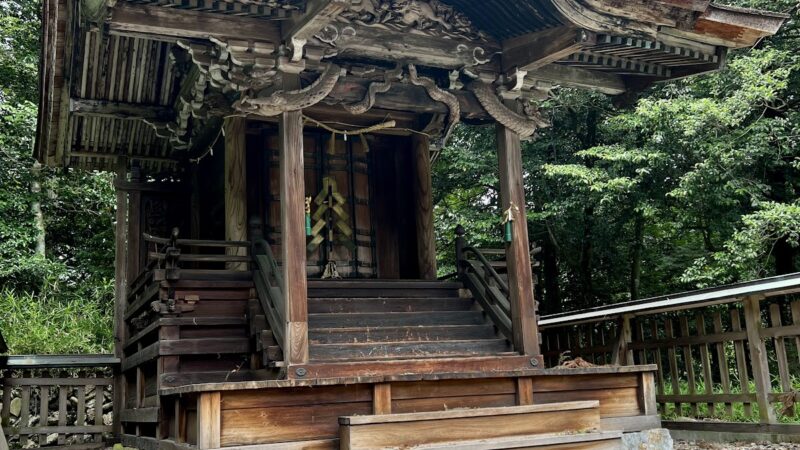
The architectural style of the main hall is Ichikensha Nagare-zukuri, with a complex roof style featuring Karahafu and Chidorihafu on the front. The roof is covered with cypress bark shingles, and a hamadoko (a raised platform) is provided at the entrance. This complex combination of gables gives the architecture a sense of splendor and three-dimensionality, demonstrating the advanced architectural techniques of the time.
Magnificent Sculptural Decoration
The most striking feature of the main hall of Makikura Shrine is its magnificent sculptural decoration. The carvings, which cover the entire building without any gaps, speak to the high level of ornamentation in the early Edo period.
Dragon Carving on the Front
A magnificent dragon carving wraps around the front of the main hall. This dragon is full of dynamism, expressing a powerful force as if it is about to ascend to the heavens. The meticulously carved scales, claws, and depiction of the drifting clouds demonstrate the exceptional skill of the sculptor of the time.
Carvings on the Side Panels
The side panels feature different designs on the east and west sides:
- East Side: Pine Tree and Hermit
- West Side: Waterfall and Hermit
These depictions of hermits are thought to be based on the “Twenty-Four Paragons of Filial Piety,” a Chinese tale of filial piety. The composition, combining natural elements such as pine trees and waterfalls with immortal figures, expresses the concept of eternal youth and longevity, and reflects the cultural background of the time.
Decorative Design
In addition, intricate carvings adorn various parts of the main hall, such as the wooden brackets, frog-leg brackets, and rainbow beams, featuring auspicious motifs such as flowers and birds, Chinese lions, and kirin (mythical creatures). These decorations are not merely aesthetic but also have religious significance, serving to adorn the sacred space.
Cultural Properties and Treasures
Gifu Prefecture Designated Cultural Properties
Besides the main hall, Makikura Shrine preserves other valuable cultural properties.
Lion’s Head (Gifu Prefecture Designated Tangible Folk Cultural Property)
An old lion’s head, created in 1304 (Kagen 3), is a prefectural designated cultural property. This lion’s head is a work from the late Kamakura period and is a valuable artifact with a history of over 700 years. Lion dances have been performed in various regions as a folk art to ward off evil spirits and pray for a bountiful harvest, and this lion’s head is an important historical artifact that conveys that history to the present day.
It is in good condition, and the original coloring and sculpting techniques can be seen. It is sometimes actually used during festivals, playing an important role in the transmission of local traditional culture.
Ridgepole Inscriptions and Historical Documents
The main shrine retains a ridgepole inscription from the reconstruction in 1686 (Jōkyō 3), which records the construction date and the names of the people involved. The worship hall also preserves a historically valuable ridgepole inscription, which is a precious historical document for understanding the changes in the shrine.
These ridgepole inscriptions and ancient documents are important materials for studying the history of Mino City and are attracting attention from researchers.
Highlights of the Shrine Grounds
Shrine Building Layout
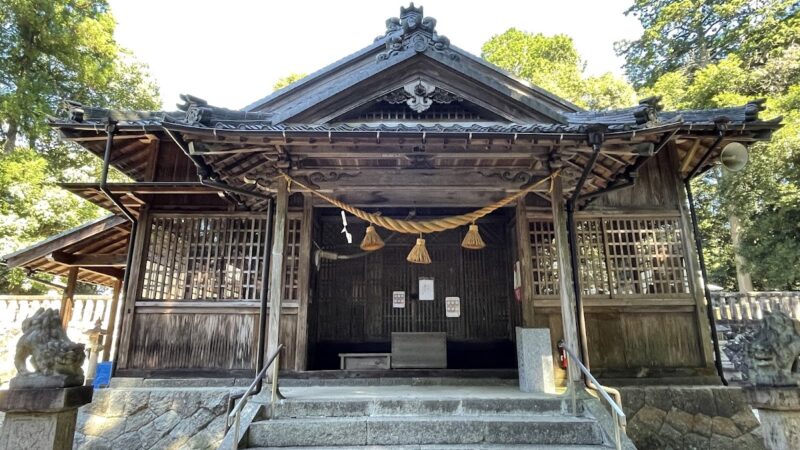
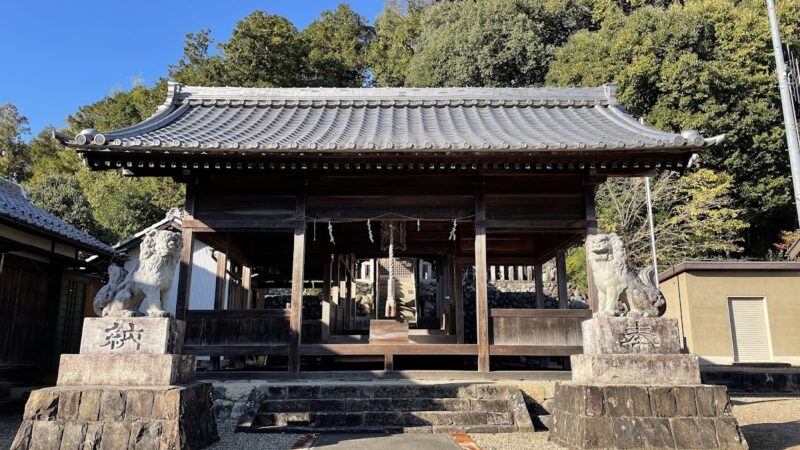
The grounds of Makikura Shrine are located in a naturally rich area on the right bank of the Itadori River. Passing through the torii gate, a path continues, leading to the worship hall, and then the main shrine at the back. The shrine grounds are of a moderate size and enveloped in a tranquil atmosphere.
Natural Environment
The Itadori River is a beautiful river known as a “clear stream,” and its pure flow can be felt even within the shrine grounds. Surrounded by lush green mountains, visitors can enjoy the changing seasons.
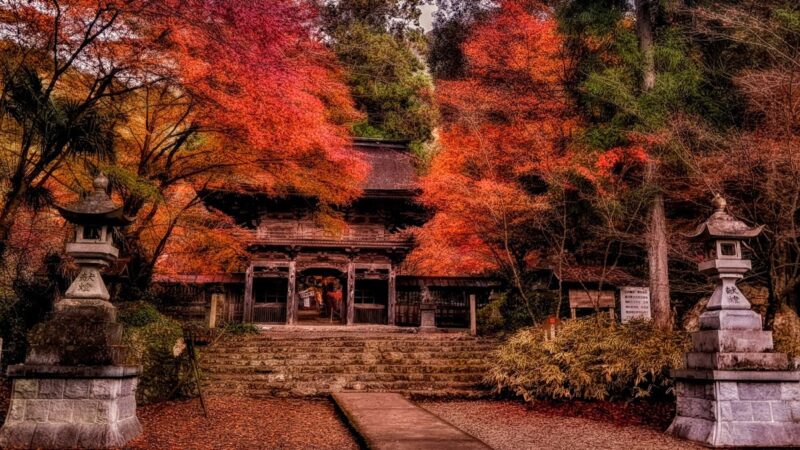
In spring, the grounds display different expressions with each season: fresh greenery; in summer, deep green; in autumn, vibrant autumn leaves; and in winter, snowscapes, offering solace to visitors.
Historical Landscape of the Mitarai District
The Mitarai district, where Makikura Shrine is located, is an area where ancient settlements remain. While the entire city of Mino is known as a historical town with its “udatsu-lined streets,” the Mitarai district also boasts its own unique history and culture, making it well worth a visit.
Festivals and Annual Events
Annual Festival
The annual festival of Makikura Shrine is held every year on April 12th (Sunday). On this day, local residents gather, and a solemn Shinto ritual is performed. Traditional performing arts such as lion dances are sometimes offered, providing a valuable opportunity to experience local culture.
Other Annual Events
Besides the annual festival, various other festivals are held throughout the year, including the New Year’s Day festival and the autumn harvest festival. These events strengthen community bonds and play an important role in passing on traditional culture to future generations.
Access Information
Location
561 Morikiri, Mitarai, Mino City, Gifu Prefecture 501-3784
Access by Public Transportation
Using the Nagaragawa Railway:
- Get off at Mino-shi Station on the Nagaragawa Railway
- Approximately 35 minutes by bus from Mino-shi Station
- A few minutes’ walk from the nearest bus stop
Note: Since bus services are limited, it is recommended to check the timetable in advance. Bus schedules may change, especially on holidays and during peak tourist seasons.
Access by Car
Using the Tokai-Hokuriku Expressway:
- Approximately 20 minutes from Mino IC
- Approximately 30 minutes from Seki IC
From Nagoya:
- Head north on National Route 156, passing through Mino city center towards Mitarai
- Estimated travel time: Approximately 1 hour 30 minutes
Parking: There is parking space for visitors on the temple grounds, but the number of spaces is limited. Due to the expected congestion during festivals and other events, early arrival is recommended.
Nearby Tourist Attractions
When visiting Makikura Shrine, we recommend combining your visit with other tourist attractions in Mino City:
- Udatsu-no-agaru Townscape: A nationally designated Important Preservation District for Groups of Traditional Buildings, where Edo-period merchant buildings remain.
- Mino Washi no Sato Kaikan: A facility where you can learn about the history and techniques of Mino washi paper.
- Ogura Park: A park known for its cherry blossoms.
- Itadorigawa Onsen: A hot spring facility along a clear stream.
Manners and Precautions for Visiting the Shrine
Basic Worship Etiquette
- Bow before passing through the torii gate.
- Avoid walking in the center of the approach to the shrine.
- Cleanse your hands and mouth at the water basin.
- Bow twice, clap twice, and bow once in front of the main hall.
Cooperation in Cultural Property Protection
The main hall is a valuable cultural property. When viewing the sculptures:
- Do not touch the buildings
- Refrain from using flash photography
- View quietly
Please cooperate in protecting cultural properties.
Recommended Time to Visit
Spring (April): The annual festival is held, and you may be able to witness traditional events. It is also a beautiful season with fresh greenery.
Autumn (October-November): The autumn leaves are beautiful, and you can enjoy the natural beauty of the shrine grounds. The weather is mild and suitable for visiting.
Summer (July-August): The clear waters of the Itadori River provide coolness. However, caution is needed regarding river flooding during the rainy season.
Winter (December-February): The shrine buildings amidst the snowscape are fantastic, but caution is needed regarding road conditions.
Summary of the Charms of Makikura Shrine
Makikura Shrine is a historic shrine with over a thousand years of history in Mino City, Gifu Prefecture. Makikura Shrine boasts numerous cultural assets of high historical and artistic value, including its status as an ancient shrine listed in the “Mino Province Shrine Register,” the magnificent carvings on its main hall built in 1686, and a lion’s head from the Kamakura period.
Nestled quietly amidst the rich natural environment along the clear waters of the Itadori River, the shrine buildings evoke a sense of both historical significance and natural beauty in visitors. It is a shrine that you should definitely visit when you are in Mino City.
The dragon carvings entwined around the one-bay nagare-zukuri style main hall, the depictions of immortals on the side panels, and the lion’s head with a 700-year history—these cultural assets have been carefully preserved and passed down by the local people. We, living in the present day, also have a responsibility to pass on this precious cultural heritage to future generations.
For those who want to learn more about the history and culture of Mino City, those interested in shrine architecture and carvings, and those seeking to find peace of mind in a tranquil natural setting, Makikura Shrine is an ideal place to visit. If you’re visiting Gifu Prefecture, be sure to visit this historic shrine.