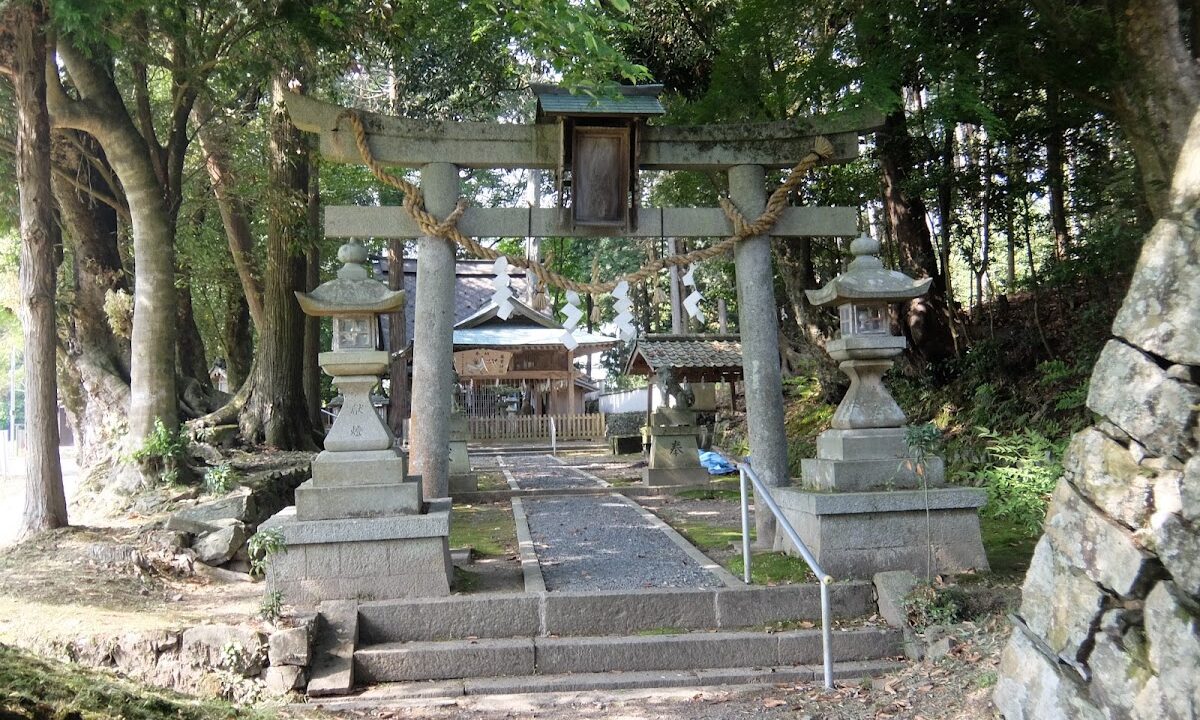
Sasaba Shrine (Kameoka City, Kyoto Prefecture) Complete Guide: A Thorough Explanation of History, Benefits, and Access
Nestled in a quiet rural area beyond Yunohana Onsen in Kameoka City, Kyoto Prefecture, Sasaba Shrine is a historic shrine said to have been founded during the Heian period. It is adjacent to Kokushōji Temple, associated with Akechi Mitsuhide, and is also known for the “Kikyo no Sato” (Bellflower Village) along its approach. This article provides a detailed explanation of Sasaba Shrine, including its history, enshrined deities, benefits, highlights within the grounds, nearby attractions, and access methods.
Basic Information about Sasaba Shrine
Official Name: Sasaba Shrine
Location: 55 Miyanoshita, Inokura, Miyamae-cho, Kameoka City, Kyoto Prefecture
Former Shrine Rank: Village Shrine
Deities Enshrined: Hikohodemi-no-Mikoto, Oyamatsumi-no-Mikoto, Nozuchi-no-Mikoto
Former Name: Sasaba Daimyojin
Sasaba Shrine is located in Inokura, Miyamae-cho, Kameoka City, a short distance from National Route 372. Surrounded by abundant nature, it offers a peaceful and tranquil environment, providing solace to visitors.
History of Sasaba Shrine
Founding and History
Sasaba Shrine is said to have been founded during the Engi era (901-923) by Prince Sadazumi. Founded during the early to mid-Heian period, this ancient shrine boasts a history of over a thousand years.
Initially, it was called “Sasaba Daimyojin.” This name is thought to reflect the local faith rooted in the region’s nature and culture.
Destruction and Reconstruction Due to War
During the Tensho era (1573-1591), Sasaba Shrine was destroyed by fire during the Sengoku period. This was a turbulent time, marked by Akechi Mitsuhide’s conquest of Tanba and the subsequent Honnoji Incident. The Kameoka region was also engulfed in conflict, and many temples and shrines suffered damage.
Approximately 60 years after its destruction, in 1653 (Shoo 2), Sasaba Shrine was rebuilt through the efforts of the local parishioners. This reconstruction project demonstrates the strong unity of the local community and illustrates how important Sasaba Shrine was to the people of the region.
Changes in the Shrine’s Name
During the Kyoho era (1716-1736), the shrine received a calligraphy inscribed with “Shinoba Daimyojin,” and its name was changed from “Rakurakuba Daimyojin” to “Shinoba Daimyojin.”
Furthermore, after the Meiji-era separation of Shinto and Buddhism, the shrine’s name was changed to its current name, “Shinoba Shrine.” During the Meiji period, it was designated a village shrine and recognized as an important local shrine.
Deities and Benefits
Shinoba Shrine enshrines three deities.
Hikohodemi-no-Mikoto
Hikohodemi-no-Mikoto is a deity appearing in Japanese mythology, also known as “Yamasachihiko.” He is famous for the myth of visiting the palace of the sea god and marrying Toyotama-hime. Hikohodemi-no-Mikoto is worshipped as the god of agriculture and fishing, as well as the god of matchmaking.
Ōyamatsumi-no-Mikoto
Ōyamatsumi-no-Mikoto is a widely worshipped deity of mountains. He protects forests and is revered as the god of agriculture, forestry, mining, and related industries. He also has a warrior aspect and is known as a god of victory in battle and protection against evil.
Nozuchi-no-Mikoto
Nozuchi-no-Mikoto is a deity worshipped as the god of fields and plants. Considered a child of Ōyamatsumi-no-Mikoto, he presides over fields and grasslands and protects agricultural abundance. Nozuchi-no-Mikoto is also affectionately known as “Nogami” (field god) and has been revered by local people as the guardian deity of fields and farms.
Benefits of Shinoba Shrine
Based on these enshrined deities, Shinoba Shrine is believed to offer the following benefits:
- Abundant Harvest and Agricultural Prosperity: Protection of agriculture by Oyamatsumi-no-Mikoto and Nozuchi-no-Mikoto
- Protection of Mountains and Forests: Safety and blessings of the mountains by Oyamatsumi-no-Mikoto
- Matchmaking and Family Safety: Successful relationships by Hikohodemi-no-Mikoto
- Exorcism and Good Fortune: Comprehensive protection by the three deities
Highlights of the Shrine Grounds
Approach and Torii Gate
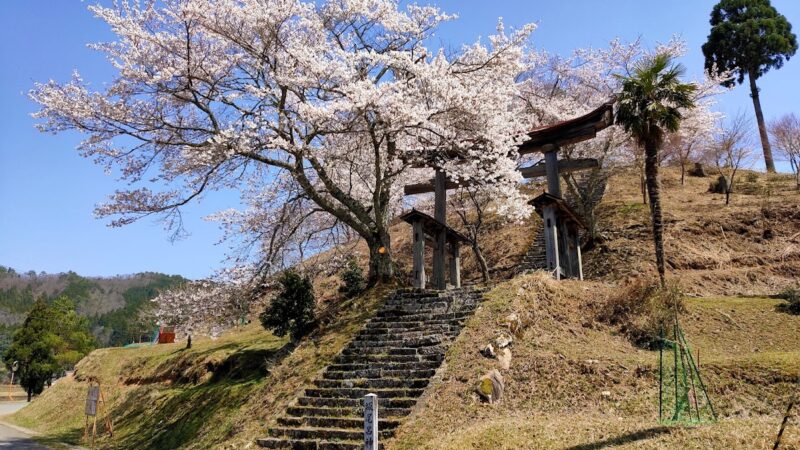
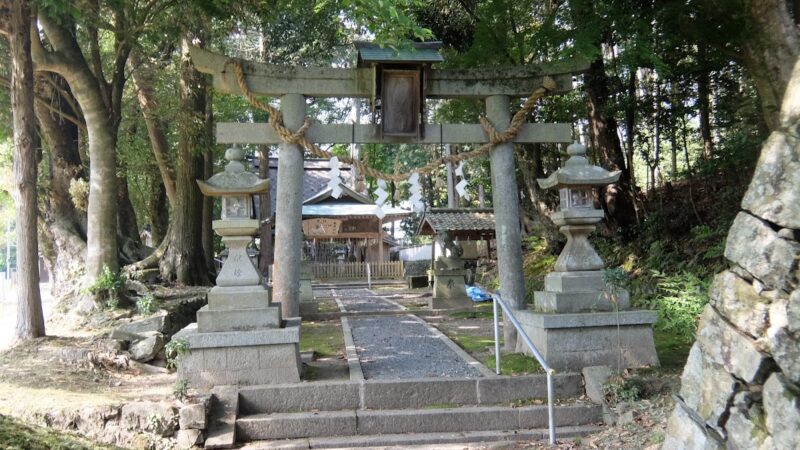
The approach to Shinoba Shrine is a quiet path winding through a rural landscape. Passing through the torii gate, one can feel the solemn atmosphere of entering a sacred area. The approach is well-maintained, allowing visitors to enjoy the changing seasons while praying.
Main Hall and Worship Hall
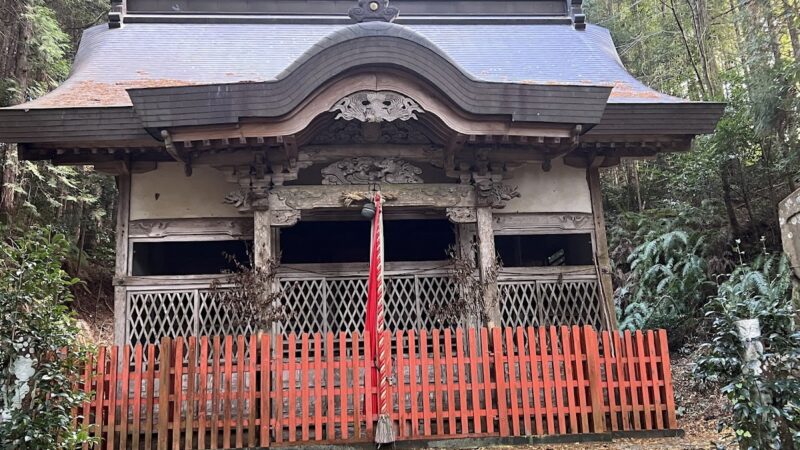
The main hall, rebuilt in 1653 (Shoo 2), preserves the architectural style of the early Edo period. Although not large in scale, the meticulously maintained shrine buildings reflect the deep faith of the local people.
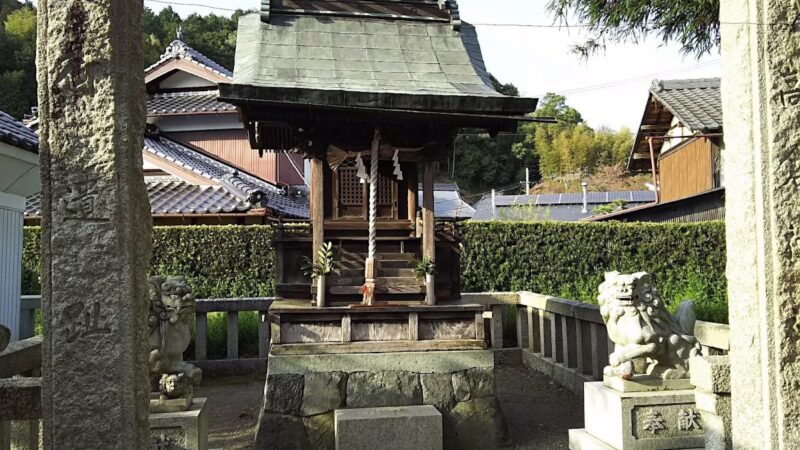
Shrines within the Precincts
According to the Minami-Kuwada County Shrine Register, the following shrines are located within the grounds of Shinoba Shrine:
- Hachiman Shrine: Dedicated to Hachiman, the god of war
- Uga Shrine: Dedicated to the god of grain and food
- Akiba Shrine: Dedicated to the god of fire prevention
- Yama Shrine (Three Shrines): Three shrines dedicated to the god of mountains
In total, there are six shrines within the precincts, making it a place where diverse faiths converge.
Nearby Attractions
Kokushōji Temple (Kōshūji Temple)
Located right next to Shinoba Shrine, Kokushōji Temple is commonly known as “Kōshūji Temple.” It is said to have been restored by Akechi Mitsuhide and is famous for containing Mitsuhide’s burial mound. Known for its beautiful bellflower blossoms, this is a popular spot often visited in conjunction with Shinoba Shrine.
Kikyo no Sato (Bellflower Village)
Along the path leading to Shinoba Shrine lies “Kikyo no Sato” (Bellflower Village). Every year from late June to July, approximately 50,000 bellflower plants bloom, creating a vast expanse of beautiful purple and white flowers. Because the family crest of Akechi Mitsuhide was the bellflower crest, bellflowers hold special significance in this region.
Yunohana Onsen (Yunohana Hot Springs)
Just a few minutes’ drive from Shinoba Shrine lies Yunohana Onsen, known as the inner sanctuary of Kameoka. A historic hot spring resort dating back to the Sengoku period, it’s perfect for relaxing after a visit to the shrine.
Access Information
Access by Public Transportation
By Train and Bus:
- Get off at JR San’in Main Line “Kameoka Station”
- Take the Keihan Kyoto Kotsu Bus bound for “Yunohana Onsen”
- Get off at the “Inokura” bus stop and walk for about 5 minutes.
Since the number of buses is limited, it is recommended to check the timetable in advance.
Access by Car
From Kyoto:
- From National Route 9 to National Route 372
- Approximately 15 minutes from Kameoka city center
From Osaka:
- Approximately 20 minutes from Kyoto Jukan Expressway “Kameoka IC”
Parking: There are several parking spaces near the shrine. The parking lot at Tanishoji Temple is also available.
Points to Note When Visiting
Proper Worship Etiquette
- Bow before entering the shrine grounds after bowing at the torii gate.
- Purify your hands and mouth at the water basin.
- Bow twice, clap twice, and bow once before the main hall.
- Visit the subsidiary shrines within the grounds.
- Turn around and bow before leaving the torii gate.
Best Time to Visit
Spring (March-May): The fresh greenery is beautiful, and you can worship in refreshing air.
Early Summer (June-July): The bellflower fields are in full bloom, and the purple flowers are beautiful. Visiting during this time is especially recommended.
Autumn (October-November): The autumn leaves are beautiful, and it’s the perfect season to visit in conjunction with Tanishōji Temple.
Winter (December-February): You can experience a solemn atmosphere in the tranquil shrine grounds.
Estimated Time Required
Visiting only Shinoba Shrine takes approximately 15-20 minutes. If visiting Tanisho-ji Temple as well, allow 1 to 1.5 hours. If including a visit to Kikyo no Sato (Bellflower Village), add another 30 minutes to 1 hour.
Other Shrines in Kameoka City
Besides Shinoba Shrine, Kameoka City has many other historical shrines.
Izumo Daijingu Shrine
A representative shrine of Kameoka City, this ancient shrine is also known as “Moto-Izumo” (Original Izumo). It is nationally known as a power spot for matchmaking.
Shinomura Hachimangu Shrine
A historically important shrine known as the site where Ashikaga Takauji raised his army. It is located in Shino-cho, Kameoka City.
Murayama Shrine
Located in Moriyama-saki, Shino-cho, Kameoka City, this shrine is worshipped as the local guardian deity.
Fujikoshi Shrine
Located in Chihara Yasuda, Chiyokawa-cho, Kameoka City, this shrine is cherished as the guardian deity of the region. ## The Charm of Shinoba Shrine
The greatest charm of Shinoba Shrine lies in its tranquil atmosphere. It is a simple shrine, unspoiled by tourism, and one can feel the history of its support from the faith of the local people.
Despite its history of over a thousand years, it lacks extravagant decorations or large shrine buildings. However, precisely because of this, it can be said to be a place where one can feel the true essence of a shrine and the origins of faith.
Because it is adjacent to Tanishōji Temple, which is associated with Akechi Mitsuhide, one can also reflect on the history of the Sengoku period. Visiting it in conjunction with the beautiful flowers of Kikyo no Sato (Bellflower Village) allows you to spend a rich time where nature, history, and faith are in harmony.
Summary
Shinoba Shrine is a historical shrine located in Inokura, Miyamae-cho, Kameoka City, Kyoto Prefecture. It is said to have been founded during the Engi era, and enshrines three deities: Hikohodemi no Mikoto, Ōyamatsumi no Mikoto, and Nozuchi no Mikoto. It is believed to offer blessings for the protection of agriculture and forests, as well as for matchmaking.
Although it was destroyed in the wars of the Sengoku period, it was rebuilt in the early Edo period and has been a place of worship for the local people ever since. Located next to Tanishōji Temple, which is associated with Akechi Mitsuhide, and near the Kikyō no Sato (Bellflower Village), it is a worthwhile spot to visit for those who want to enjoy both history and nature.
When visiting Kameoka City, be sure to also visit Shinoba Shrine, along with Yunohana Onsen and Izumo Daijingu Shrine. This simple shrine, nestled in a quiet rural landscape, offers a peaceful and relaxing experience.