Satomiya Takakura Shrine (Kyoto Prefecture) Complete Guide | The Charm and Visiting Information of a Historic Shrine Dedicated to Prince Mochihito
Located in Yamashiro-cho, Kizugawa City, Kyoto Prefecture, Satomiya Takakura Shrine is a historic shrine dedicated to Prince Mochihito, a tragic prince from the late Heian period. As a place associated with this historical figure who issued the imperial decree to overthrow the Taira clan and triggered the Genpei War, it attracts attention from history buffs and shrine-visiting visitors. This article comprehensively introduces information you should know before visiting Satomiya Takakura Shrine, including its history, highlights, access methods, goshuin (shrine stamp) information, and surrounding tourist spots.
What is Satomiya Takakura Shrine? | Basic Information and Overview
Satomiya Takakura Shrine is a shrine located at 48 Kanda Kaminoki, Yamashiro-cho, Kizugawa City, Kyoto Prefecture, and is also officially known as “Takakura Shrine.” This shrine enshrines Prince Mochihito, the second son of Emperor Go-Shirakawa, and has been affectionately known as “Takakura-no-miya” in the region.
Basic Data
- Location: 48 Kanda-Kaminoki, Yamashiro-cho, Kizugawa City, Kyoto Prefecture
- Postal Code: 〒619-0201
- Deity Enshrined: Prince Mochihito (Takakura-no-miya)
- Visiting Hours: Grounds are freely accessible (24-hour worship)
- Admission Fee: Free
- Parking: Small parking space available (a few cars)
- Inquiries: Kizugawa City Tourism Association or local community association
The shrine grounds are nestled in a quiet rural landscape, and because few people visit, it is a hidden gem where you can worship at your own pace.
Prince Mochihito and the Historical Background of the Late Heian Period
Understanding the life of Prince Mochihito, the enshrined deity of Takakura Shrine, and the turbulent history of the late Heian period are essential.
The Life of Prince Mochihito
Prince Mochihito was born in 1151 (Ninpei 1) as the second son of Emperor Go-Shirakawa. He was a strong candidate for the throne, but for political reasons, he never ascended to the throne. While the Taira clan, led by Taira no Kiyomori, controlled the imperial court, Prince Mochihito was in an unfortunate position.
The Imperial Decree to Overthrow the Taira Clan
In 1180 (Jisho 4), Prince Mochihito, together with Minamoto no Yorimasa, decided to raise an army to overthrow the Taira clan. He issued the “Imperial Decree of Prince Mochihito” to the Minamoto clan throughout the country, calling for the defeat of the Taira. This decree is a historical document that marked the beginning of the Genpei War.
A Tragic End
The uprising was discovered beforehand, and Prince Mochihito and Minamoto no Yorimasa were pursued by the Taira army. While fleeing from Onjo-ji Temple (Mii-dera Temple) to Nanto (Nara), they were overtaken by the Taira army near present-day Yamashiro-cho, Kizugawa City. After a fierce battle, Prince Mochihito is said to have been struck by a stray arrow and died. He was 30 years old.
Historical Significance
Although Prince Mochihito’s uprising ended in failure, Minamoto no Yoritomo and Kiso Yoshinaka, who received this decree, raised armies in various regions, ultimately leading to the downfall of the Taira clan. In other words, Prince Mochihito played a crucial role in Japanese history as the “igniter” of the Genpei War.
Founding and History of Satomiya Takakura Shrine
Regarding the founding of Satomiya Takakura Shrine, it is said that after Prince Mochihito was killed, local people built a shrine to appease his spirit.
The Origin of the Shrine
Near the site where Prince Mochihito met his end, local residents erected a small shrine to enshrine his spirit. Over time, it grew to be revered as the guardian deity of the region, and the current shrine building was constructed.
The Meaning of “Satomiya”
The name “Satomiya” indicates that this shrine was established as a place for local residents to worship daily, separate from the location of Prince Mochihito’s tomb. His actual tomb is located beside the shrine grounds and is a designated mausoleum reference site managed by the Imperial Household Agency.
Relationship with Kasuga Shrine
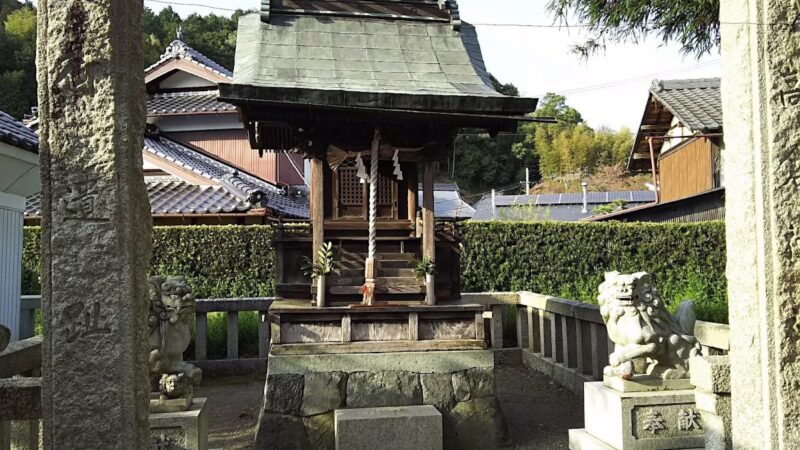
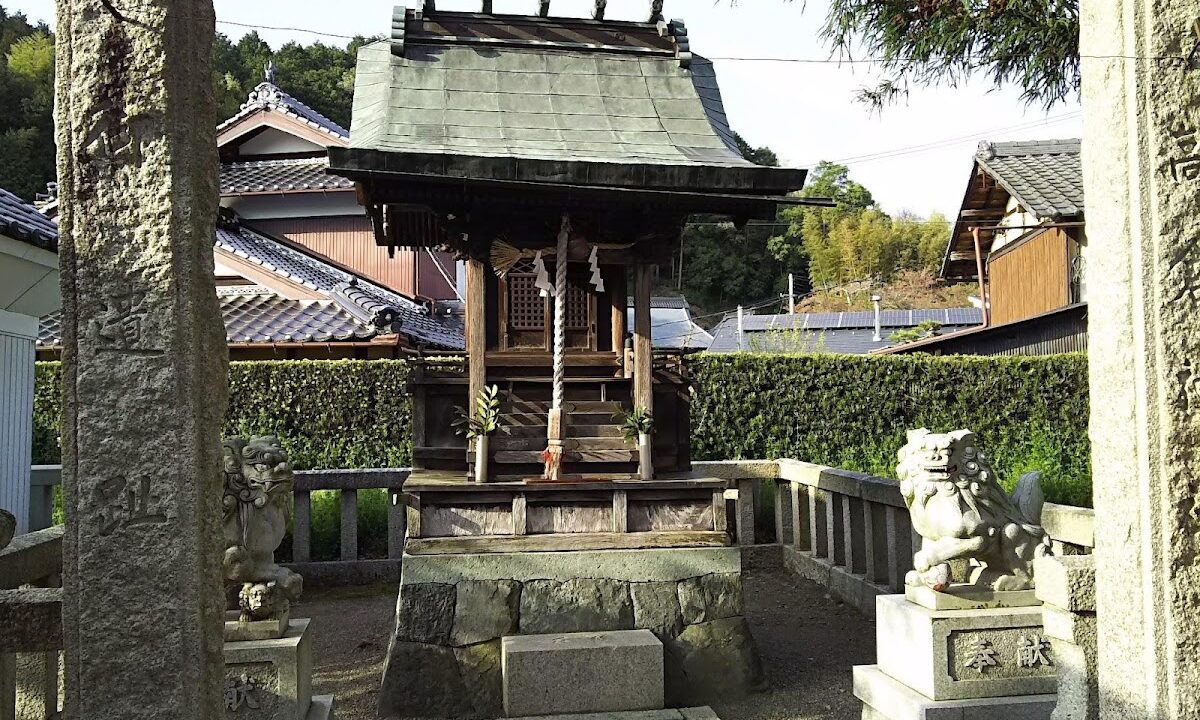
Stone structures bearing the inscription “Kasuga Shrine” can be seen within the grounds. This suggests some connection to Kasuga Taisha in Nara and illustrates the spread of Kasuga faith in the Minami-Yamashiro region.
Highlights of the Grounds and Shrine Architecture
The grounds of Satomiya Takakura Shrine are not vast, but they are dotted with historical buildings and stone structures.
Split Worship Hall
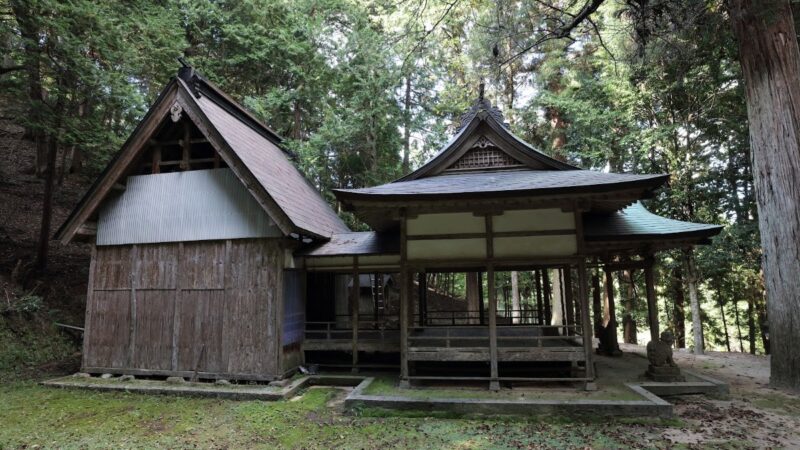
Located on the way from the shrine entrance to the main hall, the split worship hall is a building for worshippers to pay their respects. Its simple yet dignified construction has served as the center of local faith.
Worship Hall and Main Hall
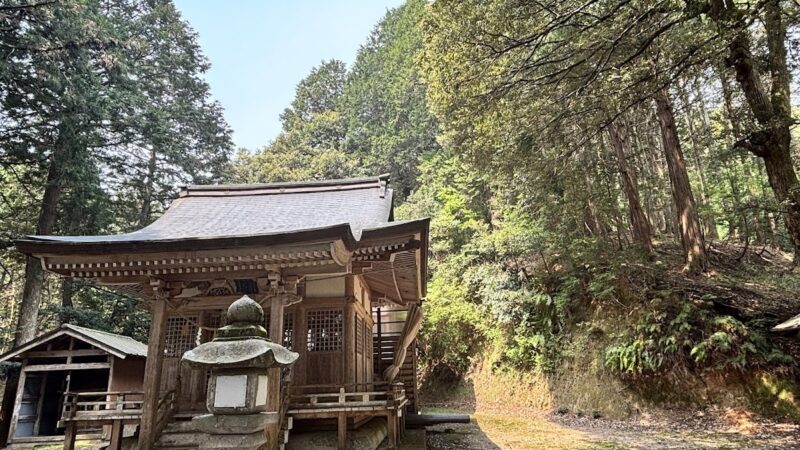
The worship hall is a traditional wooden structure positioned to protect the main hall. The main hall is a small structure, seemingly a one-bay nagare-zukuri style, but it is meticulously maintained, reflecting the deep faith of the local people.
Tomb of Prince Mochihito
Beside the shrine grounds is the “Tomb of Prince Mochihito,” managed by the Imperial Household Agency. Designated as a reference site for imperial tombs, it allows visitors to remember Prince Mochihito, who rests peacefully. The tomb is surrounded by a fence, preventing direct entry, but visitors can pay their respects from outside.
Subsidiary Shrines
Several small subsidiary shrines are enshrined around the main hall. These shrines enshrine deities reflecting local beliefs, such as the local guardian deity and the god of agriculture, demonstrating the shrine’s community-oriented character. ### Stone Structures and Monuments
Within the shrine grounds, you can find stone lanterns inscribed with the name “Takakura-no-miya” and stone monuments commemorating the achievements of Prince Mochihito. These were erected by later generations to honor Prince Mochihito and are cultural assets of high historical value.
Goshuin Information and Stamps
Regarding the issuance of Goshuin (shrine stamps) at Satomiya Takakura Shrine, there are no resident priests, so direct issuance like at typical shrines is not performed.
Stamp-Style Goshuin
A stamp for commemorating your visit is available on the shrine grounds, and visitors can have it stamped in their Goshuin notebooks. The stamp is inscribed with the words “Takakura Shrine” and the shrine’s crest.
Points to Note When Collecting Goshuin (Shrine/Temple Stamps)
- Since there is no resident priest, you will need to fill in the date yourself.
- The condition of the stamp pad may vary depending on the weather and season.
- Don’t forget to bring your goshuincho (stamp book).
- Please be mindful of stamping carefully as proof of your visit.
Considerations Regarding Surrounding Shrines
There are many other shrines and temples in Kizugawa City and the surrounding area. Those planning a goshuin pilgrimage should research information about surrounding shrines beforehand to make their visit more efficient.
Access and Transportation Information
Satomiya Takakura Shrine is located in Kizugawa City, in the southern part of Kyoto Prefecture, and is accessible by both public transport and private car.
Access by Train
Nearest Station: JR Nara Line “Tamamizu Station”
- Approximately 20-23 minutes on foot from Tamamizu Station
- Head southeast from the station, passing through the countryside to reach the shrine.
- There are few signs along the way, so we recommend using a smartphone map app.
Travel Time from Kyoto Station:
- Approximately 40 minutes on the JR Nara Line (using the rapid train)
- Note that Tamamizu Station is only served by local trains.
Travel Time from Nara Station:
- Approximately 20 minutes on the JR Nara Line
Access by Car
From Kyoto:
- Head south on National Route 24 to Kizugawa City
- Head towards “Yamashiro-cho” and take the prefectural road to the shrine.
- Travel time: Approximately 50 minutes from Kyoto City
From Nara:
- Head north on National Route 24
- Travel Time: Approximately 30 minutes from Nara City
Parking Information:
- There is a small parking space in front of the shrine (approximately 2-3 cars).
- During busy times, please consider using nearby public parking facilities.
Access by Foot or Bicycle
If walking from Tamamizu Station, you can enjoy the peaceful rural scenery on your way to the shrine. By bicycle, you can reach the shrine in about 10 minutes from the station. Rental bicycles may be available around Kizu Station.
Manners and Precautions for Visiting the Shrine
When visiting Satomiya Takakura Shrine, please observe the following points.
Basic Shrine Visit Manners
- Bow before passing through the torii gate: This is a courtesy before entering the sacred area.
- Purify yourself at the water basin: If there is a water basin, purify your hands and mouth.
- Two bows, two claps, one bow: Follow the basic Shinto worship etiquette.
- Be quiet: As it is a small shrine, please refrain from speaking loudly.
Photography
- Photography is generally permitted on the shrine grounds.
- However, please photograph the graves with respect.
- Please be considerate of other worshippers.
Clothing and Items to Bring
- There are no specific dress code requirements, but please dress appropriately for a shrine.
- Bring insect repellent in summer and warm clothing in winter.
- Bringing your own drinks is recommended (there are few vending machines nearby).
Choosing the Right Time to Visit
The shrine grounds are open 24 hours a day, but visiting during daylight hours is recommended. The shrine is especially quiet in the early morning and evening, allowing for a peaceful visit.
Annual Events and Festivals
At Satomiya Takakura Shrine, traditional festivals are preserved by the local community.
Spring Festival
Held every spring, the festival brings together local residents for a Shinto ritual to appease the spirit of Prince Mochihito. The local parishioners play a central role in the preparations, passing on the tradition to future generations.
Autumn Festival
A festival is also held to give thanks for the autumn harvest. As agriculture is thriving in the area, this is an important event to pray for a bountiful harvest.
Memorial Service on the Anniversary of Prince Mochihito’s Death
On the anniversary of Prince Mochihito’s death, a memorial service is sometimes held by volunteers. Historians and those visiting places associated with Prince Mochihito gather to commemorate his achievements.
Nearby Tourist Spots and Attractions
When visiting Satomiya Takakura Shrine, we recommend also visiting the nearby historical sites.
Kanimanji Temple
This ancient temple in Kizugawa City houses a national treasure, a seated statue of Shakyamuni Buddha. Located about 10 minutes by car from Satomiya Takakura Shrine, it’s a historic temple dating back to the Asuka period.
Jōruriji Temple
Known as the “Nine Bodhisattva Temple,” Jōruriji Temple boasts a beautiful Heian period Pure Land style garden. The nine national treasure Amida Buddha statues are a must-see. About 20 minutes by car from the shrine.
Gansenji Temple
Gansenji Temple, known for its hydrangeas, is also recommended for sightseeing in the surrounding area. This mountain temple offers a peaceful place to visit, where you can enjoy flowers throughout the seasons.
Historical Sites in Kizugawa City
Kizugawa City flourished as a transportation hub since ancient times, and many historical sites are scattered throughout the area. The ruins of Kuni-kyo (Kuni Capital) from the Nara period and the ruins of medieval mountain castles make it ideal for historical walks. ### Senkyo-ji Temple
Senkyo-ji Temple, known as a center of Jizo worship, is also nearby. It houses a standing statue of Jizo Bodhisattva, a designated Important Cultural Property.
History and Cultural Background of Kizugawa City
Kizugawa City, where Satomiya Takakura Shrine is located, is a historically rich area in southern Kyoto Prefecture.
A Transportation Hub Since Ancient Times
The Kizugawa River has been an important transportation route connecting Kyoto and Nara since ancient times. Goods were transported using the Kizugawa River’s water transport, and the area developed as a key point connecting east, west, north, and south by land.
The Cultural Sphere of Minami-Yamashiro
The Minami-Yamashiro region has formed a unique cultural sphere where Kyoto and Nara cultures intersect. Influences from both can be seen in the architectural styles of shrines and temples, as well as in the forms of worship.
The Stage of Heian Period Turmoil
This region, the site of Prince Mochihito’s uprising and death in battle, is an important historical site that tells the story of the turmoil at the end of the Heian period. This area holds significant historical value as the site where the prelude to the Genpei War unfolded.
Visitor Feedback and Reviews
The following are comments from people who have actually visited Satomiya Takakura Shrine:
Reviews from History Enthusiasts
“Having studied Prince Mochihito’s decree, I was deeply moved to actually visit the place associated with it. It’s a precious place where you can reflect on history in a quiet environment.”
Impressions from Shrine Visitors
“Unlike the famous shrines in Kyoto, there were few tourists, allowing for a peaceful visit. The goshuin (shrine stamp) is in stamp format, but even that added to the enjoyable experience.”
Voices of Local Residents
“This shrine has been familiar to us as the guardian deity of our community since childhood. Local people gather for the annual festival, continuing to uphold tradition.”
Opinions from Those Enjoying a Stroll
“The rural scenery along the walk from Tamamizu Station was beautiful, and I enjoyed a relaxing time. The shrine itself is small, but it’s worth visiting, including the surrounding natural environment.”
Relationship between Satomiya Takakura Shrine and Other Takakura Shrines
There are several shrines named “Takakura Shrine” within Kyoto Prefecture.
Takakura Shrine in Ayabe City
There is also a “Takakura Shrine” in Ayabe City, Kyoto Prefecture, which is also known as a shrine dedicated to Prince Mochihito. It is famous for the “Tenichi-san’s Doyo no Ushi Matsuri” (Midsummer Ox Festival) and attracts many worshippers every year.
Takakura Shrine in Maizuru City
There is also a Takakura Shrine in Nagahama, Maizuru City. Each shrine has its own unique history and origins, and attracts local devotion.
Characteristics of Satomiya Takakura Shrine
Satomiya Takakura Shrine in Kizugawa City is said to be the closest shrine to the actual location where Prince Mochihito was killed, and his tomb is located adjacent to the shrine grounds. In this respect, it has a special significance that sets it apart from other Takakura Shrines.
Enjoying the Shrine in Each Season
Satomiya Takakura Shrine displays different expressions throughout the four seasons.
Spring Visit
During cherry blossom season, rapeseed flowers bloom in the surrounding fields, allowing visitors to enjoy a peaceful spring landscape. Visiting amidst the fresh greenery is a refreshing experience.
Summer Visit
The lush green grounds remain relatively cool even in summer, allowing for a peaceful visit. However, insect repellent is essential.
Autumn Visit
During the rice harvest season, a golden landscape unfolds across the rice fields. Visiting during the autumn festival may allow you to witness local traditional events.
Winter Visit
Winter is the time with the fewest visitors, but the crisp air allows for quiet reflection on history. The shrine, covered in snow, also possesses a unique charm.
Summary | The Charm of Satomiya Takakura Shrine
Satomiya Takakura Shrine is a valuable historical site that conveys the history of the late Heian period. It enshrines Prince Mochihito, a tragic figure, and is an important place for studying Japanese history as it was the stage for a historical event that triggered the Genpei War.
It is not a large-scale tourist destination, but precisely because of this, it is a precious space where you can quietly confront history and reflect on the events of that time. When visiting Kyoto or Nara, why not extend your trip a little and visit this shrine in Kizugawa City?
For history buffs, those who enjoy a quiet shrine visit, and those who want to stand at a turning point in Japanese history, Satomiya Takakura Shrine is a must-see spot. Visiting it along with the surrounding temples and shrines will allow you to experience the rich history and culture of the Minami-Yamashiro region.
Please do visit this historical site for yourself and reflect on the aspirations and tragedy of Prince Mochihito.