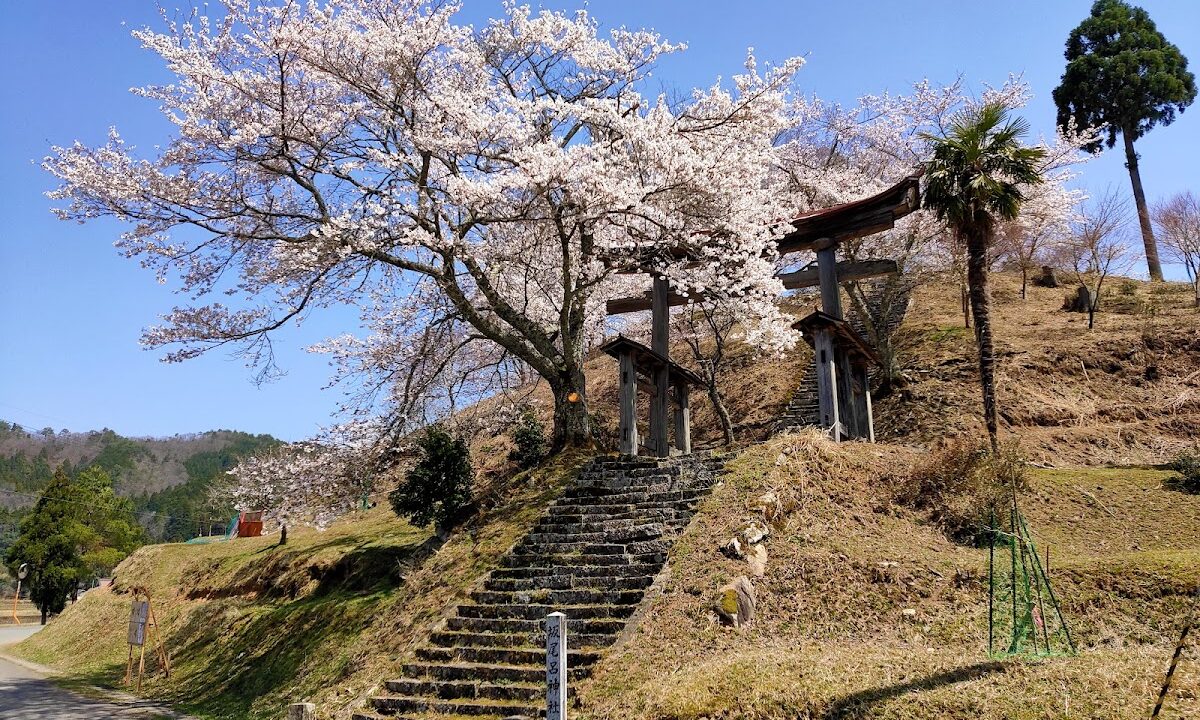
Complete Guide to Sakaoro Shrine (Kyoto Prefecture): A Thorough Explanation of History, Deities, Blessings, and How to Visit
Kyoto Prefecture boasts numerous shrines, but among them, Sakaoro Shrine, with its deeply rooted local history, is a sacred place well worth visiting. This article provides a detailed introduction to Sakaoro Shrine, covering its historical background, enshrined deities, blessings, access methods, and points to consider when visiting.
What is Sakaoro Shrine?
Sakaoro Shrine is a historical shrine located in Kyoto Prefecture, attracting the faith of local people. The name “Sakaoro” is thought to originate from the topography and characteristics of the region, and the shrine has been revered since ancient times as a guardian deity of this land.
Characteristics of the Shrine
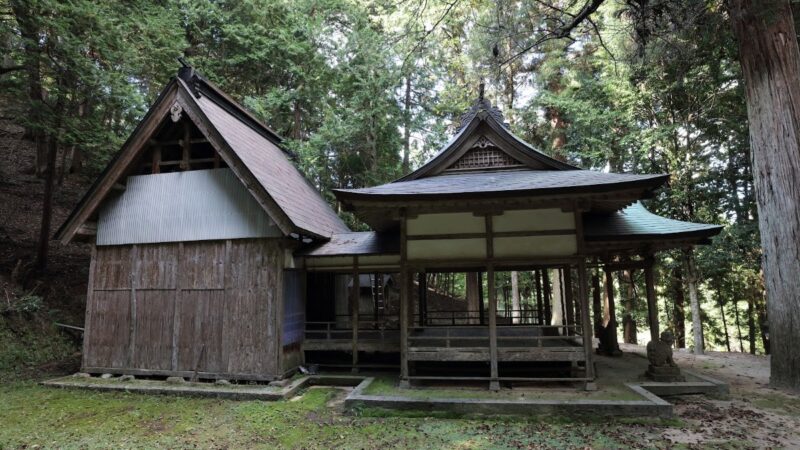
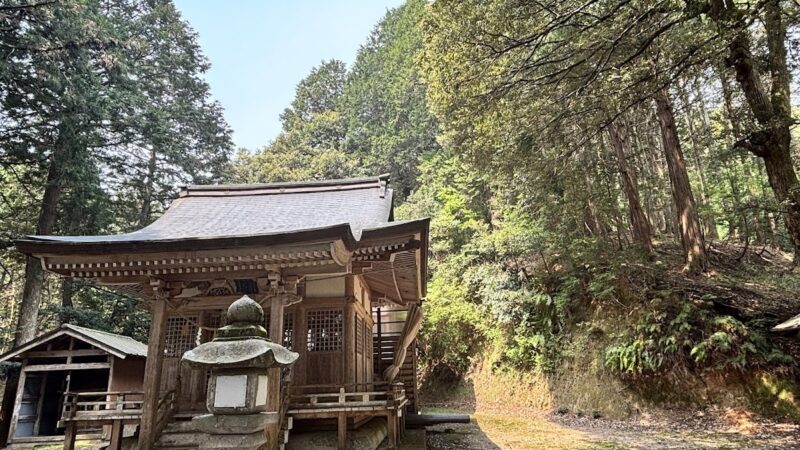
Sakaoro Shrine is located in a quiet environment away from the hustle and bustle of urban areas, allowing visitors to purify their hearts in a peaceful atmosphere. Ancient trees flourish within the shrine grounds, creating a space where one can appreciate the beauty of nature throughout the seasons.
History of Sakaoro Shrine
Origin of Founding
While there are no clear records regarding the exact founding date of Sakaoro Shrine, local traditions suggest that the shrine was established in this location sometime between ancient and medieval times. Like many shrines in Kyoto Prefecture, it developed as a guardian deity of the region and a place for praying for safety in agriculture and daily life.
Historical Changes
Throughout its long history, Sakaoro Shrine has undergone several restorations and reconstructions to reach its current form. It was maintained through the support of local influential figures and parishioners during the Sengoku and Edo periods. Despite the impact of the Meiji-era separation of Shinto and Buddhism, it has survived as a central place of worship for the local community.
Connection with the Community
Sakaoro Shrine has functioned not only as a religious facility but also as a place to strengthen community ties. The festivals and events held throughout the year provide important opportunities for local residents to gather and pass on traditions to future generations.
Connection with the Community ## Deities and Divine Blessings
Deities
The deities enshrined at Sakaoro Shrine are determined based on local traditions and beliefs. Like many local shrines, it is believed that the deities enshrined here are gods who protect land development, agriculture, and all aspects of life. For specific deities, it is recommended to inquire at the shrine office when visiting.
Benefits and Divine Blessings
The main benefits that can be prayed for at Sakaoro Shrine include the following:
- Family Safety: Protection of the health and peaceful life of all family members
- Abundant Harvest: Abundant crops and food safety
- Business Prosperity: Development of business and economic prosperity
- Protection from Misfortune and Disaster: Protection from various calamities
- Community Peace and Tranquility: Peace and development of the entire community
- Traffic Safety: Safe travel and protection for daily movement
As a shrine deeply rooted in the community, it is believed to offer a wide range of benefits related to all aspects of daily life.
Highlights of the Shrine Grounds
Main Hall and Worship Hall
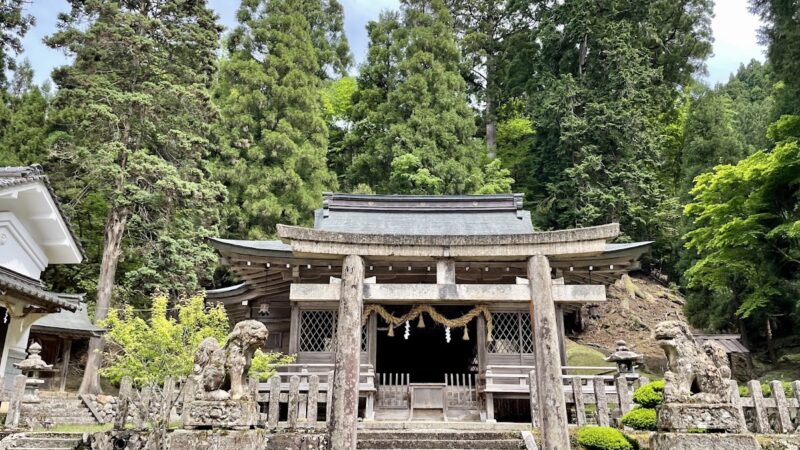
The main hall of Sakaoro Shrine follows traditional shrine architectural styles. In the worship hall, worshippers can offer prayers to the deities and find peace of mind in a tranquil atmosphere.
Subsidiary Shrines
Besides the main hall, there may be several small shrines and subsidiary shrines within the grounds. These reflect local beliefs and history, each with its own unique history and blessings.
Natural Environment
The area surrounding the shrine retains abundant nature, offering beautiful scenery, especially during the fresh greenery of spring and the vibrant autumn foliage. The ancient trees within the grounds tell the story of the shrine’s long history, leaving a solemn impression on worshippers.
Annual Events and Festivals
Grand Festival
Sakaoro Shrine holds various festivals throughout the year. The Grand Festival is the most important festival for the shrine, where local people gather to express gratitude to the deities and pray for future protection. For specific dates, please check with the shrine or local information center.
Seasonal Events
- Hatsumode (January 1st-3rd): Praying for happiness and safety in the new year
- Setsubun Festival (around February 3rd): An event to ward off evil and invite good fortune
- Summer Festival (July-August): A local summer tradition
- Autumn Festival (October-November): A celebration of gratitude for the harvest
These events are important opportunities to strengthen the bonds of the local community.
How to Visit and Etiquette
Basic Worship Etiquette
When visiting Sakaoro Shrine, please observe the following basic worship etiquette:
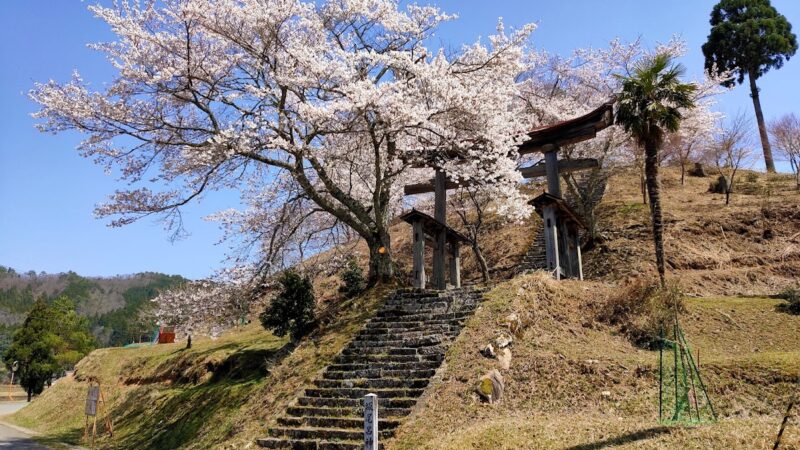
- Bow before passing through the torii gate: Show respect before entering the sacred area.
- Purify yourself at the water basin: Purify your left hand, right hand, and mouth in that order.
- Avoid walking in the center of the path: The center is considered the path of the gods.
- Etiquette at the main hall: Two bows, two claps, and one bow are the basics.
- Bow upon leaving: Turn around and bow before leaving the torii gate.
Attire for Worship
No special formal attire is required, but clean and subdued clothing that reflects the sacred nature of the place is desirable. Avoid extremely revealing or overly flashy clothing.
Amulets and Goshuin (Shrine Seals)
If the shrine office is open, you may be able to obtain amulets and Goshuin. However, for smaller shrines, the shrine office may not always be open, so it is recommended to check in advance.
Access Information
Location
Sakaoro Shrine is located in Kyoto Prefecture, but it is important to check the latest information regarding the specific address and nearest station before visiting. Detailed information can be obtained from local tourist information centers or municipal websites.
Transportation
Using Public Transportation:
- Access by bus or on foot from the nearest train station.
- Local community buses may be available.
- Consider taking a taxi.
Using a Car:
- Check parking availability in advance.
- Smaller shrines may not have dedicated parking.
- Consider using nearby public parking lots.
Best Time to Visit
Sakaoro Shrine is open year-round, but the following times are especially recommended:
- Spring (March-May): Beautiful fresh greenery and mild weather.
- Autumn (September-November): Attractive autumn foliage and pleasant temperatures.
- Festival Days: A valuable opportunity to experience local traditional events.
Nearby Attractions
Nearby Shrines and Temples
Kyoto Prefecture is home to numerous historical shrines and temples. When visiting Sakaoro Shrine, exploring the surrounding temples and shrines will allow you to experience Kyoto’s history and culture more deeply.
Local Tourist Attractions
Around the shrine, there are likely to be unique local tourist spots and natural landscapes. Shops selling local specialties and traditional streetscapes are also part of the charm.
Dining and Rest Facilities
After visiting the shrine, you can enjoy Kyoto’s cuisine at local restaurants. Why not try dishes made with local ingredients or traditional Japanese sweets?
Guidelines for Visiting Sakaoro Shrine
Respect Silence
Shrines are places of prayer and meditation. Please refrain from loud conversations and noisy behavior, and pray quietly. Remember to be considerate of other visitors.
Photography
Photography is generally permitted on the shrine grounds, but it may be prohibited inside the main hall or in sacred areas. Also, please be considerate so as not to include other visitors in your photos.
Protection of the Natural Environment
Please cherish the plants and animals on the shrine grounds, and be sure to take your trash with you. Your cooperation in passing on the shrine’s natural environment to future generations is appreciated.
Sakaoro Shrine as a Local Place of Worship
Center of the Community
Sakaoro Shrine is not merely a tourist attraction; it is a spiritual anchor for local residents. As a place where the history and traditions of the region are condensed, it has been passed down through generations.
Parishioner System and Maintenance
Like many local shrines, Sakaoro Shrine is supported by local residents known as “parishioners.” The shrine is maintained through various activities such as cleaning and preparing for festivals.
Preservation of Tradition
In modern society, maintaining traditional beliefs and customs is not easy. However, community-based shrines like Sakaoro Shrine play a vital role in preserving Japan’s cultural identity.
Advice for Visitors
Preparations
Before visiting Sakaoro Shrine, it is recommended to prepare the following:
- Check the latest access information
- Check the weather forecast (especially for rainy weather)
- Wear comfortable walking shoes
- Prepare small change (for offerings)
- Study the history and origins of the shrine beforehand
Visiting Hours
Shrines are generally open for worship from sunrise to sunset, but the opening hours of the shrine office may be limited. If you wish to obtain a Goshuin (shrine stamp) or amulet, please check the opening hours in advance.
Inquiries
For detailed information about the shrine, you can inquire using the following methods:
- Local Tourism Association
- Municipal Cultural Properties Department
- Nearby Shrine Association
Summary of Sakaoro Shrine’s Charms
Sakaoro Shrine is one of the shrines that embodies the rich spiritual culture of Kyoto Prefecture. Unlike large-scale tourist shrines, it possesses a simple charm deeply rooted in the local community.
Reasons to Visit
- Historical Value: A center of local faith with a long history
- Tranquil Environment: A healing space away from the hustle and bustle of the city
- Experience of Local Culture: An opportunity to experience an authentic Japanese local community
- Spiritual Fulfillment: A time to calm the mind and reflect
- Harmony with Nature: A beautiful natural environment that changes with the seasons
The Significance of Visiting
Visiting a shrine is not merely sightseeing; it is a valuable experience to connect with traditional Japanese spirituality. By visiting Sakaoro Shrine, you can rediscover values such as “tranquility,” “respect,” and “gratitude,” which are often lost in modern society.
Kyoto’s Shrine Culture and Sakaoro Shrine
The Role of Shrines in Kyoto
Kyoto Prefecture is home to many nationally famous shrines, such as Fushimi Inari Taisha, Kamigamo Shrine, and Shimogamo Shrine. On the other hand, small, locally rooted shrines like Sakaoro Shrine are also important in supporting Kyoto’s diverse religious culture.
Differences from Large-Scale Shrines
Compared to famous tourist shrines, local shrines like Sakaoro Shrine have the following characteristics:
- Quiet Worship Environment: Less crowded with tourists
- Close Relationship with the Community: Integrated into the lives of residents
- Simple Charm: Emphasis on history and tradition over extravagant decorations
- Personal Experience: Allows for leisurely worship
How to Enjoy Shrine Visits
When visiting Kyoto, visiting local shrines like Sakaoro Shrine, in addition to famous tourist spots, will give you a deeper understanding of Kyoto. Experiencing the unique history and atmosphere of each shrine leads to a true Kyoto experience.
The Role of Shrines in Modern Times
A Spiritual Sanctuary
In modern society, shrines have become a sanctuary for people seeking spiritual peace. The value of shrines as places to escape the stresses of daily life and calm the mind is being re-evaluated.
Value as a Cultural Asset
Historical shrines like Sakaoro Shrine play a role in preserving tangible and intangible cultural assets, such as buildings, festivals, and traditional events. These are valuable assets that should be passed down to future generations as part of Japan’s cultural heritage.
Contribution to Regional Revitalization
Shrines also function as places that strengthen community bonds and form regional identity. Through festivals and events, they contribute to intergenerational exchange and regional revitalization.
Self-Reflection Through Worship
Purification of the Mind
Visiting a shrine offers an opportunity to temporarily step away from daily life and confront oneself. The act of purifying one’s hands at the water basin symbolizes not only physical cleanliness but also the purification of the mind.
A Heart of Gratitude
Through worship, one can reaffirm feelings of gratitude for daily life. Praying to the gods is, in fact, an act of dialogue with one’s own heart.
A Connection to Tradition
By participating in the rituals and festivals at a shrine, you can experience a connection to Japanese traditional culture that has continued for hundreds or even thousands of years. This is a valuable experience for modern people.
Summary: Visit Sakaoro Shrine
Sakaoro Shrine embodies the rich spiritual culture and local history of Kyoto Prefecture. It possesses a quiet charm different from famous tourist spots, offering visitors peace of mind and an opportunity to deepen their understanding of Japanese traditional culture.
Visiting a shrine is more than just sightseeing; it’s a spiritual experience. By visiting Sakaoro Shrine, you can rediscover values such as “silence,” “respect,” and “gratitude,” which are often lost in modern society, and enrich your heart.
When visiting Kyoto, be sure to visit Sakaoro Shrine. The warmth unique to a shrine rooted in the community and the sacred atmosphere nurtured by its long history will welcome you.
When visiting, please observe the rituals and manners introduced in this article, respect the sacred space of the shrine, and offer your prayers quietly. I hope your experience at Sakaoro Shrine will bring rich meaning to your life.