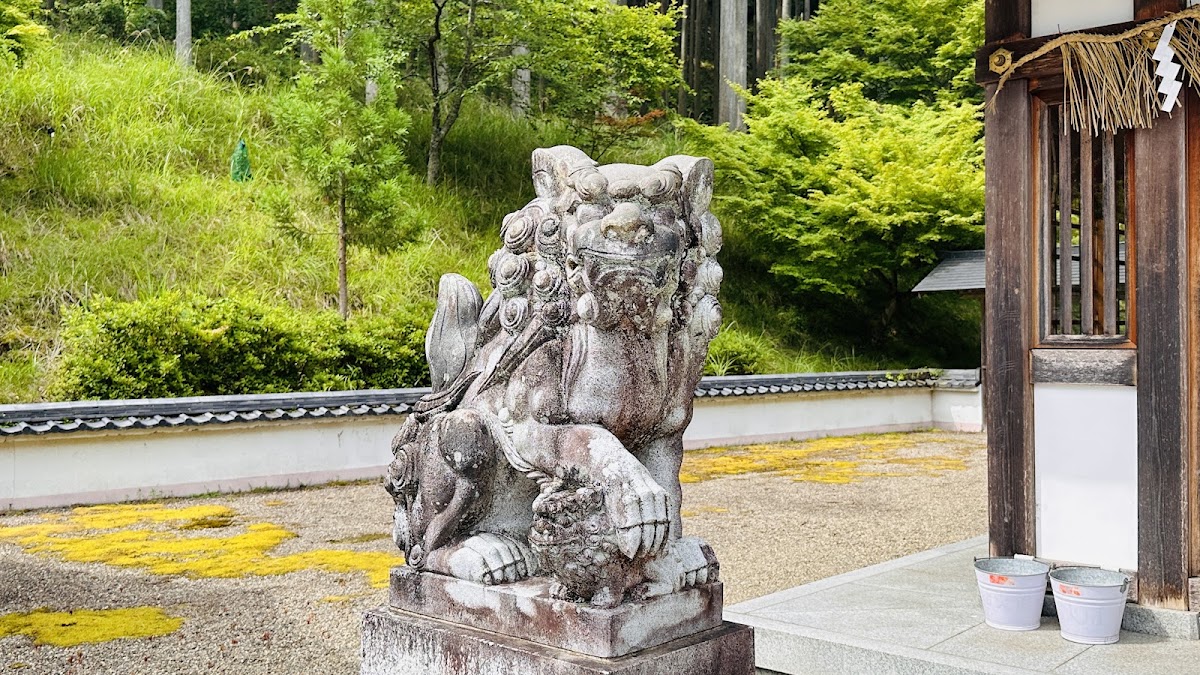
Amewaka Shrine (Nantan City, Kyoto Prefecture) Complete Guide: The History of the Hiyoshi Dam Relocation and the Legend of Amewakahiko
Amewaka Shrine, located in Hiyoshi-cho, Nantan City, Kyoto Prefecture, is a shrine with a unique history dating back to the Muromachi period, but was relocated due to the construction of the Hiyoshi Dam. This shrine, dedicated to Amewakahiko-no-Mikoto, is located in the central part of Kyoto Prefecture and is a valuable place of worship where ancient mythology and local history intersect.
Basic Information on Amewaka Shrine
Amewaka Shrine is located at 33 Tonoda Mukaiyama, Hiyoshi-cho, Nantan City, Kyoto Prefecture. The nearest station is Hiyoshi Station on the JR San’in Main Line. Its former shrine rank was Village Shrine, and it is a historical shrine that has been cherished by the local people for a long time.
Location: 33 Mukaiyama, Tonoda, Hiyoshi-cho, Nantan City, Kyoto Prefecture
Deity Enshrined: Ama-no-Wakahiko-no-Mikoto (Ama-no-Wakahiko-no-Mikoto)
Former Shrine Rank: Village Shrine
Nearest Station: Hiyoshi Station, JR San’in Main Line
Parking: Parking available on the shrine grounds
Nantan City is located almost in the center of Kyoto Prefecture and is sometimes called the “navel of Kyoto Prefecture.” Ama-no-Waka Shrine is situated on a hill on the outskirts of the Honoda settlement, which spreads along a tributary of the Katsura River in this region.
History and Origins of Ama-no-Waka Shrine
Founded in the Muromachi Period
Ama-no-Waka Shrine is believed to have been founded during the Jōji era of the Muromachi period (around 1362-1368). It was established over 660 years ago as the Ichinomiya (first shrine) of a village called Yoki. The Yoki area has long been revered as a sacred place where Ama-no-Wakahiko-no-Mikoto descended, and the shrine dedicated to this deity became the center of local faith. ### The History of the Hiyoshi Dam Construction and Relocation
The most significant turning point in the history of Tenwaka Shrine was its relocation in 1991 (Heisei 3). Due to the construction of the Hiyoshi Dam, the original location in Seki (approximately 3 kilometers southeast of the current location) was submerged, and the shrine, along with the entire village, was relocated to its current site.
While the current shrine building is relatively new due to this relocation, the history and faith of the shrine have been continuously passed down. The Hiyoshi Dam is a multi-purpose dam aimed at flood control and water utilization in the Katsura River system, and its construction brought about significant changes to the region.
The Status of Seki’s Ichinomiya
Before the relocation, Tenwaka Shrine was considered the most prestigious shrine in the region, known as Seki’s Ichinomiya. An Ichinomiya is the shrine with the highest rank in a region, and Tenwaka Shrine played an important role as the center of faith in the Seki area.
About the Deity Enshrined: Ame-no-Wakahiko-no-Mikoto
The Myth of Ame-no-Wakahiko
Ame-no-Wakahiko-no-Mikoto, the deity enshrined at Ame-no-Waka Shrine, is a god appearing in Japanese mythology. His name means “young man from the heavens,” and in the Kojiki and Nihon Shoki, he is depicted as a god of exceptional beauty.
According to the myth, Ame-no-Wakahiko was a god sent from Takamagahara (the High Plain of Heaven) to Ashihara-no-Nakatsukuni (the earthly world). He descended to urge the earthly realm to relinquish its land, but was captivated by a beautiful princess goddess on earth and neglected to report back to the heavens. This myth illustrates Ame-no-Wakahiko’s character as a being that connects heaven and earth.
The Ame-no-Wakahiko Legend in Hiyoshi-cho, Nantan City
In Hiyoshi-cho, Nantan City, the place name “Ame-no-Wakahiko” remains, and a unique legend of Ame-no-Wakahiko is passed down in this region. Local legend says that Ama-no-Wakahiko descended to this land, and it is believed that Ama-no-Waka Shrine was built to commemorate this landing.
Ama-no-Wakahiko has been revered by the local people as a symbol of beauty and youth, and as a god who connects heaven and earth. Even today, his mythical charm continues to attract many visitors.
Highlights of the Shrine Grounds
Shrine Buildings and Grounds Layout
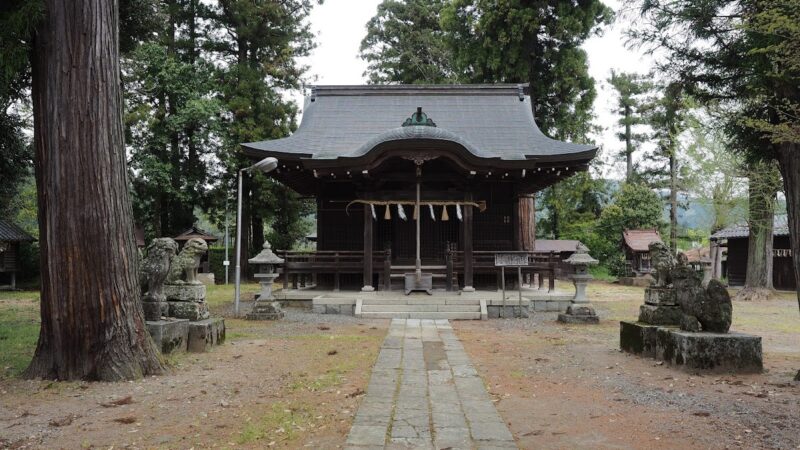
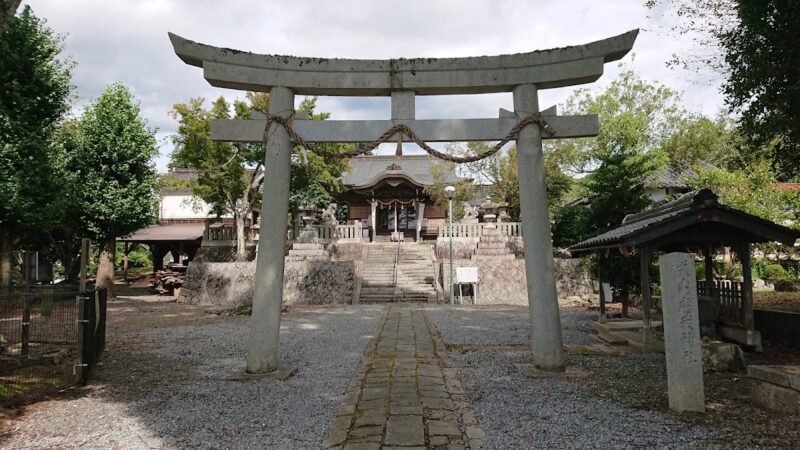
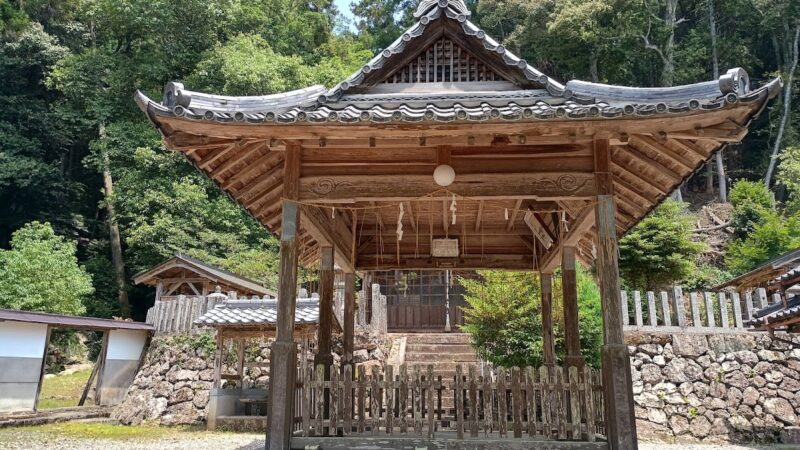
The current shrine buildings, rebuilt in 1991 after the relocation, follow traditional shrine architectural styles while incorporating relatively new timber and construction techniques. Both the main hall and the worship hall are clean and well-maintained, giving visitors a refreshing impression.
Because the grounds are located on a hill, visitors can enjoy panoramic views of the surrounding scenery and experience the natural beauty of Hiyoshi, where a tributary of the Katsura River flows. Many visitors also visit while reminiscing about the shrine’s original location in Seki.
Atmosphere of the Shrine Grounds
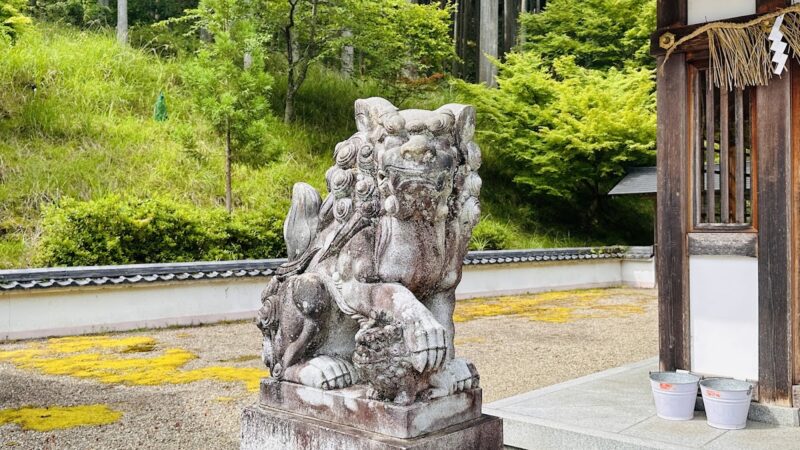
The grounds of Ama-no-Waka Shrine are enveloped in a tranquil atmosphere. Surrounded by trees, the shrine grounds offer a tranquil space for worship, far removed from the hustle and bustle of the city. Especially during the seasons of fresh greenery and autumn leaves, you can enjoy a landscape where the beauty of nature and the solemnity of the shrine harmonize.
Access and Detailed Information
Access by Public Transportation
By Train:
- Get off at Hiyoshi Station on the JR Sanin Main Line
- Approximately 10-15 minutes on foot or by taxi from the station
Hiyoshi Station is about an hour from Kyoto Station on the Sanin Main Line. A transfer at Sonobe Station may be necessary, so it is recommended to check the timetable in advance.
Access by Car
By Car:
- Approximately 20 minutes from Sonobe IC on the Kyoto Jukan Expressway
- Via National Route 9 and National Route 477
- Parking available on the shrine grounds
From Kyoto city, the most common route is to head north on National Route 9 towards Hiyoshi. Entering “Amawaka Shrine, Nantan City” or the address into your car navigation system will guide you there.
Notes on Visiting
The shrine grounds are always open, but the shrine office may not always be staffed. Those wishing to receive a Goshuin (shrine stamp) are advised to check in advance. Although the shrine grounds are relatively new after being relocated, they are cherished as a place of worship for the local community, so please observe proper etiquette when visiting.
About Goshuin
Goshuin are available at Amawaka Shrine. However, since there may not always be a resident priest, those wishing to receive a Goshuin should inquire in advance, or consider that it may be managed by a nearby shrine.
The Goshuin includes the shrine name and date of visit, and features Amawaka Shrine’s unique stamp. As a special shrine where modern history (the construction of the Hiyoshi Dam) and ancient mythology intersect, the Goshuin is popular among many Goshuin collectors.
Nearby Tourist Attractions
Hiyoshi Dam
Hiyoshi Dam, which was the impetus for the relocation of Tenwaka Shrine, is now an important tourist spot in Nantan City. The dam lake, “Tenwaka Lake,” offers beautiful scenery throughout the seasons, and parks and museums have been developed around the dam. Visiting it in conjunction with a visit to Tenwaka Shrine allows for a deeper understanding of the region’s history and modern state.
Miyama Thatched Village
Nantan City is home to Miyama Thatched Village, which preserves the original landscape of Japan, and is about a 30-minute drive from Tenwaka Shrine. This thatched-roof village, designated as an Important Preservation District for Groups of Traditional Buildings, is a valuable place to experience Japanese rural culture.
Rurikei Onsen
Rurikei Onsen, located in Sonobe-cho, Nantan City, is about a 40-minute drive from Tenwaka Shrine. This resort facility, where you can enjoy the beauty of the valley and hot springs, is perfect for relaxing after visiting the shrine.
Annual Events at Tenwaka Shrine
Tenwaka Shrine holds various traditional local events. While the detailed festival schedule may vary from year to year, it generally includes events such as the New Year’s Day Festival, Spring Festival, and Autumn Festival, similar to other Shinto shrines.
The way local residents play a central role in protecting the shrine and passing down the festivals evokes a sense of the origins of regional faith in Japan.
Cultural Significance of Ama-no-Waka Shrine
Records of Dam Construction and Shrine Relocation
Ama-no-Waka Shrine is a valuable example of the relationship between large-scale public works projects carried out during Japan’s period of rapid economic growth and the bubble economy, and local traditional culture. With the construction of the Hiyoshi Dam, many settlements were submerged, and residents were forced to relocate.
The fact that the shrine also relocated along with the village, and that the faith was passed down, demonstrates the strength of Japanese faith and community. It also possesses value as a modern shrine architecture, a place where tradition and innovation coexist.
Inheritance of Mythology
By continuing to enshrine Ama-no-Wakahiko, a god from ancient mythology, Ama-no-Waka Shrine also plays a role in conveying the memory of Japanese mythology to the present day. In today’s increasingly urbanized world, places of worship intertwined with mythology like this are invaluable cultural heritage.
Points to Note When Visiting
Recommended Time to Visit
While Tenwaka Shrine can be visited throughout the year, the following times are particularly recommended:
Spring (April-May): The fresh greenery is beautiful, and the trees on the shrine grounds are budding. Visiting in the refreshing air is a special experience.
Autumn (October-November): The autumn leaves are beautiful, and Hiyoshi’s nature is at its most colorful. Enjoy the scenery along with the surrounding landscape.
Winter (December-February): The shrine grounds, enveloped in silence during winter, exude an even more sacred atmosphere. Snow sometimes falls, creating a fantastical scene.
Mindset When Visiting
When visiting Tenwaka Shrine, reflecting on the special history this shrine has experienced will allow for a deeper experience. The submerged land of Seki, the relocated villagers, and the forms of faith that continue to be preserved—by visiting with these things in mind, you can gain a spiritual experience that goes beyond mere sightseeing.
History and Culture of Hiyoshi-cho, Nantan City
Hiyoshi-cho in Nantan City is located almost in the center of Kyoto Prefecture and has long been a transportation hub connecting Kyoto and the San’in region. Situated in the upper reaches of the Katsura River, it is a region blessed with abundant nature and water resources.
Before the construction of the Hiyoshi Dam, several settlements, including Seki, were scattered throughout the valley. While the dam construction drastically changed the landscape of the region, relocated cultural assets and places of worship, such as Amawaka Shrine, preserve the region’s memory.
About Shrines with the Same Name as Amawaka Shrine
In fact, there are several shrines named “Amawaka Shrine” within Kyoto Prefecture. There is also an Amawaka Shrine (Amawaka Jinja) in Shimokumada-cho, Keihoku, Ukyo-ku, Kyoto City, and it has a separate corporate number.
The Tenwaka Shrine in Nantan City (with a corporate number) and the Tenwaka Shrine in Ukyo Ward, Kyoto City are separate shrines, but both may have beliefs related to Tenwakahiko. When visiting or searching for information, it is important to check the location to avoid confusion.
This article introduces the Tenwaka Shrine located at 33 Tonoda Mukaiyama, Hiyoshi-cho, Nantan City, Kyoto Prefecture.
Practical Advice for Visiting Tenwaka Shrine
Time Required
While a visit to Tenwaka Shrine itself can be completed in about 30 minutes, if you also want to enjoy the scenery of the surrounding Hiyoshi Dam and Tenwaka Lake, it is recommended to allow 2-3 hours.
Clothing and Items to Bring
Since some parts of the shrine grounds are unpaved, comfortable walking shoes are recommended. Insect repellent spray is advisable in summer, and warm clothing in winter. Those wishing to receive a Goshuin (shrine stamp) should bring their Goshuincho (stamp book).
Photography
Photography is generally permitted on the shrine grounds, but please be considerate of other visitors and local residents. Particular attention should be paid to photography etiquette during festivals.
Summary: The Charm of Amawaka Shrine
Amawaka Shrine is a special shrine where history dating back to the Muromachi period, the legend of Amawakahiko from Japanese mythology, and the modern history of the Hiyoshi Dam construction intersect. The form of faith preserved and passed down through the ordeal of relocation demonstrates the strength and beauty of Japanese regional culture.
When visiting Nantan City, Kyoto Prefecture, be sure to visit Amawaka Shrine. In the tranquil grounds, you can reflect on ancient myths and feel the history of the submerged Seki area and the people who relocated, discovering something important for us living in the modern age.
A visit to Amawaka Shrine will be more than just sightseeing; it will be an encounter with a story woven from history and faith, nature and human activity.
Frequently Asked Questions (FAQ)
We have compiled frequently asked questions and their answers regarding Amawaka Shrine.
Q1: Can I always get a Goshuin (temple/shrine stamp) at Amawaka Shrine?
You can get a Goshuin at Amawaka Shrine, but there may not always be a resident priest. If you want to be sure to get a Goshuin, we recommend contacting the Nantan City Tourism Association or a nearby shrine in advance. Also, there is a higher chance of a priest being present on festival days.
Q2: Is a car necessary to access Amawaka Shrine?
While it is accessible by public transport, it is a considerable distance from JR Hiyoshi Station, so access by car is more convenient. We recommend taking a taxi from the station or renting a car. Having a car will also allow you to efficiently visit nearby attractions such as the Hiyoshi Dam.
Q3: What are the blessings of Amawaka Shrine?
The enshrined deity of Amawaka Shrine, Amawakahiko-no-Mikoto, is a god considered a symbol of beauty and youth. Generally, it is believed to bring blessings related to matchmaking, beauty, and health. Furthermore, due to its nature as a god connecting heaven and earth, it is also worshipped as a god that delivers wishes to heaven.
Q4: Please explain the relationship between Hiyoshi Dam and Amawaka Shrine.
Amawaka Shrine was relocated from its original location in Seki to its current location in 1991 due to the construction of Hiyoshi Dam. The Seki settlement was submerged by the dam construction, and the shrine was moved along with its residents. The dam lake was named “Amawaka Lake,” a name derived from the deity enshrined at Amawaka Shrine.
Q5: When is the annual festival of Amawaka Shrine?
The specific dates of the annual festival at Amawaka Shrine may vary from year to year. Generally, festivals are held in spring and autumn, but for detailed dates, it is recommended to inquire with the Nantan City Hall or the local tourism association.
Q6: Are Amawaka Shrine and Amawaka Shrine in Ukyo-ku, Kyoto City the same?
No, they are different shrines. The Amawaka Shrine introduced in this article is located in Tonoda, Hiyoshi-cho, Nantan City, Kyoto Prefecture, while another Amawaka Shrine with the same name exists in Shimokumada-cho, Keihoku, Ukyo-ku, Kyoto City. The two are registered as separate legal entities and have different addresses, so please check the address before visiting.
Q7: Are there any recommended tourist spots around Tenwaka Shrine?
Around Tenwaka Shrine, Hiyoshi Dam and Tenwaka Lake are the main tourist spots. There are parks and museums around the dam where you can enjoy the scenery of each season. Also, about 30 minutes away by car is Miyama Kayabuki no Sato, where you can experience a traditional Japanese rural landscape. Rurikei Onsen is also about 40 minutes away by car.
Q8: Is there any appropriate attire for visiting Tenwaka Shrine?
There are no specific dress code requirements, but since there are unpaved areas on the shrine grounds, we recommend wearing comfortable shoes. As it is a sacred place, avoid overly casual clothing and opt for clean, presentable attire. Don’t forget to take appropriate precautions against the cold or heat depending on the season.