Katori Shrine Complete Guide: A Thorough Explanation from the Head Shrine to Branch Shrines Nationwide
Katori Shrine is a prestigious shrine with approximately 400 branches throughout Japan. Its head shrine, Katori Jingu in Katori City, Chiba Prefecture, is known as a highly prestigious shrine holding the title of “Jingu” (Grand Shrine), alongside Ise Jingu and Kashima Jingu. This article provides a detailed introduction to the history of Katori Shrine, its enshrined deities, its blessings, and major Katori Shrines throughout Japan.
What is Katori Shrine?: The Lineage of Japan’s Representative Shrines
Katori Shrine is a general term for shrines that enshrine Futsunushi-no-Okami. Approximately 400 such shrines are located throughout Japan, each enjoying fervent devotion in its respective region.
Characteristics of Katori Shrine
The most distinctive feature of Katori Shrine is its widespread worship as a deity of martial arts, victory, and traffic safety. Futsunushi-no-Okami is a god of war who played a key role in the transfer of the land in Japanese mythology. Due to his bravery and sense of justice, he has been revered by many people, including samurai, since ancient times.
Even today, many people facing competitions, such as martial artists (kendo, judo, etc.), athletes, students preparing for exams, and business professionals, visit the shrine to pray.
Katori Shrine: The Head Shrine of All Katori Shrines
Located in Katori City, Chiba Prefecture, Katori Shrine holds a special position as the head shrine of approximately 400 Katori shrines nationwide.
History of Katori Shrine
According to tradition, Katori Shrine was founded in the 18th year of Emperor Jimmu’s reign (643 BC), giving it a history of over 2600 years. Its name is recorded in the *Nihon Shoki* (Chronicles of Japan), and it has been revered by the imperial court since ancient times.
In the Middle Ages, it attracted the faith of samurai families, including Minamoto no Yoritomo, and during the Edo period, it received generous protection from the Tokugawa Shogunate. During the Meiji era, it was ranked as a Kanpei Taisha (Grand Imperial Shrine), becoming one of only three special shrines in Japan, along with Ise Grand Shrine and Kashima Grand Shrine, to be granted the title of “Jingu” (Grand Shrine).
Deity Enshrined: The Divine Nature of Futsunushi-no-Okami
Futsunushi-no-Okami is a god of war who appears in the Kojiki and Nihon Shoki. He is known as the god who, at the command of Amaterasu-Omikami, successfully handed over the land of Izumo together with Takemikazuchi-no-Okami (the enshrined deity of Kashima Grand Shrine).
The name “Futsunushi” means the god who presides over the sacred sword “Futsu-no-Mitama,” clearly indicating his character as a god of swords and martial arts.
Grounds and Highlights of Katori Shrine
Katori Shrine boasts a vast grounds of approximately 370,000 square meters, enveloped in a solemn atmosphere.
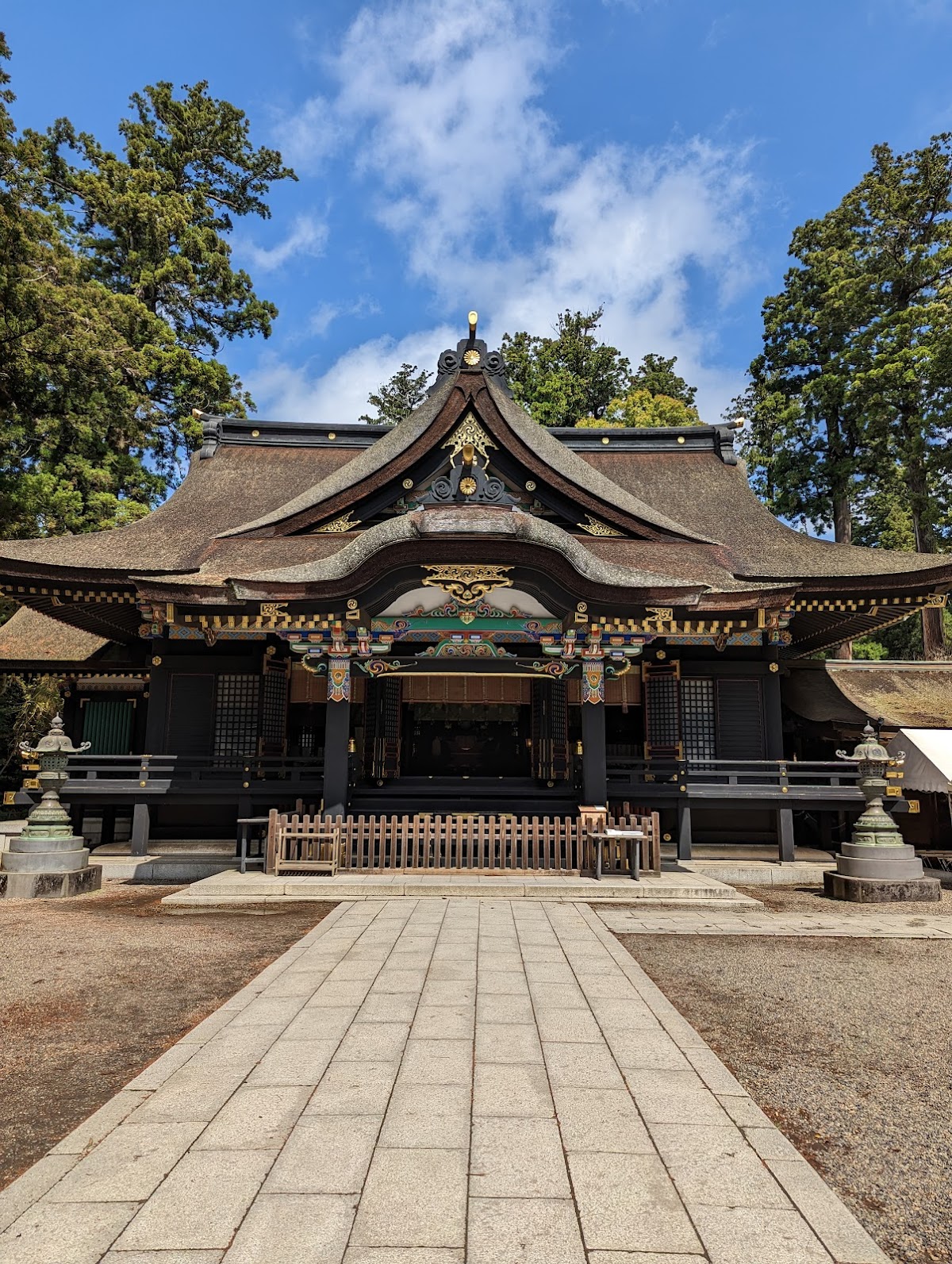
The Main Hall and Worship Hall were constructed in 1700 by the Tokugawa Shogunate and are characterized by their imposing, black-lacquered architecture. They are designated as Important Cultural Properties of Japan and represent the pinnacle of Edo-period shrine architecture.
The Romon Gate was built in 1635 and its beautiful vermilion finish welcomes visitors. This is also designated as an Important Cultural Property.
The Treasure Hall houses and displays many cultural artifacts, including the National Treasure “Sea Beast and Grape Mirror.” It also contains many swords and other bladed weapons donated since ancient times, a collection befitting a shrine dedicated to a god of war.
Main Festivals at Katori Shrine
Many festivals are held at Katori Shrine throughout the year.
The Annual Festival (April 14th) is the most important festival at Katori Shrine. Around this time, on April 11th, the “Yabusame Dedication Ritual” is held, where you can witness magnificent horseback archery skills.
The Shikinen Shinko-sai (Periodic Procession Festival) is a grand festival held once every 12 years, in the Year of the Horse, where the portable shrine is paraded through the parish area. Most recently, it is scheduled to be held in 2026, and the entire region will be enveloped in the excitement of the festival.
The Futago-mamori (Twin Shrine Amulet) is a special amulet distributed jointly with Kashima Shrine, and is popular for possessing the divine virtues of both shrines.
Access to Katori Shrine
By Train: Approximately 10 minutes by taxi or 30 minutes on foot from JR Narita Line “Sawara Station”. Buses also operate from Sawara Station.
By Car: Approximately 5 minutes from the Higashi-Kanto Expressway “Sawara-Katori IC” and approximately 10 minutes from the “Daiei IC”. Free parking is available on the shrine grounds.
Express Buses: Express buses operate from Tokyo Station to Sawara and Katori, making access convenient.
Major Katori Shrines in Tokyo
Many Katori Shrines are located within Tokyo, attracting the faith of local residents.
Katori Shrine (Higashi-Kasai, Edogawa Ward)
Located in Higashi-Kasai, Edogawa Ward, Tokyo, the Katori Shrine, formerly known as Moro Shrine, has long been revered as the guardian shrine of Nagashima Village. It enshrines Futsunushi-no-Mikoto and is cherished as a guardian deity of the region.
The nearest stations are Kasai Station or Urayasu Station on the Tokyo Metro Tozai Line, offering good access from central Tokyo.
Mamai Katori Shrine (Shinkoiwa, Katsushika Ward)
Located in Shinkoiwa, Katsushika Ward, Tokyo, the Mamai Katori Shrine is revered as the guardian shrine of the Shinkoiwa area. We accept prayers for important life events such as warding off bad luck, first shrine visits for newborns, Shichi-Go-San (children’s festival), traffic safety, academic success, and business prosperity.
As a shrine deeply rooted in the community, we actively hold seasonal festivals and events, and have strong ties with local residents.
Katori Shrines in Chiba Prefecture
Many Katori Shrines are located in Chiba Prefecture, the home of Katori Jingu Shrine.
Tomisato Guardian Shrine Katori Shrine (Tomisato City)
Located in Takamatsu, Tomisato City, Chiba Prefecture, Katori Shrine is cherished by the local people as the guardian shrine of Tomisato. It enshrines Katori Okami and is worshipped as a god of family safety, industrial guidance, maritime protection, matchmaking, safe childbirth, victory, traffic safety, and protection from disaster.
The Takamatsu area of Tomisato City has a history of flourishing as a post town, and has attracted the faith of people praying for safe travels. The tranquil grounds, surrounded by trees, are blessed with abundant nature, creating a peaceful environment for worship.
The shrine also offers prayers and the issuance of Goshuin (shrine seals), attracting visitors from far and wide.
Katori Shrines Across Japan
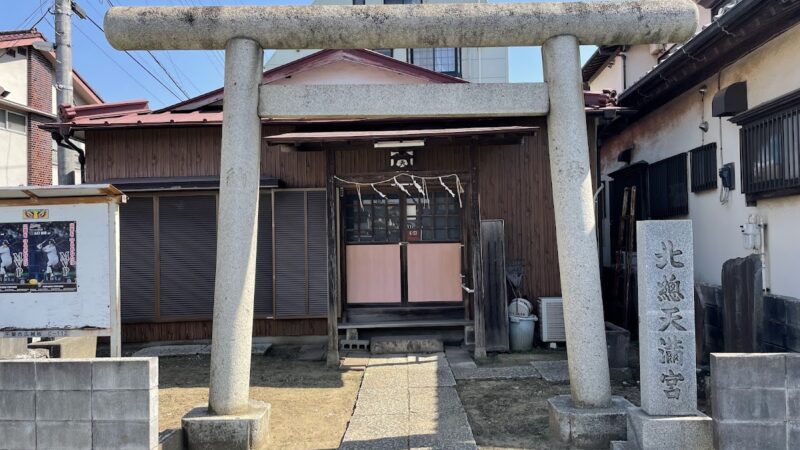
Katori Shrines are located throughout Japan, primarily in the Kanto region, but also extending from Tohoku to Kyushu.
Katori Shrines in Saitama Prefecture
There are several Katori Shrines within Saitama Prefecture, each attracting devotion in its respective region. Many have functioned as guardian shrines for rural areas, praying for abundant harvests and regional peace.
Other Regions
Northern Kanto region, including Ibaraki, Tochigi, and Gunma prefectures, has a particularly large number of Katori Shrines, demonstrating the widespread influence of Katori faith. It is believed that Katori faith spread to these regions through the migration and development of samurai warriors from the medieval period onward.
Benefits and Faith of Katori Shrines
Katori Shrines are revered for their various blessings.
Improvement in Martial Arts and Good Fortune
The most representative blessings are improvement in martial arts and good fortune in victory. Because Futsunushi-no-Okami is a god of war, practitioners of martial arts such as kendo, judo, and karate visit the shrine to pray for improvement in their skills. People also visit to pray for victory in all kinds of competitions, including sports, exams, and business.
Traffic Safety
In modern times, the shrine is also widely worshipped as a god of traffic safety. The ancient belief in the god as a protector of safe travel has developed into modern prayers for traffic safety. Many people visit to pray for traffic safety when purchasing a new car or obtaining a driver’s license.
Protection from Misfortune and Disaster
As a powerful god of war, Futsunushi-no-Okami is believed to have the power to ward off all kinds of disasters and misfortunes. Therefore, people visit the shrine to pray for protection from misfortune during unlucky years and for protection from negative influences.
Family Safety and Industrial Development
As a guardian shrine of the region, prayers are also offered for family safety, business prosperity, and industrial development. In particular, Katori Shrines in rural areas retain a strong aspect as guardian deities of agriculture and fishing.
Matchmaking and Safe Childbirth
Some Katori Shrines are believed to offer blessings for matchmaking and safe childbirth. This is due to the deities enshrined and local beliefs.
How to Worship at Katori Shrine
Here are the basic manners for worshipping at Katori Shrine.
Basic Worship Manners
- Bow before passing through the torii gate: As a sign of respect before entering the sacred area, bow before the torii gate.
- Purify yourself at the water basin: Purify your left hand, right hand, and mouth in that order, and finally your left hand.
- Walk along the edge of the path: The center of the path is considered the path of the gods, so walk along the edge.
- Worship at the main hall: The basic method is two bows, two claps, and one bow (two bows, two claps, one bow). Place your offering in the offering box, ring the bell, and then bow in reverence.
Receiving a Prayer
To receive a formal prayer, register at the shrine office. State your prayer request, such as protection from misfortune, traffic safety, or academic success. The prayer fee (offering) varies by shrine, but generally starts from 5,000 yen.
About Goshuin (Shrine Seals)
Many Katori Shrines offer Goshuin. Bring your Goshuincho (seal book) and apply at the shrine office after your visit. Remember that the Goshuin is proof of your visit, not a stamp rally, and receive it respectfully.
Relationship between Katori Shrine and Kashima Shrine
Katori Shrine and Kashima Shrine have had a deep relationship since ancient times.
Relationship between the Two Deities
The enshrined deities, Futsunushi-no-Okami and Takemikazuchi-no-Okami, are gods who played a significant role together in the myth of the transfer of the land. The two shrines are located on either side of the Tone River, and have long been revered as the “Two Great Shrines of Eastern Japan.”
Twin Shrine Pilgrimage
Since ancient times, there has been a custom called “Twin Shrine Pilgrimage,” which involves visiting both Katori Shrine and Kashima Shrine. It is believed that receiving the combined divine blessings of both shrines brings greater benefits.
The aforementioned “Twin Shrine Amulet” embodies this belief and is a special amulet given as proof of having visited both shrines.
Annual Events at Katori Shrine
Katori Shrine holds various festivals and events throughout the seasons.
Spring Events
Annual Festival (around April 14th): The most important festival at many Katori Shrines is held in the spring. At Katori Shrine, the annual festival is held on April 14th, with rituals such as Yabusame (mounted archery) taking place before and after.
Summer Events
Summer Purification Ceremony (June 30th): A Shinto ritual to purify oneself of sins and impurities accumulated over the past six months. Many shrines also hold a ritual of passing through a ring of reeds.
Autumn Events
Autumn Festival and Mikoshi Procession: Many Katori Shrines hold grand autumn festivals. These festivals, featuring mikoshi (portable shrine) processions and dedication ceremonies, are deeply rooted in local traditions.
Winter Events
Year-End Purification Ceremony (December 31st): A Shinto ritual to purify oneself of sins and impurities accumulated over the past year and to welcome the new year with purity.
First Shrine Visit of the New Year: Many people visit shrines as their first shrine visit of the new year. Hundreds of thousands of people visit Katori Shrine for their first shrine visit of the year.
Treasures and Cultural Assets of Katori Shrine
Katori Shrine, including Katori Jingu, possesses many valuable cultural assets. ### National Treasure
The Sea Beast and Grape Mirror owned by Katori Shrine is a bronze mirror from the Nara period and is designated as a National Treasure. It is a valuable ancient mirror with intricate patterns.
Important Cultural Property
The Main Hall, Worship Hall and Gate Tower of Katori Shrine are designated as Important Cultural Properties of Japan and are highly regarded as masterpieces of Edo period shrine architecture.
Furthermore, many swords are also designated as Important Cultural Properties, reflecting the shrine’s status as a shrine dedicated to the god of war.
Other Cultural Properties
Many historically valuable items, such as ancient documents, votive tablets, and offerings, have been preserved, providing invaluable resources for understanding the history and evolution of Japanese beliefs.
Guidelines for Visiting Katori Shrine
Here are some points to keep in mind when visiting Katori Shrine.
Attire
While casual attire is acceptable, if you are receiving a prayer, somewhat formal attire is recommended. It’s best to avoid revealing or overly flashy clothing.
Visiting Hours
Many shrines are open for worship from sunrise to sunset, but the reception hours at the shrine office are limited. If you wish to receive prayers or a Goshuin (shrine stamp), please check the reception hours in advance.
Photography
Photography is generally permitted on the shrine grounds, but there are areas where photography is prohibited, such as inside the main hall and around the sacred object. Please follow the signs and remember that this is a sacred place when taking photos.
Observe Manners
Shrines are sacred places. Please refrain from making loud noises or eating and drinking. Also, regulations regarding bringing pets vary from shrine to shrine, so please check in advance.
Summary: The Charm of Katori Shrine
Katori Shrine is a venerable shrine with a history of over 2600 years, and even today it attracts the faith of many people as the god of martial arts and the god of victory. The majestic atmosphere of the head shrine, Katori Jingu, and the warm, community-based feel of the Katori shrines throughout Japan, both convey the essence of traditional Japanese faith.
Whether you visit seeking blessings for martial arts improvement, victory, traffic safety, or protection from evil, or simply to experience history and cultural treasures, or to find peace of mind in the tranquil grounds, Katori shrines offer a profound value to each visitor.
We encourage you to visit a nearby Katori shrine, or even the head shrine, Katori Jingu. You’re sure to have a memorable experience in this place of faith nurtured by a long and rich history.