Suishoji Temple (Chiba Prefecture) Complete Guide | History, Goshuin (Temple Seal), Access, and Highlights Explained in Detail
Located in Sakae-machi, Inba-gun, Chiba Prefecture, Suishoji Temple is a historic temple that attracts the faith of the local community. This article provides a detailed explanation of everything you need to know before visiting, from the historical background of Suishoji Temple to its highlights, goshuin information, and access methods.
About Suishoji Temple
Suishoji Temple is a Buddhist temple located in Sakae-machi, Inba-gun, Chiba Prefecture, and is an ancient temple that has been cherished by local residents for many years. Nestled in a tranquil environment, this temple is known as a precious place where one can escape the hustle and bustle of the city and find peace of mind.
Basic Temple Information
Suishoji Temple is located in Sakae-machi, Inba-gun, in the northern part of Chiba Prefecture, a region rich in nature. Sakae-machi is a rural area along the Tone River, and has long developed as a thriving agricultural region. Suishoji Temple stands amidst the serene landscape unique to this region.
The temple’s official name and sect can be better understood by referring to local historical documents and temple records. Like many local temples, Mizunuma-ji Temple has played an important role as a spiritual pillar of the local community.
History of Mizunuma-ji Temple
Origin of Founding
The founding period and origin of Mizunuma-ji Temple can be learned from local traditions and temple records. Many temples have been built in the northern region of Chiba Prefecture since ancient times, and Mizunuma-ji Temple occupies an important position in this historical context.
The Inba district developed as part of Shimosa Province from the Heian period to the Middle Ages, and many temples and shrines were built. With the abundant water resources of the Tone River system and fertile land, it was a region where Buddhist culture flourished alongside agriculture.
Historical Changes
Throughout the Edo period, Mizunuma-ji Temple functioned as a local parishioner temple and served as the spiritual center of the village community. Despite being affected by the anti-Buddhist movement after the Meiji Restoration, it has a history of survival supported by the faith of the local residents.
Even as times have changed from the Showa to the Heisei and Reiwa eras, Mizunuma-ji Temple has continued to be used as a venue for traditional local events and annual ceremonies. Even in modern times, it plays an important role in the transmission of local culture.
Highlights of Mizunuma-ji Temple
Main Hall and Temple Grounds
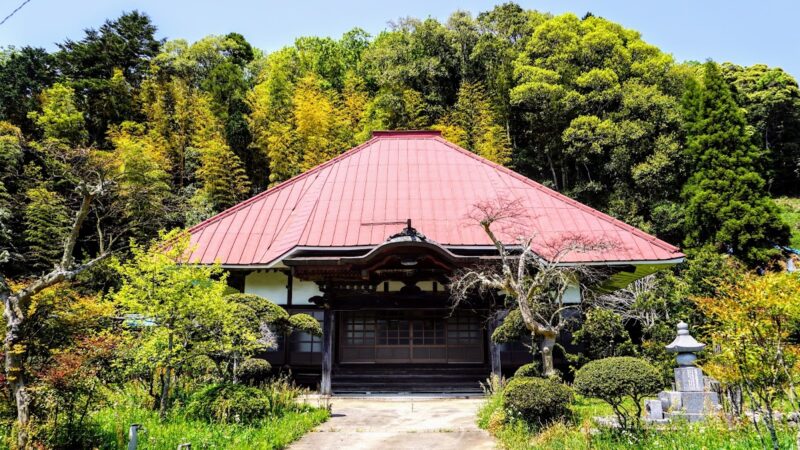
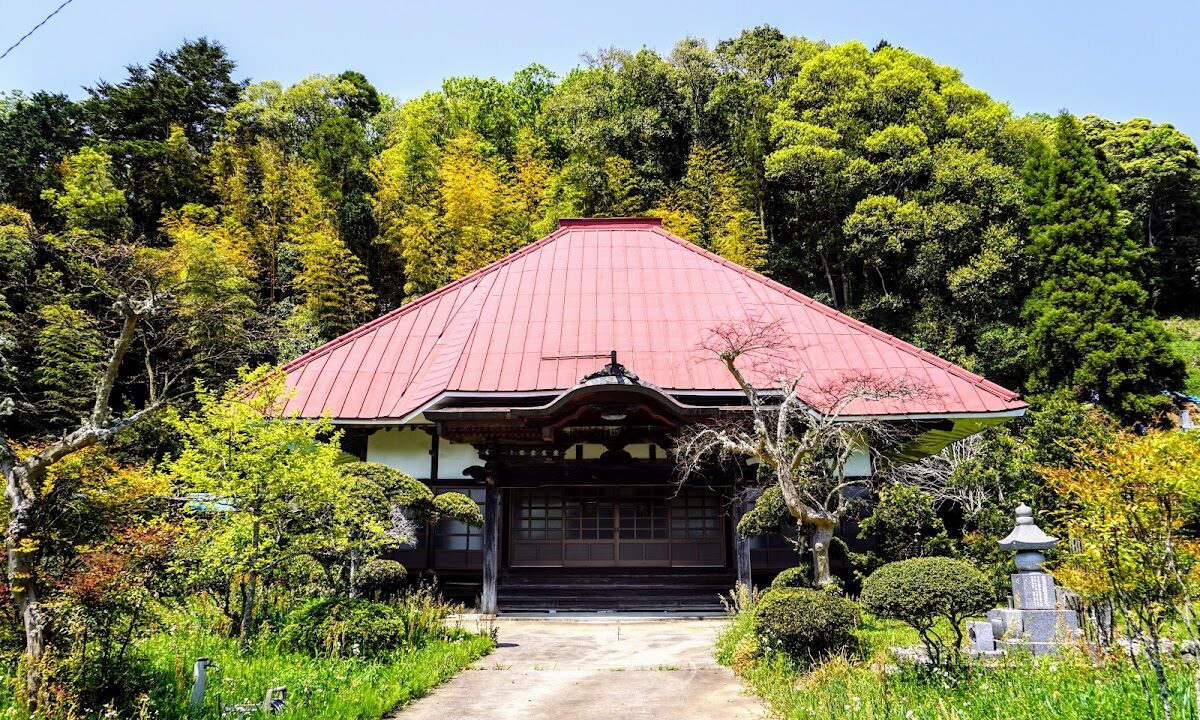
The main hall of Mizunuma-ji Temple possesses the characteristics of traditional temple architecture. The warmth of the wooden structure and the dignified appearance, honed over many years of weathering, create a serene impression on visitors.
The temple grounds are of a moderate size and show different expressions with each season. In spring, cherry blossoms and plum blossoms; in summer, lush greenery; in autumn, vibrant autumn leaves; and in winter, a landscape enveloped in silence—you can enjoy the beauty of nature throughout the four seasons.
Principal Image and Buddhist Statues
The principal image and various Buddhist statues enshrined at Mizunuma-ji Temple are important cultural assets that tell the story of the temple’s history and the depth of its faith. The simple yet deeply religious Buddhist statues, characteristic of a local temple, possess both art historical value and are valuable historical documents that convey the realities of folk belief.
Many of the statues are thought to have been created between the Edo and Meiji periods, offering clues to the state of Buddhist faith in the local community at that time.
Gardens and Natural Environment
Mizunuma-ji Temple boasts a meticulously maintained garden. While inheriting the traditions of Japanese gardens, it forms a unique landscape in harmony with the local natural environment.
Particularly noteworthy is the diversity of trees planted on the grounds. Trees of various ages, from ancient to young, coexist, forming a rich ecosystem. The sounds of nature, such as the chirping of wild birds and the chirping of insects, soothe the soul.
Goshuin (Temple Seal) Information
Regarding the Issuance of Goshuin
Due to the recent boom in goshuin, the number of visitors seeking them at many temples and shrines has increased. At Mizunuma-ji Temple, too, some visitors request goshuin as a memento of their visit.
Regarding the issuance of Goshuin (temple stamps), it is recommended to check with the temple in advance. Smaller temples may not have a resident monk, so contacting them before your visit will ensure you receive the stamp.
Etiquette for Receiving Goshuin
Goshuin are not merely commemorative stamps, but sacred items bestowed as proof of worship. Please observe the following etiquette when receiving them:
- First, visit the main hall before requesting a Goshuin.
- Prepare a Goshuincho (avoid notebooks or colored paper).
- Request using polite language.
- Prepare the Goshuin fee (offering/donation) (generally around 300-500 yen).
- Wait quietly while the stamp is being written.
Access Information
Access by Public Transportation
If visiting Mizunuma-ji Temple by public transportation, you will need to check access from the nearest station. Sakae-machi, Inba-gun, Chiba Prefecture, is located along the JR Narita Line.
Nearest Stations: JR Narita Line “Anjiki Station” or “Shimosamatsuzaki Station”
From the station, it is convenient to use a local bus or taxi. However, since the number of buses may be limited, it is recommended to check the timetable in advance.
Access by Car
Visiting by car is the most convenient way to access the temple.
Access from Major Roads:
- Approximately 20-30 minutes from the Higashi-Kanto Expressway “Narita IC”
- Use National Route 51
- Take the prefectural road towards Sakae-machi
Regarding parking, there may be parking spaces on the temple grounds or nearby, but it is recommended to check in advance.
Nearby Tourist Attractions
When visiting Mizunuma-ji Temple, visiting nearby tourist attractions will make your trip more fulfilling.
Sakae Town Tourist Attractions:
- Natural scenery along the Tone River
- Boso-no-mura (experiential museum)
- Ryukaku-ji Temple (an ancient temple with a nationally designated important cultural property)
- Naritasan Shinsho-ji Temple (approximately 30 minutes by car)
Points to Note When Visiting a Temple
Etiquette for Visiting a Temple
Following basic temple etiquette will make your visit more meaningful.
- A Bow at the Temple Gate: Bow before entering the temple grounds.
- Purification at the Water Basin: Cleanse your hands and mouth (if there is a water basin).
- Worship at the Main Hall: Offer a monetary donation, clasp your hands together, and pray quietly.
- Strolling the Temple Grounds: Quietly walk around the temple grounds and calm your mind.
- A Bow Upon Departure: Turn around and bow when leaving the temple gate.
Best Time to Visit
Mizunuma-ji Temple is open for worship throughout the year, but each season offers a different charm.
Spring (March-May): Beautiful cherry blossoms and fresh greenery, mild weather ideal for visiting the temple.
Summer (June-August): Lush green grounds, early morning visits recommended.
Autumn (September-November): Peak autumn foliage, cool and pleasant weather.
Winter (December-February): Temple grounds enveloped in silence, perfect for New Year’s visits.
Clothing and Items to Bring
There are no specific dress code requirements for visiting the temple, but please note the following:
- Avoid revealing clothing.
- Wear comfortable walking shoes.
- Bring a hat or parasol in summer, and warm clothing in winter.
- Camera (be aware of areas where photography is prohibited).
- Goshuincho (stamp book) (if you wish to receive a stamp).
- Small change (for offerings).
Annual Events and Memorial Services
Main Annual Events
Mizunuma-ji Temple holds annual events based on traditional Buddhist ceremonies and local customs.
Main Events:
- New Year’s Visit (January 1st-3rd)
- Setsubun Festival (around February 3rd)
- Spring Equinox Festival (around the Spring Equinox in March)
- Obon Festival (around August 13th-16th)
- Autumn Equinox Festival (around the Autumn Equinox in September)
- New Year’s Eve Bell Ringing (December 31st)
Participation in Memorial Services
General visitors who are not parishioners may be able to participate in public memorial services and events. If you wish to participate, it is recommended that you contact the temple in advance.
Cultural Value of Mizunuma-ji Temple
Connection with the Local Community
Mizunuma-ji Temple is not merely a religious facility, but has functioned as a central presence in the local community. Through the parishioner system that has continued since the Edo period, it plays a role in the ceremonies of local residents, including weddings, funerals, and other life events, and serves as a spiritual pillar. Even today, it is used as a gathering place for the elderly in the community and as a place for the transmission of traditional culture. The community ties centered around the temple are invaluable in today’s increasingly urbanized society.
Significance as a Cultural Asset
The Buddhist statues, ritual objects, and ancient documents held by Mizunuma-ji Temple are important resources for understanding the history of the region. These cultural assets are valuable evidence illustrating the development of Buddhist culture in the Inba County area.
In particular, the materials from the Edo period to the Meiji period have academic value as primary sources that convey the appearance of the local community and the realities of folk beliefs at that time.
Nearby Accommodations and Restaurants
Accommodations
If you wish to stay near Mizunuma-ji Temple, you can find accommodations in the following areas:
- Narita City: Numerous hotels around Narita Airport (approx. 20-30 minutes by car)
- Sakura City: Business hotels and inns (approx. 30 minutes by car)
- Inzai City: Relatively new hotel facilities (approx. 20 minutes by car)
Restaurants
In Sakae-machi and the surrounding area, you can enjoy restaurants serving dishes made with local ingredients:
- Farm-to-table restaurants using local vegetables
- Tone River fish dishes
- Japanese restaurants using ingredients from Chiba Prefecture
- Local gourmet food at roadside stations
Photography Manners and Precautions
About Photography
Photography is generally permitted within temple grounds, but please note the following:
- Obtain prior permission before photographing inside the main hall
- Photography of Buddha statues may be prohibited
- Be considerate of the privacy of other visitors
- Prior confirmation is required before using a tripod
- Please refrain from using flash photography.
Other Precautions
- Smoking is prohibited on the temple grounds.
- Please check in advance regarding bringing pets.
- Please keep loud conversations to a minimum.
- Please take all your trash with you.
- Please refrain from touching plants and buildings.
Summary
Mizunuma-ji Temple in Sakae-machi, Inba-gun, Chiba Prefecture, is a valuable temple that conveys the history and culture of the region to the present day. It is a place where you can escape the hustle and bustle of the city and find peace of mind in a quiet environment, open not only to local residents but also to visitors from afar.
Historical buildings, the changing seasons, and deep connections with the local community are major attractions of Mizunuma-ji Temple. When visiting, please take your time to stroll through the temple grounds while reflecting on the temple’s history.
Before your visit, checking the opening hours and any events will allow you to have a more fulfilling pilgrimage experience. Spend a precious time experiencing Japanese traditional culture and local history through a visit to Mizunuma-ji Temple, a hidden gem in northern Chiba Prefecture.