Complete Guide to Joraku-ji Temples: A Thorough Explanation of the History and Highlights of the Famous Temples of Konan Sanzan, Kamakura, and Ueda
There are several temples named “Joraku-ji” throughout Japan, each boasting its own unique history and cultural assets. This article focuses on the particularly famous Joraku-ji temples in Konan City, Shiga Prefecture, Kamakura City, Kanagawa Prefecture, and Ueda City, Nagano Prefecture, providing detailed explanations of each temple’s origins, highlights, and access information.
What is Joraku-ji?: An Overview of Famous Temples Nationwide
The temple name “Joraku-ji” is a Buddhist term meaning “a place of constant enjoyment,” and has been used since ancient times to represent the Pure Land. Therefore, temples named Joraku-ji have been established throughout Japan.
The following are some of the major Jōraku-ji temples:
- Jōraku-ji Temple in Konan City, Shiga Prefecture: One of the three temples of Konan, a Tendai sect temple with a National Treasure building
- Jōraku-ji Temple in Kamakura City, Kanagawa Prefecture: A Rinzai sect Kenchō-ji branch temple founded by Hōjō Yasutoki
- Jōraku-ji Temple in Ueda City, Nagano Prefecture: A Tendai sect special head temple known as the main temple of Kitamuki Kannon
- Jōraku-ji Temples in Tatebayashi City and Ōta City, Gunma Prefecture: Each is a place of worship deeply rooted in its respective region.
Each temple, while belonging to a different sect and with a different history, plays an important role as a center of faith and culture in its region.
Jōraku-ji Temple in Konan City, Shiga Prefecture: A National Treasure building and a famous spot for autumn leaves
History and Origin
Located in Nishidera, Konan City, Shiga Prefecture, Jōraku-ji Temple was founded in the mid-Nara period as the central temple of the “Five Thousand Temples of Aboshi-zan,” established by Ryōben Sōjō, known as the founder of Tōdai-ji Temple. Also known as “Nishi-dera,” it is counted as one of the “Three Mountains of Konan” along with Choju-ji and Zensui-ji.
In the early Heian period, this region flourished as a major center of the Tendai sect, a sacred site where many ascetic monks gathered. However, many temple buildings were lost to fire during the Sengoku period, and the buildings that remain today were rebuilt between the Kamakura and Muromachi periods.
Main Hall (National Treasure)
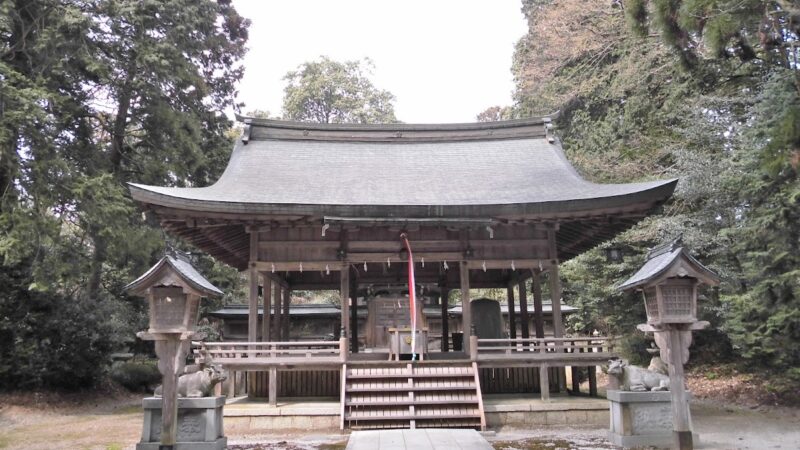
The greatest highlight of Joraku-ji Temple is its main hall, designated as a National Treasure. Built in the late Kamakura period, it occupies an extremely important position in architectural history as a masterpiece of eclectic architecture, blending Japanese, Indian, and Zen Buddhist styles.
Features of the Main Hall:
- Architectural Style: Irimoya-zukuri (hip-and-gable roof), cypress bark roofing
- Structure: Five bays wide, six bays deep
- Construction Period: Late Kamakura period (late 13th to early 14th century)
- Principal Image: Standing statue of Senju Kannon (Important Cultural Property)
Inside the main hall, in addition to the principal image of Senju Kannon, Buddhist statues from the Heian to Kamakura periods are enshrined, all of which are designated as Important Cultural Properties. Access to the main hall requires climbing 12 steps; it is not barrier-free.
Three-Storied Pagoda (Important Cultural Property)
The three-storied pagoda, standing on a hill within the temple grounds, was built in the early Muromachi period and is designated as a National Important Cultural Property. This pagoda, approximately 16 meters tall, is known for its beautifully balanced form, maintaining an exquisite balance in its tapering ratio from the first to the third story.
Reaching the three-story pagoda requires climbing 35 steps, creating a spectacular view in autumn when combined with the surrounding autumn foliage. The pagoda houses a statue of Dainichi Nyorai, giving it characteristics of esoteric Buddhist architecture.
As a Famous Autumn Foliage Spot
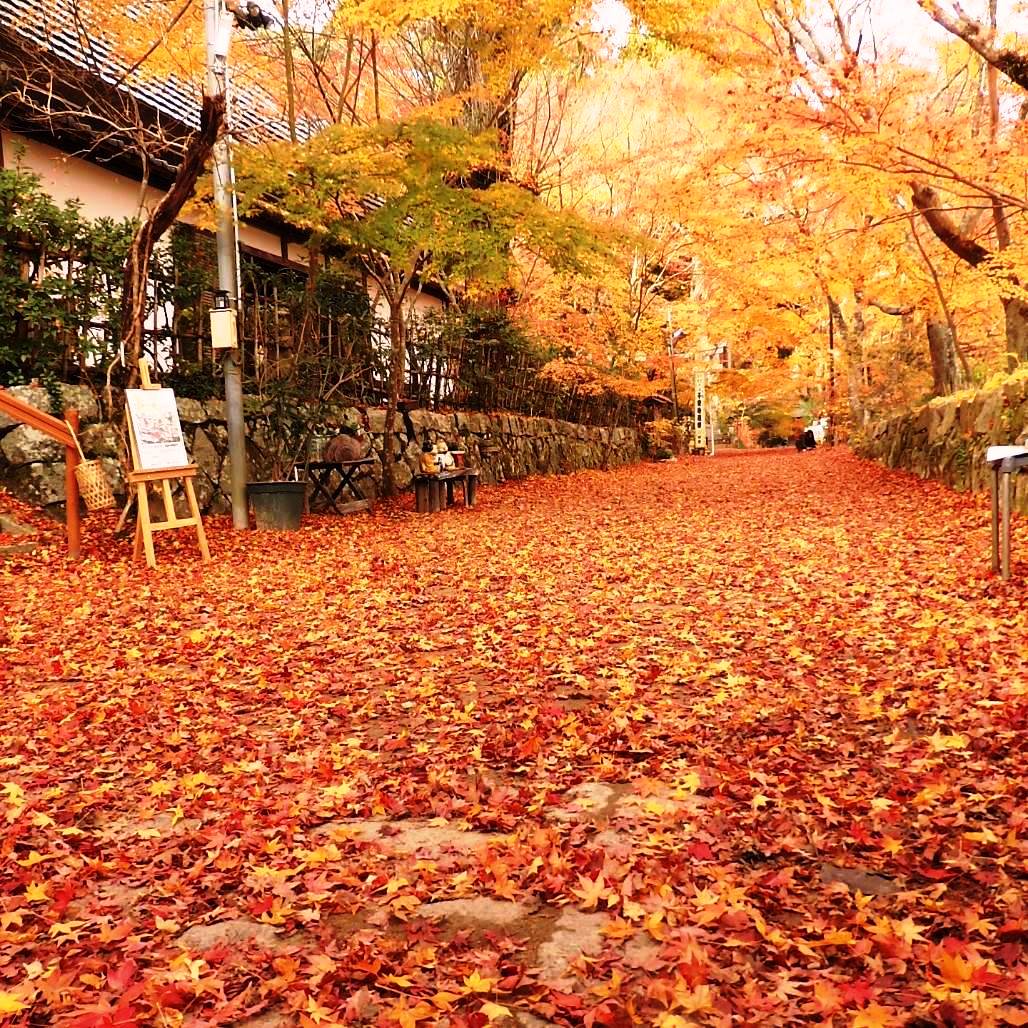
Joraku-ji Temple is known as one of the most famous autumn foliage spots in Shiga Prefecture. Approximately 500 maple trees are planted on the temple grounds, and the best time to see them is usually from mid-November to early December.
The view of the autumn leaves with the main hall and the three-story pagoda in the background is particularly breathtaking, attracting many photography enthusiasts. During the autumn foliage season, cultural properties that are normally closed to the public are sometimes specially opened, so it is recommended to check the official website in advance.
The Onibashiri Festival
Every year in mid-January, a traditional event called “Onibashiri” is held. This is a fire festival held as the culmination of the Shushō-e ceremony, where demons carrying torches run around the temple grounds to ward off evil. This is considered a valuable cultural asset as a folk event of the Omi region.
Access and Visiting Information
Location: 6-5-1 Nishidera, Konan City, Shiga Prefecture 520-3121
Transportation Access:
- Approximately 10 minutes by car or 40 minutes on foot from JR Kusatsu Line “Ishibe Station”
- Immediately after alighting at “Jorakuji-mae” community bus stop
- Approximately 30 minutes by car from Meishin Expressway “Ritto IC”
Visiting Hours: 9:00 AM – 4:00 PM
Admission Fee: Adults 500 yen, Junior and Senior High School Students 300 yen, Elementary School Students 200 yen (Common ticket for Konan Sanzan available)
Notes:
- Not barrier-free (many stairs)
- Difficult to enter the mountain in a wheelchair
- Parking available (free, approximately 30 spaces)
Jorakuji Temple in Kamakura City, Kanagawa Prefecture: A Zen temple associated with Hojo Yasutoki
History and Founding Circumstances
Joraku-ji Temple, located in Ofuna, Kamakura City, Kanagawa Prefecture, is a Zen temple belonging to the Kencho-ji branch of the Rinzai school. Its mountain name is Zokusenzan, and its principal image is the Amida Triad.
It was founded in 1237 (Katei 3) by Hojo Yasutoki, the third regent of the Kamakura Shogunate. The founding priest was Taiko Gyoyu, a high-ranking priest who was the teacher of Rankei Doryu, who later became the founding priest of Kencho-ji Temple.
Hojo Yasutoki is known as a renowned regent who established the “Goseibai Shikimoku” (a legal code), but he was also a devout Buddhist, and it is said that he built Joraku-ji Temple as his own private Buddhist hall. Yasutoki’s tomb is also located on the temple grounds, making it an important historical site that conveys the history of the Kamakura period.
Temple Grounds and Highlights
Joraku-ji Temple in Kamakura is located in a quiet residential area of Ofuna, offering a peaceful atmosphere away from the hustle and bustle of Kamakura.
Main Buildings:
- Main Hall: Rebuilt during the Edo period. Houses the Amida Triad.
- Kannon Hall: Enshrines a Kannon statue believed to be the personal devotional image of Hojo Yasutoki.
- Hojo Yasutoki’s Mausoleum: A nationally designated historical site.
The temple grounds are also known for their gardens where you can enjoy flowers throughout the seasons, with the cherry blossoms in spring and the autumn leaves being particularly beautiful. It is a relatively uncrowded hidden gem for a peaceful visit compared to other temples in Kamakura.
Access Information
Location: 5-8-29 Ofuna, Kamakura City, Kanagawa Prefecture
Transportation Access:
- Approximately 15 minutes on foot from JR/Shonan Monorail “Ofuna Station”
- 3 minutes on foot from the “Jorakuji” bus stop
Visiting Hours: Grounds are freely accessible (reservations required for entry into the main hall)
Admission Fee: Voluntary donation
Jorakuji Temple, Ueda City, Nagano Prefecture: Head Temple of Kitamuki Kannon
History and Origin
Located in Bessho Onsen, Ueda City, Nagano Prefecture, Jorakuji Temple is an ancient temple with the status of a special head temple of the Tendai sect. It was founded in 825 (Tencho 2) as one of the three Rakuji temples, simultaneously with the construction of the Kitamuki Kannon Hall.
It serves as the head temple of Kitamuki Kannon, and its principal image is the “Myokanzachimida Nyorai,” a rare Amida Buddha statue nationwide. This Buddha statue embodies the wisdom of Amida Buddha, known as “Myōkansatsu-chi” (subtle observational wisdom), and represents a unique form of faith with esoteric Buddhist elements.
Stone Pagoda (Important Cultural Property)
The greatest cultural asset of Jōraku-ji Temple is the stone pagoda standing on the edge of the temple’s pond. It is believed to have been built in the late Kamakura period and is designated a National Important Cultural Property.
Features of the Stone Pagoda:
- Approximately 3.5 meters tall
- Made of tuff
- Built on a double base
- A typical pagoda form with a square first story and a circular upper story
It is remarkably well-preserved for a stone pagoda and is one of the representative works of Kamakura period stone art.
Main Hall and Thatched-Roof Architecture
The current main hall was built in the mid-Edo period and retains the traditional architectural style of a hipped roof with a thatched roof. Thatched-roof main halls are becoming increasingly rare, making this a valuable cultural heritage.
Inside the main hall, in addition to the principal image, Myōkansōchi Amida Nyorai, portraits of successive chief priests and temple treasures are enshrined.
Jōraku-ji Art Museum
The Jōraku-ji Art Museum is located on the shore of the temple’s pond, housing and displaying art related to the temple and votive paintings dedicated to the Kitamuki Kannon Hall.
Exhibits include:
- Buddhist art from the Nara and Heian periods
- Collection of votive paintings from the Edo period
- Calligraphy and paintings by successive chief priests
- Historical materials of Bessho Onsen
While there is a separate entrance fee for the museum, it is a must-see facility for gaining a deep understanding of the history and culture of Jōraku-ji Temple.
Access and Visiting Information
Location: 2347 Bessho Onsen, Ueda City, Nagano Prefecture
Transportation Access:
- Approximately 15 minutes on foot from Bessho Onsen Station on the Ueda Electric Railway Bessho Line
- Approximately 30 minutes by car from the Ueda Sugadaira Interchange on the Joshinetsu Expressway
Visiting Hours: 8:00 AM – 5:00 PM
Admission Fee: Free entry to the grounds (Art Museum requires a separate fee)
Parking: Available (Free)
Joraku-ji Temple in Gunma Prefecture: A Center for Local Faith
Joraku-ji Temple in Tatebayashi City (Wish-Granting Fudo Myoo)
Located in Kido-cho, Tatebayashi City, Gunma Prefecture, Joraku-ji Temple is a center of local faith known as the “Wish-Granting Fudo Myoo.” It enshrines Fudo Myoo as its principal deity and is particularly known as a place of prayer for business prosperity and family safety.
Location: 580 Kido-cho, Tatebayashi City, Gunma Prefecture
Joraku-ji Temple (Temple of Flowers) in Ota City
Joraku-ji Temple in Ota City, Gunma Prefecture, belongs to the Buzan branch of the Shingon sect. Its mountain name is Shionzan, and its official name is “Shionzan Amidain Joraku-ji.” Known as the “Temple of Flowers,” it boasts a history dating back to the Kamakura period.
The temple grounds feature a large, well-maintained garden with a pond where Nishikigoi (koi carp) swim and another pond where ancient lotus flowers bloom. Visitors can enjoy flowers throughout the seasons, with the cherry blossoms in spring, the lotus flowers in early summer, and the autumn foliage being particularly beautiful.
Etiquette and Manners for Visiting Joraku-ji Temple
Basic Etiquette for Visiting Temple
When visiting Joraku-ji Temple, please observe the following basic manners:
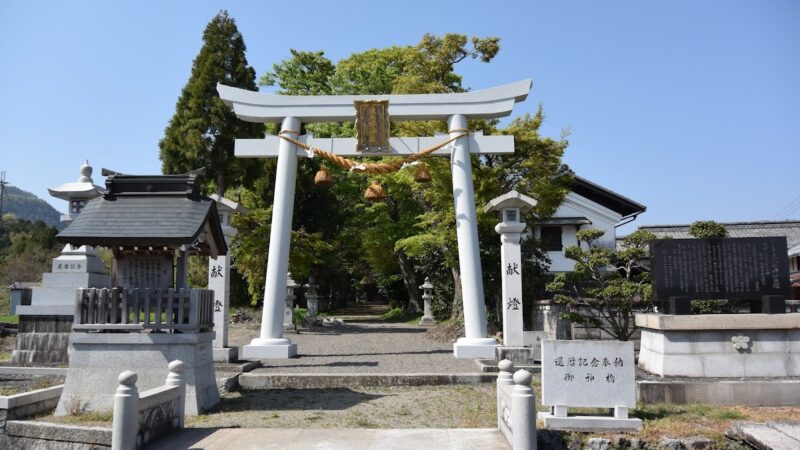
- Bow at the Temple Gate: Bow before entering the temple grounds.
- Ritual at the Water Basin: Cleanse your hands and mouth at the water basin.
- Worship at the Main Hall: Quietly join your hands in prayer and pray sincerely.
- Photography: Take photographs only in permitted areas and be considerate of other visitors.
- Silence: Avoid speaking loudly on the temple grounds and remain quiet.
Precautions Regarding Stairs and Temple Grounds
Joraku-ji Temple in Konan City, Shiga Prefecture, in particular, has 12 steps to the main hall and 35 steps to the three-story pagoda, and is not barrier-free. Those with mobility issues are advised to check beforehand.
During rainy weather and the autumn foliage season, the stairs can become slippery, so comfortable walking shoes are recommended.
Tourist Attractions Around Joraku-ji Temple
Konan Three Temples Pilgrimage (Shiga Prefecture)
When visiting Joraku-ji Temple in Konan City, we recommend the “Konan Three Temples Pilgrimage,” which also includes visits to Choju-ji Temple and Zensui-ji Temple. A combined ticket for all three temples is available, allowing for efficient visitation.
Bessho Onsen (Nagano Prefecture)
Joraku-ji Temple in Ueda City is located in Bessho Onsen, so you can relax and soothe your fatigue in the hot springs after your visit. Bessho Onsen is also known as “Shinshu’s Kamakura” and boasts many ancient temples such as Anraku-ji Temple and Kitamuki Kannon.
Kamakura Stroll (Kanagawa Prefecture)
Joraku-ji Temple in Kamakura City is located a little distance from the Five Great Zen Temples of Kamakura, such as Kencho-ji and Engaku-ji, but it offers a quiet environment where you can feel the history of Kamakura. There are also many other interesting historical sites scattered around Ofuna Station.
Cultural Properties and Preservation Activities of Joraku-ji Temple
The Value of National Treasures and Important Cultural Properties
The cultural properties owned by Joraku-ji temples throughout Japan occupy an extremely important position in the history of Japanese Buddhist architecture and art history.
In particular, the main hall of Joraku-ji Temple in Konan City, Shiga Prefecture, is a representative example of eclectic architecture from the Kamakura period and is a subject of architectural research. The architectural style, which incorporates elements of Tenjiku-style and Zen Buddhist styles into the tradition of Japanese style, is valuable evidence that tells the story of cultural exchange and technological innovation at that time.
Efforts for Preservation and Restoration
The preservation of wooden and stone cultural properties requires continuous maintenance. Each Joraku-ji temple regularly re-thatches thatched roofs, repairs cypress bark, and preservation treatments for stone structures.
These preservation activities require significant costs, and admission fees and donations are important sources of funding. Appropriate payment of admission fees and cooperation in making donations are required to pass on cultural properties to future generations.
How to Enjoy Joraku-ji Temple in Each Season
Spring (March-May)
In spring, Joraku-ji Temple is adorned with cherry blossoms and azaleas. Kamakura’s Joraku-ji Temple, in particular, is known as a famous cherry blossom viewing spot, offering a peaceful environment for flower viewing.
Summer (June-August)
In the season of fresh greenery, the trees on the temple grounds are dyed in vibrant green. At Joraku-ji Temple in Ota City, the ancient lotus flowers are in full bloom, and early morning visits are recommended.
Autumn (September-November)
Autumn is the most popular season to visit Joraku-ji Temple. Konan City’s Joraku-ji Temple, in particular, is known as a famous spot for autumn foliage, with the best viewing period being from mid-November to early December. The autumn leaves against the backdrop of the National Treasure main hall and the Important Cultural Property three-story pagoda are truly a spectacular sight.
Winter (December-February)
In winter, Joraku-ji Temple has fewer visitors, allowing for a peaceful and tranquil visit. At Jorakuji Temple in Konan City, the “Onibashiri” festival is held in mid-January, offering a chance to witness this traditional local event.
Summary of Access to Jorakuji Temple
By Public Transportation
Konan City, Shiga Prefecture:
- From JR Kusatsu Line “Ishibe Station,” take a community bus or taxi.
- Approximately 40 minutes on foot.
Kamakura City, Kanagawa Prefecture:
- 15 minutes on foot from JR/Shonan Monorail “Ofuna Station.”
- Most convenient access.
Ueda City, Nagano Prefecture:
- 15 minutes on foot from Ueda Electric Railway Bessho Line “Bessho Onsen Station.”
- Accessible while strolling through the hot spring town.
By Car
Each Jorakuji Temple has a parking lot, making access by car convenient. However, during peak seasons such as autumn foliage season, early arrival is recommended.
When setting your car navigation system, entering the address in addition to the temple name will provide more accurate directions.
Summary: Rediscovering the Charm of Joraku-ji Temples
Joraku-ji temples, scattered throughout Japan, each possess their own unique history and cultural assets, playing a vital role as centers of local faith and culture.
Joraku-ji Temple in Konan City, Shiga Prefecture, boasts a national treasure architecture and the beauty of its autumn foliage; Joraku-ji Temple in Kamakura City, Kanagawa Prefecture, has a history associated with Hojo Yasutoki; and Joraku-ji Temple in Ueda City, Nagano Prefecture, holds the prestige of being the head temple of Kitamuki Kannon. Each is a renowned temple well worth a visit.
The temple grounds, which display different expressions with each season, the precious cultural assets, and the tranquil atmosphere of the temple grounds offer a precious opportunity to escape the hustle and bustle of modern life and find peace of mind.
When visiting Joraku-ji Temples, it is recommended to check the latest information on the official website or tourist guides beforehand, including visiting hours and special opening schedules. To ensure the preservation and transmission of cultural assets, please observe proper etiquette and consider paying the entrance fee or making a donation.
We hope that your visit to the historic Joraku-ji Temple will be a memorable experience for you.