Complete Guide to Jigenji Temple | A Thorough Explanation of the History, Access, Goshuin (Temple Seals), and Highlights of Jigenji Temples Nationwide
There are several temples named “Jigenji” throughout Japan. The name originates from the phrase “Jigen Shishujo” (慈眼視衆生) in the Kannon Sutra, representing the compassion of Kannon Bodhisattva, who watches over all sentient beings with compassionate eyes. This article provides detailed information on various Jigenji temples, including the one in Saitama Prefecture known as a Chichibu pilgrimage site, the one in Takasaki City, Gunma Prefecture, famous for its cherry blossoms, and the one in Kagoshima Prefecture boasting a lush park.
What is Jigenji Temple? | Origin of the Name and Nationwide Distribution
The temple name “Jigenji” is derived from the phrase “Jigen Shishujo” (慈眼視衆生) in the Kannon Sutra. As a temple name embodying the Buddhist philosophy of Kannon Bodhisattva saving people with compassionate eyes, it has been adopted throughout Japan.
The main Jigenji temples are located in the following areas:
- Chichibu City, Saitama Prefecture: Kigayama Jigenji, a temple popular with pilgrims as the thirteenth temple of the Chichibu Pilgrimage
- Takasaki City, Gunma Prefecture: A Koyasan Shingon Buddhist temple boasting a 1250-year history and famous for its weeping cherry trees
- Kagoshima City, Kagoshima Prefecture: The site of a former temple, now a public park known as Jigenji Park
- Tokyo: A modern temple with an attached tree burial cemetery
- In addition, Jigenji temples are scattered throughout Shiga Prefecture, the Shikoku region, and other areas.
Each Jigenji temple has a different sect, history, and characteristics, but has functioned as a center of regional faith centered on Kannon worship.
Chichibu Pilgrimage Thirteenth Temple: Kigayama Jigenji (Saitama Prefecture)
History and Origin
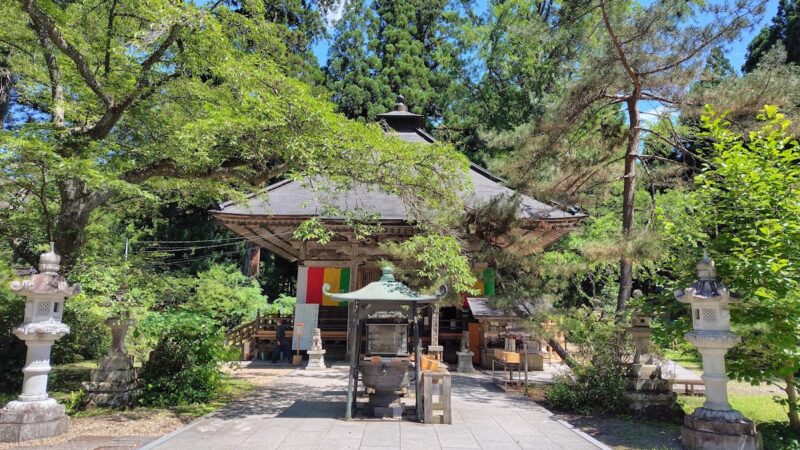
Kigayama Jigenji is a Soto Zen Buddhist temple of the Chichibu Pilgrimage, founded in 1234 (Bunreki 1), and has continued since the Kamakura period. The temple’s name, “Hatashita-yama,” originates from a legend that Yamato Takeru no Mikoto, who stopped by during his eastern expedition, erected a banner here.
The current main hall was rebuilt in 1901 after a fire in 1880, taking approximately 20 years to complete. It was modeled after the style of Shimanbu-ji Temple, the fourth temple on the Chichibu pilgrimage route. This main hall is known as one of the most elegant buildings among the Chichibu pilgrimage sites.
Highlights of the Temple Grounds
Sutra Hall and Revolving Sutra Repository
The sutra hall on the temple grounds houses a revolving sutra repository donated in 1755. This repository is a rotating bookshelf containing the complete Buddhist canon, and it is believed that rotating it once grants the same merit as reading the scriptures.
Principal Image
The principal image is the Holy Kannon Bodhisattva, who watches over worshippers with a compassionate gaze. As an important sacred site on the Chichibu Pilgrimage, Jigenji Temple attracts many pilgrims throughout the year.
Information on Visiting and Prayers
Jigenji Temple accepts various prayers:
- Family Safety
- Good Health
- Business Prosperity
- Academic Success
- Traffic Safety
- Protection from Misfortune
Visiting hours are usually from 9:00 AM to 5:00 PM, but may change depending on the season and events. We recommend contacting us in advance.
Special Goshuin and Goshuin Information
As part of the Chichibu Pilgrimage, Jigenji Temple offers Goshuin (temple stamps). In addition to regular Goshuin, limited-edition special Goshuin may be offered during annual events and special periods. Goshuin notebooks are available for purchase at the temple for those who do not have one.
Annual Events
Jigenji Temple holds various seasonal events:
- Spring Equinox Service: A Buddhist service centered around the spring equinox
- Kannon Festival: The 18th of each month, a festival day for Kannon (Goddess of Mercy)
- Autumn Equinox Service: A Buddhist service centered around the autumn equinox
- New Year’s Eve Bell Ringing: A New Year’s Eve event
These events serve as opportunities for interaction with local residents and pilgrims.
Access Information
Access by Train
- Approximately 15 minutes on foot from Chichibu Station on the Chichibu Railway
- Approximately 20 minutes on foot from Seibu Chichibu Station on the Seibu Chichibu Line
Access by Car
- Approximately 40 minutes via National Route 140 from Hanazono Interchange on the Kan-Etsu Expressway
- Parking available (approximately 20 regular cars)
Address: 26-7 Higashi-machi, Chichibu City, Saitama Prefecture
Jigenji Temple in Takasaki City (Gunma Prefecture)
A Historic Temple with 1250 Years of History
Jigenji Temple, located in Ishihara-machi, Takasaki City, Gunma Prefecture, is a Shingon Buddhist temple of the Koyasan sect boasting a history of over 1250 years. Its founding is said to date back to the Nara period, and it flourished as one of the centers of Buddhist culture in Kozuke Province (present-day Gunma Prefecture).
Famous for Weeping Cherry Blossoms
Jigenji Temple in Takasaki City is particularly famous for the weeping cherry blossoms on its grounds. The magnificent weeping cherry tree, said to be several hundred years old, dyes the temple grounds a delicate pink in spring, attracting many visitors for cherry blossom viewing.
Best time to see the cherry blossoms: Typically late March to early April
The temple grounds, which show different expressions with each season, are also a popular spot for photography enthusiasts. Besides cherry blossom season, you can enjoy the natural beauty of the four seasons, including the fresh greenery and autumn leaves.
Cultural assets and points of interest within the temple grounds
The temple grounds contain many buildings and cultural assets of high historical value. The layout of the temple complex, including the main hall, main gate, and bell tower, preserves the typical style of a Shingon Buddhist temple.
Access
Access by Train
- Approximately 15 minutes by bus from JR Takasaki Station on the Takasaki Line, then a 5-minute walk from the Ishihara-cho bus stop.
Access by Car
- Approximately 15 minutes from Takasaki Interchange on the Kan-Etsu Expressway.
- Parking available (for visitors).
Address: 2710-1 Ishihara-cho, Takasaki City, Gunma Prefecture
Note: There is another temple in Takasaki City known as Jigen-in, famous for the Takasaki Byakue Daikannon. Please be careful not to confuse them.
Jigenji Park (Kagoshima Prefecture)
A Citizen’s Park Where Nature and History Blend
Jigenji Park, located in Shimofukumoto-cho, Kagoshima City, is a nature-rich park developed on the site of the former Jigenji Temple. With its clear stream and abundant greenery, it features well-maintained walking paths and is a popular place for citizens to relax.
Seasonal Flowers and the Charm of Nature
Jigenji Park is one of Kagoshima City’s leading flower viewing spots, where you can enjoy flowers throughout the four seasons.
Nemophila
- Best viewing period: Mid-March to mid-April
- The nemophila fields, spreading like a blue carpet, are a popular spring spectacle.
Cherry Blossoms
- Best viewing period: Late March to early April
- The rows of cherry trees blooming along the stream create a beautiful landscape.
Cosmos
- Best viewing period: Early October to early December
- The sight of approximately 40,000 cosmos swaying in the autumn breeze is breathtaking.
Autumn Leaves
- Best viewing period: Late November to early December
- The combination of the stream and autumn leaves creates a picturesque scene.
Jigenji Flowing Noodles (Somen Nagashi)
Jigenji Park’s specialty is “flowing noodles (somen nagashi).” The rotating somen noodle serving system, utilizing pure spring water, is a beloved summer tradition for locals and tourists alike.
Operating Period: Mid-March to the end of October each year
Enjoying cold somen noodles amidst nature is a popular summer treat, attracting many families.
Archaeological and Historical Museum and Taniyama Shrine
Within the park is the Kagoshima City Archaeological and Historical Museum, where visitors can learn about local history and archaeological discoveries. Taniyama Shrine is also located within the grounds, serving as a center of local faith.
User Guide and Access
Opening Hours: Always open (varies by facility)
Admission Fee: Free (Noodles are an additional charge)
Transportation Access
- Approximately 15 minutes by bus from JR Ibusuki-Makurazaki Line “Taniyama Station”
- Approximately 15 minutes by bus from Kagoshima City Tram “Taniyama” stop
- Parking available (free, approximately 200 spaces)
Address: 3810 Shimofukumoto-cho, Kagoshima City, Kagoshima Prefecture
Jigenji Temple in Tokyo | Modern Tree Burial Cemetery
Jigenji Temple also has a location in Tokyo, and it features the “Kaze no Oka Tree Burial Cemetery,” which caters to modern needs. Unlike traditional tombstone cemeteries, tree burial, based on the concept of returning to nature, is a burial method that has been attracting attention in recent years.
Features of Tree Burial
- A burial method that respects the natural environment
- Plans that do not require a successor are also available
- All religions and denominations welcome
- Good access from the city center
For detailed information and tours, advance reservations are recommended.
Jigenji Temples in Other Regions
Jigenji Temple in Shiga Prefecture
Jigenji Temple in Shiga Prefecture is known as one of the Kannon pilgrimage sites around Lake Biwa. The principal image, Hobashira Kannon, is revered as a miraculous Kannon, stemming from the story of how Saicho (Dengyo Daishi) was saved from a shipwreck on his return from Tang China.
Jigenji Temples in the Shikoku Region
Jigenji Temples also exist in the Shikoku region, functioning as a center of Kannon worship in the area. In addition to the Shikoku 88 Temple Pilgrimage, some are also designated as pilgrimage sites on unique regional Kannon pilgrimage routes.
Etiquette and Manners for Visiting Jigenji Temple
Basic Worship Etiquette
- Bow at the Temple Gate: Bow before entering the temple grounds to compose yourself.
- Purify at the Water Basin: Purify your hands and mouth before proceeding to the main hall.
- Worship at the Main Hall: Quietly join your hands in prayer and offer your prayers wholeheartedly.
- Offering Money: There is no set amount, but please offer it respectfully.
- Goshuin (Temple Stamp): Receive a Goshuin at the Goshuin office after your visit.
Photography Etiquette
Photography is generally permitted on the temple grounds, but please note the following:
- Permission may be required to photograph inside the main hall.
- Be considerate of other visitors.
- It is advisable to check in advance before using a tripod.
- When posting on social media, please be considerate so as not to detract from the temple’s dignity.
Clothing
There are no specific dress code regulations, but it is desirable to wear appropriate and modest attire suitable for a sacred place like a temple. Even in summer, avoid revealing clothing, and in winter, don’t forget to take precautions against the cold.
Collecting Goshuin (temple/shrine stamps) and Pilgrimage
The Meaning and Value of Goshuin
Goshuin are not merely stamps; they are sacred items bestowed as proof of visiting the temple. Keep your goshuincho (stamp book) safe and cherish it as a lasting memento of your pilgrimage.
Chichibu Pilgrimage
Jigenji Temple, the thirteenth temple of the Chichibu pilgrimage, is an important temple on the Chichibu Thirty-Four Kannon Pilgrimage. Many pilgrims aim to complete the pilgrimage by visiting all the temples, and this pilgrimage on foot takes several days.
Pilgrimage Tips
- Wearing pilgrimage attire such as white robes and straw hats is optional.
- Obtain a stamp in your pilgrimage notebook at each temple.
- Visiting in any order is not necessary.
- It’s important to complete the pilgrimage at your own pace without overexerting yourself.
Donations and Memorial Services at Jigenji Temple
Donations for Temple Maintenance
Maintaining a temple incurs significant costs. Donations made during your visit, according to your feelings, will be used for the temple’s upkeep.
Applications for Various Memorial Services
Many Jigenji temples accept the following types of memorial services:
- Ancestral Memorial Service: Memorial services during Obon and Higan.
- Mizuko Memorial Service: A memorial service to pray for the repose of a miscarried or stillborn child.
- Pet Memorial Service: A memorial service for a beloved pet.
- Doll Memorial Service: A memorial service for a doll with sentimental value.
Please contact each temple directly for details.
Combinations with Nearby Tourist Attractions
Chichibu Area (Saitama)
Chichibu tourist attractions that can be enjoyed in conjunction with a visit to Jigenji Temple:
- Chichibu Shrine: One of the three major shrines of Chichibu
- Hitsujiyama Park: Famous for its moss phlox hill
- Nagatoro: River rafting and rock formations
- Chichibu Night Festival: One of Japan’s three major float festivals, held in December
Takasaki Area (Gunma)
- Takasaki Byakue Daikannon: A giant Kannon statue overlooking the city
- Haruna Shrine: Popular as a power spot
- Shorinzan Daruma-ji Temple: The birthplace of the lucky Daruma doll
Kagoshima Area
- Sengan-en Garden: A daimyo garden and World Heritage Site
- Sakurajima: The magnificent scenery of an active volcano
- Chiran Peace Museum for Kamikaze Pilots: A facility for learning history
Recommended Seasons for Visiting
Spring (March-May)
A beautiful season for flowers such as cherry blossoms and nemophila. The weeping cherry blossoms at Jigenji Temple in Takasaki and the nemophila at Jigenji Park in Kagoshima are in full bloom. The weather is mild, making it ideal for visiting temples.
Summer (June-August)
Beautiful with fresh greenery, you can enjoy flowing noodles at Jigenji Park in Kagoshima. However, heat protection and hydration are essential.
Autumn (September-November)
A beautiful season for autumn foliage. Jigenji Park in Kagoshima, where you can enjoy the combination of cosmos and autumn leaves, is especially recommended. Events such as the Autumn Equinox Festival are also held.
Winter (December-February)
A season with fewer visitors, allowing for peaceful temple visits. Year-end and New Year events such as the ringing of the temple bell and the first temple visit of the year are also appealing. Be sure to dress warmly.
Frequently Asked Questions
Q: How many Jigenji temples are there nationwide?
A: The exact number is unknown, but it is believed that there are several dozen Jigenji temples throughout Japan. Major ones include those in Chichibu, Takasaki, Kagoshima, Tokyo, and Shiga.
Q: Can I get a Goshuin (temple stamp) at any Jigenji temple?
A: Many Jigenji temples offer Goshuin, but the policy may vary depending on the temple. In particular, the Jigenji temple in Kagoshima, which is part of a park, does not offer Goshuin. It is recommended to check in advance.
Q: Is a reservation necessary for visiting?
A: Reservations are not required for regular visits. However, reservations are required for prayers, memorial services, group visits, and viewings of tree burial sites.
Q: Is there parking available?
A: Many Jigenji temples have parking facilities for visitors. However, the parking lot may be full during peak seasons such as cherry blossom season, so please consider using public transportation.
Q: Is it possible to visit with a pet?
A: Policies vary depending on the temple. While pets may be allowed on the temple grounds, they are often not permitted inside the main hall. Keeping your pet on a leash and observing proper etiquette are essential. We recommend checking in advance.
Q: How long does it take to visit all the temples in Chichibu?
A: If you visit all the temples on foot, it takes approximately 3-5 days. It’s possible to do it in 1-2 days if you use a car or bus, but if you want to visit at a leisurely pace, we recommend allowing plenty of time.
Summary | The Charm of Visiting Jigenji Temples
Jigenji temples throughout Japan each have their own unique history and characteristics, yet they are deeply rooted in their communities as temples that convey the compassionate spirit of Kannon Bodhisattva. The temples of Chichibu serve as spiritual havens for people in diverse ways: historic temples of the Chichibu pilgrimage route, temples renowned for their cherry blossoms, and natural parks that serve as havens for citizens.
When visiting, understanding the history and characteristics of each Jigenji temple and observing proper etiquette will lead to a deeper experience. The natural beauty of the temple grounds, which changes with the seasons, and the quiet time spent in prayer amidst the solemn atmosphere will provide a precious moment away from the hustle and bustle of everyday life.
For access information and detailed guides, we recommend checking the latest information on each temple’s official website or the local tourist association and planning your visit accordingly. Enjoy a journey that allows you to experience Japanese Buddhist culture and local history through collecting temple stamps and visiting the pilgrimage sites.