Complete Guide to Nakayama-dera Temple | History and Highlights of the 24th Temple of the Saigoku Thirty-Three Kannon Pilgrimage and a Place for Safe Childbirth
Nakayama-dera Temple, located in Takarazuka City, Hyogo Prefecture, is the head temple of the Nakayama-dera branch of the Shingon sect, known as Japan’s first Kannon pilgrimage site, founded by Prince Shotoku. It welcomes pilgrims as the 24th temple of the Saigoku Thirty-Three Kannon Pilgrimage and attracts many visitors from all over Japan seeking prayers for safe childbirth. This article comprehensively introduces information you should know before visiting Nakayama-dera Temple, including its history, highlights within the temple grounds, details of prayers, and access methods.
What is Nakayama-dera Temple?
Nakayama-dera Temple is the head temple of the Nakayama-dera branch of the Shingon sect, located in Nakayama-dera, Takarazuka City, Hyogo Prefecture. Its mountain name is Shiunzan. The main deity enshrined here is the Eleven-Faced Kannon Bodhisattva, a statue said to be a replica of the Indian goddess Shōman Bunin, and a statue brought from the Three Kingdoms period. Eleven-Faced Kannon statues are placed on either side of the main deity as attendant figures, bringing the total to 33 faces. This is believed to encompass all the Kannon of the 33 temples of the Saigoku pilgrimage and represent the 33 transformations of Kannon Bodhisattva described in the Lotus Sutra (Kannon Sutra).
While normally a hidden Buddha, it is unveiled on the 18th of each month, allowing worshippers to directly pay their respects to the main deity. It is believed that worshipping these 33 Kannon statues grants the same merit as completing the true 33-temple pilgrimage, making it a special sacred site that attracts many followers.
History of Nakayama-dera Temple
Founded by Prince Shōtoku
The founding of Nakayama-dera Temple dates back to when Prince Shōtoku was 16 years old. It is said that Prince Shotoku himself opened the temple after receiving a divine message to hold memorial services for Princess Ōnakahime, the former consort of Emperor Chūai, and her two sons, Princes Kōsaka and Oshikuma, and to appease the spirit of Mononobe no Moriya. This established Nakayama-dera Temple as Japan’s first Kannon pilgrimage site.
Establishment of the Thirty-Three Kannon Pilgrimage Sites of Western Japan
In 718, Tokudō Shōnin of Hase-dera Temple in Yamato Province received the “Enma’s Vow” from King Yama and recommended a pilgrimage to the thirty-three Kannon pilgrimage sites. Because Nakayama-dera Temple was Japan’s first Kannon pilgrimage site, it was initially designated as the first temple. Due to the miraculous powers of Tokudō Shōnin, it became known that “Nakayama-dera Temple is the center of paradise.”
Later, the Kannon pilgrimage site temporarily declined, but it was revived by Emperor Kazan, and according to the current route, Nakayama-dera Temple was designated as the 24th temple.
Development of the Belief in Safe Childbirth
Nakayama-dera Temple became widely known as a temple for prayers for safe childbirth, largely due to Toyotomi Hideyoshi’s successful prayer for conception. Furthermore, during the late Edo period, Nakayama Ichii no Tsubone received the temple’s belly band “Kane no O” and gave birth to Emperor Meiji safely. This led to the temple’s designation as an temple of imperial prayer, enhancing its spiritual significance and establishing its reputation as a “temple for safe childbirth.”
It has attracted devout followers from the Imperial family and samurai families such as Minamoto no Yoritomo, and even today, people from all over Japan visit to receive the belly band in prayer for safe childbirth.
Modern and Contemporary History
After the Meiji Restoration, Nakayama-dera Temple continued to develop, forming its own unique religious organization as the head temple of the Nakayama-dera branch of Shingon Buddhism. After the war, the temple grounds were improved, and escalators and elevators were installed to ensure the convenience of visitors, creating an environment where pregnant women can visit with peace of mind.
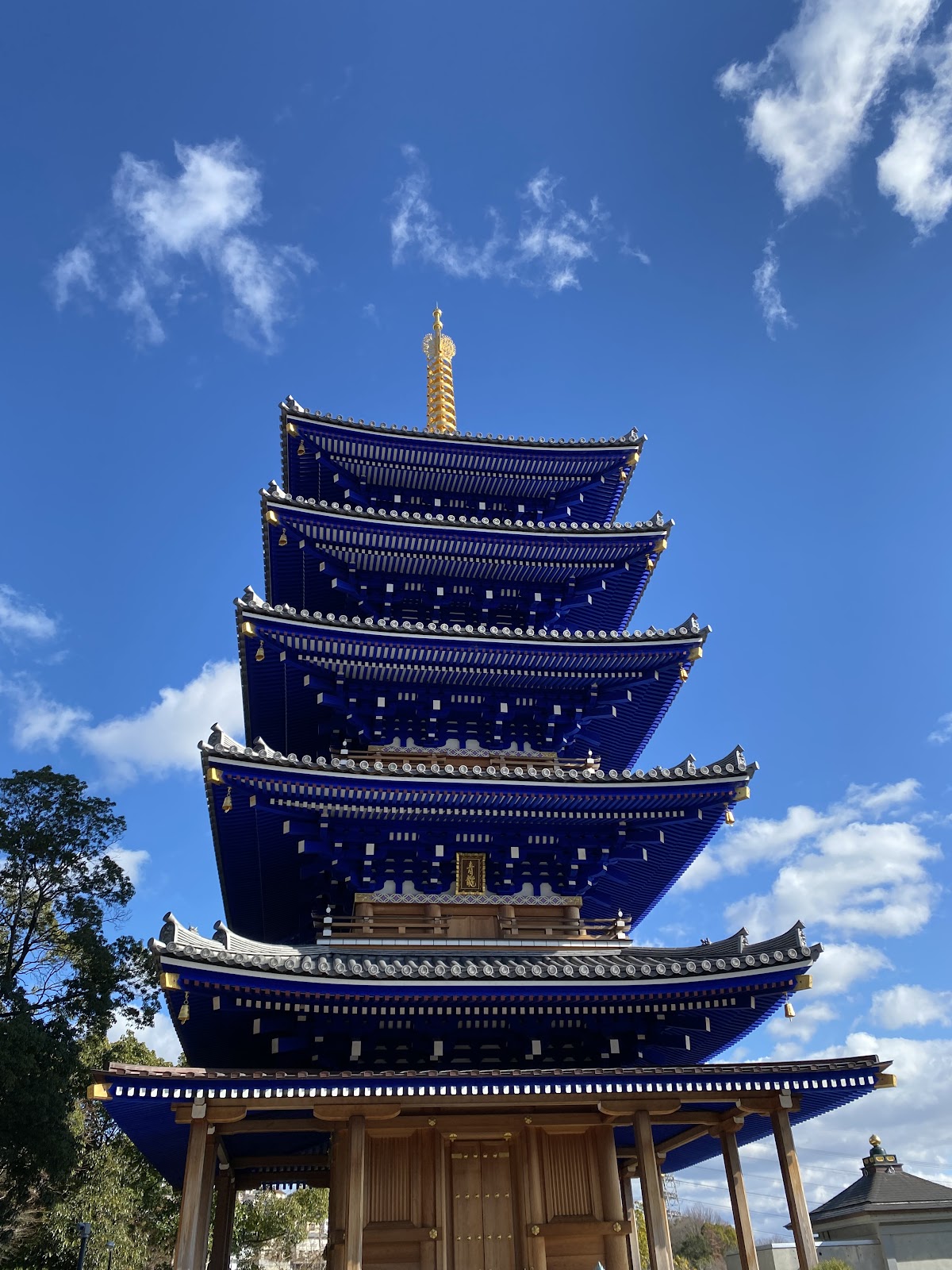
In 2017, the five-story pagoda was rebuilt, adding a new dimension to the temple grounds. This pagoda is now one of the symbolic structures of Nakayama-dera Temple.
Highlights of the Temple Grounds
Nakayama-dera Temple’s grounds are dotted with historically significant halls and pagodas, captivating visitors. Here, we introduce the main buildings and highlights.
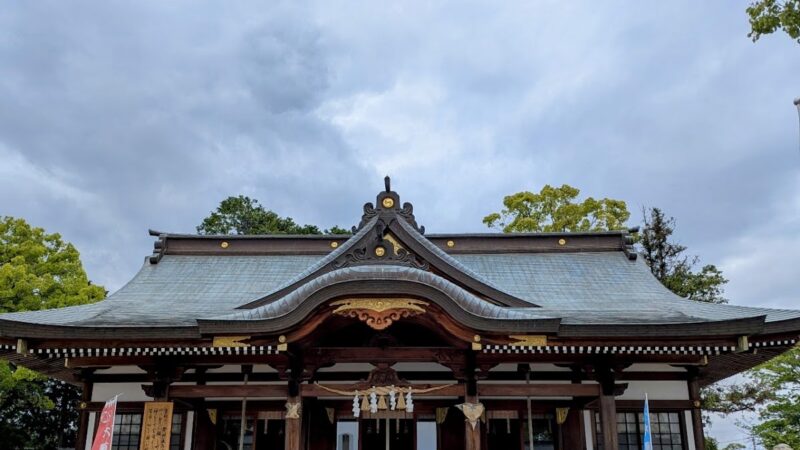
Main Hall
The main hall, the heart of Nakayama-dera Temple, houses the principal image, the Eleven-Faced Kannon Bodhisattva. The current main hall was rebuilt during the Edo period and is characterized by its imposing construction. Visitors can worship the principal image on the 18th of each month, and daily religious services and prayers are also held inside.
In front of the main hall is a wide, stone-paved area where many worshippers can be seen offering their prayers. The solemn atmosphere inside the hall evokes deep peace and a sense of faith in visitors.
Main Gate
The main gate, which serves as the entrance to the temple grounds, is a symbol of the prestige of Nakayama-dera Temple. Passing through the gate, you’ll find Soji-in, a temple dedicated to the pagoda, on your left, and the approach to the temple on your right. The gate’s structure inherits the style of traditional Buddhist architecture, and its imposing presence inspires a sense of solemnity in visitors.
Five-Storied Pagoda
Rebuilt in 2017, the five-storied pagoda has become a new symbol of Nakayama-dera Temple. Standing approximately 30 meters tall, this pagoda faithfully reproduces traditional styles while utilizing modern architectural techniques.
Each level of the pagoda is adorned with decorations representing the Buddhist worldview, allowing visitors to appreciate its beauty as they walk around it. Especially during cherry blossom and autumn foliage seasons, the harmony between the natural colors and the pagoda creates a magnificent landscape.
Inner Sanctuary
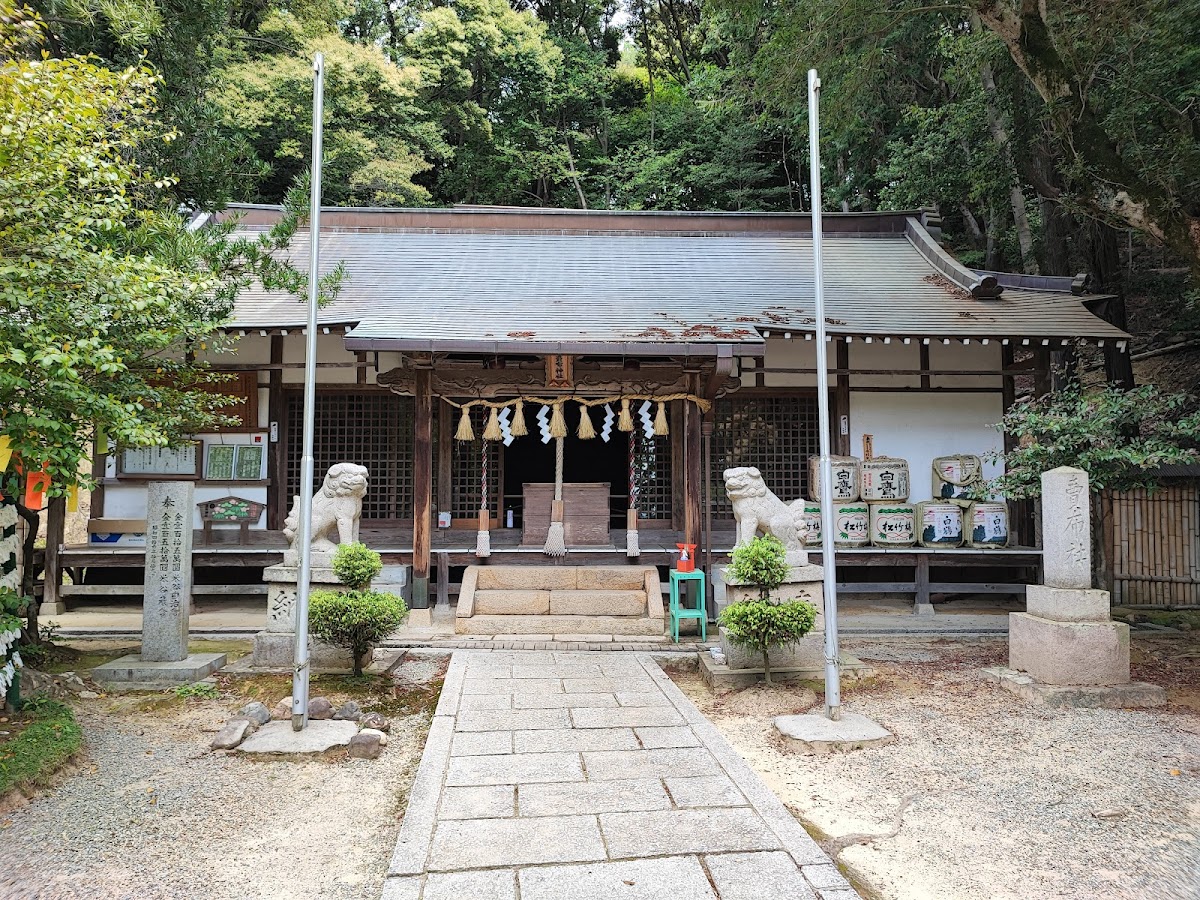
Located on a hill reached by climbing stone steps from the main hall, the inner sanctuary is a sacred space enveloped in tranquility. Here you’ll find the Daishido Hall and the Goma Hall, attracting worshippers seeking deeper faith.
From the Okunoin (inner sanctuary), you can overlook the city of Takarazuka, and on clear days, even the Osaka Plain. Located away from the hustle and bustle of the temple grounds, it’s an ideal place for quiet prayer.
Bell Tower and Bell Rope
The bell tower of Nakayama-dera Temple has a legend deeply connected to the belief in safe childbirth. The hemp rope used to ring the bell is believed to possess the power of Kannon (Goddess of Mercy), and pregnant women who pray for safe childbirth are given this bell rope as a maternity belt.
The area around the bell tower is a popular spot for worshippers, and the sound of the bell resonates throughout the temple grounds, purifying the hearts of those who visit.
Other Halls and Pagodas
Within the temple grounds, there are also various other halls and pagodas that are objects of worship, such as the Amida Hall, the Daigan Pagoda, and the Mizuko Jizo (Jizo for aborted or stillborn children). Each place fulfills a different wish, catering to the diverse needs of visitors.
Prayer for Safe Childbirth and the “Bell Cord” Belt
The tradition of the “Bell Cord” Belt is the reason why Nakayama-dera Temple has become known nationwide as the “Kannon of Safe Childbirth.”
Origin of the Belt Distribution
The bell cord of Nakayama-dera Temple has been deeply revered since ancient times as the “belt for safe childbirth,” a sacred site in Japan, with a long tradition of praying for a safe and secure delivery. In particular, during the late Edo period, when Nakayama Ichii no Tsubone received the bell cord from this temple and gave birth to Emperor Meiji safely, the temple’s spiritual significance as an imperial prayer site for Emperor Meiji increased, and it became famous as the “Temple of Safe Childbirth.”
Flow of the Safe Childbirth Prayer
Those wishing to pray for safe childbirth should first apply at the main hall or the prayer reception. During the prayer, a monk will chant sutras, praying for the health of the pregnant woman and her unborn baby, and for a safe delivery. After the prayer, a safe delivery maternity belt, believed to be imbued with the power of Kannon (Goddess of Mercy), is bestowed.
While this belt is typically worn on the Day of the Dog in the fifth month of pregnancy, prayers can be received on other days as well. The belt bears the name “Kane no O” (Bell Cord), and it is believed that pregnant women who wear it receive the protection of Kannon.
Prayers for Conception and Thanksgiving Visits
Nakayama-dera Temple offers not only prayers for safe delivery but also prayers for conception. Due to the historical account of Toyotomi Hideyoshi praying for a child and being granted Hideyori, many couples hoping for children visit the temple.
Furthermore, various prayers related to a child’s growth can be received, such as thank-you visits (for the health of mother and child) after a safe delivery, first shrine visit (Omiyamairi), and Shichi-Go-San.
As the 24th Temple of the Saigoku Thirty-Three Kannon Pilgrimage
Nakayama-dera Temple welcomes many pilgrims as the 24th temple of the Saigoku Thirty-Three Kannon Pilgrimage.
Waka Poem
The waka poem of Nakayama-dera Temple is as follows:
“Passing through fields and villages, I visit Nakayama Temple for the sake of the next life.”
This waka poem expresses the idea that visiting Nakayama-dera Temple by crossing fields and passing through villages brings merit for the next life. Pilgrims recite this waka poem as they proceed to the next temple.
Sutra Copying and Temple Seal
After praying at the main hall, pilgrims can receive a temple seal at the sutra copying office. The temple seal of Nakayama-dera Temple bears the characters “Daihi-den” (Great Compassion Hall) and “Eleven-faced Kannon,” and is cherished as proof of worship.
Preceding and Following Temples
In the Saigoku Thirty-Three Kannon Pilgrimage, the temples before and after Nakayama-dera Temple are as follows:
- Temple No. 23: Katsuoji Temple (Minoh City, Osaka Prefecture)
- Temple No. 24: Nakayama-dera Temple (Takarazuka City, Hyogo Prefecture)
- Temple No. 25: Banshu Shimizu-dera Temple (Kato City, Hyogo Prefecture)
Many pilgrims deepen their faith in Kannon (Goddess of Mercy) by visiting these temples in order.
Annual Events and Ceremonies
Nakayama-dera Temple holds various events throughout the year.
Major Annual Events
- January 1st-3rd: Shushō-e (New Year’s prayer)
- February 3rd: Hoshikae-shiki (Setsubun)
- March (Spring Equinox): Spring Equinox Ceremony
- April 8th: Hana Matsuri (Buddha’s Birthday)
- 18th of Every Month: Kannon Ennichi (Opening of the Main Image)
- August 9th: Sennichi-e (Day of 46,000 Days of Merit)
- September (Autumn Equinox): Autumn Equinox Ceremony
- December 31st: New Year’s Eve Bell Ringing
Hoshikae-shiki (Setsubun Grand Ceremony)
In particular, the Hoshikae-shiki is one of Nakayama-dera Temple’s important events. This ceremony, held on Setsubun, includes a Goma prayer service to ward off evil and pray for good fortune, attracting many worshippers. “Hoshika” means that the stars of the unlucky year descend, and it is believed to have the effect of warding off evil.
Bean-throwing ceremonies are also held on the temple grounds, and worshippers who receive lucky beans are believed to receive good fortune for the year.
Cultural Properties
Nakayama-dera Temple houses many valuable cultural properties designated by the national and prefectural governments.
Important Cultural Properties
- Wooden Eleven-Headed Kannon Standing Statue: Attendant statues believed to be from the Heian period
- Wooden Horse-Headed Kannon Standing Statue: Excellent sculpture from the Kamakura period
- Bronze Bell: Temple bell from the Kamakura period
Other Cultural Properties
- Colored Silk Painting of the Buddha’s Nirvana: Nirvana painting from the Muromachi period
- Nakayama-dera Documents: A collection of ancient documents from the medieval to early modern periods
- Stone Structures on the Temple Grounds: Stone lanterns and stone monuments from the Edo period
These cultural properties are valuable materials that tell the story of Nakayama-dera Temple’s long history and the depth of its faith. ## About Soji-in Temple
Located to the left after passing through the main gate of Nakayama-dera Temple, Soji-in Temple is a temple affiliated with Nakayama-dera Temple.
Principal Deity and Buddhas of Soji-in Temple
Soji-in Temple enshrines the “Eleven-faced Kannon Bodhisattva” as its principal deity, and also enshrines the following Buddhas:
- Godairiki Fudo-sama: For family safety and protection from evil
- Fudo Myoo-sama: Principal deity for those born in the Year of the Rooster
- Monju Bosatsu-sama: For academic success, principal deity for those born in the Year of the Rabbit
- Kishimojin-sama: For prayers for mothers and children
- Amida Nyorai-sama: For ancestral memorial services
- Mizuko Jizo-sama: For the repose of aborted or stillborn babies
Goma Prayer Ceremony
Soji-in Temple holds a grand Goma prayer ceremony four times a year: in February, May, September, and December. Goma prayer is an important ritual in Shingon Esoteric Buddhism, believed to burn away worldly desires in the flames and grant wishes.
Access
Nakayama-dera Temple is located in the heart of Takarazuka City, Hyogo Prefecture, and is easily accessible by public transportation.
Access by Train
It is located very close to the station, approximately a 1-minute walk from Nakayama-Kannon Station on the Hankyu Takarazuka Line. It is approximately 30 minutes from Osaka Umeda Station and approximately 40 minutes from Kobe Sannomiya Station.
It is also approximately a 10-minute walk from Nakayama-dera Station on the JR Takarazuka Line.
Access by Car
- Approximately 10 minutes from Takarazuka IC on the Chugoku Expressway
- Approximately 15 minutes from Kawanishi-Kohana IC on the Hanshin Expressway
There are paid parking lots around the temple grounds, but congestion is expected on weekends, holidays, and the Day of the Dog (Inu no Hi), so using public transportation is recommended.
Barrier-Free Facilities
Nakayama-dera Temple has escalators and elevators installed on its grounds to ensure that pregnant women, the elderly, and people with disabilities can visit with peace of mind. This is a rare facility among temples nationwide, allowing expectant mothers to visit with confidence.
Visiting Information
Visiting Hours
- Free Access to Grounds: Open all day
- Temple Office/Prayer Reception: 9:00 AM – 5:00 PM
- Main Image Unveiled: 18th of every month
Admission Fee
Entry to the temple grounds is free. However, a separate prayer fee is required if you wish to receive prayers.
Prayer Fees
- Prayer for Safe Childbirth: From 7,000 yen
- Prayer for Conception: From 7,000 yen
- Thank You Visit: From 5,000 yen
- First Visit to the Temple/Shichi-Go-San Ceremony: From 5,000 yen
For details, please inquire via the official website or by phone.
Location and Contact Information
Location: 2-11-1 Nakayamadera, Takarazuka City, Hyogo Prefecture 665-8588
Phone Number: 0797-87-0024
Official Website: https://www.nakayamadera.or.jp/
Nearby Tourist Attractions
When visiting Nakayamadera Temple, we recommend also visiting other tourist attractions in Takarazuka City.
Takarazuka Grand Theater
The Takarazuka Grand Theater, the home of the Takarazuka Revue, is approximately 10 minutes by train from Nakayamadera Temple. A popular combination is enjoying a spectacular performance followed by a quiet visit to Nakayama-dera Temple.
Kiyoshikojin Seichoji Temple
Located approximately 3km north of Nakayama-dera Temple, Kiyoshikojin Seichoji Temple is a temple dedicated to Kojin-sama, the god of fire and hearths. Many visitors come to pray for business prosperity and family safety.
Takarazuka City Tezuka Osamu Memorial Museum
The Tezuka Osamu Memorial Museum, honoring the achievements of manga legend Tezuka Osamu, is also located in Takarazuka City. Tezuka Osamu spent his childhood in Takarazuka City, and this experience greatly influenced his later works.
Summary
Nakayama-dera Temple boasts a history of over 1400 years as Japan’s first Kannon pilgrimage site, founded by Prince Shotoku. It welcomes pilgrims as the 24th temple of the Saigoku Thirty-Three Kannon Pilgrimage and is a major temple attracting many visitors from all over Japan for prayers for safe childbirth.
The main deity, the Eleven-Faced Kannon Bodhisattva, is unveiled on the 18th of each month, and the “Bell’s Own” maternity belt carries on the tradition of the temple’s history as a place of imperial prayer by Emperor Meiji. The temple grounds offer numerous attractions, including a reconstructed five-story pagoda and the inner sanctuary. With escalators and elevators providing barrier-free access, the temple is easily accessible for pregnant women.
Its excellent accessibility, just a one-minute walk from Hankyu Nakayama-Kannon Station, makes it easily accessible from Osaka and Kobe. Whether for prayers for safe childbirth, fertility, a pilgrimage to the 33 temples of Saigoku, or simply a journey to experience history and culture, Nakayama-dera Temple caters to a variety of purposes.
When visiting Takarazuka City, be sure to visit Nakayama-dera Temple and experience the compassion of Kannon.