Complete Guide to Mefu Shrine | The Charm and Blessings of Takarazuka’s 1400-Year-Old Shrine
Mefu Shrine (賣布神社), located in Mefuyama-cho, Takarazuka City, Hyogo Prefecture, is an ancient shrine boasting a history of over 1400 years, said to have been founded in the 18th year of Emperor Suiko’s reign (610 AD). As a shrine listed in the Engishiki Jinmyocho (a list of shrines compiled in the Heian period), it has remained an important center of faith in Kawabe District, Settsu Province. This shrine, visited by many worshippers as the guardian deity of clothing, food, and wealth, and as a god of matchmaking, will be introduced in detail, including its history, enshrined deities, highlights within the grounds, and access methods.
History and Origins of Mefu Shrine
Founded in the 18th Year of Emperor Suiko’s Reign (610 AD)
Mefu Shrine is said to have been founded in the 18th year of Emperor Suiko’s reign (610 AD), giving it a long history dating back to the Asuka period. This period was when Prince Shōtoku was active as regent, and it was also a time when Buddhist culture flourished in Japan. A legend remains that when the local villagers were suffering from hunger and cold, Shita-teruhime-no-kami taught them how to plant rice, spin hemp, and weave cloth. The villagers, having become prosperous, then enshrined Shita-teruhime-no-kami in gratitude, which is considered the origin of the shrine.
Relationship with the Mononobe Clan
The area where Mefu Shrine is located was a base for the Wakayue-no-Muraji clan, a branch of the ancient Mononobe clan. Historical research suggests that the original enshrined deity was Ōmefu-no-Muraji, the ancestor of the Wakayue-no-Muraji clan. This fact indicates that Mefu Shrine was not merely a local shrine, but an important sacred site deeply connected to the beliefs of an ancient clan.
Status as an Engishiki-listed Shrine
Mefu Shrine is a Shikinaisha (shrine listed in the Engishiki) listed in the “Engishiki Jinmyocho” (a legal code compiled in 927 AD during the mid-Heian period). Shrines listed in this code were granted special status by the imperial court. This indicates that Mefu Shrine was an important center of religious worship in the region from ancient times to the medieval period.
Name Change in the Edo Period
Until the early Edo period, Mefu Shrine was called “Kifune Daimyojin.” However, in the mid-Edo period, a scholar of Japanese classics, Namikawa Seisho, commissioned by Ooka Echizen-no-kami, conducted research that revealed this shrine to be the Engishiki-listed Mefu Shrine. Following this research, the shrine’s name was changed to “Mefu Shrine” (賣布神社). This event is significant as it symbolizes the development of Japanese classics research in the Edo period and the academic movement to clarify the history of ancient shrines.
Deities and Blessings
Main Deity: Shitateluhime-no-kami
The main deity of Mefu Shrine is Shitateluhime-no-kami. Shitateluhime-no-kami is a deity who appears in the Kojiki and Nihon Shoki, and is known as the daughter of Okuninushi-no-Mikoto. It is said that her beauty shone brightly throughout the land, and there is a myth that she married Ame-no-Wakahiko, the grandson of Amaterasu-Omikami.
In local legends, Shitateluhime-no-kami, seeing the villagers suffering from hunger and cold, taught them agricultural and weaving techniques. From this legend, Shitateluhime-no-kami came to be revered as the guardian deity of industry, especially as the protector of the basic necessities of life related to clothing, food, and shelter.
Guardian Deity of Clothing, Food, and Wealth
The most important blessing of Mefu Shrine is the protection of clothing, food, and wealth. Based on the legend that Shita-teruhime taught the villagers rice cultivation and weaving, the following blessings are believed to be offered:
Blessings related to clothing: Because she taught weaving techniques, blessings include never lacking clothing, success in fashion-related work, and improvement of sewing skills.
Blessings related to food: Because she taught rice planting, blessings include never lacking food, abundant agricultural harvests, and prosperity in the food and beverage industry.
Blessings related to wealth: Because the villagers became prosperous after their needs for clothing and food were met, blessings include increased financial luck, business success, and increased wealth.
Because it protects these three fundamental elements of life, Mefu Shrine is widely worshipped by people who wish for stability and prosperity in all aspects of their lives.
As a goddess of matchmaking
Based on the myth of Shita-teruhime’s deep marital bond with Ama-no-Wakahiko, she is also worshipped as a goddess of matchmaking. This shrine is believed to bring blessings for forging connections in human relationships, such as those seeking good relationships, those wishing for romantic success, and those praying for marital harmony. In recent years, the number of people visiting the shrine seeking “connections” in a broader sense, including not only romantic relationships but also good business encounters and friendships, has increased.
Highlights of the Shrine Grounds
Main Hall and Worship Hall
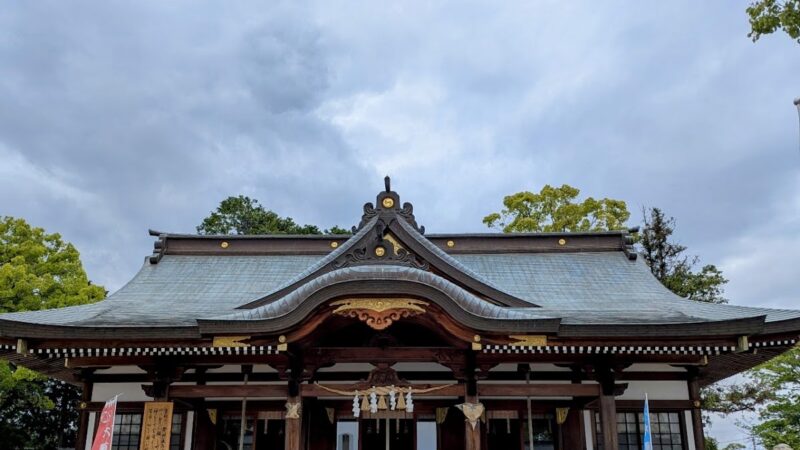
The main hall of Mefu Shrine is a magnificent building that reflects its long history. Formerly a village shrine, it has been carefully preserved as a center of faith in the region. The worship hall welcomes daily visitors, offering a tranquil atmosphere for worship. Although located in a residential area, stepping inside the shrine grounds feels like entering another world, enveloped in silence, creating a space for peaceful worship.
Subsidiary Shrine: Toyotama Shrine
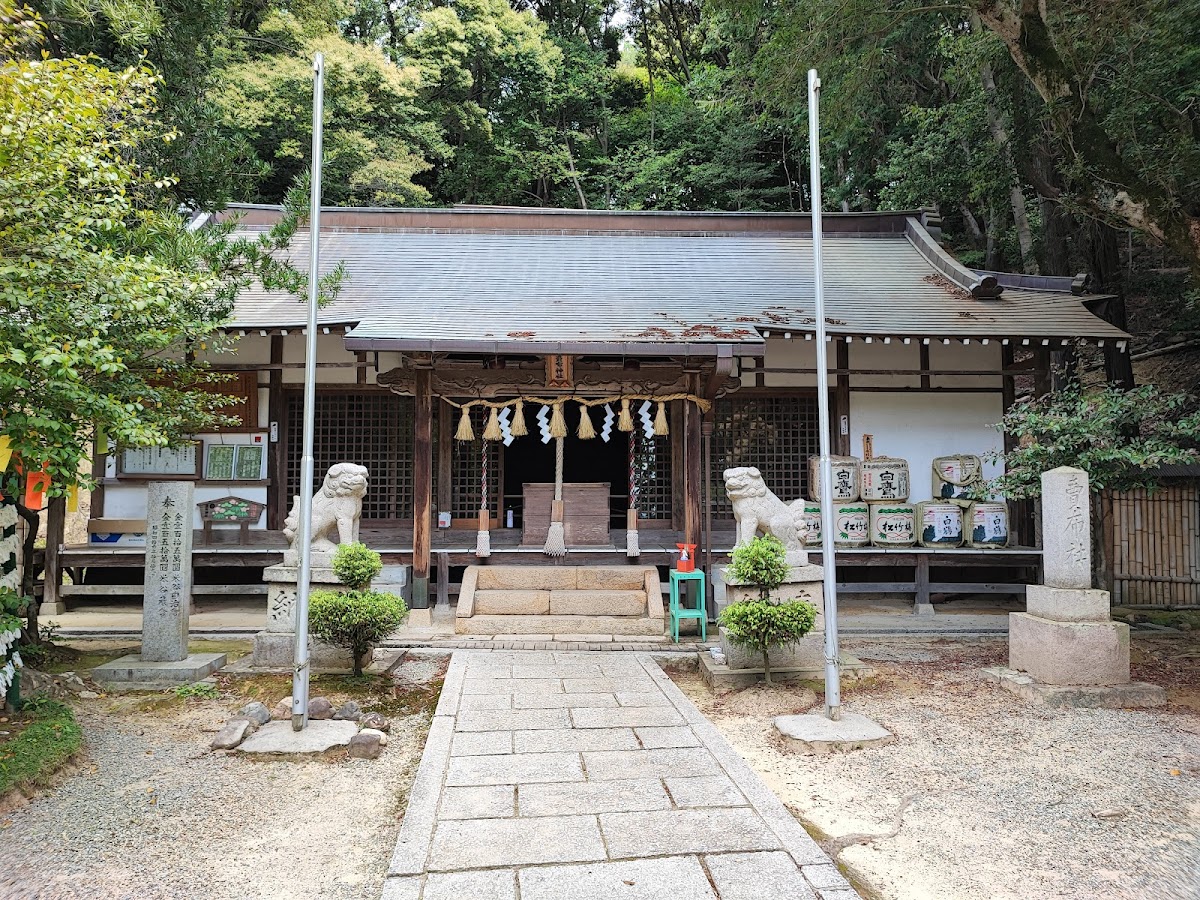
Within the grounds of Mefu Shrine is a subsidiary shrine called Toyotama Shrine. Toyotama Shrine has also been worshipped in this area since ancient times, and together with Mefu Shrine, it attracts the faith of the local people. When exploring the shrine grounds, we recommend visiting this subsidiary shrine as well.
A Shrine Rich in Nature
Despite being located in a residential area of Takarazuka City, the grounds of Mefu Shrine are blessed with abundant nature. Ancient trees line the grounds, allowing visitors to experience the changing seasons. The natural beauty of the grounds is particularly stunning during the fresh green season and the autumn foliage season, making it a perfect place to enjoy a nature walk alongside your visit. It is a valuable space where one can experience nature despite being in an urban area, and is cherished by the local community.
Goshuin (Shrine Seal)
Mefu Shrine offers Goshuin (shrine seals). These seals, reflecting the shrine’s history and prestige, are popular as souvenirs of visits. Those collecting Goshuin should check the reception hours at the shrine office during their visit.
Annual Festival and Events
The annual festival of Mefu Shrine is held every year on October 19th. This is the most important festival for the shrine, a ceremony to honor the deities and offer thanks. On the day of the annual festival, local parishioners and devotees gather, and traditional Shinto rituals are solemnly performed.
In addition, various festivals are held throughout the year, and the shrine functions as a center of local faith. During the New Year’s pilgrimage, it is bustling with many worshippers, who come to pray for good health and safety for their families in the new year.
Access Information
Access by Train
The most convenient way to access Mefu Shrine is by using the Hankyu Railway.
From Hankyu Takarazuka Line “Mefu Shrine Station”:
- The station name is the same as the shrine name, making it very easy to find.
- It is a very short walk of approximately 3 minutes from Mefu Shrine Station.
- After getting off the train, simply follow the signs and you will arrive at the shrine quickly.
Mefu Shrine Station is on the Hankyu Takarazuka Line and is easily accessible from both Osaka Umeda and Kobe Sannomiya. The area around the station is a residential area, allowing you to stroll through a peaceful atmosphere on your way to the shrine.
Access by Car and Parking
If you are visiting by car, it is about a 15-minute drive from the Takarazuka Interchange on the Chugoku Expressway. However, since the shrine is located in a residential area, some roads are narrow.
Regarding parking, there may be a limited number of spaces in the shrine’s dedicated parking lot, so it is recommended to check in advance. If possible, using public transportation is more convenient.
Address
1-1 Mefuyama-cho, Takarazuka City, Hyogo Prefecture 665-0852
Visiting Hours and Shrine Office
While you can generally visit the grounds of Mefu Shrine freely, the shrine office has limited hours. If you wish to receive a Goshuin (shrine stamp) or request prayers, it is recommended to check the shrine office’s opening hours in advance. Generally, it is from around 9:00 AM to 4:00 PM, but this may vary depending on the season and day of the week.
Nearby Tourist Attractions
Charms of Takarazuka City
Takarazuka City, where Mefu Shrine is located, is a cultural city famous for the Takarazuka Revue. Before or after visiting the shrine, you can also visit the Takarazuka Grand Theater and the Takarazuka Cultural Creation Center. Furthermore, there are a variety of tourist attractions, including the scenic beauty along the Mukogawa River and the Tezuka Osamu Memorial Museum.
Nearby Shrines and Temples
Besides Mefu Shrine, Takarazuka City is dotted with other historical shrines and temples. Kiyoshikojin Seichoji Temple is famous as the god of fire and the kitchen, attracting many worshippers. Nakayama-dera Temple is an ancient temple known for prayers for safe childbirth. Visiting these temples and shrines is one of the pleasures of sightseeing in Takarazuka.
Manners and Etiquette for Visiting Mefu Shrine
Basic Worship Etiquette
There are basic manners for visiting a shrine. Bow before passing through the torii gate, and walk avoiding the center of the path. Cleanse your hands and mouth at the water basin before proceeding to the main hall. At the main hall, the basic ritual is “two bows, two claps, one bow.” Worship quietly and with sincerity.
Regarding Photography
Photography is generally permitted on the shrine grounds, but there are areas where photography should be refrained from, such as inside the main hall and in sacred places. It is also important to be considerate of other visitors and to take photos quietly.
The Modern Significance of Mefu Shrine
Popularity as a Power Spot
In recent years, Mefu Shrine has attracted attention as a hidden power spot in Takarazuka. The energy of this ancient shrine with over 1400 years of history, its blessings of protecting the foundations of life (clothing, food, and wealth), and its faith as a god of matchmaking resonate with modern people. Many people visit it as a place to escape the hustle and bustle of the city and find peace of mind.
Center of the Local Community
Throughout its long history, Mefu Shrine has functioned as a spiritual pillar of the local community. Even today, it plays a role in deepening the bonds between residents through local festivals and events. In the midst of increasing urbanization, the community-building function of such traditional places of worship is becoming increasingly important.
Summary: Reasons to Recommend a Visit to Mefu Shrine
Mefu Shrine is a prestigious ancient shrine with a history of over 1400 years, founded in 610 AD (the 18th year of Emperor Suiko’s reign). It is listed in the Engishiki Jinmyocho (a historical record of shrines). It enshrines Shita-teruhime-no-kami and is widely worshipped as the guardian deity of clothing, food, and wealth, as well as a god of matchmaking.
Its excellent accessibility—just a 3-minute walk from Mefu Shrine Station on the Hankyu Takarazuka Line—the tranquil atmosphere of its grounds despite being located in a residential area, and the practical blessings directly relevant to modern life—all contribute to the value of a visit to Mefu Shrine.
When visiting Takarazuka, in addition to the Takarazuka Revue and other tourist attractions, be sure to visit this historic Mefu Shrine. The time spent praying for stability in life and good fortune in relationships while feeling the spirit of ancient faith will surely be a memorable experience.
As a place to renew our appreciation for the basics of daily life—clothing, food, and shelter—and to cherish our relationships with others, Mefu Shrine continues to hold unchanging value even in modern times.