Complete Guide to Shofukuji Temple: History, Cultural Assets, and Access Information for Famous Temples Across Japan
There are several temples named Shofukuji throughout Japan. Each possesses its own unique history and cultural assets, and has been cherished as a center of local faith. This article focuses on the particularly famous Shofukuji Temple, providing a detailed explanation of its historical background, cultural assets, worship methods, and transportation access.
Table of Contents
This article provides detailed information on the following topics:
- Shofuku-ji Temple (Iizumi Kannon) in Odawara City
- Shofuku-ji Temple in Suma Ward, Kobe City
- Shofuku-ji Temple (Shinran Shonin’s Former Site) in Kyoto
- Shofuku-ji Temple in Nishi Ward, Fukuoka City
- Shofuku-ji Temple in Takarazuka City, Hyogo Prefecture
- Cultural Properties and Highlights of Each Temple
- Access and Visiting Information
History and Characteristics of Shofuku-ji Temple (Iizumi Kannon) in Odawara City
Basic Temple Information
Located in Iizumi, Odawara City, Kanagawa Prefecture, Shofuku-ji Temple belongs to the Toji branch of the Shingon sect. Its mountain name is Iizumi-san, and its principal image is the Eleven-faced Kannon Bodhisattva. As the 5th temple of the Bando Thirty-Three Kannon Pilgrimage, it is a famous temple visited by many pilgrims. It is affectionately known locally as “Iizumi Kannon.”
Origin and History
According to temple tradition, the origins of Shōfuku-ji Temple date back to the Nara period. It is believed that its predecessor was the East Hall of Chibayama Yuge-dera Temple, founded in Chiyo (present-day Odawara) by Yuge no Dōkyō when he traveled to eastern Japan. Due to this history, the temple is known as an ancient temple with a history of over a thousand years.
From the Heian period onward, with the rise of Kannon worship, it was established as a pilgrimage site for the 33 Kannon temples of the Bandō region. During the Edo period, it received the patronage of the Odawara domain lord and played an important role as a guardian temple protecting the northeast direction of Odawara Castle. From the time of the Odawara Hōjō clan, it has a history of being revered as a guardian temple of the castle town.
Highlights of the Temple Grounds
The temple grounds contain many cultural assets and points of interest. The main hall houses the principal image, the Eleven-Faced Kannon Bodhisattva, which is enshrined as a hidden Buddha within a shrine. The Kannon Hall is a valuable building that preserves the architectural style of the Edo period.
The bronze water basin is an Edo period work, adorned with intricate carvings. The bronze bell was donated by the lord of the Odawara domain, and its sound is cherished by local residents as part of the “soundscape of Odawara.”
The Batō Kannon Hall is built in a corner of the temple grounds and, in the former transportation hub of Iizumi, attracted worshippers as a place to pray for the safety of travelers and horses.
Role as one of the Bandō Thirty-Three Kannon Pilgrimage Sites
Shōfuku-ji Temple occupies an important position on the pilgrimage route as the 5th temple of the Bandō Thirty-Three Kannon Pilgrimage. The previous temple is Hase-dera Temple in Kamakura (No. 4), and the next is Hase-dera Temple in Atsugi (No. 6).
The faith in this Kannon pilgrimage site continues to this day, and many pilgrims visit throughout the year. Temple stamps can be obtained at the sutra hall in the main hall, and there is a constant stream of visitors carrying their Bandō Kannon pilgrimage stamp books.
Location and Access
Location: 1161 Iizumi, Odawara City, Kanagawa Prefecture
Access:
- Approximately 10 minutes by Hakone Tozan Bus bound for “Izumi” from JR Odawara Station, get off at “Iizumi Kannon-mae” bus stop.
- Buses are also available from Odakyu Line Odawara Station.
- By car: Approximately 5 minutes from Odawara-Atsugi Expressway “Odawara-Higashi IC”.
- Parking: Free parking available for visitors on the temple grounds.
Visiting Hours:
- Summer (April-September): 8:00 AM – 5:00 PM
- Winter (October-March): 9:00 AM – 4:00 PM
- Open all year round
History of Shofuku-ji Temple in Suma Ward, Kobe City
Temple Overview
Shofuku-ji Temple, located in Suma Ward, Kobe City, Hyogo Prefecture, is a temple belonging to the Koyasan Shingon sect. Its mountain name is Katsurao-san, and its principal image is the Holy Kannon Bodhisattva. As the 87th temple of the Settsu Province Eighty-Eight Sacred Sites and the 8th temple of the Fukuhara Thirty-Three Sacred Sites, it is a place of worship for the local community.
Founding and Historical Background
This temple was founded in 988 (Eien 2) by Shōraku Shōnin (Fujiwara Hidemaru, son of Fujiwara Koreyoshi). Founded in the late Heian period, it is characterized by being founded by a monk from a noble family.
From the late Heian period to the Kamakura period, Suma was a historically significant area known as the setting of the Tale of the Heike, and Shōfuku-ji Temple developed as a center of Buddhist culture in the region. Despite being affected by warfare during the Middle Ages, it continued to preserve its religious traditions, supported by the faith of the local residents.
Cultural Properties and Temple Grounds
Within the main hall and Kannon hall, the temple grounds contain numerous historical stone structures. The principal image, the Holy Kannon Bodhisattva, is believed to be a work from the Heian period and is characterized by its elegant form.
As one of the 88 sacred sites of Settsu Province, it forms part of a pilgrimage route modeled after the 88 sacred sites of Shikoku, attracting not only local believers but also pilgrims from far away.
Location and Access
Location: Katsuragi, Suma-ku, Kobe City, Hyogo Prefecture
Access:
- Approximately 15 minutes on foot from Myohoji Station on the Kobe Municipal Subway Seishin-Yamate Line
- Take a bus from Suma Station on the JR Kobe Line
- By car: Approximately 10 minutes from Tsukimiyama IC on the Hanshin Expressway Route 3 Kobe Line
Shofuku-ji Temple in Kyoto (Shinran Shonin’s Historic Site)
Relationship with Jodo Shinshu Buddhism
Located in Kyoto City, Shofuku-ji Temple is known as a temple associated with Shinran Shonin, the founder of Jodo Shinshu Buddhism. As a Shinran Shonin’s historical site, it is an important pilgrimage site for followers of Jodo Shinshu Buddhism.
Historical Significance
As a place associated with Shinran Shonin’s activities in Kyoto, this temple is indispensable when discussing the history of Jodo Shinshu Buddhism. It functioned as one of the centers for Jodo Shinshu propagation in medieval Kyoto, attracting many followers.
Even today, it continues to transmit the teachings of Shinran Shonin, holding memorial services and lectures, providing a place of faith.
Visiting Information
Location: Kyoto City (See the Kyoto City Tourism Association website for details)
Transportation Access: Use public transportation within Kyoto City
Shofuku-ji Temple, Nishi-ku, Fukuoka City
Characteristics as a Zen Temple
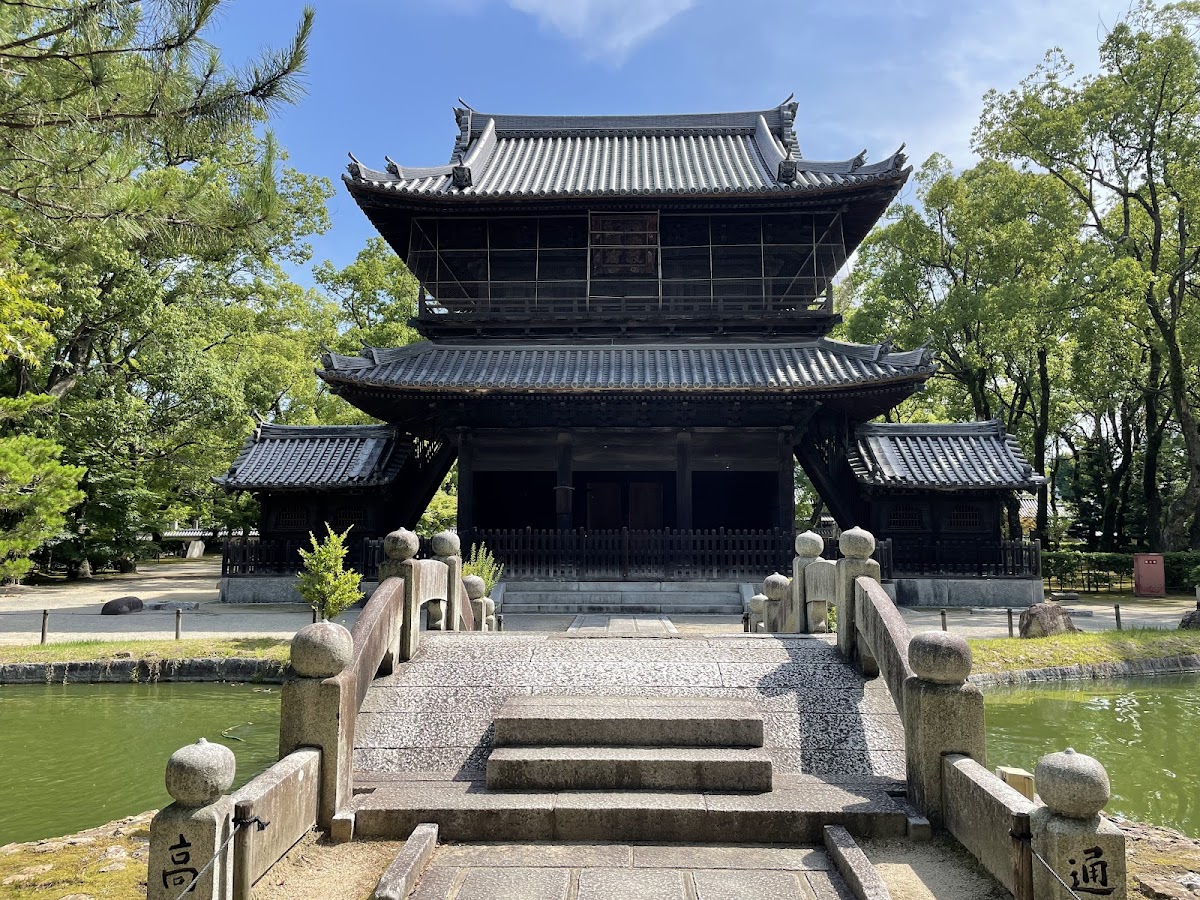
Located in Nishi-ku, Fukuoka City, Shofuku-ji Temple is known as a Rinzai Zen temple. It was founded in 1249 (Kencho 1) by the Chinese high priest Rankei Doryu (Daigaku Zenji), with Hojo Tokiyori, the 5th regent of the Kamakura Shogunate, as its patron.
Zen Culture in the Kamakura Period
Rankei Dōryū was a renowned Zen monk, famous as the founder of Kenchō-ji Temple in Kamakura, and is credited with introducing authentic Song Dynasty Zen to Japan. Shōfuku-ji Temple in Fukuoka, also connected to this Zen lineage, became a center of Zen culture in Kyushu.
In 1360 (Enbun 5), the temple complex was renovated, and it developed as a regional Zen temple throughout the medieval period.
Location and Access
Location: Nishi-ku, Fukuoka City
Access: Use Fukuoka City Subway, Nishitetsu Bus, etc.
Shōfuku-ji Temple in Takarazuka City, Hyogo Prefecture
A Temple of the Jōdo Shinshū Honganji School
Located in Takarazuka City, Hyogo Prefecture, Shōfuku-ji Temple belongs to the Jōdo Shinshū Honganji School. Its mountain name is Takarazuka-san, and it is a beloved local temple.
Modern Temple Activities
Our temple operates in a modern manner, using an official LINE account to announce events and memorial services. We value our connection with the local community through annual events, including the Hanamatsuri (Buddha’s birthday).
We regularly hold Dharma talks and Buddhist lectures, fulfilling the role of Buddhism in modern society.
Visiting Information
Location: Takarazuka City, Hyogo Prefecture
Access: Use the Hankyu Takarazuka Line, etc.
Cultural Properties of Shofuku-ji Temple
Cultural Properties of Shofuku-ji Temple, Odawara City
Shofuku-ji Temple in Odawara City houses and preserves the following valuable cultural properties:
Principal Image: Eleven-Faced Kannon Bodhisattva: A wooden statue of Kannon believed to be from the Heian period, characterized by its eleven faces and compassionate appearance. It is enshrined as a hidden Buddha in a shrine and is only unveiled on special occasions.
Bronze Bell: This temple bell was donated by the lord of the Odawara domain during the Edo period. Its sound is considered part of the “Soundscape of Odawara” and is a local cultural heritage.
Bronze Water Basin: A valuable craft item showcasing Edo period casting techniques, featuring intricately carved dragon and wave motifs.
Ancient Documents: Documents detailing the temple’s history, records of successive chief priests, and its relationship with the Odawara domain are preserved here.
Cultural Properties of Shofuku-ji Temple, Kobe City
Principal Image: Holy Kannon Bodhisattva: A Kannon statue in the style of the Heian period, characterized by its elegant form.
Stone Sculptures: Stone Buddhas and stone pagodas from the medieval to early modern periods remain on the temple grounds.
Buildings of Each Temple
The main halls and Kannon halls of each Shofuku-ji temple are valuable structures that convey the architectural styles of their respective eras. The main hall, rebuilt during the Edo period, preserves the traditional architectural style of Shingon and Jodo Shinshu Buddhism.
Etiquette and Manners for Visiting a Temple
Basic Etiquette for Visiting a Temple
When visiting Shofuku-ji Temple, please observe the following etiquette:
- Bow at the Temple Gate: Bow at the temple gate before entering the temple grounds.
- Purification at the Water Basin: Purify your hands and mouth at the water basin.
- Worship at the Main Hall: Join your hands in prayer in front of the main hall and offer a quiet prayer.
- Receive a Goshuin (Temple Seal): After worship, receive a Goshuin at the temple office.
- Bow at the Temple Gate: Bow again when leaving the temple grounds.
Etiquette for the Bando Thirty-Three Kannon Pilgrimage
When visiting Shofuku-ji Temple in Odawara City as a Bando Kannon pilgrimage site:
- Bring your pilgrimage stamp book (Goshuincho)
- You may be required to wear a white robe
- Recite sutras such as the Heart Sutra
- Pay the offering fee and receive a Goshuin (temple stamp)
Photography Etiquette
Photography is generally permitted on the temple grounds, but please note the following:
- Permission may be required to photograph the interior of the main hall or Buddha statues
- Be considerate of other visitors
- Check in advance before using a tripod
- When posting on social media, be mindful not to damage the temple’s reputation
Annual Events and Special Viewings
Main Events at Shofuku-ji Temple in Odawara City
New Year’s Visit: January 1st-3rd, bustling with New Year’s visitors.
Setsubun Festival: February 3rd, bean-throwing and prayers for warding off evil are held.
Flower Festival: A Buddhist service held on April 8th to celebrate the birth of Buddha.
Kannon Festival: A festival day for the main deity, held in spring and autumn.
New Year’s Eve Bell Ringing: On December 31st, visitors can ring the bell.
Special Viewing
The main deity, the Eleven-Faced Kannon Bodhisattva, is usually a hidden Buddha, but it is sometimes unveiled on special festival days or in commemorative years. Information on unveilings can be found on the temple’s website or in local tourist guides.
Nearby Tourist Attractions
Around Shofuku-ji Temple, Odawara City
Odawara Castle: Approximately 10 minutes by car from Shofuku-ji Temple. A famous castle from the Sengoku period, with a magnificent view from the keep.
Odawara Castle Ruins Park: Known as a famous cherry blossom viewing spot, it is bustling with many visitors in spring.
Ishigakiyama Ichiyajo Castle: The ruins of a castle built by Toyotomi Hideyoshi during his siege of Odawara. A must-see spot for history buffs.
Suzuhiro Kamaboko Village: Manufactures and sells Odawara’s famous kamaboko (fish cake). Factory tours are available.
Hakone Yumoto Onsen: Approximately 20 minutes from Shofukuji Temple towards Hakone. Enjoy a day trip to the hot springs.
Around Shofukuji Temple, Kobe City
Sumadera Temple: An ancient temple associated with the Genpei War, housing many cultural artifacts.
Suma Beach: One of Kansai’s leading beaches, bustling with beachgoers in the summer.
Suma Rikyu Park: A beautiful park where you can enjoy flowers throughout the seasons.
Inquiries about Shofukuji Temple
Inquiries regarding visits
For inquiries regarding visits to each Shofukuji Temple, we recommend contacting the temple directly by phone or checking through the city/town/village’s tourism association. ### Group Visit Reservations
To arrange a group visit or a Dharma talk, you must contact the temple in advance to schedule a date. Especially if you are arriving by large bus, be sure to contact them beforehand to secure parking.
Notes Regarding Goshuin (Temple Seals)
Goshuin are given as proof of your visit. Please avoid receiving a goshuin without visiting the temple. Also, if you forget your goshuincho (stamp book), you may be given a pre-printed goshuin.
The Charm and Value of Shofuku-ji Temple
Historical Value
Shofuku-ji temples throughout Japan are deeply intertwined with the history of their respective regions. Odawara’s Shofuku-ji has a history of over a thousand years as a Bando Kannon pilgrimage site, Kobe’s Shofuku-ji preserves the aristocratic culture of the Heian period, and Fukuoka’s Shofuku-ji preserves the Zen culture of the Kamakura period.
These temples are not merely religious facilities, but valuable cultural heritage sites embodying the history and culture of their respective regions.
These temples are not merely religious facilities, but precious cultural heritage sites. ### Value as a Place of Worship
Even today, Shofuku-ji Temple remains a place of faith for many people. Pilgrims of the Bando Kannon pilgrimage, local parishioners, and visitors seeking peace of mind all come to the temple.
The Buddhist teachings conveyed by each temple—Kannon worship, Jodo Shinshu teachings, Zen spirit, and more—continue to provide spiritual support to many in modern society.
Value as Cultural Assets
The Buddhist statues, buildings, and ancient documents held by each Shofuku-ji temple are invaluable resources for understanding Japanese Buddhist art and history. In particular, cultural artifacts from the Heian and Kamakura periods represent important legacies that demonstrate the level of faith and art at those times.
Connection with the Local Community
Shofuku-ji Temple has also functioned as a central hub for the local community. Through festivals and annual events, local residents gather, strengthening community bonds. It also contributes to regional development as a tourist resource.
Summary
There are several temples named Shofukuji throughout Japan, each with its own unique history and characteristics. The Shofukuji in Odawara City, known as Iizumi Kannon, is the 5th temple on the Bando Thirty-Three Kannon Pilgrimage, while the Shofukuji in Kobe City is part of the Settsu Eighty-Eight Sacred Sites Pilgrimage, both playing important roles as pilgrimage sites.
The Shofukuji in Kyoto, associated with Shinran Shonin, preserves the history of Jodo Shinshu Buddhism, while the Shofukuji in Fukuoka, founded by Rankei Doryu, continues the Zen culture of the Kamakura period. The Shofukuji in Takarazuka City engages in modern temple activities, demonstrating a new way of engaging with the local community.
Visiting these temples will allow you to experience the diversity and depth of Japanese Buddhist culture. The history, cultural assets, and traditions of faith of each Shofukuji offer much to learn and peace of mind for those of us living in the modern age.
When visiting, it is recommended to understand the historical background of each temple, observe appropriate etiquette and manners, and offer your prayers quietly. Furthermore, visiting nearby tourist attractions in conjunction with this temple will enhance your travel experience.
Katsufuku-ji temples throughout Japan will continue to be cherished by many people as valuable treasures that convey Japan’s spiritual culture.