Complete Guide to Ono Shrine | History, Goshuin (Shrine Seal), and Access Information for Musashi Province’s Ichinomiya
Ono Shrine is a prestigious shrine with multiple locations throughout Japan. In particular, the “Musashi Province Ichinomiya Ono Shrine” located in Tama City, Tokyo, is known as an ancient shrine boasting a history of over 2500 years. This article provides detailed information about Ono Shrine, including its history, enshrined deities, goshuin (shrine seal), access methods, and the various Ono Shrines scattered throughout Japan.
What is Ono Shrine?
There are several shrines named Ono Shrine throughout Japan. The most famous is the Musashi Province Ichinomiya Ono Shrine located in Tama City, Tokyo, but there are also shrines with the same name in Fuchu City, Machida City, Otsu City in Shiga Prefecture, Shiojiri City in Nagano Prefecture, and other locations, each with its own unique history and beliefs.
Main Locations of Ono Shrines
- Ichinomiya, Tama City, Tokyo: A Shikinaisha shrine claiming to be the Ichinomiya (first-ranked shrine) of Musashi Province
- Sumiyoshi-cho, Fuchu City, Tokyo: A candidate shrine located on the opposite bank of the Tama River
- Onoji-cho, Machida City, Tokyo: A shrine dedicated to the spirit of Ono no Takamura
- Ono, Otsu City, Shiga Prefecture: A shrine associated with Ono no Imoko
- Shiojiri City, Nagano Prefecture: A shrine revered as the Ninomiya (second-ranked shrine) of Shinano Province
History of Ono Shrine, Ichinomiya of Musashi Province (Tama City, Tokyo)
Origin of Founding
Ono Shrine, located in Ichinomiya, Tama City, Tokyo, is said to have been founded in February of the 18th year of Emperor Annei’s reign (around 500-300 BC) by the provincial governor, Etakehi no Mikoto, to enshrine his ancestral deity. Based on its founding date, this shrine boasts a history of over 2500 years.
Engishiki Jinmyocho and Shikinaisha
Ono Shrine is one of the candidate shrines for the “Ono Shrine in Tama District, Musashi Province” listed in the Engishiki Jinmyocho (a list of shrines compiled in 927 AD). Being listed here signifies a shrine with a long and distinguished history recognized by the imperial court.
Eight Shikinaisha exist in Tama District, Musashi Province, and Ono Shrine holds an important position among them.
Status as the Ichinomiya of Musashi Province
Ono Shrine is designated as the Ichinomiya of Musashi Province by Okunitama Shrine, the provincial shrine of Musashi Province. An Ichinomiya is the shrine with the highest rank within a province, and from ancient times to the Middle Ages, it was considered important as the first shrine visited by the provincial governor.
Previously known as “Ichinomiya Daimyojin,” this name itself reflects its high status as the Ichinomiya (first-ranked shrine).
Relationship with the Shogunate
Ono Shrine enjoyed deep reverence from successive shoguns, receiving a stipend of 15 koku (a unit of rice production) from the shogunate eight times. This is an important historical fact demonstrating that the Edo shogunate guaranteed the shrine’s economic foundation and recognized its status.
About the Deities
Main Deities
The deities enshrined at Musashi Province’s Ichinomiya, Ono Shrine, are the following two:
Amenoshitaharu-no-Mikoto
One of the 32 gods who accompanied Ninigi-no-Mikoto during the descent of the heavenly grandchild, and considered the ancestral deity of Musashi Province’s development. He has long been worshipped as the god of development and the god of abundant harvests.
Seoritsuhime-no-Mikoto
A goddess known as the deity of water, she is one of the four deities of purification who cleanse away sin and defilement. She is revered as the guardian deity of water sources and a god of purification.
Divine Virtues and Benefits
The divine virtues of Ono Shrine are diverse.
- Pioneering and Good Fortune: Prayers for success in new ventures and pioneering in life through the divine virtues of Tenkaharu-no-Mikoto.
- Abundant Harvest and Agricultural Protection: A belief in the development of agriculture and abundant harvests.
- Protection from Water Disasters and Protection of Water Sources: Protection related to water through the divine virtues of Seoritsuhime-no-Mikoto.
- Exorcism and Purification: Power to cleanse and purify sins and impurities.
Highlights of the Shrine Grounds
Main Hall and Worship Hall
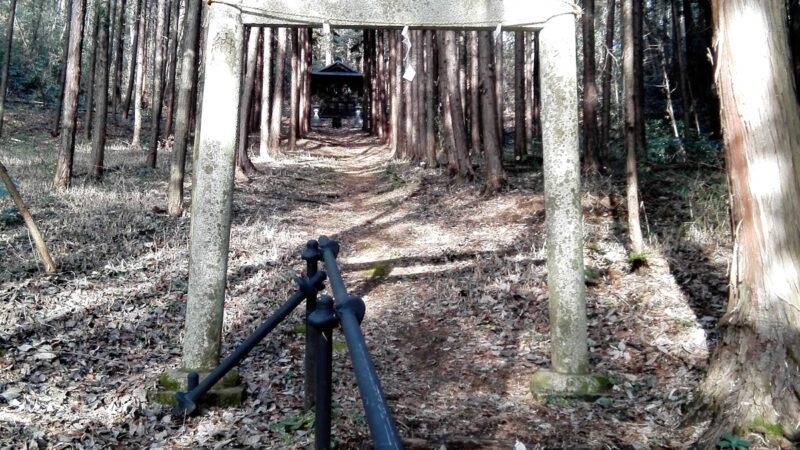
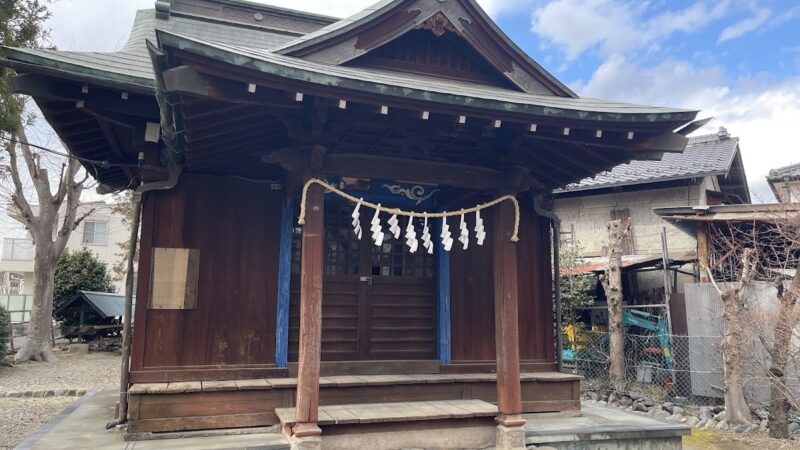
The main hall of Ono Shrine measures one ken (approximately 1.8m) on each side, and the worship hall measures two ken (approximately 2.8m) on each side, preserving the traditional style of shrine architecture. The shrine grounds are enveloped in a tranquil atmosphere, and despite being in an urban area, one can feel a sacred air.
Heart-Shaped Stone
In recent years, a heart-shaped stone has been discovered on the shrine grounds, becoming a topic of conversation among visitors. The number of young visitors praying for matchmaking and successful relationships is increasing, and it is attracting attention as a new power spot.
Shrine Treasures
Ono Shrine houses valuable shrine treasures accumulated over its long history. These treasures are important historical materials that convey the history and culture of the shrine to the present day.
Goshuin (Shrine Seal) Information
Features of Goshuin
Goshuin can be obtained at Ono Shrine. The seal and calligraphy, signifying its status as the Ichinomiya (first-ranked shrine) of Musashi Province, are popular souvenirs for many visitors.
Goshuin Reception Hours
Goshuin reception hours vary by shrine, but are generally from 9:00 AM to around 4:00 PM. However, reception may not be possible during festivals or religious ceremonies, so it is recommended to check in advance.
Goshuin Notebook
Ono Shrine also offers its own original goshuin notebook, featuring beautiful designs of the shrine’s history and symbols.
Annual Events and Festivals
Grand Festival
The Grand Festival of Ono Shrine is the most important festival of the year. Local people gather, and traditional culture is passed down through the procession of the portable shrine and dedication ceremonies.
Setsubun Festival
Every year in February, the Setsubun Festival is held, featuring events such as bean-throwing. It is bustling with many worshippers praying for protection from evil and good fortune.
Shichi-Go-San Festival
In autumn, Shichi-Go-San prayers are held, and the shrine grounds are lively with families praying for the healthy growth of their children. Ono Shrine offers a respectful Shichi-Go-San prayer service.
New Year’s Visits
Many worshippers visit the shrine for Hatsumode (first shrine visit of the year). The shrine grounds are vibrant with people praying for safety and good fortune throughout the year.
Shrine Maiden Recruitment
Ono Shrine sometimes recruits shrine maidens during busy periods such as the year-end and New Year holidays. This provides a valuable opportunity to experience traditional Japanese culture through service at the shrine.
Access Information
Access to Ono Shrine in Tama City, Tokyo
Access by Train
The nearest station is Seiseki-Sakuragaoka Station on the Keio Line.
- Walking from Seiseki-Sakuragaoka Station West Exit: Approximately 10 minutes
- Exit the station and head west. After passing through the residential area, you will arrive at Ono Shrine.
Access by Bus
It is also possible to take a bus from Seiseki-Sakuragaoka Station. However, it is only about a 10-minute walk, so walking is recommended if the weather is nice.
Access by Car
Approximately 15 minutes from the Kunitachi-Fuchu Interchange on the Chuo Expressway. The shrine has a parking lot, but spaces are limited, so using public transportation is recommended on festival days.
Address and Map
Address: 1-18-8 Ichinomiya, Tama City, Tokyo 206-0001
You can find the exact location and directions by searching for “Ono Shrine Tama City” in a map app.
Ono Shrines in Various Locations
Ono Shrine (Fuchu City, Tokyo)
The Ono Shrine in Sumiyoshi-cho 3-chome, Fuchu City, is located across the Tama River from the Ono Shrine in Tama City. It has long been revered as the guardian shrine of the former Ono-no-miya.
The question of which is the original Ono Shrine has been debated since ancient times, and both shrines are recognized as candidates for the Shikinaisha (shrines listed in the Engishiki). This “Ichinomiya controversy” is one of the interesting topics in the history research of Musashi Province.
Ono Shrine (Onoji-cho, Machida City, Tokyo)
The Ono Shrine in Onoji-cho, Machida City, originates from the fact that Ono Takayasu, the seventh-generation descendant of Ono no Takamura, enshrined the spirit of Ono no Takamura when he was appointed as the governor of Musashi Province during the Tenroku era (around 972).
Onoji was a strategic point on the Kamakura Road, connecting Kamakura and Fuchu, where the Musashi provincial capital was located. The Ono Shrine, situated at the entrance to the post town, also functioned as a shrine protecting the safety of travelers.
Ono Shrine (Otsu City, Shiga Prefecture)
The Ono Shrine located in Ono, Otsu City, Shiga Prefecture, enshrines Taganetsuki no Ōomi no Mikoto, an ancestor of Ono no Imoko, who traveled to the Sui Dynasty as an envoy.
Located approximately 1.1 km south of JR Wani Station, this shrine is widely revered by confectioners as the god of confectionery making. Within its grounds are also shrines dedicated to Ono no Imoko, Ono no Takamura, and Ono no Michikaze, making it a sacred site associated with the Ono clan.
Address: 1961 Ono, Otsu City, Shiga Prefecture 520-0525
Ono Shrine (Shiojiri City, Nagano Prefecture)
Ono Shrine in Shiojiri City, Nagano Prefecture, is said to be the site where the Suwa deity manifested, and enshrines Takeminakata-no-Mikoto as its principal deity.
Since the Middle Ages, together with the adjacent Yahiko Shrine to the south, it was known as “Ono Nanboku Daimyojin” and was revered as the second-ranked shrine of Shinano Province. While its founding date is unknown, it has long been considered an important shrine in Shinano Province.
Points to Note When Visiting Ono Shrine
Etiquette for Visiting Shrines
When visiting a shrine, please observe the following basic etiquette:
- Bow before passing through the torii gate: This is a sign of respect when entering the sacred area.
- Purify yourself at the water basin: Purify your left hand, then your right hand, then your mouth, and finally wash the handle of the ladle.
- Walk along the edge of the path: The center is considered the path of the gods.
- Etiquette at the main hall: The basic procedure is two bows, two claps, and one bow.
Recommended Time to Visit
Visiting early in the morning allows you to feel the quiet and sacred atmosphere of the shrine grounds. The cool morning hours are especially recommended during the summer. The shrine grounds at dusk also have a unique charm, making it ideal for calming your mind at the end of the day.
Nearby Tourist Attractions
Around Ono Shrine in Tama City, there are various attractions, including commercial facilities around Seiseki-Sakuragaoka Station and the natural beauty of the Tama River. Enjoying a stroll around the surrounding area in conjunction with your shrine visit is highly recommended.
Cultural Value of Ono Shrine
Importance as a Shikinaisha (Shrine Listed in the Engishiki)
The fact that Ono Shrine is listed in the Engishiki Jinmyocho (a list of shrines compiled in the Heian period) proves that it is a historically significant shrine recognized by the imperial court since the Heian period. While there are approximately 3,100 Shikinaisha shrines nationwide, its status as the Ichinomiya (first-ranked shrine) of Musashi Province holds special significance.
Center of Local Faith
For over 2,500 years, Ono Shrine has functioned as the center of faith for the local people. It has a history of prayers offered for things closely related to people’s lives, such as agricultural development, protection of water sources, and successful land development.
Historical Significance of the Ichinomiya Debate
The debate over whether the Ono Shrine in Tama City or Fuchu City is the original Shikinaisha is not simply a dispute over the superiority of the shrines, but rather provides important clues to unraveling the history of ancient Musashi Province, the changes in the course of the Tama River, and the history of regional development.
Ono Shrine in the Modern Era
Community Hub
Even in modern times, Ono Shrine functions as an important hub for the local community. Annual events such as the Grand Festival and Setsubun Festival provide a place for local people to gather and pass on traditional culture to the next generation.
New Visitor Population
The discovery of a heart-shaped stone, among other things, has led to an increase in younger visitors. Furthermore, the popularity of collecting Goshuin (shrine stamps) has made it an important destination for people visiting shrines throughout Japan.
Information Dissemination
Ono Shrine disseminates information such as announcements, reports, and shrine guides through its official website. Timely information, such as festival dates and recruitment notices for shrine maidens, can be obtained there.
Summary
Ono Shrine, as the Ichinomiya (first-ranked shrine) of Musashi Province with a history of over 2500 years, is a venerable shrine that has attracted the faith of people from ancient times to the present day. Ono Shrine, dedicated to Tenkaharu-no-Mikoto, the god of pioneering, and Seoritsuhime-no-Mikoto, the goddess of water, is believed to offer various blessings, including abundant harvests, good fortune, and protection from water-related disasters.
Located in Tama City, Tokyo, Ono Shrine is easily accessible, just a 10-minute walk from Seiseki-Sakuragaoka Station. Its tranquil grounds offer a peaceful retreat. Visitors can receive a Goshuin (shrine stamp), and new attractions such as a heart-shaped stone are attracting attention.
Ono Shrines, scattered throughout Japan, each possess their own unique history and beliefs, deeply intertwined with the history of the Ono clan and their respective regions. If you have the opportunity, visiting various Ono Shrines and experiencing their individual characteristics and histories would be a fascinating experience.
Ono Shrine, which conveys the history and culture of Musashi Province to the present day, offers peace of mind and renewed vitality to those of us living in modern times, thanks to its long history and sacred atmosphere. Why not pay a visit sometime?