Jorenji Temple Complete Guide: A Thorough Explanation of History, Kannon Statues, and Access
Located in the mountainous region of Kitaibaraki City, Ibaraki Prefecture, Jorenji Temple is an ancient Tendai sect temple with a history of over 1000 years. It boasts numerous attractions that captivate visitors, including its tranquil grounds, 33 Kannon statues carved into moss-covered rocks, and the Aizen-do Hall housing Aizen Myoo. This article comprehensively explains everything you need to know before visiting, from the history of Jorenji Temple to its highlights, access methods, and surrounding tourist information.
What is Jorenji Temple?: A Historic Ancient Temple in Kitaibaraki City
Jorenji Temple is a Tendai sect temple located in Hanazono, Hanakawa-cho, Kitaibaraki City, Ibaraki Prefecture. It is said to have been founded in 858 (Ten’an 2) during the Heian period by Jikaku Daishi Ennin, boasting a history of over 1000 years.
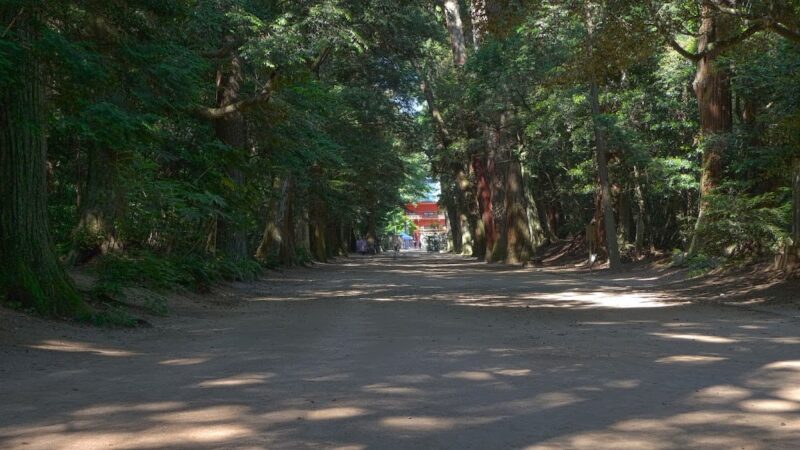
The temple grounds are surrounded by a deep forest, creating a space enveloped in silence. Beyond the main hall and temple gate, the Jorenji Valley behind the temple is dotted with 33 Kannon statues, said to have been carved by ascetic monks, evoking a profound sense of spirituality and natural beauty in visitors.
Jikaku Daishi Ennin and the Founding of Jorenji Temple
Jikaku Daishi Ennin (794-864), considered the founder of Jorenji Temple, was a Tendai Buddhist monk in the early Heian period and a high-ranking priest who served as the third head of the Tendai sect. He also studied in Tang China and is known for his significant contributions to the development of Buddhism in Japan.
Ennin is said to have founded many temples, mainly in the Tohoku region, and Jorenji Temple is one of them. Since its founding in 858 (Ten’an 2), it has been a center of faith in the region and cherished by local residents.
Highlights of Jorenji Temple: Temple Grounds and Surrounding Spots
The charm of Jorenji Temple lies not only in its historical value but also in the numerous cultural assets and natural landscapes scattered throughout its grounds. Here, we’ll introduce some must-see spots during your visit.
Main Hall and Temple Gate: The Beauty of Traditional Architecture
The temple gate of Jorenji Temple is a magnificent structure that first welcomes visitors. Passing through the gate, the main hall comes into view. The main hall has a tranquil atmosphere that evokes a sense of history, and daily religious services are held inside.
In front of the main hall are stone steps, and the entire temple grounds are laid out to utilize the natural terrain. As you proceed, bowing to the left of the temple gate and main hall, you’ll find a shaded path, making for a cool and comfortable stroll even in summer.
Aizen-do Hall and Aizen Myoo: Faith in Matchmaking and Romantic Fulfillment
The Aizen-do Hall on the temple grounds houses Aizen Myoo. Aizen Myoo is one of the deities of Esoteric Buddhism, believed to have the power to transform worldly desires into enlightenment, and is particularly revered for its blessings in matchmaking and romantic fulfillment.
Aizen-do Hall is a small building, but a solemn atmosphere permeates its interior, attracting many worshippers. It is known beyond the local area as a place where people troubled by love and relationships offer prayers.
Jorenji Valley: A Sacred Site with 33 Kannon Statues
One of the greatest attractions of Jorenji Temple is the Jorenji Valley, which spreads across the back of the mountain. Scattered throughout this valley are 33 Kannon statues carved directly into the rock face by ascetic monks. These Kannon statues are said to have been created approximately 1000 years ago, making them a historically and culturally significant heritage.
Following the path along the stream, you will find rocks of various sizes, each with Kannon statues carved into its surface. The combination of moss-covered rock faces and Kannon statues creates a mystical scene where nature and faith merge.
What is the Thirty-Three Kannon Faith?
The 33 Kannon statues are based on the Thirty-Three Kannon faith, exemplified by the Thirty-Three Kannon Pilgrimage of Saigoku. The belief that Kannon Bodhisattva transforms into 33 forms to save sentient beings has led to the establishment of 33 pilgrimage sites throughout Japan dedicated to these 33 Kannon statues.
The Kannon statues in the Jorenji Valley are also positioned based on this belief, and it is believed that in the past, ascetic monks and pilgrims walked through this valley, offering prayers to the Kannon statues.
Jorenji Temple as a Famous Spot for Autumn Foliage
Jorenji Temple is also known as a famous spot for autumn foliage. Especially around the Jorenji Valley, the trees change color in autumn, creating a beautiful landscape with the contrast between the Kannon statues and the autumn leaves.
The best time to see the autumn leaves is usually from early to mid-November, and during this time, many tourists and photography enthusiasts visit. You can enjoy a luxurious time walking along the stream, appreciating the autumn leaves, the Kannon statues, and the sound of the clear stream.
History and Cultural Assets of Jorenji Temple
As a temple with a history of over 1000 years, Jorenji Temple has witnessed numerous historical events. This section provides a detailed explanation of the historical background and cultural properties of Jorenji Temple.
A History of Faith Dating Back to the Heian Period
Since its founding in 858 (Ten’an 2), Jorenji Temple has functioned as an important center of the Tendai sect in northern Hitachi Province. During the Heian period, it was also used as a training ground for Shugendo practitioners, and it is said that many monks practiced mountain asceticism there.
The Kannon statues in the Jorenji Valley are believed to have been carved into the rocks by these monks as proof of their faith, and they are a valuable legacy that conveys the depth of faith at that time.
Transition from the Medieval to the Early Modern Period
In the medieval period, Jorenji Temple survived under the patronage of local samurai and feudal lords. Although affected by the turmoil of the Sengoku period, it recovered during the Edo period and flourished again as a center of local faith.
During the Edo period, its character as a sacred site for Kannon became stronger, and many pilgrims began to visit. During this period, the temple grounds were also developed, and it is believed that the basic layout of the temple buildings was formed.
Cultural Properties and Temple Treasures
Jorenji Temple houses many cultural properties and temple treasures accumulated over its long history. These include Buddhist statues, such as the Aizen Myoo statue, ancient documents, and Buddhist implements, all of which are important resources for studying the cultural history of Kitaibaraki City.
In particular, the 33 Kannon statues in the Jorenji Valley are a valuable collection of stone Buddha statues carved outdoors, even within Ibaraki Prefecture, and their value as cultural properties is recognized.
Access: How to Get to Jorenji Temple
Since Jorenji Temple is located in the mountainous area of Kitaibaraki City, access by car is convenient. Here, we will explain in detail how to access the temple by public transport and by car.
Access by Train and Bus
Nearest Station: JR Joban Line, Isohara Station
- Get off at JR Joban Line “Isohara Station”
- Approximately 20 minutes by taxi from the station
- Alternatively, take a bus (bound for Hanazono) and get off at “Hanazono Shrine,” then walk for approximately 15 minutes.
Public transportation is limited, so it is recommended to check the timetable in advance. Buses, in particular, run infrequently, making a taxi the most practical option.
Access by Car
Access from the Joban Expressway
- Approximately 30 minutes from the Joban Expressway “Kitaibaraki IC”
- Head north on National Route 6
- Take Prefectural Road 10 (Hitachi-Iwaki Line) towards Hanazono
- Follow the signs
Address for Car Navigation
- Hanazono, Hanakawa-cho, Kitaibaraki City, Ibaraki Prefecture
Jorenji Temple has a free parking lot. Parking space is limited, so we recommend arriving early during peak seasons such as autumn foliage season.
Access from surrounding areas
- From Mito: Approximately 1 hour 30 minutes via National Route 6
- From Iwaki: Approximately 40 minutes via National Route 6
- From Hitachi: Approximately 50 minutes via Prefectural Route 10
Since the route passes through mountainous areas, caution is advised regarding icy roads in winter. Especially after snowfall, we recommend checking road conditions before visiting.
Visiting Information and Precautions
We have compiled basic information and precautions you should know when visiting Jorenji Temple.
Basic Information
Location
- Hanazono, Hanakawa-cho, Kitaibaraki City, Ibaraki Prefecture
Visiting Hours
- Grounds are freely accessible (daytime only)
- Advance notice is recommended for viewing the main hall
Admission Fee
- Free
Parking
- Free parking available (approximately 10 cars)
Notes for Visitors
- Clothing and Equipment: When walking through the Jorenji Valley, comfortable shoes and clothing are essential. Trekking shoes are ideal as some parts of the stream-side path can be slippery.
- Seasonal Precautions: In summer, carrying insect repellent is recommended. In winter, snow and ice may make access to the valley difficult.
- Photography: Photography of the grounds and Kannon statues is generally permitted, but some areas, such as inside the main hall, are prohibited. Please observe proper etiquette when taking photographs.
- Estimated Time Required: A visit to the temple grounds alone takes about 30 minutes. If you include a tour of the Kannon statues in the valley, allow approximately 1 hour 30 minutes to 2 hours.
Tourist Spots Around Jorenji Temple
When visiting Jorenji Temple, exploring the surrounding tourist spots will allow you to experience the charm of Kitaibaraki more deeply.
Hanazono Shrine
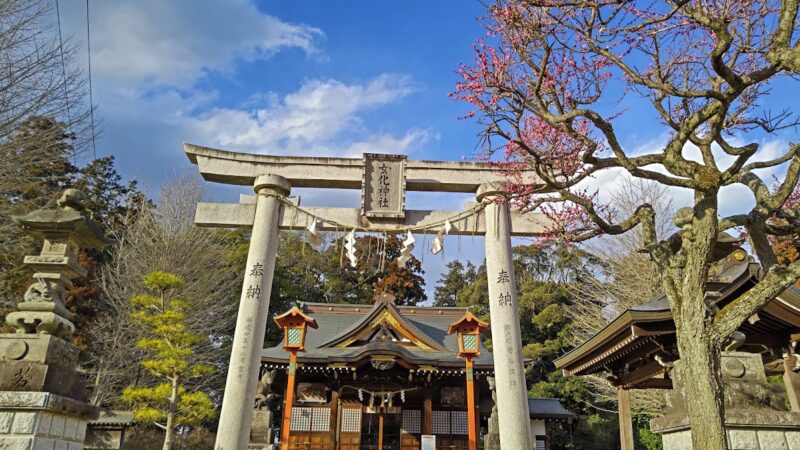
Hanazono Shrine, located within walking distance of Jorenji Temple, has long been revered as the local guardian shrine. Beautiful cherry blossoms in spring and autumn leaves in fall, it’s a spot worth visiting along with Jorenji Temple.
Hanazono Valley
The Hanazono Valley area, including the Jorenji Valley, boasts one of the most beautiful natural landscapes in Ibaraki Prefecture. The scenery, a blend of clear streams, lush forests, and strangely shaped rocks, is ideal for hiking and nature observation.
Hot Springs in Kitaibaraki City
Within a 30-minute drive from Jorenji Temple, there are hot spring resorts such as Isohara Onsen and Hirakata Port Onsen. A plan to relax and unwind in a hot spring after visiting temples and shrines is also recommended.
Izura Coast and Rokkakudo
Izura Coast, a representative tourist spot in Kitaibaraki City, is known as a place associated with Okakura Tenshin. The spectacular view overlooking the Pacific Ocean and the Rokkakudo (Hexagonal Hall) are must-sees. It is about a 40-minute drive from Jorenji Temple.
Jorenji Temple’s Annual Events and Seasonal Enjoyment
Jorenji Temple shows various faces in each season. You can enjoy different charms depending on when you visit.
Spring (March-May)
In spring, the cherry blossoms in the temple grounds bloom and the new greenery begins to sprout. It is a season when nature, freed from the harshness of winter, is full of vitality, and you can enjoy visiting the temple in refreshing air.
Summer (June-August)
The temple grounds, surrounded by deep greenery, can be enjoyed cool even in summer. Jorenji Valley, in particular, is cool like a natural air conditioner, making it an ideal summer retreat. A stroll while listening to the sound of the stream will make you forget the heat.
Autumn (September-November)
Autumn is the best season to visit Jorenji Temple. From early to mid-November, the autumn leaves are at their peak, and the entire temple grounds are dyed in red and yellow. The contrast between the Kannon statue in the Jorenji Valley and the autumn leaves is particularly breathtaking.
Winter (December-February)
In winter, Jorenji Temple is enveloped in silence, creating an even more solemn atmosphere. On snowy days, a fantastical landscape unfolds, enveloped in a world of white. However, access to the valley may be difficult due to icy roads and snow, so prior confirmation is necessary.
Spiritual Experience and Training at Jorenji Temple
Jorenji Temple is not merely a tourist destination; it still functions as a place of faith and spiritual training. By experiencing its spirituality, you can regain the peace of mind often forgotten in modern society.
A Meditative Experience on the Kannon Pilgrimage
The act of visiting the 33 Kannon statues in the Jorenji Valley is a kind of meditative experience. Walking along the stream and offering prayers to each statue allows you to escape the hustle and bustle of everyday life and have time to reflect on yourself.
A Sense of Oneness with Nature
The tranquil temple grounds and the natural environment of the valley bring visitors a sense of oneness with nature. Listening to the sounds of nature—birdsong, the sound of the stream, the rustling of the trees—calms the mind and refreshes it.
Prayer to Aizen Myoo
Aizen Myoo, enshrined in the Aizen-do Hall, is believed to possess the power to transform worldly desires into enlightenment. Many worshippers offer prayers to Aizen Myoo, a being who empathizes with the various worries modern people face, such as relationship problems, love troubles, and aspirations for self-realization.
The Cultural Significance and Preservation Activities of Jorenji Temple
Jorenji Temple is not merely a historical building, but an important entity that forms the cultural identity of the region.
Preservation of Local Culture
Jorenji Temple, which has been the center of local faith for over 1000 years, holds great value as a cultural heritage of Kitaibaraki City. For local residents, it is a place of worship passed down through generations and a source of their identity.
Efforts to Protect Cultural Properties
Cultural properties, including the Kannon statue in the Jorenji Valley, are susceptible to weathering and natural disasters. Local residents, the government, and experts are working together to preserve these valuable cultural properties for future generations.
Utilization as a Tourism Resource
Jorenji Temple is also an important tourist resource for Kitaibaraki City. It is featured on the Tourism Ibaraki and Kitaibaraki City Tourism Association websites, attracting many tourists from within and outside the prefecture. Sustainable utilization is being explored while balancing tourism promotion and cultural property preservation.
Model Course for Visiting Jorenji Temple
We propose a model course for sightseeing in Kitaibaraki, centered around Jorenji Temple.
Utilization as a Tourism Resource
Day Trip Course (Duration: Approx. 5 hours)
9:00 Arrive at JR Isohara Station, depart by rental car or taxi.
9:30 Arrive at Jorenji Temple, visit the temple grounds.
- Visit the main gate, main hall, and Aizen-do hall (30 minutes)
10:00 Stroll through Jorenji Valley.
- Visit the 33 Kannon statues (90 minutes)
11:30 Visit Hanazono Shrine (30 minutes)
12:00 Lunch at a local restaurant.
- Enjoy seafood and local cuisine from Kitaibaraki (60 minutes)
13:00 Travel to Isohara Coast (40 minutes)
13:40 Sightseeing at Isohara Coast and Rokkakudo (60 minutes)
14:40 Day trip to Isohara Onsen (hot spring) (90 minutes)
16:10 Travel back to Isohara Station, return journey.
One-Night, Two-Day Course
On the first day, refer to the day trip course above, and stay overnight at a hot spring inn in Kitaibaraki City. On the second day, after enjoying the morning market at Otsu Port, we recommend a plan that includes hiking in Hanazono Valley and visiting nearby historical sites.
Summary: The Charm and Value of Visiting Jorenji Temple
Jorenji Temple, a Tendai sect temple with a history of over 1000 years, is a representative cultural asset of Kitaibaraki City, Ibaraki Prefecture, and a place of spiritual healing. Since its founding by Jikaku Daishi Ennin, it has been cherished by many people as a center of local faith.
The 33 Kannon statues carved into the Jorenji Valley are a testament to the deep faith of the ascetic monks and are an extremely valuable cultural heritage as a group of stone Buddhas dating back approximately 1000 years. The Kannon statues carved into the moss-covered rock face create a mystical landscape where nature and faith merge, deeply moving visitors.
The Aizen Myoo statue enshrined in the Aizen-do Hall within the temple grounds is believed to bring blessings for matchmaking and successful love, attracting many visitors. Furthermore, during the autumn foliage season, the entire valley is dyed in red and yellow, creating a breathtaking contrast with the Kannon statue, offering a spectacular view.
Access is easily accessible from central Tokyo, approximately 20 minutes by taxi from Isohara Station on the JR Joban Line, or about 30 minutes by car from the Kitaibaraki Interchange on the Joban Expressway. Free parking is available, making it convenient for a day trip.
Jorenji Temple is more than just a tourist spot; it’s a spiritual haven for those seeking inner peace. The tranquil grounds, the clear stream, and the Kannon statue carved by ancient monks—all of these provide a time for quiet reflection and introspection, often forgotten in modern society.
When visiting Kitaibaraki, be sure to visit Jorenji Temple and experience its history, spirituality, and natural beauty. It will surely be a memorable and special experience.