Complete Guide to Toyouke Kōtaijingu Shrine (Ibaraki Prefecture) | History, Goshuin (Shrine Seal), Access Information, and Nearby Sightseeing
Toyouke Kōtaijingu Shrine, located in Tōkai Village, Naka District, Ibaraki Prefecture, is a historical shrine said to have been founded in 709 AD. Affectionately known as “Ibaraki’s Ise Shrine,” it attracts many worshippers as a shrine equivalent to the Outer Shrine of Ise Grand Shrine. This article provides a detailed introduction to Toyouke Kōtaijingu Shrine, including its history, goshuin information, access methods, and nearby sightseeing spots.
What is Toyouke Kōtaijingu Shrine?
Toyouke Kōtaijingu Shrine is located in Shirakata, Tōkai Village, Naka District, Ibaraki Prefecture, and enshrines Toyouke-no-Ōkami, the deity of the Outer Shrine of Ise Grand Shrine. While Muramatsu Grand Shrine, also located in Tokai Village, is considered equivalent to the Inner Shrine of Ise Grand Shrine, Toyouke Kōtaijingu Shrine is positioned as the Outer Shrine. Visiting both shrines completes the “Ise pilgrimage in Ibaraki.”
Deities and Divine Virtues
The main deity is Toyouke-no-Ōkami, known as the god of food and grains. This deity is believed to bestow blessings such as abundant harvests, industrial development, and business prosperity, attracting the faith of those involved in agriculture and commerce. Because it enshrines the same deity as the Outer Shrine of Ise Grand Shrine, it has historically functioned as an important center of Ise worship in the Kanto area.
History of Toyouke Kōtaijingu Shrine
Origin of Founding
Toyouke Kōtaijingu Shrine is said to have been founded on April 7, 709 (Wadō 2). According to shrine tradition, the founding of the shrine was triggered by a mysterious light emanating from a large rock in what is now Hiraiso-cho, Hitachinaka City, pointing towards Shirakata village. This mystical event became the reason for the construction of the shrine in this location.
In ancient times, it was called “Handa Daimyojin” and was revered as the guardian deity of the region. As can be seen from the original name of the shrine, it was an object of faith deeply rooted in the local community.
Tokugawa Mitsukuni and Toyouke Kōtaijingu Shrine
A noteworthy aspect of the history of Toyouke Kōtaijingu Shrine is its connection to Tokugawa Mitsukuni (Mito Kōmon), the second lord of the Mito domain during the Genroku era of the Edo period. Lord Mitsukuni was enthusiastic about the study of Shinto and dedicated himself to the development of many shrines in Ibaraki Prefecture.
Lord Mitsukuni made the following contributions to Toyouke Kōtaijingu Shrine:
- Dedication of a Sacred Mirror: Dedicated a sacred mirror as the sacred object of worship.
- Transfer of Ise Toyouke Kōtaijingu Shrine: Received a divided spirit from the Outer Shrine of Ise Grand Shrine.
- Change of Shrine Name: Changed the name from “Handa Daimyōjin” to “Hanida-no-miya”.
- Construction of the Shrine Building: Improved and constructed the shrine buildings.
- Restoration of Rituals: Reformed the rituals to conform to ancient customs.
Through these reforms, Toyouke Kōtaijingu Shrine transformed from a local guardian shrine into a prestigious shrine embodying Ise faith. The current name, “Toyouke Kōtaijingu,” originates from these reforms.
The History Surrounding the Character “Kō”
Interestingly, the Outer Shrine of Ise Grand Shrine is officially written as “Toyouke Daijingu,” and does not contain the character “Kō.” This is the result of a dispute that arose between the Inner Shrine (Naiku) and the Outer Shrine (Geku) during the Meiji era. The Inner Shrine insisted on the exclusive use of the name “Kotai Jingu” (皇大神宮), while the Outer Shrine became “Toyouke Daijingu” (豊受大神宮).
On the other hand, Toyouke Kotai Jingu in Ibaraki Prefecture retains the name containing the character “皇” (ko, meaning “emperor”). This is because the name established during the reforms of Tokugawa Mitsukuni in the Edo period has been passed down since the Meiji era. This point is an interesting example illustrating the historical differences between the main shrine and its branch shrines.
Guide to the Grounds of Toyouke Kotai Jingu
Approach and Pond
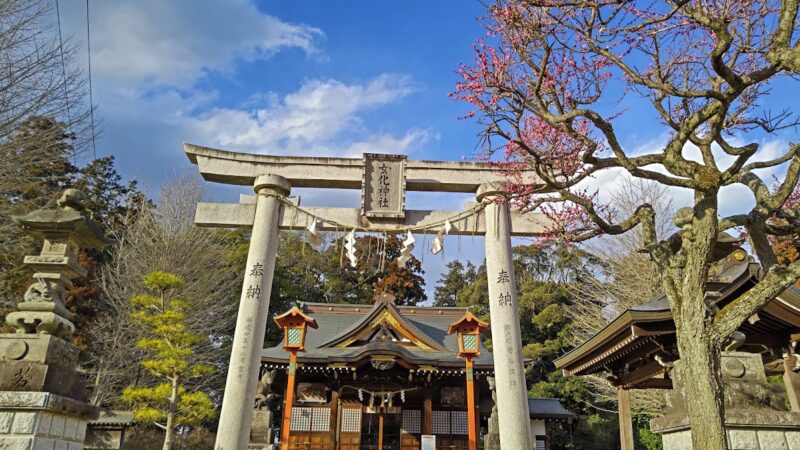
The grounds of Toyouke Kotai Jingu are known for their beautiful pond. The first torii gate stands on the edge of the pond, and the reflection of the surrounding forest on the water welcomes visitors. This pond is an important element in creating the tranquil atmosphere of the sacred area, and visitors can enjoy the changing seasons.
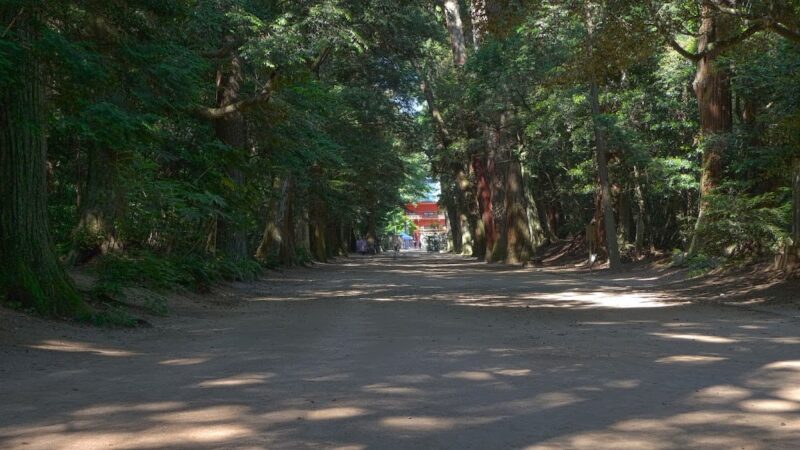
Passing through the torii gate, you’ll find a staircase leading into the grove of trees. Climbing the stone steps leads to the shrine building. The grounds are surrounded by lush greenery, offering a tranquil space far removed from the hustle and bustle of the city.
Shrine Building
The current shrine building has been maintained through several restorations since its construction by Tokugawa Mitsukuni during the Edo period. Its design is inspired by the style of the Outer Shrine of Ise Grand Shrine, characterized by its simple yet dignified appearance.
In front of the shrine building is the worship hall, where worship takes place. Similar to Ise Grand Shrine, the formal order of worship is to first visit the Outer Shrine (Toyouke Kōtaijingu) and then the Inner Shrine (Muramatsu Daijingu).
About Goshuin (Shrine Seals)
Toyouke Kōtaijingu offers goshuin (shrine seals). Goshuin are popular items sought after by many worshippers as proof of their visit.
Features of the Goshuin (Shrine Seal)
The goshuin of Toyouke Kōtaijingu Shrine features the shrine’s name written in ink and stamped with the shrine’s seal. It is characterized by a simple yet powerful brushstroke, a design that embodies the dignity of a shrine representing Ise faith.
Obtaining the Goshuin
Goshuin are given at the shrine office. After visiting the shrine, go to the office, leave your goshuin book, and have it inscribed. The offering fee is generally around 300 to 500 yen.
Those wishing to receive a goshuin are advised to visit during visiting hours. Furthermore, collecting the goshuin of both Toyouke Kōtaijingu Shrine and Muramatsu Daijingu Shrine completes a pilgrimage to Ibaraki’s version of Ise.
Basic Information about Toyouke Kōtaijingu Shrine
Location and Contact Information
Address: 662 Shirakata, Tōkai-mura, Naka-gun, Ibaraki Prefecture 319-1106 (or Shirakata Sawagashira)
Phone Number: 029-282-2369
When contacting us, you can inquire about questions regarding worship and the hours for receiving Goshuin (shrine stamps). Calling in advance will allow for a smoother visit.
Visiting Hours
While entry to the shrine grounds is generally free, the shrine office has limited operating hours. If you wish to receive a Goshuin or amulet, it is recommended to visit between 9:00 AM and 4:00 PM.
Admission Fee
Worship is free. Anyone can freely enter the grounds and worship.
Access Information
Access by Public Transportation
Nearest Station: JR Joban Line “Tokai Station”
Access Methods from Tokai Station:
- Taxi: Approximately 10 minutes by taxi from Tokai Station. This is the most reliable and convenient method. The fare is approximately 1,500 to 2,000 yen.
- Bus: If using the bus from Tokai Station, it is recommended to check the timetable in advance as the number of buses is limited.
- Walking: Walking from Tokai Station takes approximately 30 to 40 minutes. This is a good option for those who are fit or enjoy a stroll.
Access by Car
If using the Joban Expressway:
- Approximately 15 minutes from “Naka IC”
- Approximately 20 minutes from “Hitachi Minami-Ota IC”
Access is also possible from National Route 6. Head towards Tokai Village and follow the signs.
Parking
There is parking available for visitors on the shrine grounds. It is free to use, but spaces are limited, so caution is advised during busy times. Especially during events such as New Year’s visits and the annual festival, early arrival is recommended.
Relationship with Muramatsu Grand Shrine
When discussing Toyouke Kōtaijingu, its relationship with Muramatsu Grand Shrine, located in the same Tokai Village, is essential. The two shrines are considered a single object of worship, known as “Ise Shrine of Ibaraki.”
Relationship between the Inner and Outer Shrines
At Ise Grand Shrine, the formal order of worship is to visit the Outer Shrine (Toyouke Daijingu) first, followed by the Inner Shrine (Kōtaijingu). This is called “Geku-sensai” (Outer Shrine First Worship).
Similarly in Ibaraki, the formal method of worship is to visit Toyouke Kōtaijingu (Outer Shrine) first, followed by Muramatsu Grand Shrine (Inner Shrine). The two shrines are located about 10 minutes apart by car, making it possible to visit both on the same day.
Recommendation to Visit Both Shrines
To complete your pilgrimage to Ibaraki’s version of Ise Shrine, visiting both shrines is recommended. Each shrine enshrines a different deity and possesses different divine virtues, making a visit to both a more fulfilling experience.
Muramatsu Grand Shrine enshrines Amaterasu Omikami and is believed to bestow blessings of national peace and good fortune. Combined with the blessings of Toyouke Kōtaijingu Shrine for abundant harvests and industrial development, you can receive comprehensive protection.
Annual Events and Festivals
Toyouke Kōtaijingu Shrine holds various festivals throughout the year.
Main Annual Events
Reitaisai (Grand Festival): This is the most important festival, held every spring and autumn. Traditional Shinto rituals, such as the procession of the portable shrine and the dedication of Kagura (sacred dance), are performed.
New Year’s Festival: A festival celebrating the New Year held on January 1st, New Year’s Day. It is bustling with worshippers making their first shrine visit of the year.
Monthly Festival: A festival held regularly each month, praying for the maintenance of the shrine and the peace and prosperity of the community.
These festivals are important opportunities to preserve and pass on local traditions, attracting not only local residents but also worshippers from afar.
Recommended Tourist Spots Around Toyouke Kōtaijingu Shrine
Here are some tourist spots in the surrounding area that you might want to visit in conjunction with your visit to Toyouke Kōtaijingu Shrine.
Muramatsu Daijingu Shrine
As mentioned above, this shrine is considered the “Inner Shrine of Ibaraki,” and is a shrine you should visit together with Toyouke Kōtaijingu Shrine. It is located about 10 minutes by car from Toyouke Kōtaijingu Shrine. Characterized by its vast grounds and magnificent shrine buildings, it is one of Ibaraki Prefecture’s representative shrines, attracting many worshippers.
Tokai Village Nuclear Science Museum
A distinctive facility in Tokai Village is the science museum where you can learn about the peaceful use of nuclear energy. You can learn about the mechanisms of nuclear power generation and radiation through easy-to-understand exhibits. It’s about a 15-minute drive from Toyouke Kōtaijingu Shrine.
Akogigaura Park
A beautiful lakeside park, perfect for strolls and picnics. Enjoy cherry blossoms in spring and autumn leaves in fall, experiencing the beauty of nature throughout the seasons. It’s about a 20-minute drive from Toyouke Kōtaijingu Shrine.
Hitachi Seaside Park
A representative tourist spot in Ibaraki Prefecture, famous for its seasonal flowers such as nemophila in spring and kochia in autumn. It’s easily accessible, about a 25-minute drive from Toyouke Kōtaijingu Shrine. The vast grounds also include an amusement park and cycling courses, making it a place you can enjoy all day long.
Gourmet Information Around Toyouke Kōtaijingu Shrine
Here are some recommended gourmet spots in the surrounding area that you might want to visit before or after your visit to the shrine.
Seafood Cuisine
Ibaraki Prefecture faces the Pacific Ocean and is rich in fresh seafood. Around Tokai Village, there are many seafood restaurants using locally caught fish and shellfish. Monkfish, flounder, and mackerel are particularly famous specialties.
Hitachi Beef
Hitachi Beef, a brand of beef that Ibaraki Prefecture is proud of, is characterized by its fine marbling and tender texture. There are yakiniku (Japanese barbecue) restaurants and steak houses serving Hitachi Beef in the surrounding area.
Soba Restaurants
Northern Ibaraki Prefecture is also known as a soba (buckwheat noodle) producing area. Around Tokai Village, there are restaurants serving handmade soba made with locally produced buckwheat flour, making it a recommended meal after visiting the temple.
Guidelines for Visiting Toyouke-no-Omikami Shrine
Etiquette for Visiting Shrines
The basic etiquette for visiting a shrine is as follows:
- Bow before passing through the torii gate: This is a sign of respect before entering the sacred area.
- Purify yourself at the water basin: Purify your left hand, then your right hand, then your mouth.
- Walk along the edge of the path: The center is considered the path of the gods.
- Worship at the main hall: The basic procedure is two bows, two claps, and one bow.
Attire
There are no specific dress code requirements, but it is desirable to dress appropriately for a sacred place. Avoid revealing or overly flashy clothing, and aim for clean and presentable attire.
Photography
Photography is generally permitted within the shrine grounds, but it is considered good manners to refrain from taking pictures inside the shrine buildings or during religious ceremonies. Please be considerate of other visitors.
The Charms and Highlights of Toyouke Kōtaijingu Shrine
Historical Value
The ancient founding date of 709 AD (Wadō 2) and the history of reforms by Tokugawa Mitsukuni are major attractions of Toyouke Kōtaijingu Shrine. Its development as part of the Shinto Restoration Movement during the Edo period is an important case study for understanding Japanese religious history.
Natural Environment
The lush forest and beautiful pond surrounding the shrine grounds create a tranquil space that makes you forget the hustle and bustle of the city. Being able to worship while experiencing the changing seasons is another charm of this shrine.
Center of Ise Faith
Toyouke Kōtaijingu Shrine holds a special position as an important center of Ise faith in the Kanto area. In times when it was difficult to visit Ise Grand Shrine, this shrine played a significant role, and its traditions continue to this day.
Summary: Key Points for Visiting Toyouke Kōtaijingu Shrine
Toyouke Kōtaijingu Shrine is a venerable shrine with a history of over 1300 years. It is a shrine associated with Tokugawa Mitsukuni and is beloved by many visitors as the Outer Shrine of Ibaraki Prefecture.
When visiting, please keep the following points in mind:
- Visit in conjunction with Muramatsu Daijingu Shrine: Following the order of worship at the Outer Shrine first, visit Toyouke Kōtaijingu Shrine first.
- Obtaining a Goshuin (Shrine Seal): Obtain a Goshuin at the shrine office.
- Access: Approximately 10 minutes by taxi from Tokai Station, or convenient by car.
- Nearby Sightseeing: Visit nearby tourist spots such as Muramatsu Daijingu Shrine and the seaside park.
When visiting Ibaraki Prefecture, be sure to visit Toyouke Kōtaijingu Shrine and experience its history and tranquil atmosphere. This shrine, which preserves the traditions of Ise faith, continues to be loved by many as a place to calm the mind and gain new vitality.
As a rare opportunity to experience an authentic Ise pilgrimage in the Kanto area, visiting both Toyouke Kōtaijingu Shrine and Muramatsu Daijingu Shrine will be one of the highlights of sightseeing in Ibaraki. We hope that your experience of visiting these historic shrines will become a memorable one for you.