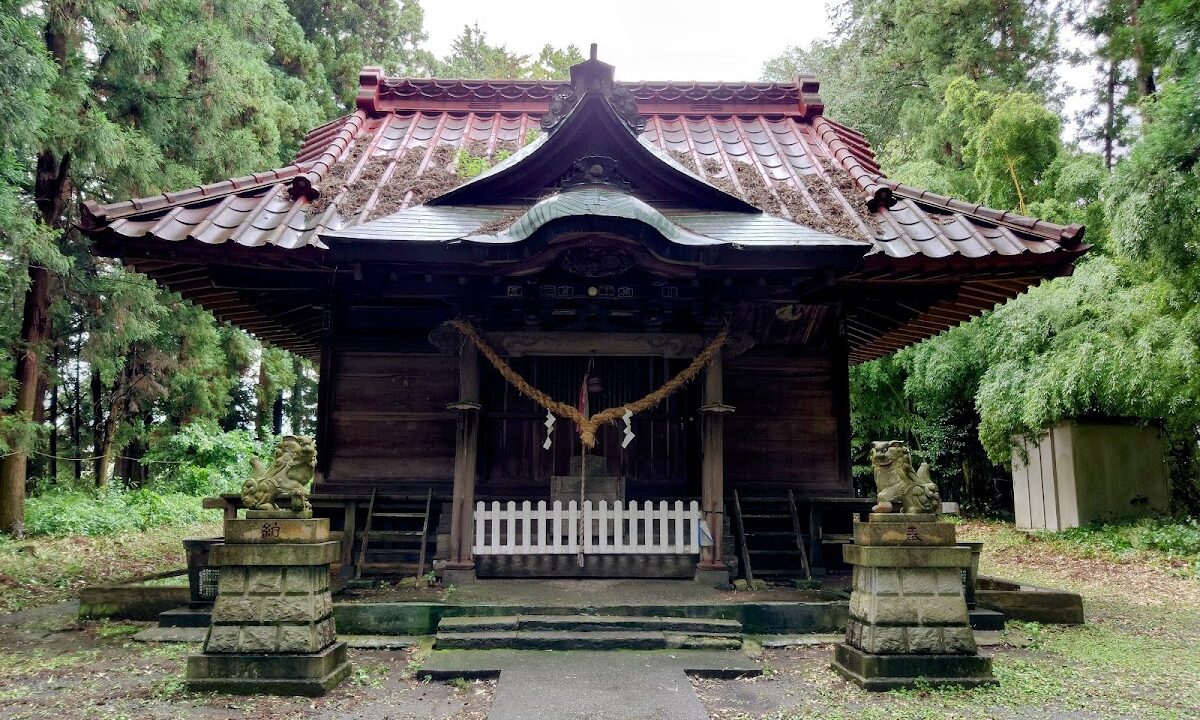
Complete Guide to Tsukuba Shrine (Naka City, Ibaraki Prefecture) | Thorough Explanation of Deities, Blessings, Access, and Highlights
Tsukuba Shrine, located in Naka City, Ibaraki Prefecture, is a venerable shrine deeply intertwined with the local history. This article provides a detailed explanation of Tsukuba Shrine’s historical background, enshrined deities, blessings, highlights within the grounds, access methods, annual events, and other information you should know before visiting.
Basic Information about Tsukuba Shrine
Location and Access
Tsukuba Shrine is a shrine located in Naka City, Ibaraki Prefecture, and is beloved by local residents.
Location: Naka City, Ibaraki Prefecture
Access Method:
- Access by Train: Accessible on foot or by taxi from the nearest station via the JR Suigun Line.
- Access by Car: Approximately 15 minutes by car from the Naka Interchange on the Joban Expressway. Parking is available on the shrine grounds or nearby.
- Access by Bus: Local community buses and regular bus routes are also available.
Visiting Hours and Admission Fee
- Visiting Hours: Generally open all day (Shrine office hours are approximately 9:00 AM to 5:00 PM)
- Admission Fee: Free
- Goshuin (Shrine Stamp) Reception: Available during shrine office hours
History and Origins of Tsukuba Shrine
History of Founding
There are various theories regarding the founding date of Tsukuba Shrine, but it has long been a center of faith in the Naka region. The name “Tsukuba” suggests a connection to Mount Tsukuba, a sacred mountain representative of Ibaraki Prefecture, and it is possible that the shrine is a descendant of the Tsukuba Mountain faith.
Connection to the Region
Naka City is located in the Kuji River basin and has long been a region where agriculture thrives. Tsukuba Shrine has functioned as the local tutelary deity, a place to pray for abundant harvests and peace in the region. During the Edo period, it was under the influence of the Mito Domain and is thought to have been developed as a center of local faith.
Changes since the Meiji Era
Many shrines were reorganized due to the Meiji-era separation of Shinto and Buddhism, and Tsukuba Shrine was no exception. Even in the modern era, it continued to attract the faith of local residents and has been carefully preserved to this day.
Deities and Divine Virtues
Main Deities
Regarding the deities enshrined at Tsukuba Shrine, it is believed that the following gods are worshipped due to their connection to the worship of Mount Tsukuba:
- Tsukuba Otoko-no-Okami (Izanagi-no-Mikoto): A male deity appearing in the creation myth of Japan.
- Tsukuba Onna-no-Okami (Izanami-no-Mikoto): Izanagi’s wife and the goddess who gave birth to many gods.
These deities are known as a married couple and are believed to bestow blessings of matchmaking, marital harmony, and prosperity of descendants.
Enshrined Deities
There is a possibility that local guardian deities and agricultural deities are enshrined together, so you can expect blessings for a bountiful harvest and business prosperity.
Blessings of Tsukuba Shrine
The main blessings you can expect at Tsukuba Shrine are as follows:
Matchmaking and Romantic Fulfillment
Because it enshrines a married couple of deities, it is popular with worshippers seeking good relationships. Many people visit to pray for romantic fulfillment and marriage.
Marital Harmony and Family Safety
The married couple deities Izanagi and Izanami are symbols of marital harmony. It is suitable for worshippers praying for peace in the home and a harmonious marital relationship.
Prayer for Conception and Safe Childbirth
Due to the divine virtues of Izanami-no-Mikoto, who gave birth to many gods, worshippers visit to pray for children and safe childbirth.
Abundant Harvest and Business Prosperity
As the guardian deity of agricultural regions, you can expect blessings for a bountiful harvest and business prosperity.
Protection from Evil and Good Fortune
As the gods of creation, they are believed to offer protection from evil and good fortune at new beginnings and life’s milestones.
Highlights of the Shrine Grounds
Main Hall and Worship Hall
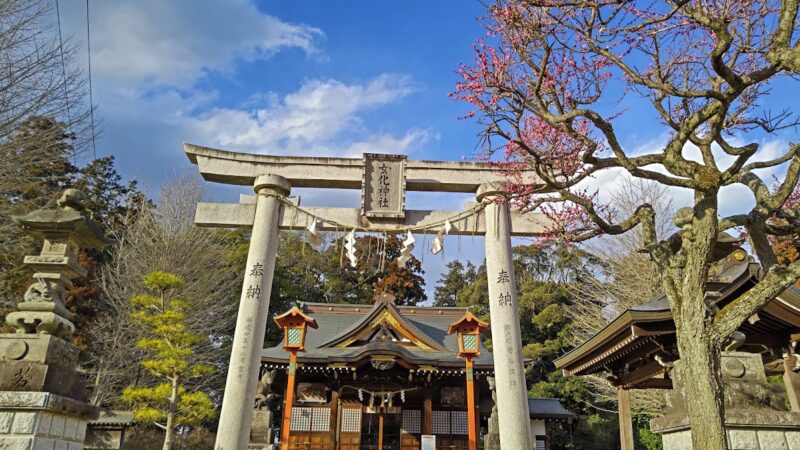
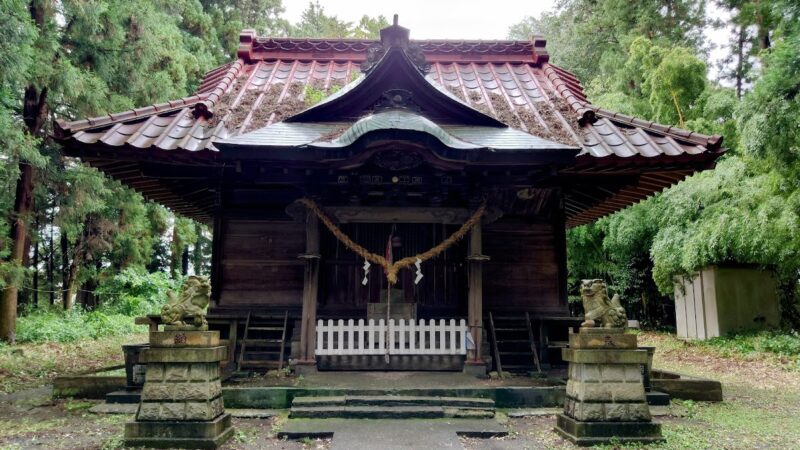
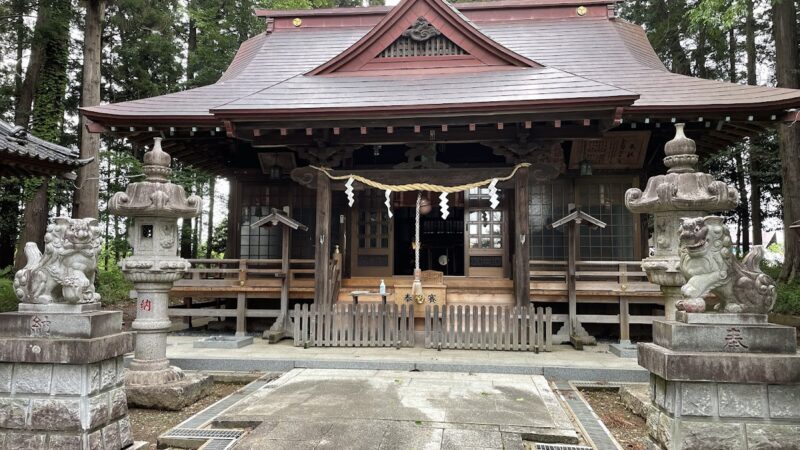
The main hall of Tsukuba Shrine is built in the traditional style of shrine architecture. The worship hall provides a solemn atmosphere where visitors can quietly offer their prayers.
Torii Gate and Approach
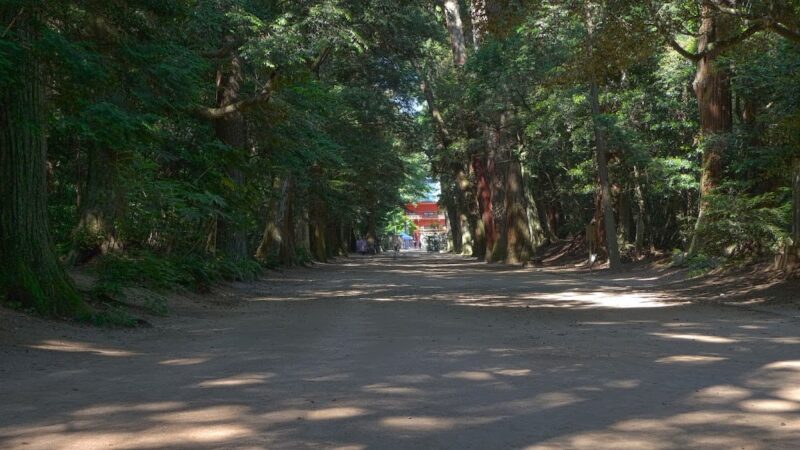
A torii gate stands at the entrance to the shrine, and a path leads from there to the main hall. Walking along the path, purifying your mind, and entering the sacred area is a special experience away from everyday life.
Subsidiary Shrines
Several subsidiary shrines (subsidiary shrines/outlying shrines) may be enshrined around the main hall. Each of these small shrines enshrines a different deity, bestowing various blessings.
Sacred Tree
Within the shrine grounds stands a magnificent, ancient sacred tree, creating a sacred atmosphere. It is believed that gods reside in these ancient trees, making it a popular power spot for worshippers.
Water Basin
There is a water basin for purifying the body and mind before worship. Please purify your hands and mouth using the correct etiquette before praying.
Annual Events and Festivals
Grand Festival
Tsukuba Shrine holds its annual Grand Festival every year. This is an important festival where local people gather for a portable shrine procession and offering ceremonies.
New Year’s Visit
Many worshippers visit the shrine in the New Year to pray for peace and happiness throughout the year. It is especially lively from New Year’s Day to the third day.
Setsubun Festival
During Setsubun in February, events such as bean-throwing are held to ward off evil and invite good fortune.
Shichi-Go-San Festival
In autumn, families can be seen visiting the shrine for Shichi-Go-San. This is an important event to pray for the healthy growth of children.
Monthly Festival
A monthly festival is held regularly each month to pray for the peace and prosperity of the community and its parishioners.
Etiquette and Manners for Visiting a Shrine
Basic Etiquette for Visiting a Shrine
- Passing Through the Torii Gate: Bow before entering the shrine grounds.
- Purifying at the Water Basin: Purify your hands at the water basin in the order of left hand, right hand, and mouth.
- Walking the Path: The center of the path is the path of the gods, so walk along the sides.
- Worshiping at the Main Hall: Worship using the two bows, two claps, and one bow ritual.
- Expressing Gratitude: Express your gratitude in addition to making requests.
Attire for Visiting a Shrine
There are no specific dress code requirements, but be mindful that this is a sacred place and wear clean, understated clothing.
Photography Etiquette
Photography is generally permitted on the shrine grounds, but refrain from taking photos inside the main hall or during religious ceremonies. Please be considerate of other visitors.
Goshuin (Shrine Seals) and Amulets
Goshuin (Shrine Seals)
You can receive a goshuin at Tsukuba Shrine. Please bring your goshuincho (seal book) and request one during the shrine office’s opening hours. The offering fee is generally around 300 to 500 yen.
Amulets and Souvenirs
The shrine’s office offers a variety of amulets and lucky charms:
- Matchmaking Amulet: For those wishing for a good relationship
- Safe Childbirth Amulet: For pregnant women and those expecting a child
- Exorcism Amulet: For those in their unlucky year or seeking protection from misfortune
- Traffic Safety Amulet: For safe driving and cycling
- Academic Success Amulet: For students taking exams or those wishing for academic improvement
Nearby Tourist Attractions
Highlights of Naka City
When visiting Tsukuba Shrine, be sure to also explore the tourist attractions around Naka City:
- Shizumine Furusato Park: A park known for its double cherry blossoms
- Naka City Historical and Folk Museum: A facility where you can learn about the history and culture of the region
- Kuji River: Enjoy a stroll along the clear stream and observe nature
- Michi-no-Eki Goka: Enjoy local specialties and gourmet food
Nearby Shrines and Temples
Ibaraki Prefecture has many historical shrines and temples. If you have time, why not visit some of the nearby temples and temples?
The Charm and Characteristics of Tsukuba Shrine
A Faith Rooted in the Community
The greatest charm of Tsukuba Shrine is that it has been deeply loved by the local residents for generations. Unlike large, touristy shrines, it has a warm atmosphere that is closely intertwined with the lives of the local people.
A Quiet Worship Environment
It is not crowded, providing an environment where you can worship at your own pace. You can reflect on yourself and calm your mind in the silence.
Connection to Tsukuba Mountain Faith
The connection to Tsukuba Mountain, a symbol of Ibaraki Prefecture, speaks to the historical and religious depth of this shrine. It is a valuable place where you can experience a part of Tsukuba Mountain faith.
Preparations and Advice Before Visiting
Things to Check Beforehand
- Shrine Office Opening Hours: Check in advance if you wish to obtain a Goshuin (shrine stamp) or amulet.
- Festival Schedule: Check the annual schedule if you wish to participate in special events.
- Weather: The shrine grounds are outdoors, so prepare for rain.
- Parking Information: Check parking availability if visiting by car.
Useful Items to Bring
- Goshuincho (stamp book) (for those collecting Goshuin stamps)
- Offering (small change)
- Camera (for commemorative photos)
- Seasonal Clothing (protection against heat in summer, protection against cold in winter)
Interaction with the Community
Involvement with the Local Community
Tsukuba Shrine also functions as a place to deepen bonds among residents through local festivals and events. The parishioners’ organization and support association support the maintenance and management of the shrine, passing on traditions to future generations.
Volunteer Activities
Volunteer activities by local residents, such as cleaning the shrine grounds and preparing for festivals, are carried out. These activities are a major force supporting the shrine.
The Future of Tsukuba Shrine
Inheritance of Tradition
Amidst declining birth rates and an aging population, local shrines face the challenge of preserving tradition. At Tsukuba Shrine, passing on faith to younger generations and maintaining festivals are important themes.
Contribution to Regional Revitalization
Shrines serve as the core of regional identity and possess value as tourist resources and cultural assets. They are also expected to play a role as a hub for regional revitalization.
Summary
Tsukuba Shrine in Naka City, Ibaraki Prefecture, is a historical shrine rooted in the Tsukuba Mountain faith, known for its blessings related to matchmaking, marital harmony, fertility, and abundant harvests. It offers a warm, community-rooted atmosphere, providing a quiet environment for worship and prayer.
When you visit Naka City, be sure to stop by Tsukuba Shrine and experience its history and divine blessings. You’ll surely feel the charm of this shrine that has been cherished by the local people for generations.
We hope that through your visit, you will be able to connect with traditional Japanese culture and local history, and enjoy a truly enriching experience.