Complete Guide to Shokoji Temples | A Summary of History, Characteristics, and Access Information for Shokoji Temples Nationwide
There are multiple temples named Shokoji throughout Japan. Each has a different history and characteristics, and has long been cherished as a center of local faith. This article provides a detailed explanation of the history, sect, characteristics, and access methods for major Shokoji temples nationwide.
What is Shokoji?
The name Shokoji is used throughout Japan to represent “correct light,” that is, the teachings of Buddhism. Temples of various sects, such as Jodo-shu, Tendai-shu, Rinzai-shu, and Jodo Shinshu, bear this name, and each is deeply rooted in the history and culture of its region.
Despite sharing the same name, the circumstances of their founding, principal images, architectural styles, and cultural artifacts vary greatly from temple to temple. Therefore, when visiting a Shokoji temple, it is important to confirm which region and sect it belongs to.
Introduction to the Main Shokoji Temple
Shokoji Temple (Kita Ward, Tokyo)
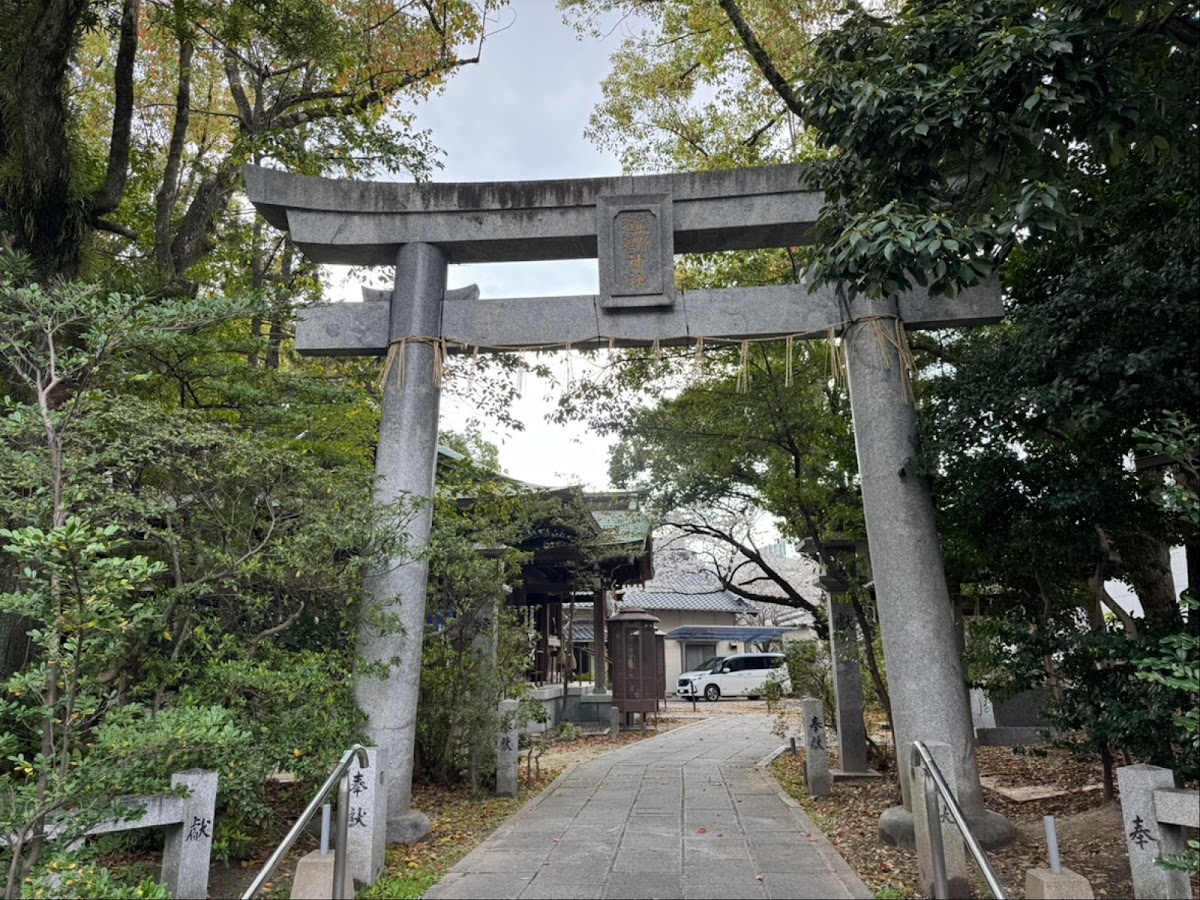
Located in Iwabuchi-cho, Kita Ward, Tokyo, Shokoji Temple is known as a Jodo sect temple. Its mountain name is Tennozan, and its temple name is Fuchifuin.
History and Founding
The temple’s founding dates back to the Kamakura period. It was founded by Ryōchū Shōnin as the founding priest and Ishiwata Minbu Shōyū Yasuchika as the patron. Initially located on the banks of the Arakawa River, it was called “Saikōji,” but later renamed to its current name, “Shokoji.”
Ryōchū Shōnin was a high-ranking priest of the Jodo sect during the Kamakura period and made significant contributions to the development of the Jodo sect’s Seizan and Chinzei branches. The historical importance of Shokoji Temple is evident from its distinguished founding priest.
Facilities and Features
The main hall and other major facilities are maintained through the support of local parishioners and believers. The temple grounds retain historical stone monuments and gravestones, serving as valuable historical resources that convey the region’s history to the present day.
Currently, the temple also houses the Shokoji Nursery School, functioning as a hub for local childcare support. Its distinctive feature is its balance of traditional temple functions with modern social contribution activities.
Access Information
The nearest stations are Akabane Station on the Tokyo Metro Namboku Line and JR Keihin-Tohoku Line, or Shimo Station on the Tokyo Metro Namboku Line. It is easily accessible on foot from the station and has good access from central Tokyo.
Shokoji Temple (Sodegaura City, Chiba Prefecture)
Located in Kuraba, Sodegaura City, Chiba Prefecture, Shokoji Temple is a historical temple founded in 1339 (Keiei 6).
History and Origins
Founded during the Nanboku-cho period, this temple boasts a history of nearly 700 years. From the medieval to the early modern period, it played an important role as a center of local faith.
Characteristics of the Jizo Statues
The most distinctive feature of Shokoji Temple is the more than 100 Jizo statues enshrined within its grounds. These statues were dedicated with prayers for the healthy growth of children and the safety of families, creating a unique atmosphere for visitors.
The sight of so many Jizo statues lined up is breathtaking and a popular photo spot. Each statue embodies the wishes of its donor, reflecting the deep faith of the local people.
Access Information
The nearest station is Nagaura Station on the JR Uchibo Line. From the station, it is convenient to use a bus or taxi. If traveling by car, the nearest interchange is Anesaki-Sodegaura IC on the Tateyama Expressway.
Shokoji Temple (Fukuoka Prefecture)
Located in Fukuoka Prefecture, Shokoji Temple is a Jodo-shu Chinzei-ha temple with the formal name Kinjuzan Jizoin Shokoji.
History and Founding
Founded in 1607 (Keicho 12) by Shoyo Shonin Kentei of Orensha, this temple has a history dating back to the early Edo period. It was later relocated to its current location in 1687 (Jokyo 4).
With a history spanning over 400 years since its founding, it has functioned as a center of Jodo Buddhism faith in the region from the Edo period to the present day.
Facilities and Activities
In addition to major facilities such as the main hall and priest’s quarters, the temple also has a cemetery and ossuary. Regular memorial services and events are held, and the temple has strong ties with local parishioners and believers.
Access Information
The temple is easily accessible from Fukuoka City by public transport or private car. For specific location information, it is recommended to contact the temple in advance.
Shokoji Temple (Tomakomai City, Hokkaido)
Located in Tomakomai City, Hokkaido, Shokoji Temple is a Jodo Shinshu Honganji-ha (Nishi Honganji) temple.
History and Characteristics
Founded in 1920 (Taisho 9), it is classified as a relatively old temple in Hokkaido. Located on the coast south of the city center of Tomakomai, it has developed alongside Tomakomai as a port town.
It has a history of serving as a center of faith during the Hokkaido pioneering era, providing spiritual support to settlers.
Services Offered
The temple offers Buddhist services such as interment and cremation, meeting the end-of-life planning and memorial needs of local residents. An official website is also available for various consultations and inquiries.
Access Information
Located south of the city center of Tomakomai, near the coast. Accessible by bus or taxi from JR Tomakomai Station.
Shoko-ji Temple (Utsunomiya City, Tochigi Prefecture)
Shoko-ji Temple, located in Suzumenomiya, Utsunomiya City, Tochigi Prefecture, is a Tendai sect temple.
Modern Activities
This temple is characterized by its active engagement in modern activities despite being a traditional temple. It regularly holds experiential programs such as Zen meditation sessions and sutra copying sessions, providing a wide range of opportunities to experience Buddhism.
It also hosts various workshops and events, functioning as a hub for community interaction. The temple actively uses social media for information dissemination, updating its Facebook page with daily activities and events.
Facility Use
The temple welcomes visitors with an open attitude, inviting them to ring the bell. It also undertakes modern attempts to practice Buddhist teachings, such as the “eko” offering initiative.
Access Information
The temple is accessible by bus from JR Utsunomiya Station and is located in the Suzumiyacho area. Parking is available, making it convenient for visitors arriving by car.
Shoko-ji Temple (Hamamatsu City, Shizuoka Prefecture)
Shoko-ji Temple, located in Toyo-cho, Higashi-ku, Hamamatsu City, Shizuoka Prefecture, is a Rinzai Zen temple.
Features and Activities
As a Rinzai Zen temple, it emphasizes Zen meditation and Zen teachings. It values its connection with visitors, regularly issuing limited-edition Goshuin (temple stamps).
The Goshuin include explanatory texts, allowing visitors to learn about the Buddhist meaning and origin of the month. Special arrangements are also made for Buddhist events such as the equinox.
Access Information
Located in Toyo-cho, Higashi-ku, Hamamatsu City, it is accessible by public transport and private car. Telephone inquiries are accepted in advance.
Shoko-ji Temple (Akiruno City, Tokyo)
Located in Akiruno City, Tokyo, Shoko-ji Temple is known as a temple with an attached cemetery.
Cemetery Functions
As a cemetery, it offers services such as perpetual memorial services and general burial plots. Despite being in Tokyo, it is situated in a naturally rich environment, providing a quiet and peaceful atmosphere for remembering loved ones.
We accept requests for brochures and tours, and our characteristic feature is our thorough guidance for those considering a burial plot.
Access Information
The nearest stations are Akigawa Station or Musashi-Itsukaichi Station on the JR Itsukaichi Line. While it’s a bit far from the city center, this contributes to a quiet and peaceful environment.
Points to Note When Visiting Shokoji Temple
Etiquette for Visiting
When visiting a temple, it’s important to observe basic etiquette. Bow at the main gate before entering the grounds, and offer prayers at the main hall. Photography is only permitted in designated areas, and please be mindful of maintaining silence.
Dress Code
Unless you are attending a special memorial service, clean and presentable attire is acceptable. However, overly casual or revealing clothing should be avoided.
Visiting Hours and Admission Fees
While admission is free at most Shokoji temples, there may be fees for viewing special cultural artifacts or participating in events. Visiting hours also vary by temple, so it’s recommended to check in advance.
About Offerings
While offerings during your visit are optional, they are used for the maintenance and upkeep of the temple. It is recommended to place an amount you feel comfortable with in the offering box.
Differences in Shoko-ji Temple by Sect
Jodo-shu Shoko-ji Temple
At Jodo-shu Shoko-ji Temple, Amida Buddha is the principal deity, and the chanting of “Namu Amida Butsu” is emphasized. Ceremonies and events are conducted based on the teachings of Jodo-shu, which considers Honen Shonin as its founder.
Tendai-shu Shoko-ji Temple
At Tendai-shu Shoko-ji Temple, practices and ceremonies are conducted based on the teachings of Tendai-shu, which considers Mount Hiei Enryaku-ji Temple as its head temple. A distinctive feature is the incorporation of various training methods, such as Zen meditation and sutra copying.
Rinzai-shu Shoko-ji Temple
At Rinzai-shu Shoko-ji Temple, Zen practice is emphasized, aiming for enlightenment through Zen meditation. The use of koans (Zen dialogues) in training is also a distinctive feature.
Jodo Shinshu Shokoji Temple
At Shokoji Temple, a Jodo Shinshu temple, the most important thing is faith in the original vow of Amida Buddha, based on the teachings of Shinran Shonin. The philosophy of reliance on the power of others is central.
What you can experience at Shokoji Temple
Zen Meditation Experience
Some Shokoji temples hold regular Zen meditation sessions. Instruction for beginners is also provided, allowing you to learn the basics of Zen. It is a valuable opportunity to calm your mind and confront yourself.
Sutra Copying Experience
Sutra copying experiences, such as copying the Heart Sutra, are also popular. By concentrating on writing, you can calm your mind and connect with the teachings of Buddhism. Completed sutras can be dedicated to the temple or taken home.
Dharma Talks
Opportunities to listen to Dharma talks by the head priest are also provided. The teachings of Buddhism are explained in an easy-to-understand way, deepening your understanding of Buddhism.
Participation in Annual Events
Various events are held throughout the year, including New Year’s Day visits to shrines, spring and autumn equinox services, and Obon memorial services. Participating in these events allows you to experience traditional Japanese culture and Buddhist traditions.
Cultural Assets and Highlights of Shoko-ji Temples
Each Shoko-ji temple has its own unique cultural assets and highlights.
Buddhist Statues and Paintings
Buddhist statues and paintings, including the principal image, are important cultural assets that tell the history and faith of each temple. Some are designated as cultural properties by the municipalities.
Architecture
Architectural structures such as the main hall and temple gate are also highlights. Some temples retain buildings from the Edo and Meiji periods, allowing visitors to learn about the architectural techniques and styles of that time.
Gardens
Some Shoko-ji temples, especially Zen temples, boast beautiful gardens. Dry landscape gardens, where the spirit of Zen is expressed through stone arrangements and plantings, soothe the souls of those who view them.
Stone Monuments and Gravestones
The old stone monuments and gravestones remaining on the temple grounds are valuable historical materials that convey the history of the region. Sometimes, graves of influential figures from the Edo period or monuments commemorating historical events remain.
Shoko-ji Temple and the Local Community
Danka System
Many Shoko-ji temples maintain the danka system (parishioner system) and operate within strong ties with their parishioners. Parishioners financially support the maintenance and management of the temple, while the temple performs ancestral memorial services and funerals for the parishioners.
Community Hub
Modern Shoko-ji temples function not merely as religious facilities but also as community hubs. They engage in diverse social contribution activities, such as holding various events and workshops, and operating a nursery school.
Cultural Inheritance
Temples also play a role in inheriting the traditional culture of the region. They continue to pass on the history and culture of the region to future generations through festivals and annual events.
Modern Initiatives at Shokoji Temple
Information Dissemination via Social Media
Many Shokoji temples utilize social media platforms such as Facebook and Instagram to disseminate information. They strive to make the temple more accessible to a wider audience by sharing event announcements, daily temple activities, and Buddhist teachings.
Online Memorial Services
Some temples have begun offering online memorial services following the COVID-19 pandemic. Efforts are being made to allow participation from parishioners living far away or those who are elderly and have difficulty leaving their homes.
End-of-Life Support
In response to the needs of modern society, an increasing number of Shokoji temples are offering services such as end-of-life consultations and perpetual memorial services. They provide support for various matters, including cemetery management and memorial service methods.
How to Contact Shokoji Temple
If you wish to check opening hours or event schedules before visiting Shokoji Temple, you can contact them using the following methods:
Telephone Inquiries
You can find the telephone numbers of each temple through internet searches or temple search websites. It is generally recommended to contact them between 9 AM and 5 PM.
Inquiries via Official Website
Temples with official websites can also be contacted via their inquiry forms. Email inquiries have the advantage of being able to be sent at any time.
Inquiries via Social Media
Temples with Facebook or Instagram accounts can also be contacted via direct message. However, replies may take some time.
Summary
Temples named “Shokoji” exist throughout Japan, each with its own unique history and characteristics. They belong to diverse sects, including Jodo-shu, Tendai-shu, Rinzai-shu, and Jodo Shinshu, and their founding dates range widely from the Kamakura period to the Taisho period.
For example, Shokoji in Kita Ward, Tokyo, is a historic Jodo-shu temple founded in the Kamakura period; Shokoji in Sodegaura City, Chiba Prefecture, is characterized by its more than 100 Jizo statues; and Shokoji in Utsunomiya City, Tochigi Prefecture, is a Tendai-shu temple actively engaged in modern activities. Each temple possesses its own unique charm.
When visiting a temple, it’s important to check the location, opening hours, and access methods beforehand, and to dress appropriately and observe proper etiquette. Participating in experiential programs such as Zen meditation or sutra copying will allow you to experience Buddhist culture more deeply.
Modern Shoko-ji Temple, while fulfilling its role as a traditional religious institution, is also undertaking new initiatives to meet the needs of the times, such as disseminating information on social media, serving as a community hub, and providing end-of-life support.
Shoko-ji Temples throughout Japan will continue to be a spiritual haven for people in their respective regions, and will continue to walk hand in hand with local communities as important institutions that convey Japanese Buddhist culture and traditions to the present day.