About Terumo Shrine
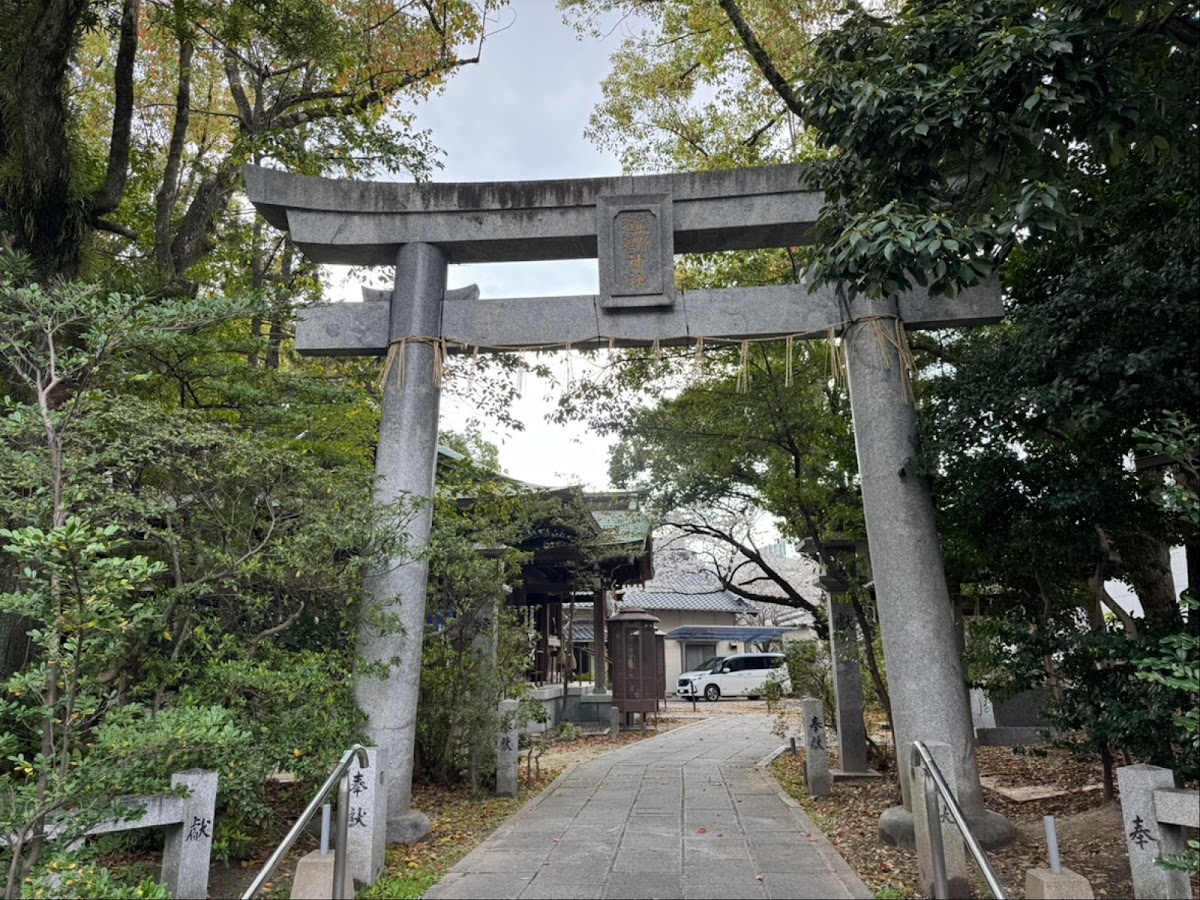
Terumo Shrine is a Shinto shrine located on the site of Fukuoka Castle (within Maizuru Park) in Chuo Ward, Fukuoka City. It enshrines two deities: Kuroda Yoshitaka (Kanbei/Josui), the ancestor of the Kuroda family, and Kuroda Nagamasa, the first lord of the Fukuoka Domain.
It was founded in 1876 (Meiji 9) at the request of former Fukuoka Domain samurai to commemorate the achievements of the Kuroda family. The shrine’s name, “Terumo,” is derived from one character each from Kanbei’s posthumous Buddhist name, “Ryukoin-dono Josui Ensei,” and Nagamasa’s posthumous Buddhist name, “Koun-in-dono Nichiho Soko.”
Introduction to the Enshrined Deities
Kuroda Yoshitaka (Kanbei/Josui)
A renowned general of the Sengoku period, known as Toyotomi Hideyoshi’s strategist. He achieved numerous military successes with his excellent strategic vision and negotiation skills, earning him the nickname “Imakusunoki” (the modern camphor tree). During the Battle of Sekigahara, he contributed significantly to the Eastern Army’s victory in Kyushu, laying the foundation for his son Nagamasa’s 520,000-koku domain in Chikuzen Province.
Kuroda Nagamasa
He greatly contributed to the victory of the Eastern Army led by Tokugawa Ieyasu at the Battle of Sekigahara, and was granted 520,000 koku in Chikuzen Province, becoming the first lord of the Fukuoka Domain. He built Fukuoka Castle and developed the foundation of the castle town. He was a renowned general, renowned for his military prowess, and led a group of retainers known as the “Kuroda Twenty-Four Knights.”
Points to Note During Your Visit
Main Hall and Worship Hall
The main hall dates back to its founding in 1876 (Meiji 9) and is located on a hill near the site of the Fukuoka Castle’s main keep. The Kuroda family crest, the “Fuji Tomoe crest,” is displayed in front of the worship hall, indicating its connection to the Kuroda family.
When visiting, please offer your prayers respectfully using the two bows, two claps, and one bow ritual.
Mori Tahei and the Famous Spear “Nihongo”
Within the shrine grounds stands a monument honoring Mori Tahei, one of the 24 Kuroda warriors. Tahei is famous for the folk song “Kuroda-bushi” and is known for the anecdote of winning the famous spear “Nihongo” from Fukushima Masanori through drinking.
“Nihongo” is currently housed in the Fukuoka City Museum and is designated as a National Important Cultural Property. Koun Shrine also offers amulets and votive tablets related to this anecdote.
Kuroda-bushi Monument
Within the shrine grounds stands a stone monument inscribed with the lyrics of “Kuroda-bushi.”
> Drink, drink the sake, if you’re going to drink, drink enough to win this spear, the finest in Japan, if you’re going to drink, then you are a true Kuroda warrior.
Many visitors take commemorative photos in front of this monument, making it a spot where you can feel the history and culture of Fukuoka.
Shrines and Highlights
Several shrines are enshrined within the grounds.
- Three Shrines: Enshrining Arakuma Inari Shrine, Omiya Shrine, and Tenmangu Shrine
- Imamasu Inari Shrine: Deity of business prosperity and family safety
- Takeuchi Shrine: Deity of longevity, enshrining Takeuchi no Sukune
Each shrine offers its own blessings, so it is recommended to visit them after visiting the main shrine.
Blessings and Amulets
Main Blessings
Koun Shrine, which enshrines two warlords who survived the Sengoku period, attracts worshippers for the following blessings.
- Good Fortune and Prosperity: The power to overcome difficulties
- Victory and Success: For competitions such as exams, job hunting, and sports
- Business Prosperity: Success and development of business
- Family Safety: Health and peace for the family
- Exorcism: Protection from misfortune and good health
Especially during exam season, many visitors come to pray for success.
Popular Amulets and Items
- Victory Amulet: An amulet for improving luck in competitions
- Nihongo Amulet: An amulet related to the anecdote of Mori Tahei
- Goshuin (Shrine Seal): In addition to regular goshuin, seasonal goshuin are also available
- Kuroda Family Crest Amulet: An amulet adorned with the wisteria crest
The amulets are available at the shrine office and can be received during visiting hours.
Annual Events
Main Festivals
- January 1st: New Year’s Day Festival (A celebration of the New Year)
- April 24th: Spring Grand Festival (Memorial service on the anniversary of Kuroda Nagamasa’s death)
- August 29th: Autumn Grand Festival (Memorial service on the anniversary of Kuroda Kanbei’s death)
- November 15th: Shichi-Go-San Prayer Ceremony
The Spring and Autumn Grand Festivals are solemn ceremonies attended by people associated with the Kuroda family and their devotees.
Access Information
Location
13-1 Nishikoen, Chuo-ku, Fukuoka City, Fukuoka Prefecture 810-0043 (within Maizuru Park)
Access by Train
Using Fukuoka City Subway
- Get off at Ohori Park Station on the Airport Line: Approximately 8 minutes on foot (nearest station)
- Get off at Akasaka Station on the Airport Line: Approximately 10 minutes on foot
From Ohori Park Station, walk through Maizuru Park towards Fukuoka Castle Ruins. Following the signs will prevent you from getting lost.
Using Nishitetsu Bus
- Get off at Fukuoka Castle/Korokan-mae bus stop: Approximately 5 minutes on foot
- Get off at Otemon/Heiwadai Athletic Stadium Entrance bus stop: Approximately 8 minutes on foot
Numerous bus routes operate from the Tenjin area.
Access by Car and Parking
From the Expressway
- Fukuoka Urban Expressway “Nishi-Koen Ramp”: Approximately 5 minutes
- Fukuoka Urban Expressway “Momochi Ramp”: Approximately 7 minutes
Parking Information
Maizuru Park has several parking lots.
- Maizuru Park Parking Lot 1: Approximately 60 spaces for regular cars (paid)
- Ohori Park Parking Lot: Approximately 100 spaces for regular cars (paid, approximately 10 minutes on foot)
During peak seasons such as New Year’s and cherry blossom season, parking lots often fill up, so we recommend using public transportation.
Visiting Hours and Shrine Office Reception
- Visiting Hours: Open all day (grounds freely accessible)
- Shrine Office Reception Hours: 9:00 AM – 5:00 PM
- Goshuin (Shrine Seal) and Amulet Issuance: During shrine office reception hours
Nearby Tourist Attractions
Fukuoka Castle Ruins (Maizuru Park)
The Fukuoka Castle Ruins, where Koun Shrine is located, were built by Kuroda Nagamasa. Currently, it is maintained as Maizuru Park, and remains such as the castle tower base, multi-story turret, and tide-viewing turret remain. In spring, it is a famous cherry blossom viewing spot, with approximately 1,000 cherry trees in full bloom.
Korokan Ruins Exhibition Hall
The remains of an ancient guesthouse located in a corner of the Fukuoka Castle Ruins. The remains of a facility that welcomed foreign envoys during the Heian period have been excavated and can be viewed free of charge.
Ohori Park
A park within walking distance, a popular recreational spot for Fukuoka citizens. Centered around a pond approximately 2km in circumference, the area features a Japanese garden, art museum, and cafe, making it ideal for a stroll.
Fukuoka Art Museum
An art museum located within Ohori Park. It boasts a wide-ranging collection, from ancient art to contemporary art, and also houses items related to the Kuroda family.
Summary
Koun Shrine is a historic shrine dedicated to Kuroda Kanbei and Nagamasa, father and son who laid the foundation of Fukuoka. Visitors constantly come seeking good fortune and victory, and within the historical setting of the Fukuoka Castle ruins, you can feel the romance of the Sengoku period.
When sightseeing in Fukuoka, be sure to visit Koun Shrine in conjunction with exploring Ohori Park and the Fukuoka Castle ruins. It’s a valuable spot where you can experience Fukuoka’s unique history and culture, including the Kuroda-bushi monument and the anecdote of the Nihongo sword.