Complete Guide to Hyozu Taisha Shrine | A Myojin Taisha Shrine in Yasu City, Shiga Prefecture with a 1300-Year History
Hyozu Taisha Shrine, located in Yasu City, Shiga Prefecture, is an ancient shrine boasting a history of over 1300 years, said to have been founded in 718 AD. Its official name is “Hyozu Jinja,” but it is commonly referred to as “Hyozu Taisha.” It is a Shikinaisha (Myojin Taisha) listed in the Engishiki Jinmyocho (a list of shrines compiled in the Heian period), and its former rank was Prefectural Shrine. Its Heian period garden is designated a National Place of Scenic Beauty, and it is one of Shiga Prefecture’s representative shrines, possessing many cultural assets, including a gate said to have been donated by Ashikaga Takauji.
History and Origins of Hyozu Taisha Shrine
Legends of Founding and Relocation
The origins of Hyozu Taisha Shrine date back to the Nara period. According to tradition, during the reign of Emperor Keiko in the late 3rd century, the Anashi-ni-imasu Hyozu Shrine in Nara was moved to Anou in Otsu City, Shiga Prefecture. Later, during the reign of Emperor Kinmei (539-571), it was moved again to its current location in Yasu City, and it is said that the shrine building was constructed in 718 (Yoro 2).
Deity and Mythological Background
The deity enshrined at Hyozu Taisha Shrine is Yachihoko-no-kami. An intriguing legend remains that this deity traveled from Hiyoshi Taisha Shrine in Otsu City, crossing Lake Biwa on a turtle, and then arriving at the shrine on a deer. This legend is noteworthy as a story suggesting a network of deities around Lake Biwa and the importance of water transportation.
Yachihoko-no-kami is considered another name for Okuninushi-no-kami and is known as a god of martial prowess and nation-building. The name “Hyōzu” is interpreted as the god of “Tsuwamononushi” (lord of warriors), and the shrine has been revered since ancient times as a god who presides over military fortune.
Status as a Myōjin Taisha (Great Shrine)
There are approximately 50 shrines throughout Japan that enshrine the god “Hyōzu,” and 19 are listed in the Engishiki Jinmyōchō (Register of Shrines in the Engi Era). Of these, only this shrine, Anashi-ni-imasu Hyōzu Shrine in Yamato Province, and Hyōzu Shrine in Iki Province are designated as Myōjin Taisha (Great Shrines). In Yasu District, only Mikami Shrine and Hyōzu Taisha are designated as Myōjin Taisha, indicating their high status.
Hyōzu Taisha has served as the guardian shrine for the eighteen villages of Hyōzu (formerly fifty-four villages), attracting faith from a wide area.
Reverence from the Warrior Class
From the Kamakura period onward, with the development of samurai society, Hyōzu Taisha came to receive deep reverence from warriors. The name “Hyozu” (兵主) symbolizes military fortune, and it is said that many samurai visited the shrine to pray for victory. Ashikaga Takauji, who founded the Muromachi Shogunate, also deeply revered this shrine and is said to have donated the torii gate and tower gate within the grounds.
The name of Hyozu Taisha Shrine can also be found among the thirty guardian deities, attesting to the shrine’s prosperity during the medieval period.
Highlights of the Shrine Grounds
Approach and Torii Gate
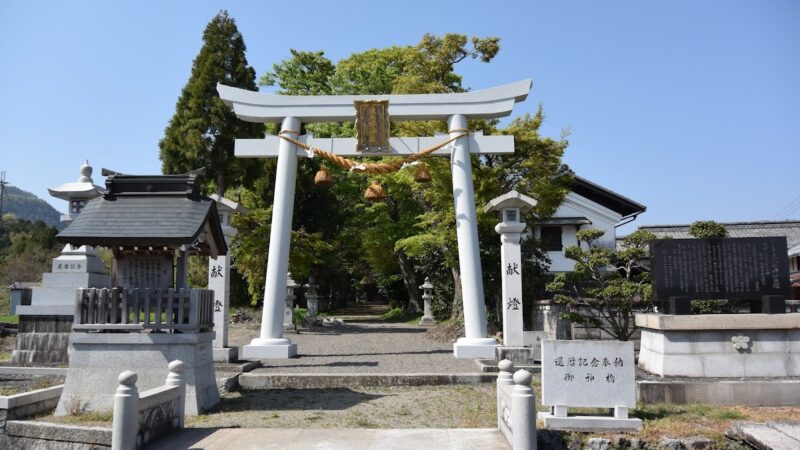
Hyozu Taisha Shrine is approached via a long approach path. Located in the heart of Yasu City, surrounded by a vast rural landscape, the tranquil approach leads to a torii gate said to have been donated by Ashikaga Takauji. This torii gate is of great historical value and a precious relic that conveys the connection between medieval samurai culture and Shinto worship.
Tower Gate (Important Cultural Property)
As you proceed along the approach path, a magnificent tower gate appears. This gate tower is said to have been donated by Ashikaga Takauji and is a valuable structure that preserves the architectural style of the Muromachi period. The two-story gate tower, with its imposing presence, guides worshippers to the main shrine.
Passing through the gate tower, one enters the sacred space of the shrine grounds, feeling the weight of history.
Main Shrine and Worship Hall
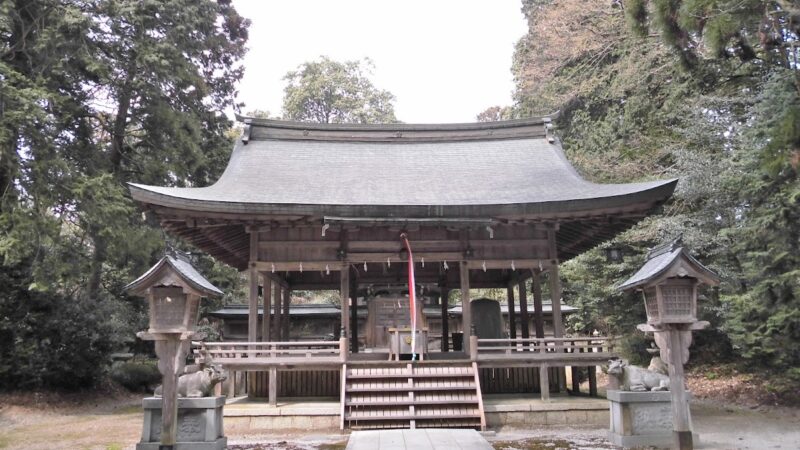
The main shrine, dedicated to Yachihoko-no-kami, maintains a traditional architectural style. Along with the worship hall, it has maintained its original status despite undergoing several repairs throughout its long history.
In addition to the main shrine and worship hall, several subsidiary shrines are located within the grounds, creating a harmonious arrangement throughout the sacred area.
National Scenic Spot “Hyozu Taisha Garden”
One of the greatest highlights of Hyozu Taisha is the garden that spreads out to the south of the shrine. This garden is believed to have been created in the late Heian period and was designated a national scenic spot in 1953.
Garden Features
Designed as a strolling garden, its distinctive feature is its central pond. Reflecting the elegant aesthetics of the Heian period aristocratic culture, it boasts one of the finest beauty among shrine gardens nationwide.
The moss-covered stonework and seasonal plantings create a landscape that captivates visitors. Especially during the autumn foliage season, the garden is adorned with trees ablaze in red and yellow, presenting a breathtaking beauty.
Garden Culture of the Heian Period
The late Heian period was a time of development for Pure Land gardens, and the Hyōzu Taisha Shrine Garden is thought to have been influenced by this trend. The garden reflects a landscape design philosophy that envisions the pond as the Pure Land, creating a space where religious meaning and aesthetic sensibility are fused.
It is also interesting that, unusually for a shrine garden, it incorporates Buddhist Pure Land thought, illustrating the cultural background of an era when Shinto-Buddhist syncretism was prevalent.
Shrine Treasures and Cultural Properties
Hyozu Taisha Shrine possesses numerous treasures accumulated over its long history. Preserving valuable cultural properties from the medieval to early modern periods, including ancient documents, divine statues, and ritual implements, these are important resources for studying the history of Shiga Prefecture.
Some of these treasures are occasionally displayed on special occasions, making them unmissable opportunities for history enthusiasts.
Annual Events and Festivals
Hyozu Festival (May 5th)
The most important festival at Hyozu Taisha Shrine is the “Hyozu Festival,” held annually on May 5th. Held during Golden Week, it attracts many visitors, including locals.
Festival Highlights
The highlight of the Hyozu Festival is the sight of approximately 30 portable shrines (mikoshi) of various sizes parading along the long approach to the shrine. The sight of the mikoshi, gathered from various districts, parading through the shrine grounds accompanied by spirited shouts, is truly breathtaking.
The portable shrine entering the shrine grounds through the main gate, the enthusiasm of the bearers traversing the approach to the shrine, and the crowds of spectators filling the streets—Hyozu Taisha Shrine is enveloped in the most vibrant atmosphere of the year on this day.
Local Traditional Events
The Hyozu Festival is more than just a shrine festival; it is positioned as an important local cultural event in Yasu City. This festival, passed down through generations, also plays a role in strengthening the bonds of the local community.
Other Annual Events
In addition to the Hyozu Festival, various festivals and Shinto rituals are held throughout the year at Hyozu Taisha Shrine. Traditional Japanese annual events such as Hatsumode (first shrine visit of the year), Setsubun Festival, Natsukoshi no Oharae (summer purification ritual), and the Autumn Annual Festival are preserved and remain central to the religious lives of the local people.
Access and Visiting Information
Location
566 Gojo, Yasu City, Shiga Prefecture 520-2323
Transportation Access
Access by Train
- Approximately 20 minutes on foot from the North Exit of Yasu Station on the JR Tokaido Main Line
- Located almost in the center of Yasu City, towards Lake Biwa from the North Exit of Yasu Station
- Approximately 5 minutes by taxi
Access by Car
- Approximately 15 minutes from the Ritto Interchange on the Meishin Expressway
- Parking available (for visitors)
Visiting Hours and Admission Fees
Opening Hours (Visiting Hours)
- Free entry to the grounds
- Shrine Office: Approximately 9:00 AM to 5:00 PM (may vary depending on the season)
Admission Fees
- Grounds Visiting: Free
- Garden Viewing: Usually free, but may require an admission fee during special openings
Etiquette and Precautions for Visiting the Shrine
Hyozu Taisha Shrine is a shrine that still functions as a place of worship. Please observe the following points when visiting:
- Bow when passing through the torii gate.
- Walk along the sides of the approach to the shrine, as the center is considered the path of the gods.
- Cleanse your hands and mouth at the purification fountain.
- The basic way to worship at the main hall is “two bows, two claps, one bow.”
- The garden is a nationally designated scenic spot; do not touch the plants or stonework.
- Photography is permitted, but consideration is needed during festivals and religious ceremonies.
Nearby Tourist Attractions
Mikami Shrine
Alongside Hyozu Taisha Shrine, it is a representative shrine of Yasu City. It boasts a national treasure main hall and is known as a mountain worship shrine with Mount Mikami as its sacred object. It is about a 10-minute drive from Hyozu Taisha Shrine, and visiting both is recommended.
Yasushi City Historical and Folk Museum (Bronze Bell Museum)
This museum exhibits bronze bells (dotaku) from the Yayoi period excavated in Yasushi City. You can learn about the history of ancient Omi Province and it is also helpful in understanding the historical background of Hyozu Taisha Shrine.
Lake Biwa Area
Yasushi City faces Lake Biwa, and the lakeshore is about a 15-minute drive away. You can enjoy the magnificent scenery of Lake Biwa and relax at lakeside restaurants and cafes.
The Charm and Value of Visiting Hyozu Taisha Shrine
Value for History Enthusiasts
Hyozu Taisha Shrine, with a history of over 1300 years, is a valuable place where you can experience the religious history and samurai culture history of Japan from ancient to medieval and early modern times. You can encounter living history that you can’t learn from textbooks, such as its connection to Ashikaga Takauji and the history of reverence from the samurai class.
Value for Garden Enthusiasts
The nationally designated scenic garden is a valuable cultural asset that conveys the garden culture of the Heian period. Boasting one of the most beautiful shrine gardens in Japan, the garden, which displays different expressions throughout the seasons, offers new discoveries with every visit.
A Place to Experience Local Culture
Annual events, including the Hyozu Festival on May 5th, are valuable opportunities to experience traditional culture rooted in the region. In today’s increasingly urbanized world, the continuation of such local festivals is of great cultural and social significance.
A Space of Tranquility and Healing
The grounds of Hyozu Taisha Shrine, surrounded by rural scenery, offer a tranquil space far removed from the hustle and bustle of the city. The approach lined with ancient trees, the moss-covered garden, and the historical buildings—the atmosphere created by these elements calms the hearts of visitors and provides healing.
Summary
Hyozu Taisha Shrine, with its history spanning over 1300 years since its founding in 718 AD, is a representative prestigious shrine of Shiga Prefecture. The devotion to its enshrined deity, Yachihoko-no-kami, the gate said to have been donated by Ashikaga Takauji, the Heian period garden designated as a national scenic spot, and the magnificent Hyozu Festival held annually on May 5th—all of these elements contribute to the shrine’s multifaceted appeal.
Nearby in the heart of Yasushi City, nestled quietly amidst a rural landscape, Hyozu Taisha Shrine is a special space where history and culture, nature and faith harmonize. Its convenient location, within walking distance of JR Yasushi Station, is another attractive feature.
When visiting Shiga Prefecture, in addition to sightseeing around Lake Biwa, be sure to visit Hyozu Taisha Shrine. You will be able to spend an irreplaceable time listening to the quiet stories of 1300 years of history.