Complete Guide to Yatsurugi Shrines: A Thorough Explanation of the History, Deities, and Blessings of Yatsurugi Shrines Nationwide
Yatsurugi Shrines (Hakken Jinja/Yatsurugi Jinja) are historical shrines scattered throughout Japan. As the name suggests, some enshrine eight swords as their divine object or symbol, while others enshrine deities such as Susanoo-no-Mikoto, Yamato Takeru-no-Mikoto, and Okuninushi-no-Kami. This article provides a detailed explanation of the history, enshrined deities, blessings, and access information for major Yatsurugi Shrines throughout Japan.
What are Yatsurugi Shrines?: Origin of the Name and Historical Background
The name “Yatsurugi” in Yatsurugi Shrines has several origins. The most common theory is that it derives from the enshrinement of eight swords as divine objects. In ancient Japan, swords were considered sacred weapons, believed to have the power to ward off evil spirits and repel disasters.
In Japanese tradition, the number “eight” is considered an auspicious number signifying “many” or “completeness.” The name “Yatsurugi” (八剣) embodies the meanings of “the spiritual power of many swords” and “complete protection.” Another theory suggests it originates from the myth of Susanoo-no-Mikoto slaying the eight-headed serpent (Yamata-no-Orochi).
Yatsurugi Shrine is written in various ways, including “八剣,” “八劔,” “八劍,” and “八剱,” but all are pronounced the same; only the kanji differ depending on the region and founding period. Both “Hakken Jinja” and “Yatsurugi Jinja” are used for pronunciation.
Major Yatsurugi Shrines Nationwide: Detailed Regional Guide
Yatsurugi Shrines in the Kanto Region
Yatsurugi Shrine (Okudo, Katsushika-ku, Tokyo)
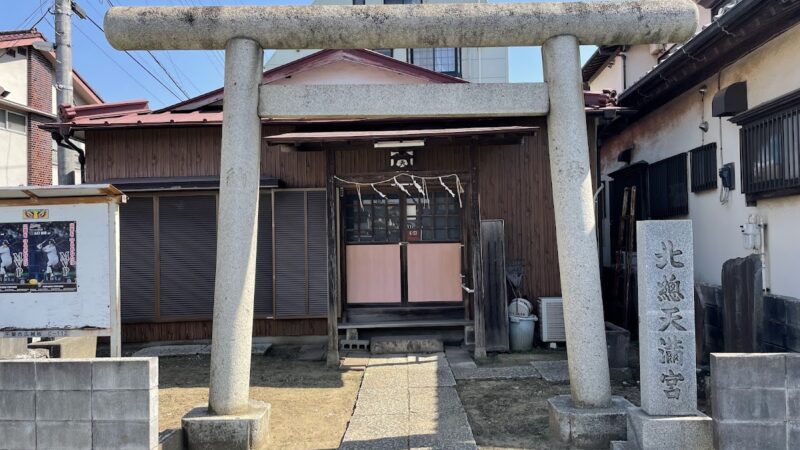
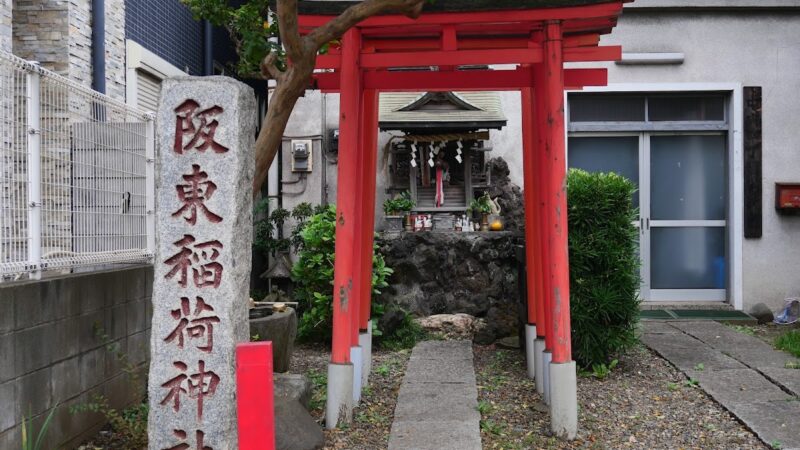
Located in Okudo, Katsushika-ku, Tokyo, Yatsurugi Shrine has long been revered as the local guardian deity. The enshrined deities are Yamato Takeru and Izanami-no-Mikoto, and it also houses Inari Shrine and Kumano Shrine as subsidiary shrines.
Access Information:
- Take the bus bound for Ichikawa Station from “Tateishi Ekimae-dori” bus stop from Keisei Line Tateishi Station
- Get off at the “Okudo Shinbashi” bus stop and walk for about 2 minutes
- Address: Okudo, Katsushika-ku, Tokyo
Because it enshrines Yamato Takeru, it is believed to bring good fortune in competitions, good luck, and protection from evil, attracting worshippers not only from the local area but also from far away. The shrine grounds have a quiet and peaceful atmosphere, providing a space where you can forget the hustle and bustle of the city.
Yatsurugi Hachiman Shrine (Kisarazu City, Chiba Prefecture)
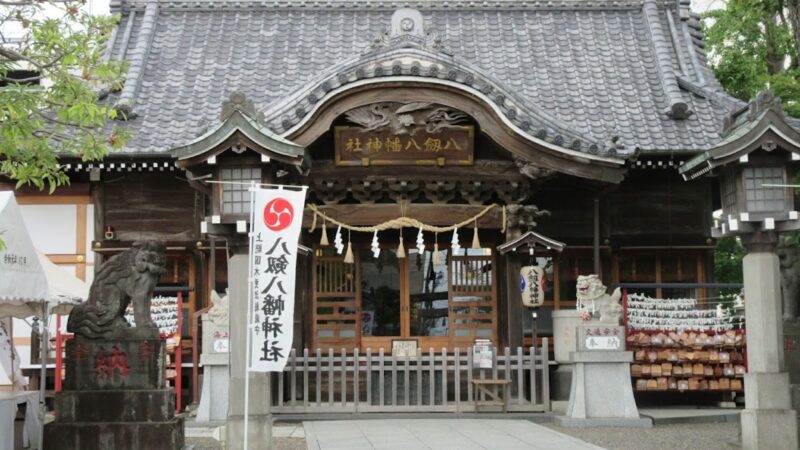
Yatsurugi Hachiman Shrine, known as the guardian shrine of Kisarazu City, Chiba Prefecture, is a shrine that combines Yatsurugi Shrine and Hachiman Shrine. This shrine enshrines both Hachiman (Emperor Ojin) and the god of the eight swords, and is deeply revered as the guardian deity of the region.
Features:
- A central shrine in the region, serving as the guardian shrine of Kisarazu City.
- Sacred water springs forth, making it popular with worshippers.
- A variety of festivals are held throughout the year, including the New Year’s Festival, Setsubun Festival, Annual Festival, Memorial Service for War Dead, Shichi-Go-San Festival, and Great Purification Ceremony.
- Limited edition Goshuin (shrine stamps) are available, and information is also disseminated on social media.
The shrine grounds are spacious and well-maintained, allowing visitors to enjoy the scenery of each season. Especially during the Annual Festival, it is bustling with many worshippers and plays an important role as a traditional event in the region.
Hakken Shrines in the Chubu Region
Hakken Shrine (Nagoya City, Aichi Prefecture – Atsuta Jingu Shrine Branch Shrine)
Located in Atsuta Ward, Nagoya City, Aichi Prefecture, Hakken Shrine is known as Hakken-gu, a branch shrine of Atsuta Jingu. This is a particularly prestigious and historically significant shrine among all the Hachiken Shrines nationwide.
History:
- Founded in 708 AD by Empress Genmei
- It is said to have begun with the dedication of a sacred sword at its founding
- Located on the left side of the main approach to Atsuta Jingu Shrine
- Renamed Hachiken-gu in 1880
Deity:
It enshrines the Aramitama (fierce spirit) of Atsuta Okami, and is especially believed to bring blessings for military success, protection from evil, and good fortune. It is customary to visit Hachiken-gu Shrine in conjunction with Atsuta Jingu Shrine.
Hachiken Shrine (Gamagori City, Aichi Prefecture)
There is also a Hachiken Shrine in Gamagori City, Aichi Prefecture, which is revered by the local community as a deity that wards off disasters. This shrine has also played an important role as a guardian deity of the region since ancient times.
Features:
- Known for its blessings of protection against disaster and misfortune
- Serves as the local guardian deity
- A peaceful shrine grounds where you can pray with peace of mind
Yatsurugi Shrine (Suwa City, Nagano Prefecture)
Yatsurugi Shrine, located in Kowada, Suwa City, Nagano Prefecture, is accessible from Kami-Suwa Station.
Basic Information:
- Address: 13-18 Kowada, Suwa City, Nagano Prefecture
- Access: Within walking distance from Kami-Suwa Station
- Phone: 0266-55-9520
- Goshuin (shrine stamp) available
It is a beloved local shrine and one of the centers of faith in the Suwa region. It has deep ties to Suwa Grand Shrine and is positioned as a shrine that plays a part in Suwa faith.
Yatsurugi Shrine (Hashima District, Gifu Prefecture)
Yatsurugi Shrine, located in Hashima District, Gifu Prefecture, is a historical shrine known for its connection to Ikeda Terumasa.
History:
- The founding year is unknown, but the place name “Yatsurugi” is recorded in the land survey register of 1635 (Kanei 12).
- It has been confirmed that it existed even before that time.
- It is said to have a connection with the Sengoku period warlord Ikeda Terumasa.
Ikeda Terumasa was a Sengoku period warlord known for building Himeji Castle, and due to his deep connection with this region, a connection to Yatsurugi Shrine has been passed down through generations.
Yatsurugi Shrines in the Kinki Region
Several Yatsurugi Shrines exist in the Kinki region, each functioning as a center of local faith. Many of these shrines have a history dating back to ancient times, and many have origins linked to myths and legends.
Yatsurugi Shrines in the Chugoku Region
Yatsurugi Shrines in the Chugoku region are distributed mainly along the Seto Inland Sea coast and are associated with faith in maritime safety and safe navigation. They have maintained their faith while being closely intertwined with local industries and daily life.
Yatsurugi Shrines in the Kyushu Region
Several Yatsurugi Shrines are located in the Kyushu region, including Fukuoka Prefecture. These Kyushu shrines reflect a history of exchange with the Asian continent and have developed unique forms of worship.
Deities Enshrined at Yatsurugi Shrines: Main Gods and Their Characteristics
The deities enshrined at Yatsurugi Shrines vary from shrine to shrine, but the following gods are primarily worshipped:
Susanoo-no-Mikoto
Susanoo-no-Mikoto is known as a god of martial prowess who defeated the eight-headed serpent, Yamata no Orochi. Due to the myth of him obtaining the Kusanagi-no-Tsurugi (Grass-Cutting Sword), he has a strong connection to swords and is the most frequently enshrined deity at Yatsurugi Shrines.
Benefits:
- Protection from evil and disaster
- Extermination of disease
- Matchmaking
- Business prosperity
Yamato Takeru no Mikoto
Yamato Takeru no Mikoto is a heroic prince in Japanese mythology, known for his numerous military achievements using the Kusanagi Sword. He is enshrined in many Yatsurugi Shrines as the god of martial prowess and pioneering.
Benefits:
- Long-lasting military fortune
- Good fortune in competitions
- Good luck
- Safe travels
Okuninushi no Kami
Okuninushi no Kami is known as the god of nation-building and is also worshipped as the god of good fortune and matchmaking. In some Yatsurugi Shrines, he is enshrined together with Susanoo no Mikoto and Yamato Takeru no Mikoto.
Benefits:
- Matchmaking
- Business Prosperity
- Family Safety
- Abundant Harvest
Izanami-no-Mikoto
Izanami-no-Mikoto, known as the goddess of creation, is also enshrined at some Yatsurugi Shrines. As a goddess of motherhood, she is worshipped for safe childbirth and child-rearing.
Benefits of Yatsurugi Shrine: The Power of Faith in the Modern Age
Yatsurugi Shrines are believed to offer various benefits depending on their enshrined deities and history, but the following benefits are commonly believed:
Protection from Evil and Disaster
Swords have been believed since ancient times to have the power to ward off evil spirits and repel disasters. Yatsurugi Shrines are particularly believed to have miraculous powers for protection from evil and disaster, and many people visit to pray for protection from misfortune during their unlucky years or for everyday disasters.
Long-lasting Military Fortune and Success in Competitions
As the shrine enshrines gods of martial prowess such as Yamato Takeru and Susanoo-no-Mikoto, many visitors come to pray for long-lasting military fortune and success in competitions. In modern times, the faith has expanded to include prayers for success in sports matches, exams, and business.
Good Fortune and Increased Luck
Because the “eight” in the name Yatsurugi (八剣) is considered a lucky number, it is believed to bring general good fortune and increased luck. Many people visit the shrine at turning points in their lives or when starting something new.
Matchmaking and Family Safety
Due to the myth of Susanoo-no-Mikoto’s union with Kushinadahime, the shrine is also believed to bring blessings for matchmaking. Many visitors also come to pray for family safety and harmony.
Annual Events at Yatsurugi Shrine: Traditional Festivals
Yatsurugi Shrine holds various festivals throughout the year. Here are some of the main events. ### New Year’s Day Festival (January 1st)
This is the first festival held after the New Year, where prayers are offered for peace and prosperity throughout the year. It is bustling with worshippers making their first shrine visit of the year, celebrating the start of the new year before the gods.
Setsubun Festival (around February 3rd)
This festival involves warding off evil spirits and inviting good fortune through events such as bean-throwing. With the chant of “Demons out, fortune in!”, people pray for good health and protection from illness throughout the year.
Annual Festival (Autumn)
This is the most important annual event for the shrine, sometimes including a portable shrine procession and devotional performances. The local community comes together to celebrate and express gratitude to the guardian deity.
Shichi-Go-San Festival (around November 15th)
This event celebrates the growth of children and prays for their continued healthy development. Many families visit the shrine in formal attire.
Great Purification Ceremony (June 30th & December 31st)
This is a Shinto ritual to purify oneself of sins and impurities accumulated over the past six months. The Great Purification Ceremony at the end of the year is particularly significant as it marks the conclusion of the year.
Etiquette for Visiting Yatsurugi Shrine: Correct Way to Worship
This section introduces the basic etiquette for visiting Yatsurugi Shrine.
How to Pass Through the Torii Gate
The torii gate is the entrance to the sacred area. Bow before passing through the gate. Since the center of the path is considered the path of the gods, it is polite to walk along the sides.
How to Purify Yourself at the Water Basin
- Take the ladle with your right hand and purify your left hand.
- Switch the ladle to your left hand and purify your right hand.
- Take the ladle back into your right hand, receive water in your left hand, and rinse your mouth.
- Purify your left hand once more.
- Hold the ladle upright, purify the handle, and return it to its original position.
How to Worship at the Main Hall
- Stand in front of the offering box and bow slightly.
- Gently place your offering in the box.
- If there is a bell, ring it.
- Bow twice, clap twice, and bow once (bowing deeply twice, clapping twice, bowing deeply once).
- After clapping, silently state your wish.
How to Obtain a Goshuin (Shrine Stamp)
A Goshuin is given as proof of your visit. After completing your visit, leave your Goshuin book at the shrine office. Please pay the offering fee (usually around 300-500 yen) and offer your prayers respectfully.
Tourist Spots Around Hachiken Shrine: Places to Visit Alongside Your Pilgrimage
Around Atsuta Shrine (Nagoya)
When visiting Hachiken Shrine, a visit to the main shrine of Atsuta Shrine is also essential. Furthermore, there are many famous restaurants around Atsuta Shrine where you can enjoy Nagoya’s specialty, hitsumabushi (eel rice bowl), such as “Atsuta Horai-ken,” allowing you to enjoy a meal after your pilgrimage.
Nearby Spots:
- Atsuta Shrine Main Shrine
- Shiratori Garden
- Nagoya Castle (approx. 20 minutes by car)
- Osu Kannon Temple (approx. 15 minutes by car)
Around Kisarazu (Chiba)
Kisarazu City, where Hachiken Hachiman Shrine is located, is easily accessible via the Tokyo Bay Aqua-Line and is a popular tourist destination.
Nearby Attractions:
- Kisarazu Port
- Nakanoshima Bridge (Lover’s Sanctuary)
- Mitsui Outlet Park Kisarazu
- Shojo-ji Temple (Famous for the Tanuki Bayashi Legend)
Katsushika Ward Area (Tokyo)
The area around Hachiken Shrine in Katsushika Ward is full of old-town charm.
Nearby Attractions:
- Shibamata Taishakuten Temple (Approx. 15 minutes by car)
- Katsushika Museum of Local History and Astronomy
- Mizumoto Park
- Kameari (Setting of Kochikame)
Hachiken Shrine’s Goshuin (Shrine Seal): Popular with Collectors
In recent years, collecting goshuin has become a popular hobby, and Hachiken Shrine’s goshuin has also gained popularity. Each shrine has its own unique design, and some goshuin are only given out seasonally or on special days.
Types of Goshuin (Shrine Seals)
- Standard Goshuin: The basic goshuin given out throughout the year.
- Limited Edition Goshuin: Special designs tailored to festivals and seasons.
- Pre-printed Goshuin: A goshuin that has been written in advance (e.g., during busy times).
About Goshuincho (Shrine Seal Books)
Many Yatsurugi Shrines offer original goshuincho. Many feature designs of swords, the symbol of the shrine, or motifs related to the enshrined deities, making them popular as souvenirs of visits.
Yatsurugi Shrine and Japanese History: Connections with the Samurai Society
Yatsurugi Shrine has had deep connections with the samurai society of Japan. Because its sacred object is a sword, it attracted the faith of the samurai class, and many warlords prayed there for victory and continued military success.
Sengoku Warlords and Yatsurugi Shrine
Sengoku warlords, including Ikeda Terumasa, prayed for military success at Yatsurugi Shrine. It was customary for them to visit the shrine before battle and to offer thanks after victories.
Sengoku Warlords and Yatsurugi Shrine ### Beliefs in the Edo Period
During the Edo period, faith in Yatsurugi Shrine spread not only among the samurai class but also among commoners. Its reputation for warding off evil and misfortune became particularly strong, attracting many worshippers.
Architectural Style of Yatsurugi Shrine: The Beauty of Shrine Architecture
The shrine buildings of Yatsurugi Shrine reflect the architectural styles of each region and era. Many are built in traditional styles such as Shinmei-zukuri and Nagare-zukuri, preserving the beauty of Japanese architecture to this day.
Main Architectural Elements
- Honden: The most sacred building where the enshrined deity is worshipped
- Haiden: The building where worshippers pay their respects
- Torii: The gate marking the entrance to the sacred area
- Shamusho: The building where the shrine’s administrative affairs are conducted
- Keidaisha: Small shrines other than the main shrine
Guidelines for Visiting Yatsurugi Shrine: The Meaning of Faith in Modern Times
Visiting Yatsurugi Shrine is more than just sightseeing or collecting Goshuin (shrine stamps); it is a valuable opportunity to experience traditional Japanese culture and spirituality. ### Mindset for Visiting the Shrine
- Be mindful that this is a sacred area and visit with reverence.
- Learn about and deepen your understanding of the shrine’s history and origins.
- Respect local culture and traditions.
- Cooperate in cleaning and maintaining the shrine grounds (e.g., take your trash home).
The Role of Yatsurugi Shrine in Modern Society
Even in modern times, Yatsurugi Shrine plays an important role as the center of the local community. Through festivals, people gather, and traditions are passed down to future generations. Furthermore, in the midst of increasing urbanization, it functions as a valuable space where people can find peace of mind.
Donations to Yatsurugi Shrine: A Mechanism Supporting Faith
The maintenance and development of Yatsurugi Shrine are supported by donations from worshippers and parishioners.
Main Forms of Offering
- Hatsuhoryo: Offered when receiving prayers, amulets, or talismans.
- Tamagushiryo: Offered during prayers.
- Saisen: Offered when visiting the shrine.
- Honokin: Offered for the maintenance and repair of the shrine.
- Genbutsu Honon: Offering items such as sake or rice.
Summary: The Charm and Future of Yatsurugi Shrine
Yatsurugi Shrines are located throughout Japan, each possessing its own unique history and tradition, and have functioned as centers of local faith. Symbolizing the sacred weapon of the sword, they attract many believers seeking blessings for protection against misfortune, disaster, and lasting military fortune.
Even today, Yatsurugi Shrines are not merely historical buildings, but continue to function as living places of faith. Through annual events, they connect local communities and play an important role in passing on Japanese traditional culture to future generations.
When visiting Yatsurugi Shrine, learning about its history and origins, and performing the proper rituals will lead to a deeper experience. Visiting Yatsurugi Shrines throughout Japan and discovering their unique characteristics and charms is also a valuable experience for understanding Japanese culture.
Visiting a shrine is a time to escape the hustle and bustle of daily life, to quiet your mind, and to reflect on yourself. We hope that in the tranquil space of Yatsurugi Shrine, you can connect with traditional Japanese spirituality and find peace of mind.