Complete Guide to Junisho Shrines: Origins, Deities, and Major Shrines Nationwide
Junisho Shrines (十二所神社) are a group of shrines with distinctive names scattered throughout Japan. They are known by various names depending on the region, such as Junisha Shrine (十二社神社), Junishashira Shrine (十二柱神社), and Juniten Shrine (十二天神社), but all have a deep meaning derived from the number “twelve.” This article provides a detailed explanation of the origins of Junisho Shrines, their enshrined deities, and representative shrines throughout Japan.
What are Junisho Shrines?: Origin of the Name and Background of Beliefs
The name Junisho Shrines primarily derives from the fact that they enshrine twelve deities. Junisho Shrines throughout Japan can be broadly classified into two categories.
Twelve Shrines of the Heavenly and Earthly Deities Lineage
The first lineage enshrines twelve generations of deities, combining the seven generations of heavenly deities (Tenjin Hichidai) and the five generations of earthly deities (Chijin Godai). These are the earliest deities in Japanese mythology, representing the gods from the creation of heaven and earth to the age of humankind.
The Seven Generations of Heavenly Deities include, at the forefront, Kunitokotachi-no-Mikoto, followed by Toyokumono-no-Mikoto, Uhijini-no-Mikoto/Suhijini-no-Mikoto, Tsunogui-no-Mikoto/Ikugui-no-Mikoto, Otonoji-no-Mikoto/Otonobe-no-Mikoto, Omodaru-no-Mikoto/Ayakashikone-no-Mikoto, and Izanagi-no-Mikoto/Izanami-no-Mikoto.
The Five Generations of Earthly Deities refer to Amaterasu Omikami, Ame no Oshihomimi no Mikoto, Ninigi no Mikoto, Hikohodemi no Mikoto, and Ugayafukiaezu no Mikoto.
The Twelve Shrines of this lineage represent a fusion of ancient indigenous beliefs and Shinto, and are deeply connected to local creation myths and tutelary deity beliefs.
Twelve Shrines of the Kumano Faith Lineage
The second lineage is based on Kumano faith. This includes shrines that enshrine twelve deities invited from the Kumano Sanzan (Kumano Hongu Taisha, Kumano Hayatama Taisha, and Kumano Nachi Taisha). Known as Kumano Twelve Shrines, they were invited to various locations throughout Japan as Kumano faith spread during the medieval period.
The Kumano Twelve Shrines of Gongen include Shōjōden, Ryōsho Gongen, and Nyakuichi Ōji, and were worshipped as deities syncretized with various Buddhist Buddhas based on the concept of Honji Suijaku (original essence and manifested form).
Relationship with Mountain God Worship
Some Twelve Shrines have long enshrined indigenous mountain gods known as Twelve Deities. This is a folk belief linked to agricultural rituals and mountain worship, and these deities were revered as gods who presided over the twelve months.
Major Twelve Shrines Nationwide: Detailed Regional Guide
We introduce particularly historically and culturally important shrines among the Twelve Shrines scattered throughout Japan.
Twelve Shrines in the Kanto Region
Kamakura City Twelve Shrine (Kanagawa Prefecture)
The Twelve Shrine, located in Twelve, Kamakura City, is a historical shrine that is also the origin of the place name. According to the Sagami Fudoki (ancient provincial gazetteer), it was formerly called Kumano Gongen Shrine and is said to have been founded in 1278.
Initially located within the grounds of Kōshoku-ji Temple, it was moved to its current location in 1838. Following the Meiji Restoration’s separation of Shinto and Buddhism, it was renamed Jūnisho Shrine in the early Meiji period and was designated a village shrine in 1873.
The enshrined deities are twelve gods representing the seven generations of heavenly gods and five generations of earthly gods, and it has long been revered as the local tutelary shrine. The shrine grounds are enveloped in tranquility, offering a peaceful atmosphere away from the hustle and bustle of Kamakura, making it popular not only with local residents but also with those seeking quiet worship.
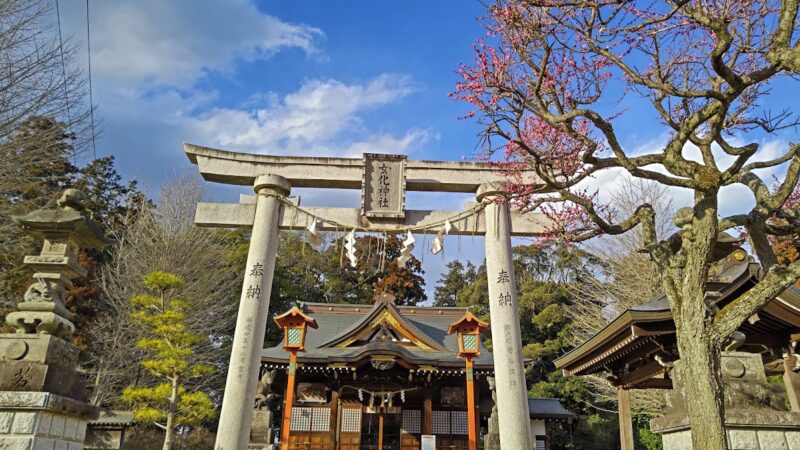
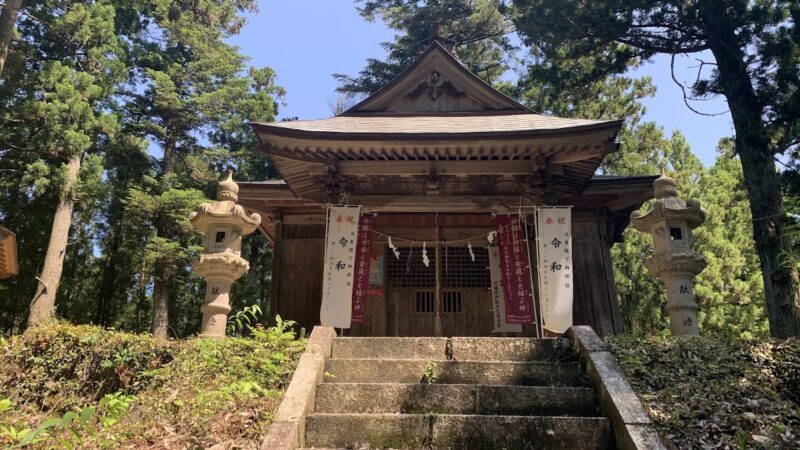
Climbing the stone steps and passing through the torii gate, you will find the main hall directly ahead. Within the grounds, you can also see a small yagura (a type of watchtower) and a shrine dedicated to the mountain god. Unlike the tourist temples of Kamakura, it offers a rare and valuable space for quiet worship in a uncrowded environment. ### Jūnisho Shrine, Yokosuka City (Ashina, Kanagawa Prefecture)
Located in Ashina, Yokosuka City, Jūnisho Shrine was formerly known as Miura Jūni Ten Myōjin and is a historical shrine that served as the guardian deity of Ashina Castle.
This shrine is a venerable one, recorded in the *Azuma Kagami* as one of the eight shrines to which samurai retainers prayed for the safe delivery of Hojo Masako, the wife of Minamoto no Yoritomo. It has attracted the faith of samurai families since the Kamakura period and has been particularly revered as a god of safe childbirth and child-rearing.
Within the shrine grounds is the Obitoke Koyasu Jizo (Obitoke Koyasu Jizo), said to have been made from the ashes of a goma fire ritual performed by Kobo Daishi. Even today, worshippers visit to pray for safe childbirth and fertility. This Jizo is associated with the belief that pregnant women undo their maternity belts to pray for a safe delivery, and has been deeply revered by local women.
As a shrine deeply intertwined with the history of the Miura Peninsula, its cultural value as a local asset is highly regarded.
Junisho Shrine, Musashimurayama City (Tokyo)
Located in Musashimurayama City, Tokyo, Junisho Shrine is an ancient shrine said to have been founded approximately 1300 years ago, during the Wado era (708-714 AD). According to records of the Tokyo Metropolitan Shrine Association, it is considered one of the oldest shrines in Tokyo.
The enshrined deities are twelve gods representing the seven generations of heavenly gods and five generations of earthly gods. It has been revered as the guardian deity of the region since the pioneering days of Musashi Province. This shrine is deeply connected to the development history of the Musashino Plateau and serves as valuable historical evidence that people have settled in this area since ancient times.
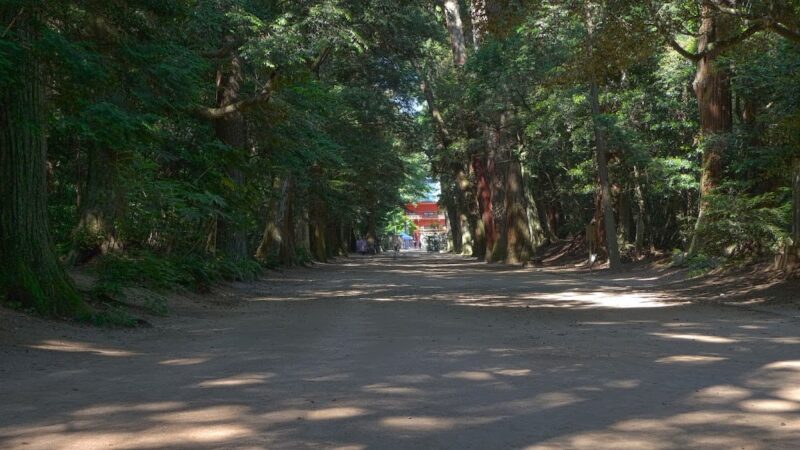
Surrounded by lush trees, the shrine grounds retain a strong atmosphere of an ancient shrine even in today’s urbanized world, allowing visitors to feel the weight of history. Located some distance from train stations, access is primarily by bus or car, but this contributes to the tranquil environment for worshippers.
Traditional local events and festivals are still observed, and the shrine continues to play an important role as a center of faith for local residents.
Shinjuku-ku Junisha (Tokyo)
In Nishi-Shinjuku, Shinjuku-ku, Tokyo, there was once a shrine dedicated to the Kumano Twelve Shrines, and the place name “Junisha” (Twelve Shrines) remains as a remnant of that. The current Kumano Shrine is its successor.
This area was known as a scenic spot during the Edo period, and there was a pond called Junisha Pond, which was a popular recreational area for Edo citizens. Although the pond was filled in due to urbanization after the Meiji era, the place name “Junisha” remains, preserving a trace of history in a corner of Shinjuku’s sub-city center.
Twelve Shrines in the Kinki Region
Twelve Shrines in Himeji City (Hyogo Prefecture)
Located in Twelve-Mae-cho, Himeji City, Hyogo Prefecture, Twelve Shrines is situated in the city center, close to the national treasure Himeji Castle. The main deity is Sukunahikona-no-Okami, worshipped as the god of medicine and health.
There is an interesting legend about the shrine’s founding. During a major epidemic in the Heian period, twelve mugwort plants are said to have sprouted overnight. Sukunahikona-no-Okami appeared and declared, “If you brew and drink this mugwort, the disease will be cured immediately.” The villagers followed his instructions, brewed the mugwort, and the epidemic subsided. In gratitude, the people built a shrine to enshrine Sukunahikona-no-Okami.
Based on this legend, the Twelve Shrines have been deeply revered in the region as a shrine for medicine, healing from illness, and prayers for good health. Every January, the Ebisu Festival is held to pray for business prosperity, attracting many worshippers.
Within the shrine grounds is also the Okiku Shrine, known as a shrine to commemorate Okiku, famous from the legend of the Banshu Sarayashiki (Dish Mansion). It is deeply connected to the legend of Himeji Castle and Okiku’s well, making it an important shrine that conveys the history and culture of Himeji to the present day.
Twelve Shrines in Wakayama Prefecture
Wakayama Prefecture, as a center of Kumano faith, has several Twelve Shrines. In particular, around Kumano Hayatama Taisha (Shingu), there are numerous shrines dedicated to the Twelve Kumano Gongen, demonstrating the spread of Kumano faith.
In the Middle Ages, the twelve deities were invited from Shingu in Kishu Kumano to various locations and worshipped as the tutelary deities of Shingu. Some of these shrines bear the former name “Kumano Shingu Junisho Shrine,” making them important historical sites for understanding the transmission routes of Kumano faith.
Junisho Shrines in the Tohoku Region
Several Junisho Shrines exist in the Tohoku region, each linked to local beliefs. Many of the Junisho Shrines in Tohoku are deeply connected to mountain worship and Shugendo (mountain asceticism), retaining strong elements of mountain deity worship.
In particular, Akita and Iwate prefectures have shrines dedicated to mountain deities known as “Junisama,” worshipped as guardians of agricultural rituals and forest resources. These deities, presiding over the twelve months, demonstrate a form of worship deeply connected to the changing seasons and agricultural cycles.
Junisho Shrines in the Chubu Region
Many of the Junisho Shrines in the Chubu region are located along the transmission routes of Kumano faith, making them important historical sites illustrating the spread of Kumano pilgrimages during the medieval period.
In Nagano and Yamanashi prefectures, there are Twelve Shrines associated with Shugendo (mountain asceticism) and mountain worship, developing unique forms of faith that merge with local sacred mountain worship.
Twelve Shrines in the Shikoku Region
The Twelve Shrines in the Shikoku region are also strongly influenced by Kumano faith. In particular, in Ehime and Kochi prefectures, there are Twelve Shrines established in connection with the Kumano naval force and maritime traffic, and are associated with faith in maritime safety and protection of navigation.
They are also deeply connected to the culture of the Shikoku Pilgrimage and have played an important role as objects of worship for pilgrims.
How to Visit and Manners at Twelve Shrines
When visiting Twelve Shrines, follow the general manners of visiting shrines.
Basic Worship Etiquette
- When passing through the torii gate: Bow before entering the shrine grounds.
- Purification at the water basin: Purify your left hand, right hand, and mouth in that order.
- Worship at the main hall: Two bows, two claps, and one bow is the basic procedure.
- Behavior within the shrine grounds: Worship quietly and with reverence.
Access to Each Shrine
Access to the various Twelve Shrines varies by region.
To the Twelve Shrines of Kamakura, it is convenient to take a bus from JR Kamakura Station or a bus bound for Kamakura-gu Shrine and get off at the “Twelve Shrines” bus stop. It is located in a residential area, so it is recommended to check a map before visiting.
The Twelve Shrines of Musashimurayama is far from the train station, so access is mainly by bus or car. Taking a bus from Kamikitadai Station on the Tama Monorail is common.
Jūnisho Shrine in Himeji City is within walking distance of JR Himeji Station and can be visited in conjunction with sightseeing at Himeji Castle. Its central location in the city makes it easily accessible.
For detailed access information for each shrine, we recommend checking the official website of each shrine or local tourist information.
Benefits and Faith of Jūnisho Shrine
The benefits of Jūnisho Shrine vary depending on the deities enshrined there.
Benefits of the Heavenly and Earthly Deities
At the Twelve Shrines, which enshrine the Seven Generations of Heavenly Deities and the Five Generations of Earthly Deities, the following benefits can be expected:
- National Peace and Prosperity: As gods of creation, they protect the peace and security of the land and region.
- Family Safety and Prosperity of Parishioners: As guardian deities, they protect all aspects of the lives of local residents.
- Abundant Harvests and Business Prosperity: They protect the foundation of local industries and livelihoods.
- Protection from Misfortune and Disaster: They protect against all kinds of calamities.
Benefits of the Kumano Faith System
At shrines that enshrine the Twelve Kumano Gongen:
- Fulfillment of Wishes: Fulfillment of various wishes based on the tradition of Kumano pilgrimage.
- Healing from Illness and Longevity: Prayers for health based on the spiritual power of Kumano.
- Safe Travel and Traffic Safety: As guardian deities of the Kumano pilgrimage.
- Rebirth and Resurrection: The fundamental belief in Kumano faith is rebirth.
Special Benefits
At shrines with specific objects of worship, such as the Obitoke Koyasu Jizo at the Jūnisho Shrine in Yokosuka City:
- Prayers for safe childbirth and conception
- Protection from child-rearing
At shrines that enshrine Sukunahikona-no-Ōkami, such as the Jūnisho Shrine in Himeji City:
- Healing from illness and protection from medicine
- Health and longevity
- Business prosperity (syncretism with Ebisu faith)
Festivals and Annual Events of Jūnisho Shrines
Traditional festivals and annual events are preserved at Jūnisho Shrines throughout the region.
Main Annual Events
The Grand Festival is held in autumn at many Jūnisho Shrines, featuring a portable shrine procession and devotional performances. It is an important opportunity to reaffirm the unity of the local community.
Hatsumode (first shrine visit of the year) attracts many worshippers praying for safety and prosperity in the new year. In particular, the Ebisu Festival at Jūnisho Shrine in Himeji City has become a well-established January tradition in the region.
Tsukimisai (monthly festivals) are held regularly each month, with worshippers and devotees continuing to visit.
Jūnisho Shrine and Local Culture
Jūnisho Shrine has played a central role in local culture, going beyond being merely a religious institution.
Jūnisho as a Place Name
Many examples exist where shrine names have become established place names, such as Jūnisho in Kamakura City and Jūnisha in Shinjuku Ward, Tokyo, becoming part of the local identity. These place names tell the story of the history in which shrines have been central to regional formation.
Value as Cultural Assets
Many Jūnisho Shrines possess cultural assets such as buildings, statues of deities, and ancient documents, which are important resources for local history research. They are particularly highly valued academically as historical materials that convey aspects of medieval Kumano faith and the syncretism of Shinto and Buddhism. ### Role in Modern Times
Even in modern times, the Twelve Shrines continue to function as a spiritual pillar for local communities. Even amidst increasing urbanization, they serve as a place for community interaction through festivals and annual events, contributing to the preservation of traditional culture.
How to Enjoy a Pilgrimage to the Twelve Shrines
By visiting the Twelve Shrines scattered throughout Japan, you can experience the diversity and regional characteristics of Japanese religious culture.
Themed Pilgrimages
Kumano Faith Route: By tracing the Twelve Shrines that were established through the enshrinement of deities from the Kumano Sanzan, you can experience the spread of Kumano faith in the Middle Ages.
Ancient Mythology Route: By visiting the Twelve Shrines that enshrine heavenly and earthly deities, you can learn about the connection between Japanese mythology and local beliefs.
Historical Exploration Route: Visiting shrines recorded in historical documents, such as the Twelve Shrines in Yokosuka City that appear in the “Azuma Kagami,” is also an interesting historical exploration.
Pilgrimage to Collect Goshuin (Shrine Stamps)
Many of the Twelve Shrines offer Goshuin stamps, allowing you to create a record and memento of your visits by bringing a Goshuincho (stamp book). The unique Goshuin stamps, reflecting the individuality of each shrine, are a delightful part of the pilgrimage.
Summary: The Charm and Significance of the Twelve Shrines
The Twelve Shrines are a unique group of shrines where the beliefs embodied in the number “twelve” are fused with the history of the region. There are two major traditions: one dedicated to the Seven Generations of Heavenly Gods and the Five Generations of Earthly Gods, and the other to the Kumano faith tradition, each occupying an important position in the history of Japanese faith.
While the Twelve Shrines throughout Japan have developed uniquely in their respective regions, they share a common foundation of “twelve deities,” conveying the faith and regional culture of the Japanese people to the present day. By visiting these ancient shrines in their tranquil atmosphere, we, living in the modern age, can connect with the faith cherished by our ancestors.
Visiting the Twelve Shrines in various locations such as Kamakura, Musashimurayama, Yokosuka, and Himeji offers a valuable opportunity to experience Japanese history and culture. Unlike bustling tourist temples and shrines, the quiet and peaceful environment allows for a calm and peaceful reverence, providing ample time for reflection and contemplation.
As local guardian shrines or centers of Kumano faith, the Twelve Shrines have long attracted the faith of people. Understanding their diversity and universality will deepen your understanding of Japanese culture.