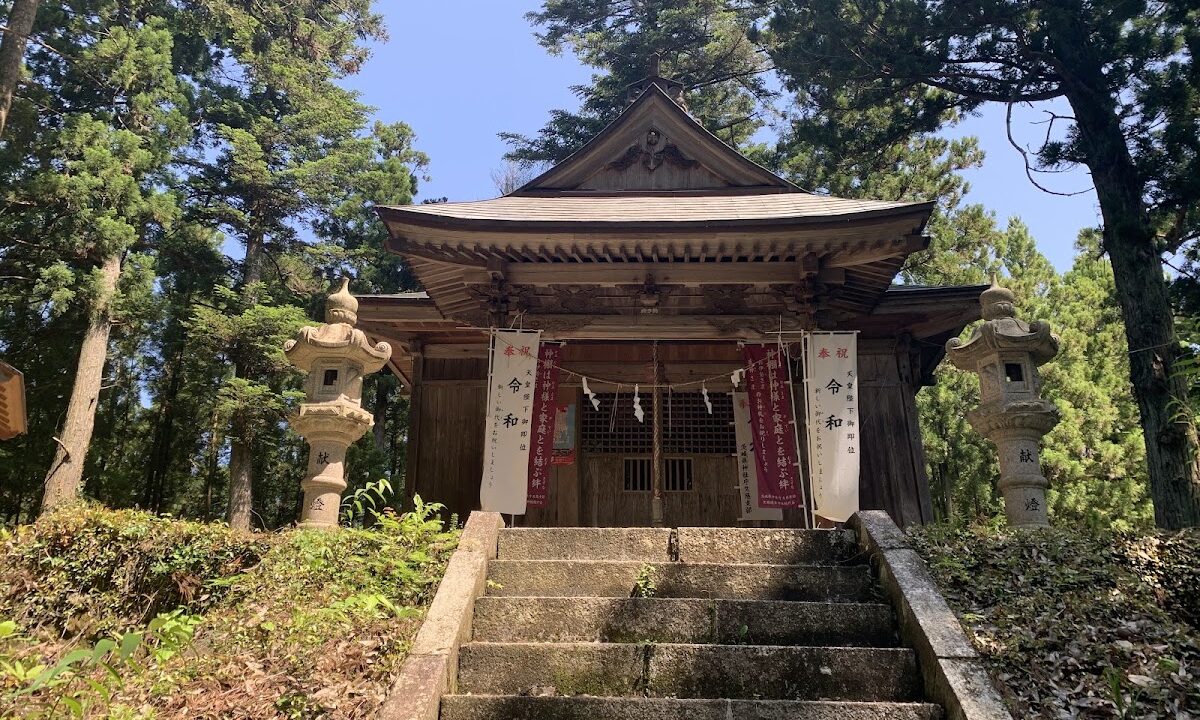
Complete Guide to Oo Shrine (Itako City, Ibaraki Prefecture) | History, Cultural Properties, Goshuin (Shrine Seals), and Access Information
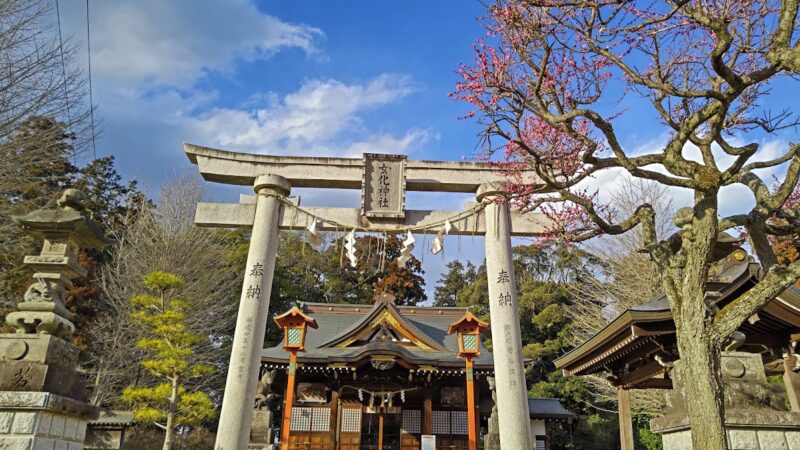
Oo Shrine, located in Oo, Itako City, Ibaraki Prefecture, is a historic shrine with a long history dating back to ancient times. It is known as a valuable site possessing many cultural assets, including the main hall (a prefecturally designated tangible cultural property), the Miko-mai Shinto ritual (an intangible cultural property), and a grove of trees designated as a natural monument. This article provides a detailed introduction to Oo Shrine, including its history, highlights, cultural properties, and access information.
Basic Information about Ose Shrine
Location: 814 Ose, Itako City, Ibaraki Prefecture
Deity: Takemikazuchi-no-Okami
Former Shrine Rank: Gosha (Village Shrine)
Founding: Daido 1 (806 AD) *Several theories exist
Alternate Name: Formerly known as “Kashima no Omiya”
Ose Shrine, as a shrine that enshrines Takemikazuchi-no-Okami, the same deity as Kashima Jingu Shrine, has long attracted local faith. Located in Ose, Itako City, and surrounded by the Ose Kofun Cluster (ancient burial mounds), it suggests that this area was an important center in ancient times.
History and Origins of Ose Shrine
Circumstances of Founding
There are several theories regarding the founding of Ose Shrine. According to the most widely accepted theory, the shrine originated in 767 AD when it was established by inviting a deity from Kasuga, Shikigami District, Yamato Province (present-day Sakurai City, Nara Prefecture). Later, in 806 AD, during the early Heian period, it is said that the Fujiwara clan relocated the shrine to its current location during their eastern expedition against the eastern barbarians.
Relationship with the Iitomi Clan (Ofu Clan)
According to shrine tradition, the Iitomi clan (Ofu clan: Ta clan) is said to have enshrined the shrine as their tutelary deity when they migrated from Yamato to Hitachi. The place name Oosei is also thought to derive from the sounds “Ofu” and “Ou,” suggesting a deep connection with this clan.
The Oosei Kofun Group, remaining around the shrine grounds, is believed to be the burial ground of this Ofu clan, and is an important historical site that conveys the existence of an ancient powerful family.
The Prestige of “Kashima’s Grand Shrine”
Ose Shrine, formerly known as “Kashima’s Grand Shrine,” held a significant position within the Kashima faith sphere. As a shrine dedicated to Takemikazuchi-no-Okami, it had deep ties to Kashima Jingu Shrine and flourished as a central figure in local faith.
Ose Shrine Main Hall (Prefectural Designated Tangible Cultural Property)
Value as a Building
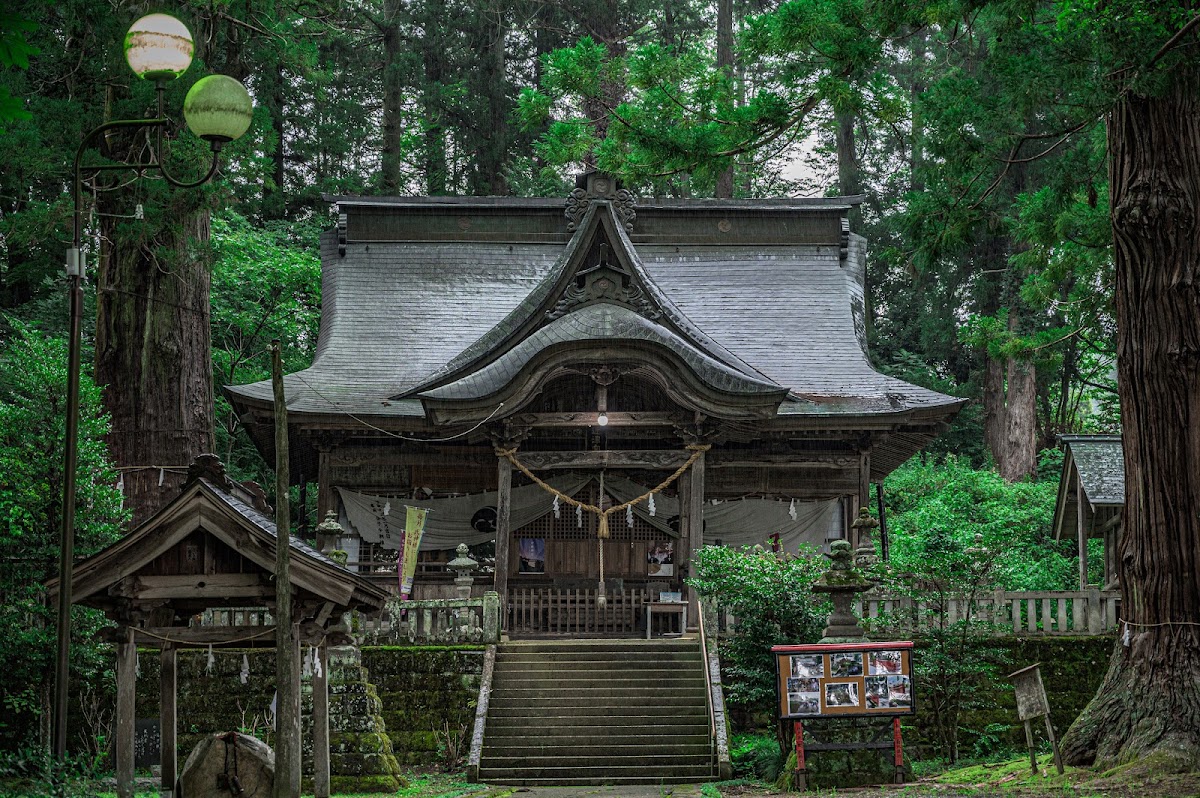
The Ose Shrine Main Hall was designated an Ibaraki Prefecture Designated Tangible Cultural Property (Building) on June 26, 1957. As a valuable building that conveys the architectural style of the Edo period, it possesses high cultural value.
The architectural style of the main hall retains many characteristics of shrine architecture from that era, and the detailed carvings and decorations are particularly noteworthy. This building, passed down through generations, is a representative example of historical architecture in Itako City and symbolizes the region’s cultural heritage.
Preservation and Restoration
As a prefecturally designated cultural property, it is properly preserved and managed, and its good condition is maintained through regular inspections and necessary restoration work. Preservation and repair work using traditional techniques has been carried out to avoid damaging the historical value of the building.
Ose Shrine Miko-mai Ritual (Prefecturally Designated Intangible Cultural Property)
Value as a Traditional Performing Art
The Ose Shrine Miko-mai Ritual was designated as an Ibaraki Prefecture Intangible Cultural Property on August 23, 1963. As a sacred ritual art that has been passed down for generations, it is an important symbol of the region’s cultural identity.
Characteristics of Miko-mai
Miko-mai is a traditional dance performed at shrine festivals and other events. The elegant dance performed by shrine maidens has the meaning of offering to the gods and praying for a bountiful harvest and peace in the region. This ritual, which has been passed down through generations, also plays a role in deepening the bonds of the local community.
Efforts for Succession
As an intangible cultural heritage, the training of successors and the transmission of techniques are crucial issues. With the cooperation of the local community, activities to pass on the tradition to the next generation continue.
The Grove of Trees at Oisei Shrine (Prefectural Designated Natural Monument)
Value as a Natural Environment
The grove of trees surrounding Oisei Shrine is registered as a natural monument designated by Ibaraki Prefecture. The rich forest surrounding the shrine grounds is a valuable natural environment formed over many years, and is important from the perspective of ecosystem conservation.
Characteristics of the Grove
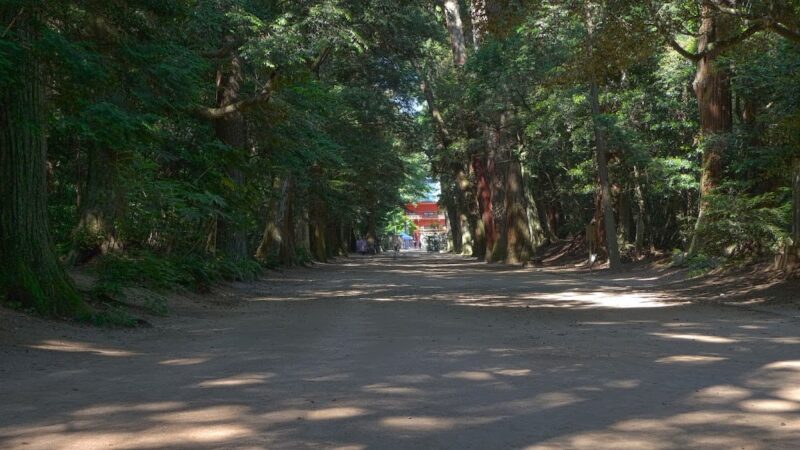
The grove within the shrine grounds is composed of diverse tree species such as cedar, zelkova, and chinquapin, forming a dense forest. The path leading to the shrine is like a tunnel of trees, giving visitors a sacred atmosphere.
This grove not only provides scenic beauty, but also functions as a habitat for diverse organisms such as wild birds and insects, contributing to the maintenance of regional biodiversity.
Environmental Conservation Efforts
As a natural monument, the grove of trees is protected and managed. Through appropriate management, including monitoring the health of the trees, removing dead trees, and controlling pests and diseases, this valuable natural environment is preserved.
Relationship with the Ose Kofun Cluster
Overview of the Kofun Cluster
Around Ose Shrine lies the Ose Kofun Cluster, a group of ancient burial mounds from the Kofun period. Composed of multiple burial mounds, this cluster is believed to have been constructed between the 6th and 7th centuries, indicating the existence of an ancient powerful clan that ruled this region.
The Burial Grounds of the Ofu Clan
As mentioned above, the Ose Kofun Cluster is considered the burial grounds of the Iitomi clan (Ofu clan). The shrine’s founding legend and the existence of the burial mounds provide evidence that this region was an important political and religious center from ancient times.
Historical Landscape
The historical landscape, where the shrine and the burial mounds are integrated, is a valuable space where one can experience the region’s history from ancient times through the medieval and early modern periods. As an area of archaeological and cultural historical importance, further research and investigation are anticipated.
Highlights of Ooi Shrine
Main Hall and Worship Hall
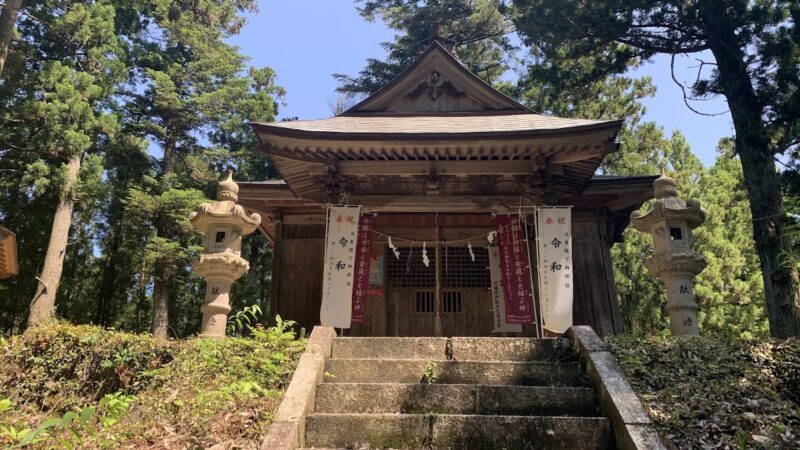
The main hall, a prefectural designated cultural property, is the main highlight of Ooi Shrine. Its exquisite construction, reflecting Edo period architectural techniques, is well worth taking the time to appreciate. The worship hall is also a charming building; pay attention to the details of the structure when you visit.
Sacred Pond and Dragon God
Within the shrine grounds is a sacred pond where the Dragon God is enshrined. When the pond is full of water, the atmosphere becomes even more mystical. Dragon god worship has existed since ancient times, and the Dragon God is an object of worship for the blessings of water and abundant harvests.
Tree Tunnel on the Approach
The approach to the shrine is formed like a tunnel by the trees that overhang from both sides. Walking along the path, where sunlight filters through the trees, gives you the feeling of being led to a sacred space away from everyday life.
Tranquil Shrine Grounds
The greatest charm of Oosho Shrine is its tranquil atmosphere. Located away from urban areas, it attracts relatively few visitors, allowing for a peaceful and serene visit. The shrine grounds, surrounded by groves of trees, provide a calming and spiritually peaceful space.
About Goshuin (Shrine Seals)
Goshuin (shrine seals) are available at Oosho Shrine. Many visitors receive them as a memento of their visit and as proof of their connection to the shrine.
Goshuin Reception
It is recommended to check the reception hours and procedures for goshuin in advance. Since the shrine office may be unattended, it is advisable to contact the shrine beforehand if you wish to be sure to receive a goshuin.
Goshuincho (Shrine Seal Book)
You can bring your own goshuincho, or you can receive one at the shrine (availability may vary).
Access Information
Access by Train
Nearest Station: JR Kashima Line “Enokata Station”
Distance from Station: Approximately 4km
The distance from Enokata Station to Ose Shrine is considerable; walking takes about 40 minutes. Taking a taxi is recommended.
Access by Car
Higashi-Kanto Expressway: Approximately 15 minutes from Itako IC
Parking: Parking available for visitors on the shrine grounds
Access by car is the most convenient. It’s relatively close to Itako city center; you can reach it by setting “Ose Shrine” or “814 Ose, Itako City” in your car navigation system or smartphone map app.
Nearby Tourist Attractions
- Itako Iris Garden: A famous spot where beautiful irises bloom in June.
- Suigo Itako: A tourist area where you can enjoy the atmosphere of a waterside village.
- Kashima Shrine: Approximately 20 minutes by car, one of the three major shrines of the Eastern Provinces.
- Ikisu Shrine: Approximately 15 minutes by car, one of the three major shrines of the Eastern Provinces.
When visiting Ooi Shrine, you can enjoy a more fulfilling sightseeing experience by visiting these nearby spots as well.
Manners and Precautions for Worship
Proper Worship Etiquette
- Bow before passing through the torii gate.
- Avoid walking in the center of the approach to the shrine.
- Cleanse your hands and mouth at the water basin.
- Bow twice, clap twice, and bow once in front of the main hall.
Photography
Photography is generally permitted on the shrine grounds, but there are areas where photography is prohibited, such as inside the main hall. Also, please be considerate of other worshippers. Prior confirmation is necessary regarding the use of tripods. ### Attire and Items to Bring
Please wear appropriate attire for visiting a shrine. The wooded area is relatively cool even in summer, and insects such as mosquitoes may be present, so insect repellent spray is recommended.
Annual Events at Oisei Shrine
Annual Festival
Various festivals are held throughout the year. Especially during the annual festival, the Miko-mai Shinto ritual, a prefecturally designated intangible cultural property, may be performed. It is recommended to check the festival schedule in advance.
New Year’s Visit
Many worshippers visit for their first shrine visit of the new year. This shrine is ideal for those who wish to offer prayers in a quiet environment.
Summary of Cultural Properties at Oisei Shrine
Oisei Shrine possesses the following designated cultural properties:
Ibaraki Prefecture Designated Tangible Cultural Property (Building)
- Oisei Shrine Main Hall
Date of Designation: June 26, 1957
Location: 814 Oisei, Itako City
Ibaraki Prefecture Designated Intangible Cultural Property
- Oisei Shrine Miko Dance Ritual
Date of Designation: August 23, 1963
Ibaraki Prefecture Designated Natural Monument
- Oisei Shrine Grove
These cultural properties, as cultural assets of Ibaraki, are valuable assets that convey the history and culture of the region to the present day.
Summary
Oisei Shrine is a historical shrine located in Oisei, Itako City, Ibaraki Prefecture. Since its founding in 806, it has continued to exist as the center of local faith. A major characteristic of Ose Shrine is its diverse cultural assets, including the main hall (a prefectural designated cultural property), the Miko-mai Shinto ritual (an intangible cultural property), and a grove of trees designated as a natural monument.
Its connection to the surrounding Ose Kofun Cluster indicates that this region was an important center since ancient times. Many historically interesting elements exist, such as its deep connection to the Iitomi clan (Ofu family) and its status as the “Great Shrine of Kashima.”
With its tranquil grounds, tree-lined approach, and rich natural environment, Ose Shrine is a place where one can find peace of mind and spiritual tranquility. When visiting Itako City, be sure to stop by.
Ose Shrine, where faith, culture, and nature harmonize across generations, is an irreplaceable cultural heritage that continues to speak to us today.