Complete Guide to Dairyu-ji Temple | A Thorough Explanation of Famous Temples Nationwide: History, Highlights, and Access
There are several temples named “Dairyu-ji” throughout Japan, each with its own unique history and cultural value. This article provides detailed explanations of Dairyu-ji temples in various locations, including Gifu City, Oga City in Akita Prefecture, Kita Ward in Tokyo, and Kobe City in Hyogo Prefecture. We comprehensively provide useful information for those considering a visit, including sect, history, highlights, and access methods.
Dairyu-ji Temple in Gifu City (Kinsozan Dairyu-ji)
Basic Information and History
Kinsozan Dairyu-ji Temple, located in Awano, Gifu City, is a Zen Buddhist temple belonging to the Myoshin-ji branch of the Rinzai school. This temple is widely known for its “Daruma Kannon” and “Dodan Azalea,” and is beloved by the local people.
It is said to have been founded by the imperial decree of Emperor Go-Shirakawa, and enshrines the Haragake Koyasu Kannon Bodhisattva and Daruma Daishi. Throughout its long history, it has played an important role as a center of local faith.
Famous Spot for Enkianthus perulatus
Dairyu-ji Temple in Gifu Prefecture is particularly famous for the beautiful Enkianthus perulatus that adorn its grounds. Visitors can enjoy the changing scenery of the seasons, from the fresh green leaves in spring to the vibrant red foliage in autumn.
Best Viewing Period:
- Fresh Green Leaves: Late April to Early May
- Autumn Leaves: Mid-November to Late November
Especially during the autumn foliage season in mid-November, the entire garden is dyed in a fiery red, attracting many worshippers and photography enthusiasts. The garden’s design is also magnificent, allowing visitors to enjoy the natural beauty in a tranquil atmosphere befitting a Zen temple.
Distribution of Prayer Daruma Dolls
Since Dairyu-ji Temple enshrines Bodhidharma, it distributes prayer daruma dolls. Many worshippers visit to make wishes, and they can receive a daruma doll with various wishes in mind, such as business prosperity, family safety, and success in examinations.
Reception Hours and Access
Address: 2339 Awano, Gifu City, Gifu Prefecture 502-0001
Reception Hours: 9:00 AM – 5:00 PM (Worship is possible from 8:00 AM)
Phone: 058-237-3837
Access:
- Approximately 30 minutes by bus from JR Gifu Station or Meitetsu Gifu Station
- Parking available for those traveling by car
- Due to expected crowds during the autumn foliage season, using public transportation is recommended.
The official website and social media (Instagram: @gifu_dairyuji) are updated regularly with the latest flowering and autumn foliage information, so it is recommended to check before visiting.
Dairyuji Temple, Oga City, Akita Prefecture
Soto Zen Temple
Dairyuji Temple, located in Oga City, Akita Prefecture, is a Zen temple belonging to the Soto Zen sect. Located amidst the rich natural environment of the Oga Peninsula, it is known as a peaceful place where the beauty of nature in each season harmonizes with a historical atmosphere.
History and Culture of Oga
Oga City is famous for its “Namahage” (demon-like figures) and is a place where a unique folk culture remains strong. Dairyu-ji Temple is also deeply connected to the history of this region and has been a spiritual support for the local residents.
In a tranquil atmosphere based on the teachings of Zen Buddhism, it may be possible to experience Zen meditation or sutra copying. It is recommended to check by phone before visiting.
Nearby Tourist Attractions
When visiting Dairyu-ji Temple in Oga City, you can also visit nearby tourist attractions.
Main Nearby Attractions:
- JR Oga Station: The gateway to Oga tourism
- Michi-no-Eki Oga Ogare: Enjoy local specialties and seafood
- Oga Seafood Market: Fresh seafood from the Sea of Japan
- Unosaki Coast: A beautiful coastline and a famous spot for sunsets
- Guest House Oga: Accommodation
- Oga Bicycle Rental: Explore the area by rental bicycle
The Oga Peninsula is an attractive tourist destination throughout the year, hosting events such as the “OGA NAMAHAGE ROCK FESTIVAL” and the “Oga Sea of Japan Fireworks” in the summer.
Access Information
Access to Dairyu-ji Temple in Oga City is most convenient by car. If using public transportation, you will need to take a taxi or bus from JR Oga Station. It is recommended to check detailed access information in advance.
Dairyu-ji Temple, Kita Ward, Tokyo
An Ancient Temple of the Shingon Reiun-ji School
Located in Tabata 4-chome, Kita Ward, Tokyo, Dairyu-ji Temple belongs to the Shingon Reiun-ji School. Despite being amidst the hustle and bustle of the city, it maintains a tranquil atmosphere.
History and Changes
Dairyu-ji Temple is believed to have been founded during the Keicho era (1596-1615), but the details are unclear. Initially called “Fudoin Josen-ji,” it is said that a monk named Kankyo Koken restored the dilapidated temple during the Tenmei era (1781-1789) and renamed it “Dairyu-ji.”
This historical change is a valuable example illustrating the rise and fall of temples during the Edo period.
Grave of Masaoka Shiki
Dairyu-ji Temple in Kita Ward, Tokyo, is particularly known for being the grave of Masaoka Shiki, a renowned haiku poet of the Meiji era. Masaoka Shiki was a literary figure who made a significant contribution to the development of modern haiku, and his grave continues to attract a steady stream of literature enthusiasts.
Shiki left behind famous haiku such as “As I eat a persimmon, the bell rings at Horyuji Temple,” and promoted the haiku reform movement. Many visitors compose haiku at his grave, giving it an aspect of a literary pilgrimage site.
Access and Visiting Information
Address: 4-18-4 Tabata, Kita-ku, Tokyo 114-0014
Access:
- Approximately 10 minutes on foot from Tabata Station on the JR Yamanote Line and Keihin-Tohoku Line
- Also accessible by Toei Bus
Located in the heart of Tokyo, it is very convenient to access by public transportation. Tabata is also known as a literary village, and there are many other places associated with other literary figures scattered around the area.
Dairyu-ji Temple (Mt. Maya), Kobe City, Hyogo Prefecture
An Ancient Temple Founded by Wake no Kiyomaro
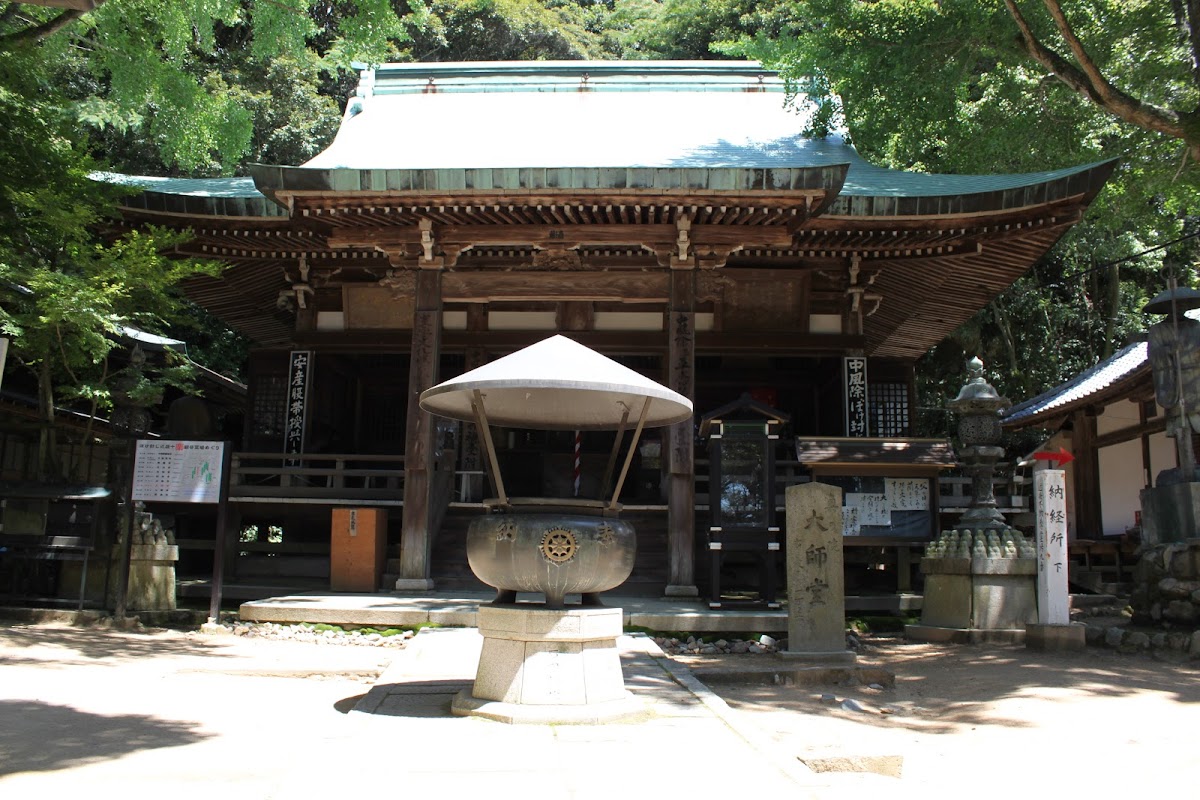
Located on Mt. Maya in Kobe City, Hyogo Prefecture, Dairyu-ji Temple is an ancient temple said to have been founded by Wake no Kiyomaro during the Nara period. It stands on the southern slope of the mountain, offering a superb location overlooking the city of Kobe.
Connection to Kobo Daishi
This temple has a deep connection to Kobo Daishi (Kukai), and it is said that he visited the temple twice, before and after his journey to Tang China. For this reason, it is known as a temple with strong ties to the Shingon sect of Buddhism.
Principal Image Designated as an Important Cultural Property
The principal image of Dairyu-ji Temple, a Nyoirin Kannon, is attributed to Gyoki and is designated as an Important Cultural Property. This Buddha statue is highly regarded as a masterpiece of Heian period Buddhist art and is a valuable artifact from an art historical perspective.
Nature and Scenery of Mount Maya
Mount Maya is a representative mountain of Kobe and a popular hiking destination. You can enjoy the natural beauty of Mount Maya in conjunction with a visit to Dairyu-ji Temple. It is especially crowded with hikers during the spring when the new leaves are out and the autumn when the leaves change color.
From near the summit, you can enjoy panoramic views of Kobe city and Osaka Bay, making it a famous spot for night views.
Access Information
The most common way to access Mount Maya is by using the Maya Cable Car and Ropeway. Access by car is also possible, but caution is advised as some mountain roads are narrow.
Other Dairyu-ji Temples
Dairyu-ji Temple in Kitaaiki Village, Nagano Prefecture
There is also a Dairyu-ji Temple in Kitaaiki Village, Minamisaku District, Nagano Prefecture. This temple, belonging to the Soto Zen sect, is nestled in a quiet mountainous environment.
Address: 2544 Kubo, Kitaaiki Village, Minamisaku District, Nagano Prefecture 384-1201
Kitaaiki Village is a region rich in nature, where you can enjoy the mountain scenery of each season.
Dairyu-ji Temple in the Aizu Region of Fukushima Prefecture
Dairyu-ji Temple also exists in the Aizu region of Fukushima Prefecture, and is cherished by the local community as a temple that conveys the history and culture of Aizu. Aizu is a historical region that was the stage of the Boshin War, and many temples and shrines remain as witnesses to that history.
Points to Note When Visiting Dairyu-ji Temple
Temple Visiting Etiquette
When visiting a temple, please observe the following basic manners:
- Attire: Please wear modest clothing.
- Photography: Do not take photos in areas where photography is prohibited, such as inside the main hall.
- Quietness: Please be quiet within the temple grounds.
- Offering: Please offer a monetary donation when praying.
- Time: Check the reception hours and visit with ample time.
Items to Check in Advance
It is recommended to check the following points before your visit:
- Opening Hours/Reception Hours
- Admission Fee
- Parking Availability and Number of Spaces
- Special Viewing Periods
- Experience Programs such as Zen Meditation and Sutra Copying
- Goshuin (Temple Seal) Issuance Hours
Especially during the autumn foliage season and special viewing periods, crowds are expected, so it is recommended to check the latest information on the official website or by phone.
To fully enjoy the charm of Dairyu-ji Temple
Seasonal Highlights
Spring (March-May):
- The beauty of fresh greenery
- Spring flowers (cherry blossoms, azaleas, etc.)
- Visiting in mild weather
Summer (June-August):
- Deep green gardens
- Visiting to seek coolness
- The perfect season for Zen meditation
Autumn (September-November):
- Spectacular autumn foliage (especially mid-November)
- Autumn foliage of Enkianthus perulatus (Gifu)
- Special autumn viewing
Winter (December-February):
- The tranquil temple grounds in a snowy landscape
- Visiting in the crisp winter air
- First shrine visit of the year (New Year’s Day)
Combining with surrounding sightseeing
Each Dairyu-ji Temple is surrounded by attractive tourist spots. Combining temple visits with enjoying the local culture and nature will make for a more fulfilling trip.
Around Dairyu-ji Temple in Gifu:
- Gifu Castle
- Nagara River Cormorant Fishing
- Gifu City Museum of History
Around Dairyu-ji Temple in Oga, Akita:
- Namahage Museum
- Oga Aquarium GAO
- Nyudozaki
Around Dairyu-ji Temple in Kita Ward, Tokyo:
- Tabata Literary Village Memorial Museum
- Former Furukawa Garden
- Rikugien Garden
Around Dairyu-ji Temple on Mount Maya in Kobe:
- Maya Mountain Kikuseidai (Night View Spot)
- Kobe Nunobiki Herb Garden
- Kitano Ijinkan District
Goshuin (Temple Seals) and Amulets
Goshuin Pilgrimage
Many Dairyu-ji Temples offer Goshuin (temple seals). Goshuin are popular as proof of worship and as souvenirs of travel. Bring your Goshuincho (stamp book) and request one at the reception desk during opening hours.
Each temple has its own unique Goshuin (temple stamp), reflecting the characteristics and history of the temple.
Amulets and Souvenirs
Each Dairyu-ji temple offers a variety of amulets and souvenirs:
- Dairyu-ji in Gifu: Prayer Daruma doll, Childbirth amulet
- Dairyu-ji in Tokyo: Academic success amulet (named after Masaoka Shiki)
- Others: Traffic safety, family safety, health prayers, etc.
Zen Meditation and Sutra Copying Experience
Zen Training Experience
Dairyu-ji, a Zen Buddhist temple, may regularly hold Zen meditation and sutra copying sessions. Through these experiences, you can spend valuable time calming your mind and confronting yourself.
Zen Meditation Points:
- Often suitable for beginners
- Wear comfortable clothing
- Advance reservations may be required
- Duration: Approximately 1-2 hours
Sutra Copying Points:
- Copy scriptures such as the Heart Sutra
- Cultivate concentration and inner peace
- Completed sutras can be offered or taken home
We recommend contacting each temple directly regarding the availability and schedule of these programs.
Summary
The “Dairyu-ji” temples scattered throughout Japan are each fascinating temples with their own unique history and characteristics. From the beauty of the Enkianthus perulatus in Gifu, to the harmony with nature in Oga, Akita, the literary value of Kita Ward in Tokyo, and the historical importance of Mount Maya in Hyogo, each temple is well worth visiting.
When planning your visit, understanding the characteristics of each temple and considering the season and time of day will allow for a deeper experience. By checking the reception hours and access methods in advance, and by observing proper etiquette and visiting with a peaceful heart, you can truly appreciate the beauty of Japanese temple culture.
We recommend obtaining the latest information by using the official website or contacting them by phone before your visit. Enjoy a peaceful moment at Dairyu-ji Temple, which displays different expressions throughout the seasons.