Complete Guide to Ikuta Shrine | 1800 Years of History and the Blessings of Matchmaking That Inspired the Name of Kobe
Ikuta Shrine, located in the heart of Sannomiya in Chuo Ward, Kobe City, is a venerable ancient shrine with a history of over 1800 years. Affectionately known as “Ikuta-san” by locals, it attracts many worshippers from all over Japan as a power spot for matchmaking and successful relationships. This article provides a detailed explanation of Ikuta Shrine’s history, blessings, highlights within the grounds, and access methods.
What is Ikuta Shrine?
Ikuta Shrine is a shrine located in Shimoyamatedori 1-chome, Chuo Ward, Kobe City, Hyogo Prefecture. It is a highly prestigious shrine, listed as a Shikinaisha (Myojin Taisha) and a former Kanpei Chusha (Kanpei Chusha). Along with Hirota Shrine and Nagata Shrine, it has a history dating back to Empress Jingu and is known as one of Kobe’s representative shrines.
The Origin of the Name Kobe
Ikuta Shrine is particularly famous as the shrine that gave rise to the name “Kobe.” In 806 (Enryaku 25th year, Daido 1st year), 44 households called “Kanbe” were built to serve the deities of Ikuta Shrine, and this is the origin of the current place name “Kobe.” It is clear that the area of what is now Kobe’s Chuo Ward was once part of Ikuta Shrine’s territory, indicating a deep connection between the entire region and the shrine.
Meaning of “Ikuta”
“Ikuta” was originally written as “活田” (Ikuta). This means “a place overflowing with vibrant life force,” symbolizing the growth and prosperity of all things. This name explains why Ikuta Shrine is known for its blessings related to vitality and matchmaking.
Deity
The main deity of Ikuta Shrine is Wakahirume-no-Mikoto.
Wakuhime-no-Mikoto is a fresh, sun-loving goddess, sometimes called the child, younger sister, or Nigimitama (peaceful spirit) of Amaterasu-Omikami, the sun goddess. Nigimitama represents the peaceful and gentle aspect of a deity, signifying the divine nature that brings blessings such as sunlight and rain.
Goddess of Weaving
Wakuhime-no-Mikoto is also known as the goddess of weaving, and has been worshipped as the protector of all things, the guardian deity of clothing, food, and shelter. Weaving has been an important occupation for women since ancient times, and from this, she came to be revered as a goddess of matchmaking and successful love.
History
Founding and Ancient Times
Ikuta Shrine has an extremely ancient history; the Nihon Shoki (Chronicles of Japan) contains a description of its founding in the 3rd century. The founding of Ikuta Shrine is said to originate from an oracle given by Empress Jingu on her return from an expedition to the Three Kingdoms of Korea. When her ship became stuck near present-day Kobe Port, she consulted a divine oracle, instructing her to “enshrine the deity in Ikuta-Nagao-no-kuni.”
As a result, Ikuta Shrine is positioned as one of Japan’s oldest shrines, alongside Izumo Taisha, Omiwa Shrine, Sumiyoshi Taisha, and Hiyoshi Taisha.
Medieval and Early Modern Periods
During the Heian period, it already enjoyed deep reverence from the imperial court and was listed as a Myojin Taisha (a major shrine) in the Engishiki Jinmyocho (a list of shrines compiled in the Heian period). In the medieval period, it was a battleground during the Genpei War, and fierce fighting took place in the Ikuta Forest within the shrine grounds during the Battle of Ichi-no-Tani in 1184 (Juei 3).
From the Sengoku period to the Edo period, it received protection from successive rulers, and its land holdings and shrine buildings were maintained and repaired.
Modern Era
During the Meiji era’s shrine ranking system, it was ranked as a Kanpei Chusha (a medium-ranked government-supported shrine), and it attracted the faith of citizens along with the development of Kobe. During World War II, the shrine buildings were destroyed in the Kobe air raids, but it was rebuilt after the war, with the main hall reconstructed in the 1950s.
It suffered significant damage again in the 1995 Great Hanshin-Awaji Earthquake, but it was rebuilt and is now cherished as a symbol of Kobe’s recovery.
Legends and Folklore
Legends of Ikuta Forest
The “Ikuta Forest” within the shrine grounds is a famous place that has been celebrated in many legends and poems since ancient times. Ariwara no Narihira, a poet of the Heian period, also visited Ikuta Forest and composed a waka poem praising its beauty.
The Genpei War and Ikuta Forest
In the Battle of Ichi-no-Tani in 1184, Taira no Tomomori, a general of the Taira clan, set up camp in Ikuta Forest and engaged in a fierce battle with the Minamoto forces. This battle is described in detail in “The Tale of the Heike,” and Ikuta Forest is known as a historical battlefield.
Symbol of Reconstruction
Ikuta Shrine, which has recovered from two major disasters—the Kobe air raids and the Great Hanshin-Awaji Earthquake—is considered a symbol of the power to overcome difficulties, known as the “Shrine of Rebirth” and the “Shrine of Reconstruction.”
Shrine Grounds
Tower Gate
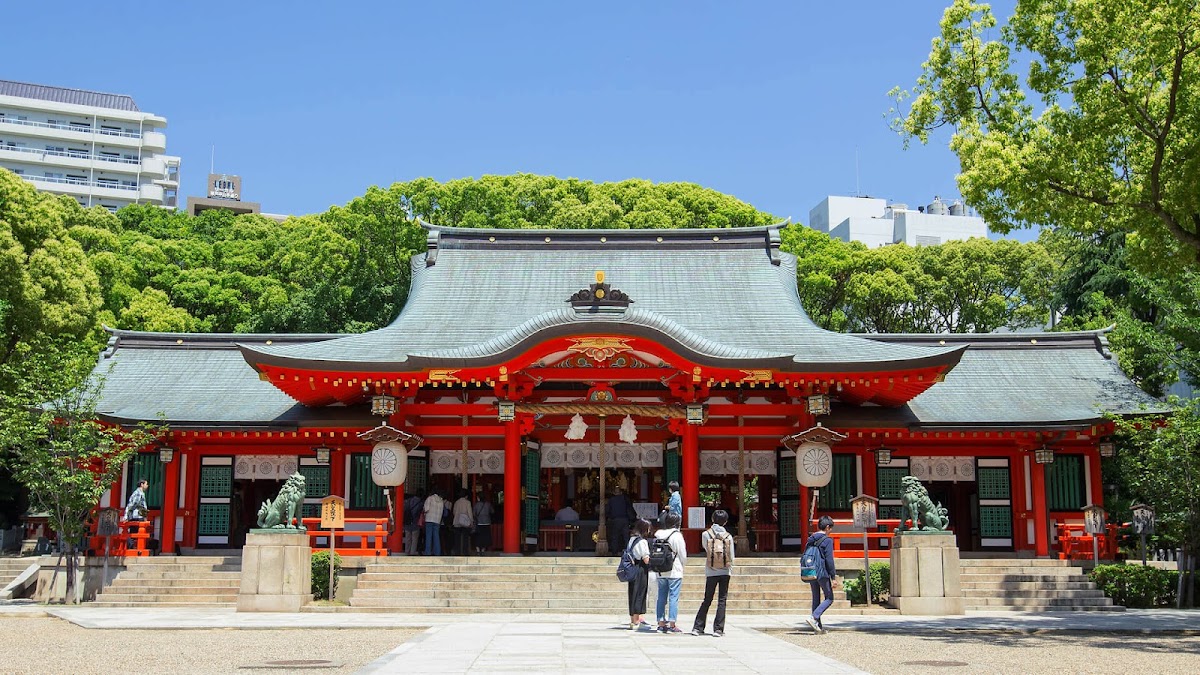
Heading north from Sannomiya Station, visitors are greeted by a beautiful vermilion tower gate. This gate is one of the symbols of Ikuta Shrine, exuding a sacred atmosphere despite its location in the heart of the city.
Main Hall
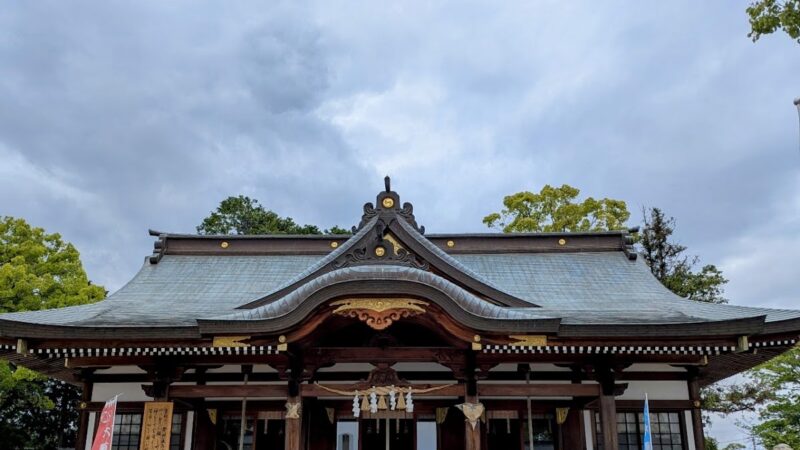
The main hall was rebuilt after the war and is based on the Shinmei-zukuri architectural style. The vermilion-painted shrine is vibrant, and it boasts a spacious interior, which is unusual for a shrine in an urban area.
Ikuta Forest
The “Ikuta Forest,” which spreads out at the back of the shrine grounds, is cherished as an oasis in the city. A stream flows through the forest, surrounded by lush trees, creating a tranquil space that allows you to forget the hustle and bustle of the city.
Within the forest lies “Ikuta Pond,” where you can enjoy “water fortune-telling.” These unique fortune-telling slips, where characters appear when dipped in water, are popular with many visitors.
Knife Mound
The Knife Mound, built to express gratitude for the improvement of chefs’ skills and for ingredients, is a popular spot for those involved in the culinary industry.
Matsuo Shrine
One of the shrine’s subsidiary shrines, dedicated to the god of sake brewing. Kobe is close to “Nada Gogo,” one of Japan’s leading sake-producing regions, and it attracts the devotion of those involved in sake brewing.
Approach to the Shrine
The approach to Ikuta Shrine is a well-maintained path leading north from the bustling Sannomiya shopping district. Despite its urban location, shops line the approach, making it enjoyable to stroll before or after your visit.
As you proceed along the approach to the shrine, you will find the Ikuta Shrine Hall, where weddings and various other events are held. Ikuta Shrine is highly popular as a shrine for matchmaking and as a wedding venue.
Festivals
Annual Festival (Spring Festival)
The annual spring festival, held on April 15th every year, is the most important festival at Ikuta Shrine. It features a portable shrine procession and Kagura (sacred dance) performances, attracting many worshippers.
Autumn Festival
The autumn festival is held in October, praying for a bountiful harvest and the prosperity of the region.
New Year’s Visit
Ikuta Shrine, known for its blessings in matchmaking, attracts approximately 1.5 million visitors for its New Year’s visit, making it one of the most visited shrines in Hyogo Prefecture.
Setsubun Festival
On Setsubun in February, a bean-throwing ceremony is held, sometimes attended by local celebrities and athletes.
Branch Shrines
Ikuta Shrine has branch shrines located throughout Japan. The main branch shrines include:
- Ikuta Shrine (Tokyo): A branch shrine also exists within Tokyo.
- Various Wakahi-hime Shrines: Shrines dedicated to Wakahi-hime are scattered throughout Japan, and their connection to Ikuta Shrine has been noted.
Events Held at the Shrine
Visits by Celebrities
In recent years, Ikuta Shrine has become known for being visited by celebrities such as athletes, artists, and actors. In particular, many athletes visit to pray for victory before matches, giving Ikuta Shrine an aspect as a “shrine of victory.”
Weddings
As a shrine for matchmaking, weddings at Ikuta Shrine are very popular. Shinto wedding ceremonies are held at the Ikuta Shrine Hall, where many couples celebrate the beginning of their lives together.
Cultural Events
Located in the heart of Kobe City, the shrine collaborates with local cultural events, hosting various events throughout the seasons.
Cultural Events
Due to its location in the center of Kobe City, the shrine collaborates with local cultural events, hosting a variety of events throughout the seasons. ## Benefits
Ikuta Shrine is particularly known for the following benefits:
Matchmaking and Romantic Success
The most famous benefit is matchmaking and romantic success. Many worshippers seeking good fortune in love visit the shrine due to the gentle and enveloping divine power of Wakuhirume-no-Mikoto. The bracelet-type matchmaking charm called “Tamaki” is especially popular.
Prayer for Safe Childbirth
Ikuta Shrine, a symbol of vitality, also attracts many worshippers praying for safe childbirth. Pregnant women and their families visit to pray for a safe delivery.
Health and Longevity
As the name “Ikuta” (活田) suggests, it is believed to offer benefits related to vitality and health.
Career Success and Success in Competitions
In recent years, the number of athletes visiting the shrine has increased, and many worshippers pray for success in competitions and work.
Access
By Train
- 10-minute walk north from JR Sannomiya Station
- 10-minute walk north from various private railway lines (Hankyu, Hanshin, Subway) at Sannomiya Station
- 20-minute walk south from JR Shin-Kobe Station (Shinkansen)
- 10-minute walk from Sannomiya Station (one subway stop from JR Shin-Kobe Station)
Sannomiya Station is the central station of Kobe, offering convenient access from various directions. From the station to Ikuta Shrine, it’s easiest to follow “Ikuta Road” heading north.
By Car
- Approximately 5 minutes from Ikutagawa IC or Kyobashi IC on the Hanshin Expressway Route 3 Kobe Line
- Private parking available (fee applies)
Due to heavy traffic in downtown Kobe, using public transportation is recommended on weekends and during festivals.
Taxi
- Approximately 5 minutes by taxi from JR Shin-Kobe Station
- Approximately 3 minutes by taxi from the Sannomiya Station area
Nearby Attractions, Historical Sites, Cultural Sites, and Tourist Facilities
There are many tourist spots around Ikuta Shrine.
Kitano Ijinkan District
Located about a 15-minute walk north from Ikuta Shrine, this is a tourist spot lined with Western-style buildings from the Meiji era. The exotic atmosphere of the town makes it one of Kobe’s representative tourist destinations.
Sannomiya Center Street
Kobe’s largest shopping and dining district. Convenient for visiting before or after visiting Ikuta Shrine.
Higashi Yuenchi Park
A park containing the “1.17 Light of Hope” memorial for the Great Hanshin-Awaji Earthquake. A memorial service is held here every year on January 17th.
Kobe City Museum
A museum where you can learn about Kobe’s history and culture, including exhibits on the history of Ikuta Shrine.
Nankinmachi (Chinatown)
One of Japan’s three major Chinatowns, alongside Yokohama and Nagasaki, offering authentic Chinese cuisine. It’s about a 15-minute walk from Ikuta Shrine.
Kobe Harborland
A shopping and entertainment district facing Kobe Port, known for its beautiful night views.
Points of Interest for Visitors
Water Fortune Slips
The water fortune slips, enjoyed in the pond of Ikuta Forest, are a specialty of Ikuta Shrine. These mysterious fortune slips reveal characters when dipped in water, making them a memorable souvenir.
“Tamaki” Amulet for Finding Love
The bracelet-type amulet “Tamaki” is believed to attract good fortune in love and is popular, especially among young women.
Goshuin (Shrine Seals)
In addition to regular goshuin, Ikuta Shrine also offers seasonal limited-edition goshuin. There are also multiple designs of goshuin notebooks, making them popular with collectors. Limited-edition goshuin are announced on the official website and social media, so it’s a good idea to check them.
A Stroll Through Ikuta Forest
After visiting the shrine, be sure to take a stroll through Ikuta Forest. It’s a tranquil space that feels far removed from the heart of the city, offering a peaceful retreat.
The Modern Charm of Ikuta Shrine
Popularity on Social Media
Ikuta Shrine operates an official Instagram account (@ikuta_jinja) with over 30,000 followers. Seasonal scenery and festival events are shared, making it popular with younger generations.
A Hub for Kobe Sightseeing
Located in Sannomiya, the heart of Kobe, it’s an ideal starting point or rest stop for Kobe sightseeing. Its location makes it easy to plan a day trip combining shrine visits and sightseeing.
Harmony Between City and Nature
Despite being in an urban area with towering skyscrapers, the Ikuta Forest within the shrine grounds retains abundant nature, creating a precious space where you can feel the harmony between city and nature.
Summary
Ikuta Shrine boasts a history of over 1800 years and is a venerable shrine that is the origin of the name Kobe. Known nationwide as a power spot for matchmaking and successful relationships, Ikuta Shrine attracts many visitors throughout the year.
Despite its convenient location just a 10-minute walk from Sannomiya Station, the shrine grounds offer a tranquil escape from the hustle and bustle of the city. When sightseeing in Kobe, be sure to visit Ikuta Shrine to experience its history, blessings, and the natural beauty within the city.
Ikuta Shrine is worth visiting for various purposes, including New Year’s prayers, prayers for matchmaking, prayers for safe childbirth, and as a journey to experience Kobe’s history. A wide variety of souvenirs are available, such as water fortune slips and the “Tamaki” amulet for matchmaking, allowing you to take home a memento of your visit.