Complete Guide to Wakamiya Hachimangu Shrine | A Thorough Explanation of Major Shrines, History, Benefits, and How to Visit Them Nationwide
Wakamiya Hachimangu Shrines are shrines associated with the Minamoto clan, scattered throughout Japan. As the name “Wakamiya of Hachimangu” suggests, they refer to shrines that were branched off from powerful Hachimangu shrines such as Usa Jingu, Iwashimizu Hachimangu, and Tsurugaoka Hachimangu. This article provides a comprehensive explanation of Wakamiya Hachimangu, from its history to major Wakamiya Hachimangu shrines nationwide, their benefits, and how to visit them.
What is Wakamiya Hachimangu? | Hachiman Faith and the Guardian Deity of the Minamoto Clan
Wakamiya Hachimangu Shrine is the tutelary shrine of the Minamoto clan, and has been worshipped primarily by the samurai class and their descendants of the Minamoto clan. The name “Wakamiya” has two meanings.
One is “Wakamiya of Hachimangu,” referring to shrines that enshrine Emperor Nintoku (Ōsazaki no Mikoto), the son of Emperor Ōjin, who is the Hachiman deity. Another meaning is “a new shrine welcomed from the main Hachiman shrine,” in which case Emperor Ōjin himself may be enshrined.
Wakamiya Hachiman Shrines are known by various names depending on the region, such as “Wakamiya Hachiman Shrine,” “Wakamiya Hachiman Shrine,” and “Wakamiya Hachiman Shrine.” They are deeply connected to the Hachiman faith, the guardian deity of samurai, and have received fervent reverence from samurai throughout Japan.
The Relationship Between Hachiman Faith and Wakamiya
Hachiman faith is a unique Japanese Shinto belief with Emperor Ōjin as its principal deity. The Minamoto clan revered Hachiman as their tutelary deity, leading to a special status in samurai society. Wakamiya Hachiman Shrines were established throughout Japan as Hachiman faith spread, becoming established as guardian deities of their respective regions.
Major Wakamiya Hachiman Shrines Nationwide | Detailed Regional Guide
Numerous Wakamiya Hachiman Shrines exist throughout Japan. Here, we introduce historically and culturally significant Wakamiya Hachiman Shrines by region.
Wakamiya Hachiman Shrine, Nagoya City, Aichi Prefecture
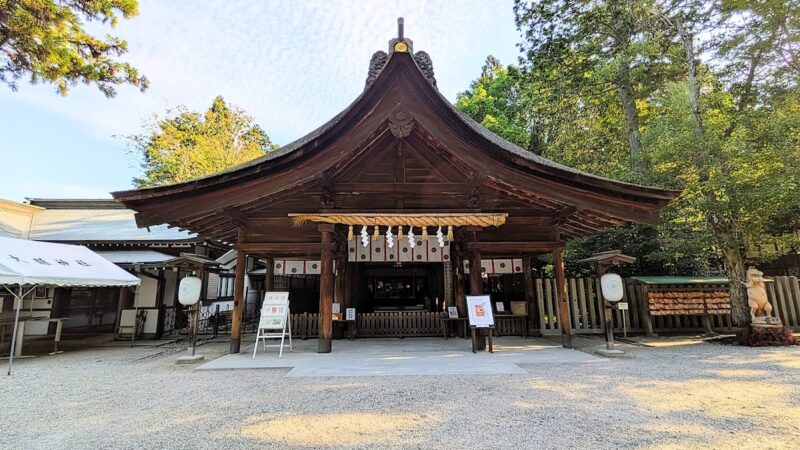
Wakamiya Hachiman Shrine, located in Sakae, Naka Ward, Nagoya City, is said to have been founded in Imaichiba, Nagoyano-sho during the reign of Emperor Monmu. It was rebuilt during the Engi era (901-923), and although it was destroyed by fire in 1532 (Tenbun 1) when Oda Nobuhide attacked Nagoyano Castle, it was rebuilt in 1539 (Tenbun 8).
Toyotomi Hideyoshi donated 200 koku of land to the shrine, and in 1610 (Keicho 15), Tokugawa Ieyasu relocated it to its current location when Nagoya Castle was built. As a god of war, protection against foreign enemies, and protection of the territory, it received deep devotion from samurai warriors, and Tokugawa Mitsutomo, the second lord of the Owari Domain, had the shrine buildings constructed in 1664 (Kanbun 4).
The annual festival held in May is called the “Wakamiya Festival” and is famous as one of Nagoya’s three major festivals. With a history spanning 300 years, the main festival on the 16th features a grand procession of portable shrines and floats, with Nagoyano Shrine serving as the temporary resting place.
Access Information: Approximately 5 minutes on foot from Yabacho Station on the Meijo Subway Line.
Wakamiya Hachimangu Shrine (Shrine for Beauty Prayer), Kyoto City, Kyoto Prefecture
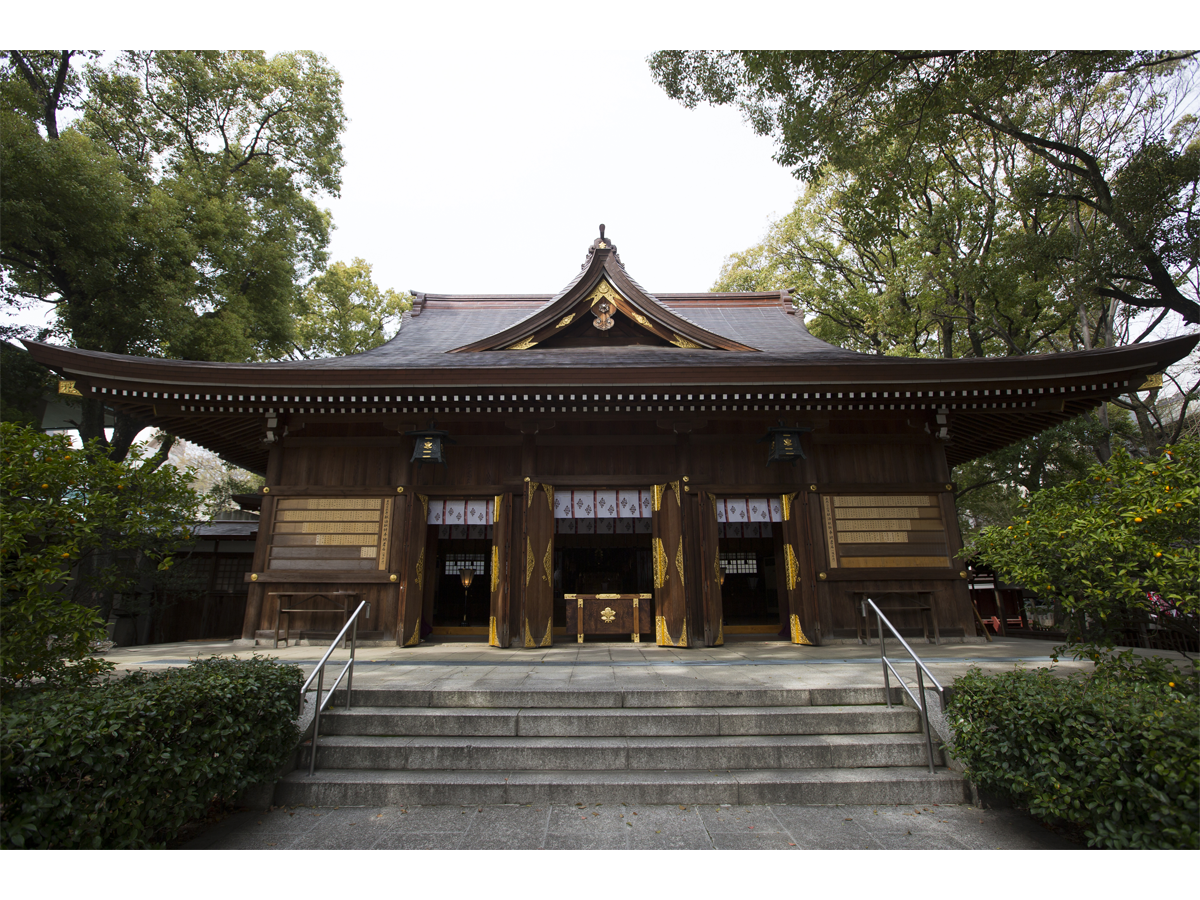
Wakamiya Hachimangu Shrine, located on Gojozaka in Higashiyama Ward, Kyoto City, is known as a “Shrine for Beauty Prayer.” Originally located in Rokujo Samegai, it is said to have been established by Minamoto no Yoriyoshi (father of Hachiman Taro Yoshiie) as the young Hachiman shrine.
Initially, it was also called “Rokujo Hachiman” and “Samenou Hachiman,” and attracted the faith of the Minamoto clan and many samurai. During the Muromachi period, it flourished under the reverence of successive Ashikaga shoguns, but the shrine buildings were devastated by the Onin War, and the shrine grounds were moved several times. The shrine was moved to its current location in 1605 (Keicho 10), and the present shrine building was rebuilt in 1654 (Shoo 3).
The main hall enshrines Emperor Chuai, Emperor Ojin, and Empress Jingu, while Emperor Chukyo is enshrined in the auxiliary hall. Known for its blessings of beauty and safe childbirth, it is particularly popular with female worshippers. The Wakamiya Festival and its accompanying Pottery Festival are held annually from August 7th to 10th.
Access Information: Approximately 10 minutes on foot from Keihan Railway “Kiyomizu-Gojo Station,” or immediately after alighting at “Gojo-zaka” bus stop.
Wakamiya Hachimangu Shrine, Kochi City, Kochi Prefecture
Wakamiya Hachimangu Shrine, located in Nagahama, Kochi City, is a shrine deeply connected to Chosokabe Motochika, a warlord of Tosa Province during the Sengoku period. It attracted the faith of the Chosokabe clan and played an important role in the history of the region.
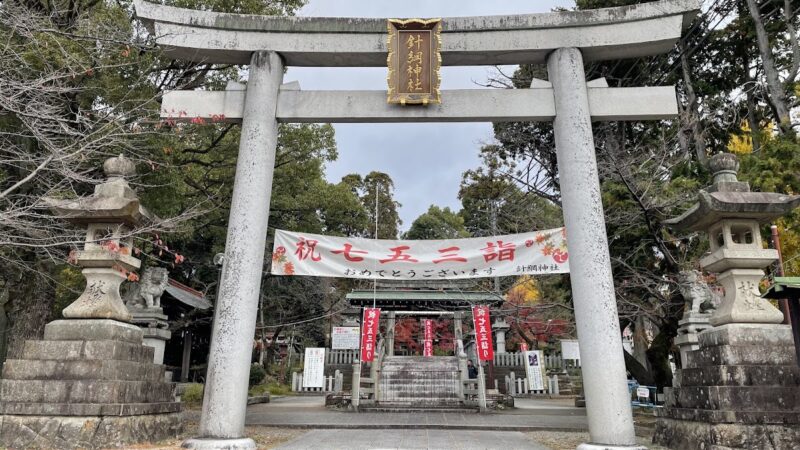
The shrine grounds also house the Hata Shrine, and it is a beloved place for local residents to celebrate life events such as the first shrine visit for a newborn and Shichi-Go-San (a traditional rite of passage for children). Seasonal festivals and events are also held, and the Wakamiya Shinto ossuary is located there.
Access Information: Approximately 15 minutes on foot from Tosa Electric Railway’s “Sanbashidori 5-chome Station”
Wakamiya Hachimangu Shrine, Kawasaki City, Kanagawa Prefecture
Wakamiya Hachimangu Shrine, located in front of Daishi Station in Kawasaki Ward, Kawasaki City, is cherished as the guardian shrine of Daishigawara. It is said to have originated when parishioners of Hachimanzuka Rokugo Shrine (Higashi Rokugo, Ota Ward, Tokyo) relocated to Daishigawara for land reclamation, and enshrined a divided deity there.
The enshrinement of Emperor Nintoku was done with flood control of the Tama River in mind. Emperor Nintoku is revered as the guardian deity of land reclamation projects because he completed flood control work on the Yodo River, and the shrine embodies the prayers of the people of Daishigawara who suffered from floods of the Tama River.
The annual festival is held on the second Saturday and Sunday of August.
Access Information: Approximately 5 minutes on foot from Kawasaki Daishi Station on the Keikyu Daishi Line.
Wakamiya Hachimangu Shrine (Kawarabe-san), Nirasaki City, Yamanashi Prefecture
Wakamiya Hachimangu Shrine, located in Honmachi, Nirasaki City, is affectionately known as “Kawarabe-san.” The enshrined deity is Ōsasagi-no-Mikoto (Emperor Nintoku), and the shrine was founded during the Heian period.
Conveniently located a 5-minute walk from JR Nirasaki Station, it offers services such as shrine visits for newborns, Shichi-Go-San (children’s festival), prayers for passing exams, and ground-breaking ceremonies. At the shrine office, in addition to Goshuin (stamped seals), amulets related to ivermectin, the work of Dr. Satoshi Omura, a Nobel laureate in Physiology or Medicine, are also available.
Access Information: Approximately 5 minutes on foot from JR Chuo Main Line “Nirasaki Station”
Wakamiya Hachimangu Shrine, Okazaki City, Aichi Prefecture
Wakamiya Hachimangu Shrine, located in Asahi-cho, Okazaki City, is known for housing the burial mound of Matsudaira Nobuyasu, the eldest son of Tokugawa Ieyasu. Nobuyasu committed suicide at the young age of 21 in Futamata Castle in 1579.
Afterward, his senior retainer, Ishikawa Kazumasa, became the castellan of Okazaki Castle. However, after Nobuyasu’s death, strange phenomena repeatedly occurred within Okazaki Castle. A memorial tower and burial mound were erected on the shrine grounds, and his remains were respectfully enshrined there. As a historical site associated with the Tokugawa family, it is a popular destination for history enthusiasts.
Access Information: Take a bus from Higashi-Okazaki Station on the Meitetsu Nagoya Main Line.
Benefits of Wakamiya Hachimangu Shrine | Diverse Divine Virtues
The benefits of Wakamiya Hachimangu Shrine vary depending on the enshrined deity and the shrine’s history, but here are some of the main ones.
Long-lasting Military Fortune and Victory
As the tutelary shrine of the Minamoto clan and a shrine dedicated to Hachiman, it is believed to grant benefits for long-lasting military fortune and victory in competitions. In modern times, many worshippers visit to pray for success in exams and business ventures.
Beauty and Matchmaking
Wakamiya Hachimangu Shrine in Kyoto is particularly famous as a “shrine for praying for beauty.” It is believed to grant benefits for achieving beauty, finding a good partner, and achieving romantic success, and beauty charms are also given out. It is a popular shrine for women who wish to become beautiful both inside and out.
Safe Childbirth and Child-rearing
Wakamiya Hachimangu Shrine, which enshrines Emperor Nintoku, is believed to grant benefits for safe childbirth and protection of children. It is a popular place for visits to celebrate a baby’s first shrine visit and Shichi-Go-San (a traditional Japanese rite of passage for children).
Flood Control and Abundant Harvest
Because Emperor Nintoku carried out flood control work on the Yodo River, the shrine is also believed to offer blessings for flood control, protection from water-related disasters, and abundant harvests. In some cases, like the Wakamiya Hachimangu Shrine in Kawasaki, it is enshrined as a guardian deity of reclaimed land.
Protection from Foreign Enemies and Guardianship of the Territory
Some shrines, like the Wakamiya Hachiman Shrine in Nagoya, are believed to offer blessings for protection from foreign enemies and guardianship of the territory, as they are considered gods of war. Many visitors pray for family safety and peace in their communities.
How to Visit Wakamiya Hachimangu Shrine | Correct Etiquette and Manners
This guide outlines the basic etiquette for visiting Wakamiya Hachimangu Shrine.
Basic Procedure for Visiting
- Bow Before Passing Through the Torii Gate: As a sign of respect before entering the sacred area, bow before the torii gate.
- Purify yourself at the water basin: Purify your left hand, then your right hand. Rinse your mouth with water in your left hand, and finally purify your left hand again.
- Walk along the edge of the path: The center of the path is considered the path of the gods, so walk along the edge.
- Two bows, two claps, and one bow in front of the main hall: Place your offering, ring the bell, and pray using the two bows, two claps, and one bow ritual.
- Bow once upon leaving: Turn around and bow once as you leave the torii gate.
Receiving a Prayer
If you wish to perform a formal worship service or receive a prayer, it is recommended to contact the shrine in advance to make a reservation. Prayers are available for various purposes, such as a baby’s first shrine visit, Shichi-Go-San (7-5-3) festival, protection from evil, and success in exams.
The prayer fee (offering) varies depending on the shrine, but generally ranges from 5,000 to 10,000 yen. After the prayer, you will receive amulets and talismans.
Receiving a Goshuin (Shrine Seal)
Many Wakamiya Hachimangu shrines offer Goshuin. Bring your Goshuincho (seal book) and politely request one at the shrine office or reception area after your visit. The Goshuin fee is usually around 300 to 500 yen.
Since it is given as proof of your visit, please avoid requesting a Goshuin without offering prayers.
Annual Events at Wakamiya Hachimangu | Main Festivals and Seasonal Events
Wakamiya Hachimangu shrines hold various festivals and events throughout the year.
Annual Grand Festival (Wakamiya Festival)
Many Wakamiya Hachimangu shrines hold their annual grand festival in May or August. At the Wakamiya Hachimangu shrine in Nagoya, the “Wakamiya Festival” is held on May 15th and 16th, featuring a portable shrine procession and float parade. At Wakamiya Hachimangu Shrine in Kyoto, the Wakamiya Festival and Pottery Festival will be held from August 7th to 10th.
New Year’s Visit
Many worshippers visit the shrine for their first shrine visit of the new year. They pray for safety and peace throughout the year and for happiness in the new year.
Setsubun Festival
The Setsubun Festival is held around February 3rd, with bean-throwing and prayers for warding off evil.
Shichi-Go-San Festival
Around November 15th, Shichi-Go-San visits take place. The shrine is bustling with families praying for the healthy growth of their children.
The History of Wakamiya Hachimangu Shrine and the Minamoto Clan | Deep Ties with Samurai Society
The relationship with the Minamoto clan is indispensable when discussing the history of Wakamiya Hachimangu Shrine.
Minamoto no Yoriyoshi and the Founding of Wakamiya Hachimangu Shrine
It is said that Wakamiya Hachimangu Shrine in Kyoto was founded by Minamoto no Yoriyoshi as the young shrine of Hachiman. Minamoto no Yoriyoshi was a military commander in the mid-Heian period who distinguished himself in the Former Nine Years’ War, establishing the Minamoto clan’s position as a leading samurai family. His son, Minamoto no Yoshiie (Hachiman Taro Yoshiie), also deeply devoted himself to Hachiman worship, strengthening the connection between the Minamoto clan and the Hachiman deity.
Minamoto no Yoritomo and Tsurugaoka Hachimangu Shrine
Minamoto no Yoritomo, who founded the Kamakura Shogunate, revered Tsurugaoka Hachimangu Shrine as the Minamoto clan’s tutelary deity and placed it at the center of Kamakura. Wakamiya Hachimangu shrines, which were established by inviting the deity from Tsurugaoka Hachimangu Shrine, also exist in various locations.
The Ashikaga Clan in the Muromachi Period
The Ashikaga clan, who founded the Muromachi Shogunate, were also a branch of the Minamoto clan and continued to revere Wakamiya Hachimangu Shrine. The Wakamiya Hachimangu Shrine in Kyoto attracted the devotion of successive Ashikaga shoguns and flourished.
Tokugawa Ieyasu and Wakamiya Hachimangu Shrine
Tokugawa Ieyasu also claimed to be a descendant of the Minamoto clan and placed great importance on Hachiman worship. When Nagoya Castle was built, Wakamiya Hachimangu Shrine was relocated to its current location and flourished under the patronage of the Owari Tokugawa family.
Architecture and Cultural Properties of Wakamiya Hachimangu Shrine | Shrine Buildings that Tell the Story of History
The shrine buildings and cultural properties of Wakamiya Hachimangu Shrine convey the architectural styles and forms of faith of each era.
Characteristics of Shrine Architecture
Many Wakamiya Hachimangu shrines have shrine buildings that were rebuilt during the Edo period. The shrine building of Wakamiya Hachimangu Shrine in Kyoto was rebuilt in 1654 (Shoo 3) and retains the characteristics of early Edo period shrine architecture.
Architectural styles vary from shrine to shrine, including the Gongen-zukuri style, where the main hall, worship hall, and offering hall are integrated, and the Shinmei-zukuri style, which has a separate main hall.
Cultural Property Designation
Some Wakamiya Hachimangu shrines have shrine buildings and sacred treasures designated as cultural properties. Buildings and works of art and crafts of high historical value are preserved and carefully protected as part of Japan’s cultural heritage.
Practical Information for Visiting Wakamiya Hachimangu Shrine | Access and Visiting Hours
This section summarizes practical information useful when visiting Wakamiya Hachimangu Shrine.
Visiting Hours
While most Wakamiya Hachimangu shrines allow 24-hour entry to the grounds, the reception hours for the shrine office and gift shop are usually from 9:00 AM to around 5:00 PM. It is recommended to check in advance if you wish to have prayers or blessings performed.
Parking Information
Some Wakamiya Hachimangu shrines in urban areas may not have dedicated parking lots. Using public transportation is convenient. Shrines in suburban areas often have parking facilities, but be aware that they can get crowded during festivals.
Best Time to Visit
Wakamiya Hachimangu Shrine can be visited throughout the year, but it is especially crowded during the annual festival. For a quiet visit, weekday mornings are recommended. Crowds are expected during the New Year’s visit and Shichi-Go-San (children’s festival).
Barrier-Free Accessibility
While many shrines have become more barrier-free in recent years, the historic Wakamiya Hachimangu Shrine may still have stairs and steps. If you wish to visit in a wheelchair, it is recommended to contact the shrine in advance.
Amulets and Souvenirs at Wakamiya Hachimangu Shrine | Popular Lucky Charms
Wakamiya Hachimangu Shrine offers a variety of amulets and souvenirs.
Beauty Amulet (Wakamiya Hachimangu Shrine, Kyoto)
At Wakamiya Hachimangu Shrine in Kyoto, the “Beauty Amulet,” specially blessed to bestow the blessings of a beautiful deity, is very popular. It is an amulet that expresses the wish for beauty in both body and mind, a woman’s dream.
Victory Amulet / Success Amulet
As a shrine associated with the Minamoto clan, many amulets for victory and success in exams are also offered. They are popular among students and athletes.
Safe Childbirth Amulet / Child-Rearing Amulet
Wakamiya Hachimangu Shrine, which enshrines Emperor Nintoku, offers amulets for safe childbirth and child-rearing. Popular with pregnant women and families with young children.
Goshuincho (Stamp Book)
Wakamiya Hachimangu Shrine also offers its own original goshuincho. Its design, reflecting the shrine’s history and characteristics, is a major draw.
Summary | The Charm of Wakamiya Hachimangu Shrine and the Significance of Visiting
Wakamiya Hachimangu Shrine is an important shrine that preserves the Hachiman faith associated with the Minamoto clan. Wakamiya Hachimangu shrines scattered throughout Japan have each cultivated their own unique history and faith in their respective regions.
It offers a variety of blessings, including military success, beauty, safe childbirth, and flood control, and continues to attract many worshippers today. With numerous historical buildings and cultural assets, it is a valuable place to experience traditional Japanese culture.
When visiting Wakamiya Hachimangu Shrine, knowing its unique history and origins will provide a deeper pilgrimage experience. Why not quietly visit the shrine, reflecting on the history of the Minamoto clan and Hachiman faith, its connection to the region, and the form of faith that has been passed down to the present day?
Each Wakamiya Hachimangu shrine in Japan has its own unique charm. From the magnificent festivals of Nagoya and the prayers for beauty in Kyoto to the history of Kochi and the flood control beliefs of Kawasaki, you can have a different experience depending on the shrine you visit. We encourage you to visit several Wakamiya Hachimangu shrines and experience the profound depth of Japanese shrine culture.