Complete Guide to Sahimeyama Shrine: The Guardian Deity of Iwami Silver Mine and the Charm of One of Japan’s Largest Mountain Shrines
What is Sahimeyama Shrine?
Sahimeyama Shrine is a shrine located within the Iwami Silver Mine site in Omori-cho, Oda City, Shimane Prefecture. As one of the constituent assets of the World Heritage Site “Iwami Silver Mine Site and its Cultural Landscape,” it occupies an extremely important position both historically and culturally.
Founded in the mid-15th century, this shrine has served as a spiritual anchor for the people living in the silver mine, serving as the guardian deity of the mine. Affectionately known locally as “Yamagami-san” (Mountain God), it continues to quietly watch over the Iwami Silver Mine.
The Largest Mountain Shrine in Japan
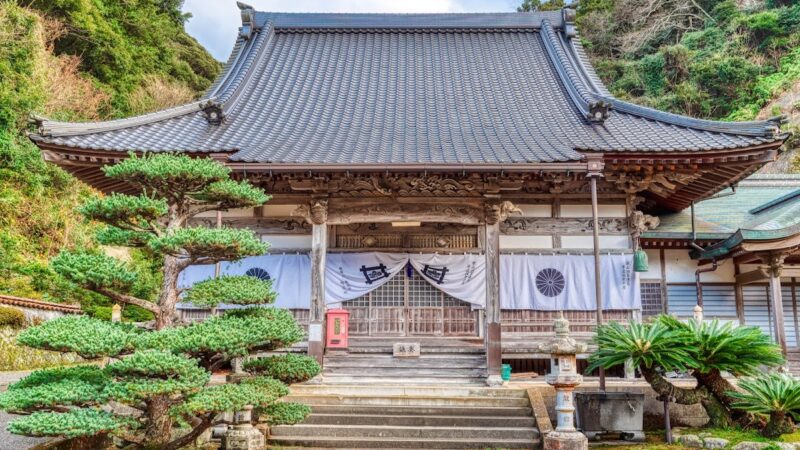
The most striking feature of Sahimeyama Shrine is its magnificent scale. It boasts the largest scale among mountain shrines in Japan, with the main hall, offering hall, worship hall, and Kagura hall neatly arranged. The multi-layered roof of the main hall, in particular, is unique to shogunate territories and is a valuable architectural style that tells the history of the Iwami Silver Mine, which was a direct territory of the shogunate during the Edo period.
History of Sabimeyama Shrine
Circumstances of its Founding
It is said that Sabimeyama Shrine was founded in 1434 (Eikyo 6) by Ouchi Mochiyo, the daimyo of Suo Province, at the command of Ashikaga Yoshinori, the shogun of the Muromachi shogunate. It was established by inviting a divided spirit from Sabimeyama Shrine, which is located on Hirefuriyama in Masuda City.
Interestingly, this shrine was already located in this area a century before the full-scale development of the Iwami Silver Mine began. This suggests the possibility that mining development had been carried out in this region since ancient times.
Deep Connections to the Iwami Silver Mine
In the 16th century, as the Iwami Silver Mine began to be developed on a large scale, the Sabimeyama Shrine strengthened its role as the guardian deity of the silver mine. The mine’s rulers and miners visited the shrine to pray for safety during the dangerous mining operations and for the discovery of rich ore veins.
From the Sengoku period to the Edo period, the Iwami Silver Mine flourished as one of Japan’s largest silver mines, and at its peak, it is said to have accounted for approximately one-third of the world’s silver production. Behind this prosperity was always the faith in the Sabimeyama Shrine.
Construction of the Current Shrine
The current building was rebuilt in 1819 (Bunsei 2). The shrine, which embodies the pinnacle of late Edo period architecture, still retains its magnificent appearance even after more than 200 years. The complex of buildings, including the main shrine, offering hall, worship hall, and Kagura hall, conveys the prosperity of the Iwami Silver Mine at the time and the depth of the people’s faith.
Deity Enshrined: Kanayamahiko-no-Mikoto
The principal deity of Sabimeyama Shrine is Kanayamahiko-no-Mikoto. Kanayamahiko-no-Mikoto is known as the god of mining and smelting in Japanese mythology.
Myth of Kanayamahiko-no-Mikoto
According to the Kojiki and Nihon Shoki, Kanayamahiko-no-Mikoto is said to have been born from the pain of Izanami-no-Mikoto giving birth to Kagutsuchi-no-Kami, the god of fire. Along with Kanayamahime-no-Mikoto, who was born at the same time, he has been revered as a god associated with mining and metals.
As the Guardian Deity of the Mines
Kanayamahiko-no-Mikoto has been worshipped as the god who presides over the safety of miners, the discovery of rich ore veins, and the improvement of smelting technology. It was perfectly natural to enshrine Kanayamahiko-no-Mikoto at Sabimeyama Shrine, located within the Iwami Silver Mine, one of Japan’s most representative silver mines.
Mining work was always fraught with danger, with frequent cave-ins and accidents involving toxic gases. Furthermore, finding high-quality ore veins was crucial to the prosperity of the mine. Against this backdrop, those involved in the mine deepened their faith in Kanayamahiko-no-Mikoto, praying for daily safety and prosperity.
Architecture and Highlights of Sabimeyama Shrine
Steep Stone Steps
The approach to Sabimeyama Shrine is characterized by steep stone steps. Visitors ascend these steps to reach the shrine, located approximately 200 meters from the exit of the Ryugenji mine shaft.
The stone steps are built utilizing the natural terrain, and each step evokes a sense of history. From the shrine grounds at the top, you can look down on the townscape of Iwami Ginzan (Iwami Silver Mine), and reflect on the lives of the people who once worked here in search of silver.
The Multi-Layered Roof Unique to Shogunate Territories
The multi-layered roof of the main hall is the most distinctive architectural feature of Sabimeyama Shrine. This style is unique to shogunate territories (directly controlled by the Edo shogunate) and symbolizes the power of the Edo shogunate and the importance of Iwami Ginzan.
The multi-layered roof, with its two layers—a lower and an upper—expresses solemnity and high status. The meticulously crafted decorations speak to the high skill of the craftsmen of the time.
Atmosphere of the Shrine Grounds
The shrine grounds are enveloped in silence, and a sacred atmosphere permeates the air. Many of the surrounding trees are hundreds of years old, displaying different expressions throughout the seasons. Especially during the seasons of fresh greenery and autumn leaves, you can enjoy a beautiful landscape where nature and architecture harmonize.
The structure, with the main hall, offering hall, and worship hall arranged in a straight line, follows the traditional form of shrine architecture. In the Kagura Hall, Kagura (sacred dance) was once performed to pray for the safety and prosperity of the mine.
The Reason for Calling it “Yamagami-san”
There is a deep reason why local people affectionately call Sabimeyama Shrine “Yamagami-san.”
A Faith Deeply Connected to Daily Life
For the people working at the Iwami Silver Mine, Sabimeyama Shrine was not merely a tourist spot, but an object of faith deeply connected to their daily lives. They prayed for safety before entering the mine shafts in the morning, and offered thanks after safely completing a day’s work. This kind of everyday involvement gave rise to the affectionate nickname “Yamagami-san.”
The Bonds of Community
In the unique environment of a mining town, the bonds between people are particularly strong. For those who faced common dangers and worked towards common goals, Sabimeyama Shrine served as a spiritual pillar and a place to reaffirm community bonds.
Through annual events and festivals, people involved in the mining industry gathered to pray for each other’s safety and for prosperity. Sabimeyama Shrine functioned as such a place.
Location in relation to Ryugenji Mine
Many tourists visiting Sabimeyama Shrine also visit Ryugenji Mine, a publicly accessible mine shaft. Located approximately 200 meters from the exit of Ryugenji Mine, it is an essential spot for experiencing the history of the Iwami Silver Mine.
About Ryugenji Mine
Ryugenji Mine is the only mine shaft among the hundreds remaining in the Iwami Silver Mine that is open to the public. Approximately 273 meters of its 600-meter total length are open to the public, allowing visitors to see what mining was like during the Edo period.
The mine shafts maintain a temperature of around 13 degrees Celsius year-round, creating a unique environment that is cool in summer and warm in winter. Visitors can truly appreciate the harsh conditions and high level of skill required by the miners of that time, who extracted silver using only limited tools and lighting.
Pilgrimage Route
The typical pilgrimage route involves first visiting the Ryugenji mine shaft and then proceeding to the Sabimeyama Shrine from the exit. After experiencing the hardships of mining within the tunnels, visiting the shrine dedicated to praying for safety allows visitors to gain a deeper understanding of the profound faith of the people of that time.
Value as a World Heritage Site
In 2007, the “Iwami Ginzan Silver Mine Site and its Cultural Landscape” was registered as a World Heritage Site. Sabimeyama Shrine, as one of its component sites, is a globally recognized cultural heritage.
As Part of the Cultural Landscape
The value of Iwami Ginzan as a World Heritage Site goes beyond simply the remaining mining ruins. It is valued for its history of sustainable development, where mining development and environmental conservation coexisted, and for its unique cultural landscape centered around the mine.
Sabimeyama Shrine is a crucial component of this cultural landscape. As the guardian deity of the mine, a spiritual pillar for the people, and the center of the community, the shrine’s existence is indispensable to understanding the history of the Iwami Silver Mine.
Preservation and Transmission
Since its designation as a World Heritage Site, efforts have been made to preserve and utilize Sabimeyama Shrine. These efforts include not only the restoration and preservation of the buildings, but also educational activities to pass on its historical and cultural value to future generations.
Relationship with the Main Shrine in Masuda City
Sabimeyama Shrine in Iwami Silver Mine is actually a branch shrine of Sabimeyama Shrine in Masuda City. Understanding its relationship with the main shrine allows for a deeper understanding of its history.
Sabimeyama Shrine in Masuda City
Sabimeyama Shrine in Masuda City is a venerable ancient shrine situated on the slopes of Mt. Hirefuri. As a Shikinaisha (a shrine listed in the Engishiki Jinmyocho), it boasts a long history dating back to the Heian period.
The main deities enshrined here are Kanayamahiko-no-Mikoto and Kanayamahime-no-Mikoto, with Haniyamahime-no-Mikoto, Oyamatsumi-no-Mikoto, and Konohanasakuya-hime-no-Mikoto enshrined in the side shrines. Records show that in 893 (Kanpyō 5), Kanayamahiko-no-Mikoto was invited from Nangū Shrine in Gifu Prefecture.
Meaning of the Invitation of a Divided Spirit
The fact that Sabimeyama Shrine in Ōda City invited a divided spirit from its main shrine in Masuda City indicates that the worship of Kanayamahiko-no-Mikoto as the guardian deity of the mine was highly valued from the early stages of the Iwami Silver Mine development.
Access Information
Basic Information
Address: Omori-cho, Oda City, Shimane Prefecture
Visiting Hours: Grounds are freely accessible
Admission Fee: Free
Access by Public Transportation
From JR Oda City Station:
- Take the Iwami Kotsu bus bound for “Omori” (approx. 30 minutes)
- Get off at the “Omori” bus stop and walk for approximately 30 minutes
- Or, from “Omori,” go towards Ryugenji-mabu via the Iwami Ginzan World Heritage Center
From the World Heritage Center:
- Renting a bicycle is convenient (approx. 15 minutes)
- Walking takes approximately 40 minutes
Access by Car
San’in Expressway:
- Approximately 10 minutes from Nima-Iwami Ginzan IC
- Approximately 15 minutes from Oda Chuo-Sanbe-san IC
Parking:
- Use the Iwami Ginzan World Heritage Center parking lot
- Due to traffic restrictions within the Omori area, vehicle access is limited.
Points to Note When Visiting
- Climbing the Stone Steps: You will need to climb steep stone steps to reach the temple grounds. We recommend wearing comfortable shoes.
- Estimated Time Required: Allow approximately 2-3 hours for a visit, including a tour of the Ryugenji mine shaft.
- Season: Summers are hot and humid, and winters may see snow. Please dress appropriately.
- Guided Tours: For those who wish to gain a deeper understanding of the Iwami Silver Mine, we recommend using the guided tours offered by the Oda City Tourism Association.
Nearby Tourist Attractions
Ryugenji Mine Shaft
As mentioned above, this is a must-see spot to visit in conjunction with the Sabimeyama Shrine. By walking through the actual mine shafts, you can experience the realities of mining work at that time.
The Townscape of Omori
The Omori district, located at the foot of the Iwami Silver Mine, is a beautiful area that preserves the townscape of the Edo period. Samurai residences, merchant houses, temples, and shrines line the streets, creating an atmosphere that feels like stepping back in time.
Iwami Silver Mine World Heritage Center
This facility offers a comprehensive learning experience about the history and culture of the Iwami Silver Mine. Visiting before your trip will allow you to understand the Iwami Silver Mine more deeply.
Rakanji Temple’s Five Hundred Arhats
Five hundred Arhat statues, created to commemorate those who died at the Iwami Silver Mine, are enshrined here. Each Arhat statue has a different expression, leaving a deep impression on the viewer.
The Four Seasons of Sabimeyama Shrine
Spring
This is a beautiful season of fresh greenery. The trees surrounding the shrine grounds bud, creating an atmosphere full of vitality. Wildflowers bloom along the stone steps, allowing you to feel the breath of nature.
Summer
The shrine grounds, covered in deep green, are filled with cool air. Amidst the sound of cicadas, you can enjoy a tranquil visit. However, be sure to take precautions against the heat when climbing the stone steps.
Autumn
The autumn foliage season is one of the most beautiful times to visit Sabimeyama Shrine. The contrast between the colorful trees and the historic shrine buildings creates a truly breathtaking scene.
Winter
The snow-covered shrine grounds exude a solemn atmosphere. Winter, with fewer visitors, is a hidden gem for a quiet visit. However, be careful as the stone steps can become slippery.
Summary: What Sabimeyama Shrine Tells Us
Sabimeyama Shrine is more than just a tourist spot. For nearly 600 years, it has witnessed the joys and sorrows, prayers and gratitude of the people who lived in the Iwami Silver Mine, a living witness to history.
As the largest mountain shrine in Japan, its architectural value is highly regarded. The worship hall, with its multi-layered roof characteristic of shogunate territories, showcases the pinnacle of Edo period architecture.
As the guardian deity of the mines, dedicated to Kanayamahiko-no-Mikoto, it has served as a source of spiritual support for those engaged in dangerous labor and a place for fostering community bonds. The affectionate nickname “Yamagami-san” (Mountain God) speaks to the deep connection between the shrine and the people.
As a component of the World Heritage Site “Iwami Ginzan Silver Mine and its Cultural Landscape,” its value is recognized globally. As a model of a sustainable society where mining development and faith, nature and human activity, are in harmony, it offers many insights for the modern world.
When visiting Iwami Ginzan, be sure to also visit Sabimeyama Shrine. Climbing the steep stone steps and standing in the shrine grounds, you will see the same view as people hundreds of years ago. There, you will find a form of faith passed down through time and the history of people’s lives.
Sabimeyama Shrine is an irreplaceable cultural heritage that connects the past, present, and future.