What is the Grand Shrine of Ise (Naiku)?
The Grand Shrine of Ise (Kotai Jingu), commonly known as “Ise Grand Shrine Naiku,” is the highest-ranking shrine in Japan. Founded in the 7th century (26th year of Emperor Suinin’s reign, approximately 2000 years ago), it enshrines Amaterasu Omikami, the ancestral deity of the Imperial family.
Located in Ise City, Mie Prefecture, it encompasses a vast 5,500-hectare site surrounded by the clear waters of the Isuzu River and sacred forests, with multiple shrine buildings, including the main sanctuary, scattered throughout.
The Tradition of Shikinen Sengu (Periodic Reconstruction)
The most distinctive feature of the Naiku is the Shikinen Sengu, a system in which all shrine buildings are rebuilt every 20 years. This system, which has continued for over 1300 years since 690 (4th year of Empress Jito’s reign), ensures the continuation of architectural techniques and the eternal purity of the sacred grounds. Most recently, the 62nd Shikinen Sengu (periodic rebuilding of the shrine) was held in 2013.
Points to Note When Visiting
Correct Worship Route
- Uji Bridge – A wooden bridge 101.8m long that separates the secular world from the sacred area. Walking on the right side is the general rule.
- Temizuya (water purification pavilion) – Purify your mind and body with the clear waters of the Isuzu River (or use the temizuya).
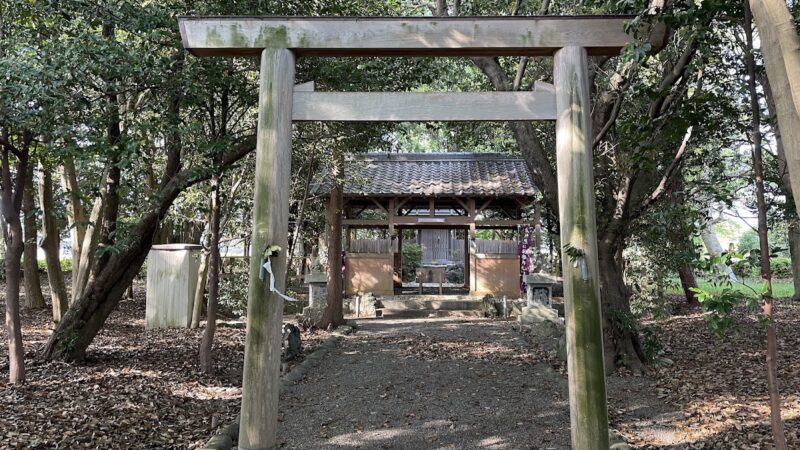
- First Torii Gate and Second Torii Gate – Bow deeply before passing through.
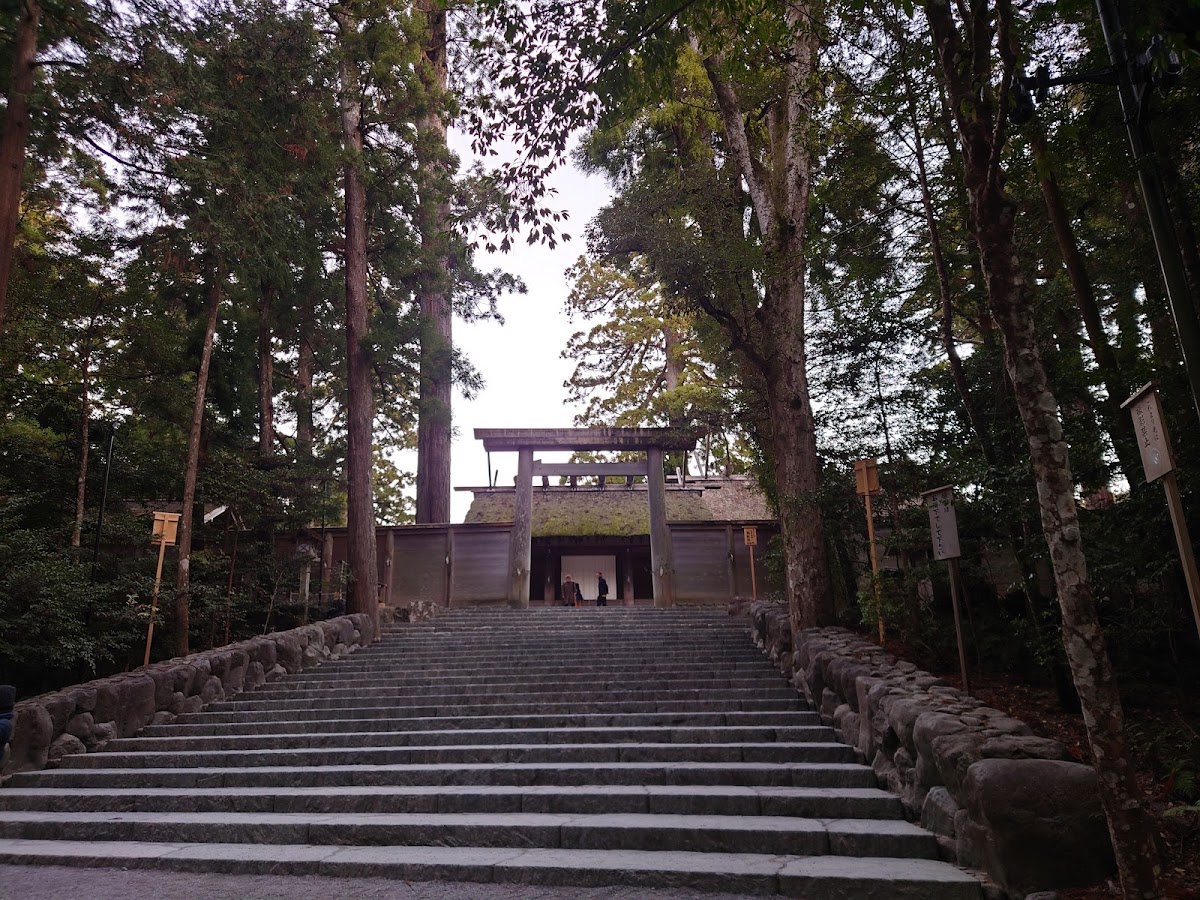
- Shogu (main shrine) – Worship with two bows, two claps, and one bow. This is a place to express gratitude, not to make personal wishes.
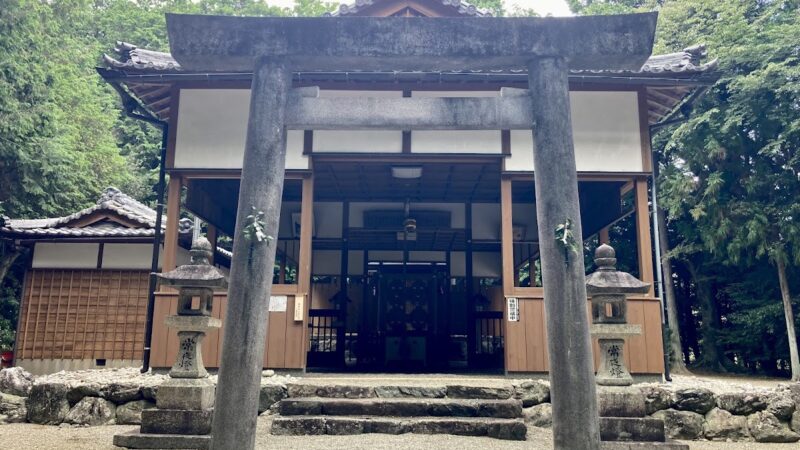
- Aramatsuri-no-miya – The first auxiliary shrine dedicated to the fierce spirit of Amaterasu Omikami. Personal wishes can be made here.
Notes for Visiting the Shrine
- No Photography Area: Photography is strictly prohibited inside the torii gate of the main shrine.
- Attire: Avoid excessive exposure and wear clean clothing.
- Visiting Time: Early morning (around 5:00-6:00) offers the most sacred atmosphere.
- Estimated Time Required: 30 minutes for the main shrine only, or 1 hour including the Aramatsuri Shrine.
Recommended Experiences
- Mitarashi (Purification) at the Isuzu River: There are stone steps leading down to the riverbank in front of the purification fountain, allowing you to purify your hands directly in the clear stream.
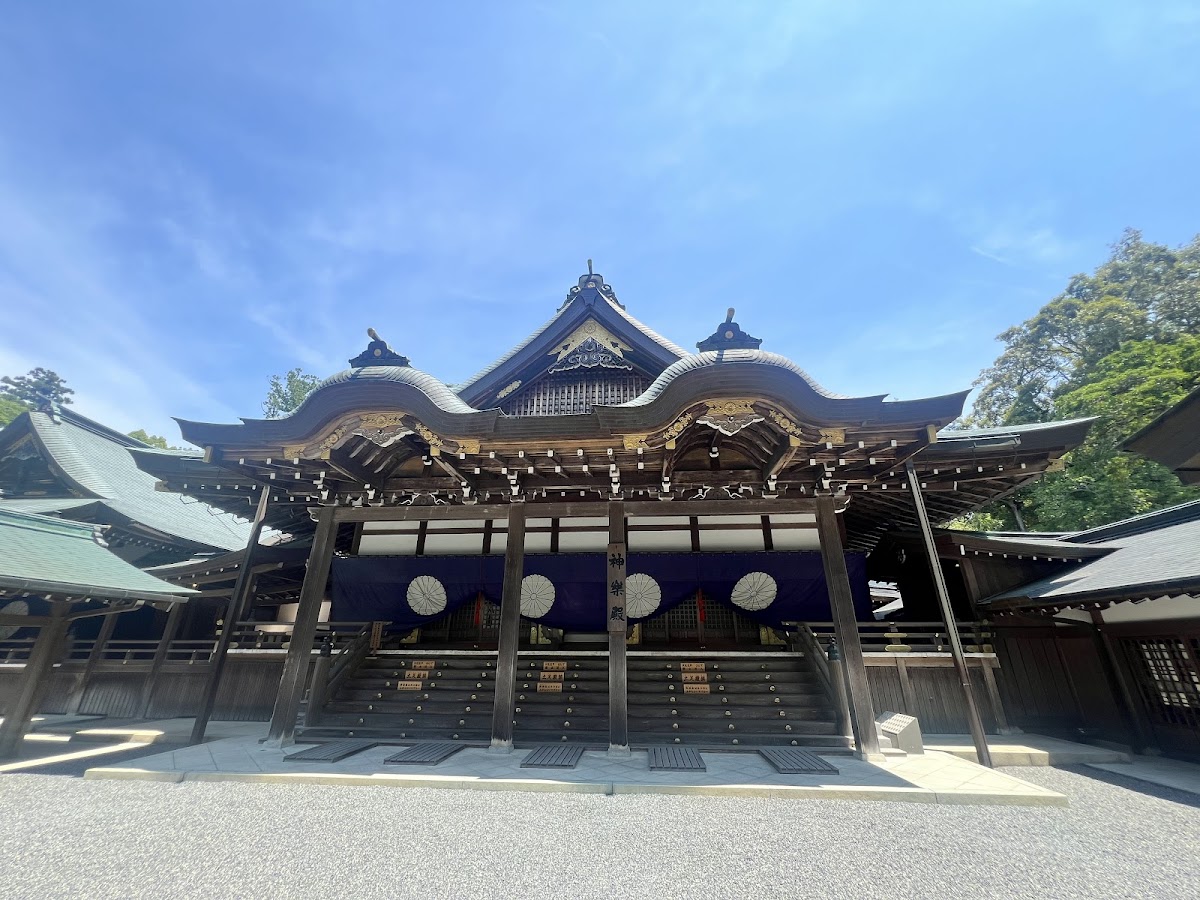
- Prayer at the Kagura Hall: Formal prayers are available from 5,000 yen (reservations required).
- Goshuin (Shrine Seal): Available at the Kagura Hall (offering fee 300 yen).
Benefits
The Inner Shrine, as the principal shrine of all Japanese people, is not a place to pray for specific worldly benefits, but rather a place to express daily peace and gratitude.
Main Divine Blessings
- National Peace and Security, Imperial Family Prosperity: The original purpose of the ritual
- Good Fortune and Prosperity: The life force of Amaterasu Omikami, the sun goddess
- Protection from Evil and Purification: Purification of mind and body through the pure energy of the sacred area
- Family Safety: At Aramatsuri-no-miya, you can pray for the health and safety of your family
Access
Access by Train
- Approximately 20 minutes by Mie Kotsu bus bound for “Naiku-mae” from Kintetsu/JR Ise-shi Station, get off at the last stop
- Approximately 15 minutes by Mie Kotsu bus bound for “Naiku-mae” from Kintetsu Ujiyamada Station
- Approximately 30 minutes on foot from Kintetsu Isuzugawa Station (the nearest station, but still a bit of a distance)
Access by Car
- Approximately 5 minutes from Ise IC on the Ise Expressway
- Parking: Free parking is available around the Inner Shrine (approximately 300 spaces; early morning visits are recommended during peak season).
Visiting Hours
- October-December: 5:00-17:00
- January-April & September: 5:00-18:00
- May-August: 5:00-19:00
*During the New Year period, there are days when the shrine is open all day.
Surrounding Area Information
Okage Yokocho & Oharai-machi: A traditional townscape spreading out in front of the Inner Shrine. You can enjoy Ise specialties such as Akabuku Main Store, Ise Udon, and Tekone Sushi. Perfect for a stroll after visiting the shrine.
Outer Shrine (Toyouke Daijingu): Approximately 10 minutes by car from the Inner Shrine. Since ancient times, there has been a custom of “Visiting the Outer Shrine First,” and officially, visitors should visit the Outer Shrine first, then the Inner Shrine.