Complete Guide to Wakamiya Shrines: A Thorough Explanation of the History, Goshuin (Seal Stamps), and Blessings of Wakamiya Shrines Nationwide
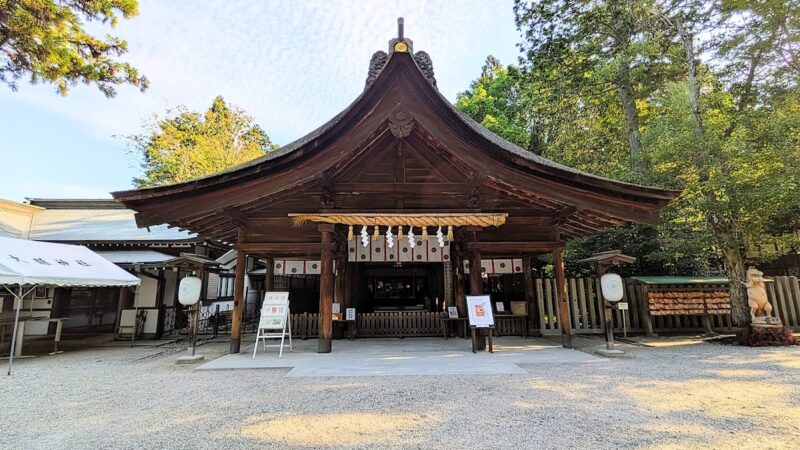
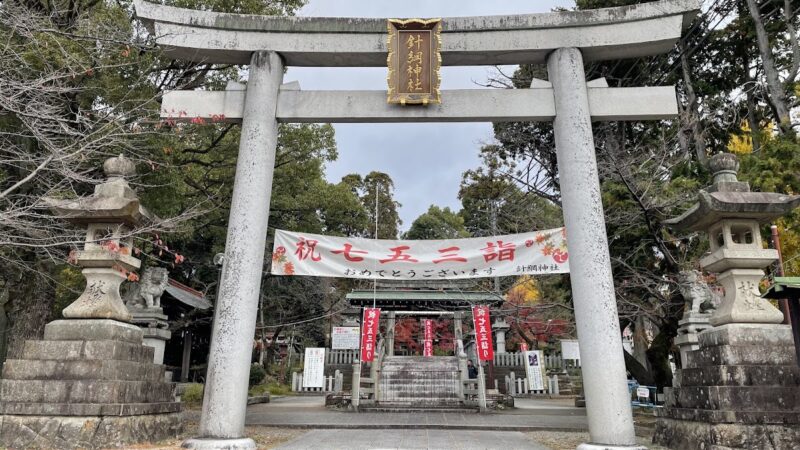
Numerous shrines bearing the name “Wakamiya Shrine” exist throughout Japan. These shrines, dedicated to the children or young deities of the main deity, have long been cherished by local communities. This article provides detailed information on the history, enshrined deities, blessings, and goshuin (seal stamps) of representative Wakamiya shrines throughout Japan.
What is a Wakamiya Shrine? The Meaning and Origin of “Wakamiya”
“Wakamiya” refers to the children or young deities of the main deity. In Japanese Shinto shrines, it is customary to refer to subsidiary shrines or minor shrines dedicated to the children or related deities of the main shrine (Omiya) as “Wakamiya.”
The following are some of the characteristics of Wakamiya Shrines:
- Worship of Child Deities: Deities who are children of the main deity are enshrined.
- Guardian Deity of the Region: As the general guardian deity, it attracts the faith of local residents.
- Diverse Deities: Different deities are enshrined depending on the region and history.
- Historical Background: Many shrines were founded from ancient to medieval times.
List of Major Wakamiya Shrines Nationwide
Kasuga Taisha Wakamiya (Nara Prefecture)
Wakamiya, located within the grounds of Kasuga Taisha in Nara Prefecture, is one of the most famous Wakamiya Shrines. It enshrines Ame-no-Oshikumone-no-Mikoto, a child deity of the four gods enshrined at the main shrine of Kasuga Taisha.
Main Features:
- Deity: Ame-no-Oshikumo-no-Mikoto
- Founded: 1136 (Hoen 2)
- Benefits: Academic success, good fortune
- Wakamiya Fifteen Shrines Pilgrimage: A pilgrimage course visiting 15 subsidiary shrines on the south side of the grounds
Around the Wakamiya area of Kasuga Taisha Shrine, there are as many as 62 subsidiary and minor shrines, and worshippers have been making pilgrimages to these shrines with various wishes in their hearts since ancient times.
Wakamiya Hachiman Shrine (Nagoya City, Aichi Prefecture)
Wakamiya Hachiman Shrine, located in Naka Ward, Nagoya City, is a shrine known for the “Wakamiya Festival,” one of Nagoya’s three major festivals.
Basic Information:
- Founded: Said to be during the reign of Emperor Monmu
- Deities Enshrined: Emperor Ojin and others
- Designated as a Special Shrine: July 1, 1971 (Showa 46)
- Annual Festival: Wakamiya Festival in May
Although it was destroyed by fire during the war in 1945, it was rebuilt in 1957 and remains to this day.
Wakamiya Shrine (Usa City, Oita Prefecture – Usa Jingu Shrine)
Wakamiya Shrine, located outside the torii gate at the entrance to the upper shrine, is an important shrine that enshrines five children of Emperor Ojin (Hachiman Okami), as a subsidiary shrine of Usa Jingu Shrine.
Deities Enshrined:
- Ōsazaki-no-Mikoto (Emperor Nintoku)
- Ōbae-no-Miko
- Kobae-no-Miko
- Hayabusawake-no-Miko
- Metori-no-Hime-Miko
All of these deities are children of the 15th Emperor Ōjin, demonstrating a deep connection with Hachiman-Ōkami (the deified form of Emperor Ōjin), the principal deity of Usa Shrine.
Wakamiya Shrine (Shingu-machi, Kasuya-gun, Fukuoka Prefecture – Aishima Island)
Wakamiya Shrine, located on Aishima Island, is revered by the islanders as the island’s guardian shrine.
History and Deities:
- Deities: Toyotama-hime no Mikoto, Tamayori-hime no Mikoto
- Connection to Mythology: Said to be the meeting place of Toyotama-hime no Mikoto and Yamasachihiko
- Benefits: Prayers for safe childbirth, matchmaking
Tamayori-hime no Mikoto is considered the mother goddess of Emperor Jimmu, the first emperor of Japan, and is worshipped as a goddess of safe childbirth. This shrine has a unique form of worship, blending the island’s history and mythology.
Nearby Attractions:
- Shimanoeki Aishima: A tourist hub for Aishima Island
- Aishima Pearl Bay: Beautiful coastline
- Aishima Cats: A tourist spot known as “Cat Island”
Wakamiya Shrine (Hino City, Tokyo)
Wakamiya Shrine, located in Hino City, Tokyo, is a beloved local guardian shrine. It is an officially registered shrine with the Tokyo Metropolitan Shrine Association.
Wakamiya Shrine (Toyoda, Hino City, Tokyo)
Wakamiya Shrine, known as the guardian shrine of Toyoda, is affectionately called “Myojin-sama” by local residents.
Historical Background:
- The former Toyoda Village consisted of four areas: Shimogumi, Nakagumi, Kamigumi, and Yazaki.
- Each area had its own shrine.
- The Tamadaira and Asahigaoka areas, which were once Musashino woodlands, were also included.
Wakamiya Shrine (Ayabe City, Kyoto Prefecture)
Wakamiya Shrine, located in Ueno Fujiyama, Ayabe City, Kyoto Prefecture, is a shrine closely intertwined with the history of the region.
Location:
1-B Ueno Fujiyama, Ayabe City, Kyoto Prefecture 623-0035
Keta Wakamiya Shrine (Hida City, Gifu Prefecture)
Keta Wakamiya Shrine, one of the most famous shrines in Gifu Prefecture, is affectionately known as “Sugimoto-sama” by locals. This shrine is characterized by its majestic main hall and grounds surrounded by abundant nature.
Other Wakamiya Shrines
Hokkaido:
- Wakamiya Shrine (Ogurobe-cho, Esashi-cho, Hiyama-gun)
Tochigi Prefecture:
- Wakamiya Shrine (Yunishigawa, Nikko City)
Saitama Prefecture:
- Wakamiya Shrine (Kodama-cho, Honjo City)
Information on Goshuin (Shrine Seals) at Wakamiya Shrines
At Wakamiya Shrines, you can receive Goshuin, which are common at many shrines. Goshuin are considered important as proof of worship and as a way to forge a connection with the shrine.
Manners for Receiving a Goshuin (Shrine/Temple Stamp):
- Pray First: The goshuin is proof of your visit, so always pray first.
- Prepare a Goshuincho (Shrine/Temple Stamp Book): It is desirable to prepare a dedicated goshuincho.
- Prepare the Offering: Generally around 300-500 yen (varies depending on the shrine).
- Check Reception Hours: Visit during the shrine office’s opening hours.
- Use Polite Language: Ask politely, “May I receive a goshuin?”
Popular Wakamiya Shrine Goshuin:
- Kasuga Taisha Wakamiya: Many visitors receive this goshuin along with the Kasuga Taisha goshuin.
- Wakamiya Hachimansha: A unique goshuin that evokes the history of Nagoya.
- Usa Jingu Wakamiya Shrine: A subsidiary shrine of Usa Jingu, it holds special significance.
Because the design and calligraphy of the goshuin (shrine seal) differ from one shrine to another, an increasing number of visitors are enjoying a “Wakamiya Shrine pilgrimage,” visiting multiple Wakamiya shrines.
Benefits and Faith of Wakamiya Shrines
Wakamiya shrines are believed to offer various benefits depending on the enshrined deity.
Main Benefits
Prayers for Safe Childbirth and Conception:
- Wakamiya Shrine in Aishima (Toyotama-hime no Mikoto and Tamayori-hime no Mikoto)
- Worshipped as a god of safe childbirth due to enshrining the mother goddess of Emperor Jimmu
Prayers for Academic Success and Passing Exams:
- Wakamiya Shrine in Kasuga Taisha
- Has an aspect as a god of learning
Good Fortune and Protection from Evil:
- Wakamiya Hachiman Shrine
- As the guardian shrine of the region, it fulfills various wishes
Business Prosperity and Abundant Harvest:
- Wakamiya Shrines throughout the region
- Prayers for the development of local industries
Matchmaking:
- Wakamiya Shrine in Aishima
- Believed in matchmaking based on the myth of Toyotama-hime no Mikoto and Yamasachihiko
How to Visit Wakamiya Shrine
Basic Worship Etiquette
- Passing Through the Torii Gate: Bow before entering the shrine grounds
- Purifying at the Water Basin: Cleanse in the following order: left hand → right hand → mouth → left hand → handle of the ladle
- Walking along the approach to the shrine: The center is the path for the gods, so walk along the sides.
- Worshiping in front of the main hall: Two bows, two claps, and one bow are the basic forms of worship.
- Expressing gratitude: Express not only your requests but also your gratitude for everyday blessings.
Special ways of worship
Wakamiya Fifteen Shrines Pilgrimage (Kasuga Taisha):
Around the Wakamiya area of Kasuga Taisha, there are 15 subsidiary shrines, and the “Wakamiya Fifteen Shrines Pilgrimage,” which involves visiting these shrines, has been practiced since ancient times. Each shrine offers different blessings, addressing prayers for various aspects of life.
Worship Route:
- Follow the dedicated worship map and visit the 15 shrines in order.
- You can respectfully worship at each shrine and receive a Goshuin (shrine stamp).
- Estimated time: approximately 1-2 hours
Annual Festivals and Events of Wakamiya Shrine
Major Festivals
Wakamiya Festival (Wakamiya Hachiman Shrine, Nagoya):
- Date: May
- Features: One of Nagoya’s three major festivals
- Contents: Mikoshi procession, dedication ceremonies, etc.
- History: Has a tradition of over 300 years
Wakamiya On-matsuri (Kasuga Taisha Wakamiya):
- Date: December 17th
- Features: Annual festival of Kasuga Wakamiya
- Contents: Procession ceremony, Otabisho festival, etc.
- Importance: Nationally Important Intangible Folk Cultural Property
Natsukoshi no Shinto Ritual:
- Date: Around June 30th
- Contents: Passing through a ring of reeds, Great Purification Ceremony
- Purpose: To purify oneself of the impurities accumulated over the past six months and pray for good health and protection from illness for the remaining six months.
Seasonal Events
New Year:
- First shrine visit of the year, New Year’s prayers
- Distribution of protective arrows and amulets
Setsubun:
- Setsubun festival, bean-throwing
- Prayer for protection against evil
Shichi-Go-San:
- Around November 15th
- Prayer to celebrate the growth of children
Access and Visiting Information for Wakamiya Shrine
Access to Major Wakamiya Shrines
Kasuga Taisha Wakamiya (Nara Prefecture):
- Nearest Station: Kintetsu Nara Station
- Access: Get off at “Kasuga Taisha Honden” bus stop (Nara Kotsu Bus)
- Walking: Approximately 25 minutes from Kintetsu Nara Station
- Parking: Kasuga Taisha parking available
Wakamiya Hachimansha (Nagoya City, Aichi Prefecture):
- Nearest Station: Yabacho Station, Meijo Subway Line
- Access: Approximately 3 minutes on foot from Exit 4
- Parking: Available (limited number of spaces)
Wakamiya Shrine, Aishima Island (Fukuoka Prefecture):
- Access: Take the ferry from Shingu Fishing Port to Aishima Island
- Travel Time: Approximately 17 minutes by boat
- Island Travel: Can be reached on foot
- Note: Check the ferry schedule in advance
Usa Jingu Wakamiya Shrine (Oita Prefecture):
- Nearest Station: JR Usa Station
- Access: Approximately 10 minutes by bus from Usa Station
- Parking: Use the Usa Jingu parking lot
- Location: Outside the torii gate at the entrance to the upper shrine
Precautions when visiting
Clothing:
- Dress appropriately for a sacred place
- Avoid excessive exposure
- Remove your hat before passing through the torii gate
Photography:
- Check areas where photography is prohibited
- Remember to be considerate of other visitors
- Please refrain from using flash photography.
Visiting Hours:
- Check opening hours in advance.
- Obtain Goshuin (temple/shrine stamps) during the shrine office’s opening hours.
- Some shrines close after evening.
Wakamiya Shrine and Japanese Shrine Culture
Wakamiya Shrine exhibits important characteristics of Japanese shrine faith. The enshrinement of the main deity and its child deities together reflects the Japanese people’s faith in cherishing the lineage and history of the gods.
Wakamiya as Subsidiary and Minor Shrines
Many Wakamiya Shrines exist as subsidiary or minor shrines of larger shrines. This illustrates the hierarchical structure of the Japanese shrine system and has the following meanings:
Subsidiary Shrines:
- Dedicated to deities closely related to the main shrine’s deity
- Possesses a status second only to the main shrine
- Example: Wakamiya Shrine of Usa Shrine
Subordinate Shrines:
- Small shrines under the management of the main shrine
- Serves as guardian deities of the region
- Example: Small Wakamiya shrines in various regions
Relationship with Local Communities
Many Wakamiya shrines function as the general guardian shrines of their respective regions. As exemplified by the Wakamiya Shrine in Toyota, these shrines have historically served as the center of village communities, fulfilling the following roles:
- Center of Festivals: A venue for local annual events
- Gathering Place: A place for residents to interact and exchange information
- Spiritual Pillar: The core of regional identity
- Educational Place: A place for the transmission of traditional culture
A Recommendation for Visiting Wakamiya Shrines
Visiting the Wakamiya Shrines scattered throughout Japan is a wonderful way to gain a deep understanding of Japanese history and culture.
Recommended Ways to Visit
Themed Pilgrimages:
- Goshuin Stamp Collection: Collect goshuin stamps from various Wakamiya Shrines
- Historical Exploration: Learn about the history of Wakamiya Shrines, which have continued since ancient times
- Architectural Appreciation: Compare shrine architecture from different eras
- Nature Walks: Enjoy the shrine’s sacred forest and surrounding environment
Regional Routes:
- Kansai Route: Kasuga Taisha Wakamiya → Ayabe Wakamiya Shrine
- Tokai Route: Wakamiya Hachiman Shrine → Surrounding Wakamiya Shrines
- Kyushu Route: Usa Jingu Wakamiya Shrine → Aishima Wakamiya Shrine
- Kanto Route: Visiting Wakamiya Shrines within Tokyo
How to Keep a Record of Your Visits
Goshuin Stamp Book:
- Record the date and time of your visit
- Note down the characteristics of the shrine
- Write down your impressions and observations
Photo Record:
- Torii gate, worship hall, and grounds
- Seasonal scenery
- Characteristic architecture and sculptures
Digital Recording:
- Recording GPS location information
- Recording of pilgrimage route
- Sharing on social media (while respecting etiquette)
The Future and Preservation Activities of Wakamiya Shrine
In modern times, many shrines, including Wakamiya Shrine, face maintenance challenges due to depopulation and an aging population.
Efforts toward Preservation
Activities by Local Residents:
- Cleaning activities and continuation of festivals
- Maintaining the parishioner organization
- Passing on traditions to younger generations
Government Support:
- Protection through cultural property designation
- Subsidies for restoration and preservation
- Utilization as a tourist resource
Contributions from Worshippers:
- Economic support through worship
- Information dissemination on social media, etc.
- Participation in volunteer activities
Summary: The Charm of Wakamiya Shrine and the Significance of Worship
Wakamiya Shrine embodies the unique shrine culture that is widespread throughout Japan. While sharing the commonality of enshrining the child deity of the main deity, Wakamiya Shrines exhibit diversity that reflects the history and culture of each region.
The Charm of Wakamiya Shrines:
- Deep History: A form of faith continuing from ancient times
- Connection to the Community: Role as the guardian shrine of the region
- Diverse Blessings: Deities who grant various wishes
- Cultural Value: Architecture, festivals, and the inheritance of traditions
- Spiritual Healing: Peace of mind in a tranquil space
Visiting a Wakamiya Shrine is more than just sightseeing or praying for blessings; it’s a valuable experience that allows you to feel the connection to Japanese history, culture, and local communities. By visiting Wakamiya Shrines throughout Japan while collecting Goshuin (shrine stamps), you can truly appreciate the depth of Japan’s diverse shrine culture.
Please visit a Wakamiya Shrine near you, or one you encounter on your travels, and experience its history and traditions. Through careful worship, you will forge a connection with the deities and gain peace of mind and new insights.