Complete Guide to Homan-gu Kamado Shrine | All About the Benefits of Matchmaking, Protection from Evil, and Exorcism, and How to Visit
Homan-gu Kamado Shrine, located in Uchiyama, Dazaifu City, Fukuoka Prefecture, is a venerable shrine with a history of over 1350 years, situated at the foot of the sacred Mt. Homan. Known as a “shrine of connections,” it offers blessings for matchmaking, protection from evil, and exorcism, and has recently gained attention for its connection to the popular manga “Demon Slayer: Kimetsu no Yaiba.” This article comprehensively introduces all the information necessary for visiting Kamado Shrine, from its history and highlights to the types of prayers offered and access methods.
History and Origins of Kamado Shrine
Origin of its Founding and Emperor Tenji
The founding of Homan-gu Kamado Shrine dates back to the Asuka period. In 664, the third year of Emperor Tenji’s reign, the Yamato court, having suffered a defeat at the Battle of Baekgang the previous year, strengthened its defenses in preparation for an invasion by the combined forces of Tang China and Silla. At this time, the Dazaifu (government office) was moved to the present-day site of the former Tofuro (government office), and the enshrinement of eight million gods on Mount Homan, located in the northeast (the “demon’s gate”) of the Dazaifu, is considered the origin of Kamado Shrine.
Mount Homan, at an elevation of 829 meters, has been revered since ancient times as a sacred mountain where gods and Buddhas are worshipped. Kamado Shrine, as the “guardian deity of Dazaifu,” has played an important role in protecting the government office.
Development and Syncretism of Shinto and Buddhism from the Heian Period Onward
During the Heian period, syncretism of Shinto and Buddhism progressed at Kamado Shrine. Daisenji Temple (also known as Kamadoyama-dera or Uchiyama-dera) became integrated as a Jinguji (temple associated with the shrine), becoming a representative example of Tendai Buddhist temples in western Japan. During this period, Mount Homan flourished as a sacred site for Shugendo (mountain asceticism), becoming a center of faith where many ascetics performed pilgrimages to the peak.
During the Edo period, it received the reverence of the Kuroda family, the lords of the Fukuoka domain, and the shrine buildings were constructed and repaired. Although Oyama-dera Temple was abolished due to the Meiji-era separation of Shinto and Buddhism, Kamado Shrine survived as a Shinto shrine and continues to attract people’s faith to this day.
Deities and the Faith of a “Shrine of Connection”
The main deity of Kamado Shrine is Tamayorihime-no-Mikoto. Tamayorihime-no-Mikoto is the mother goddess of Emperor Jimmu and is revered as a “goddess of connection,” linking people to people and people to gods. Emperor Ojin and Empress Jingu are also enshrined in the auxiliary shrine, and the shrine also offers divine protection against misfortune, warding off evil, and ensuring family safety.
“Musubi” (結) refers not only to romantic relationships but also to all kinds of good fortune, including family bonds, friendships, and professional connections. Kamado Shrine has been a “shrine of connections” for over 1350 years, watching over people’s happy encounters and bonds.
Highlights and Places to Visit on the Shrine Grounds
Main Hall and Worship Hall
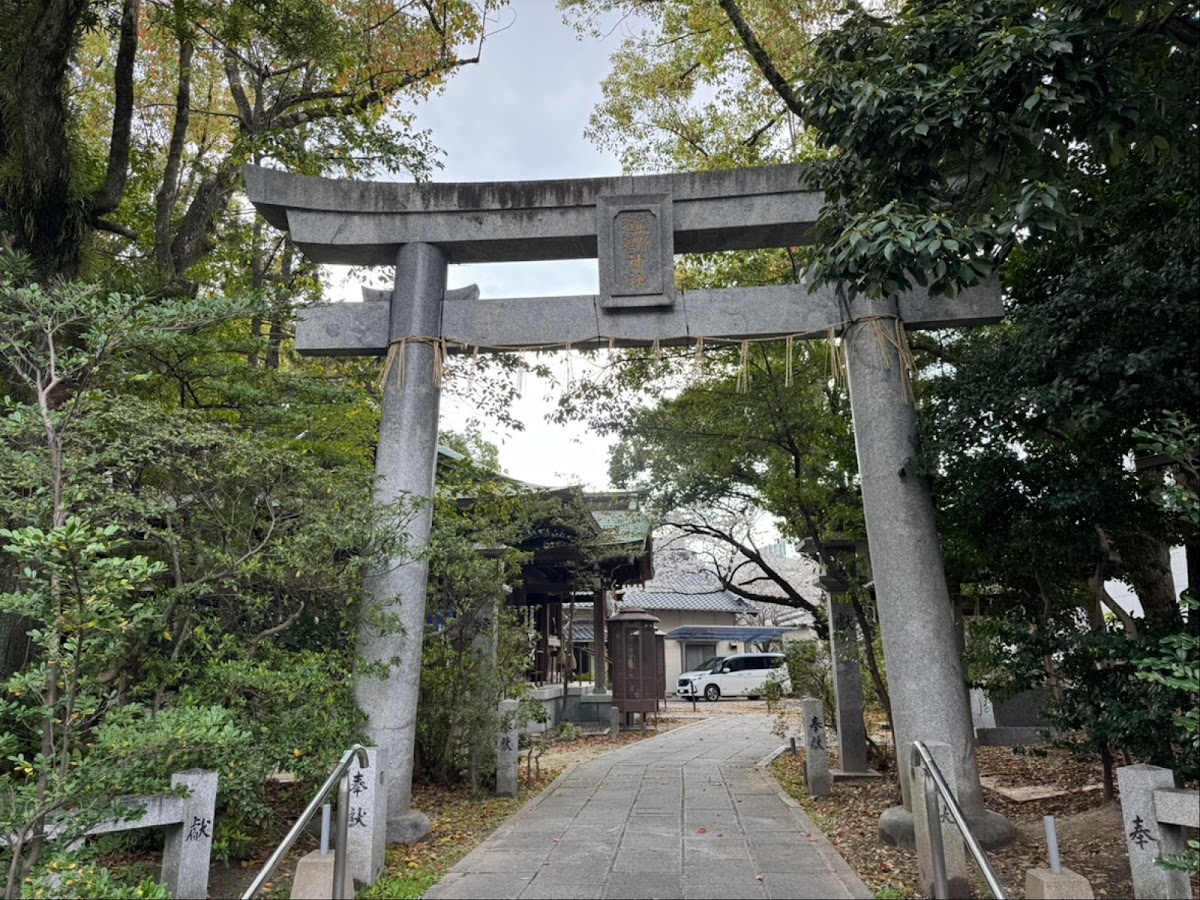
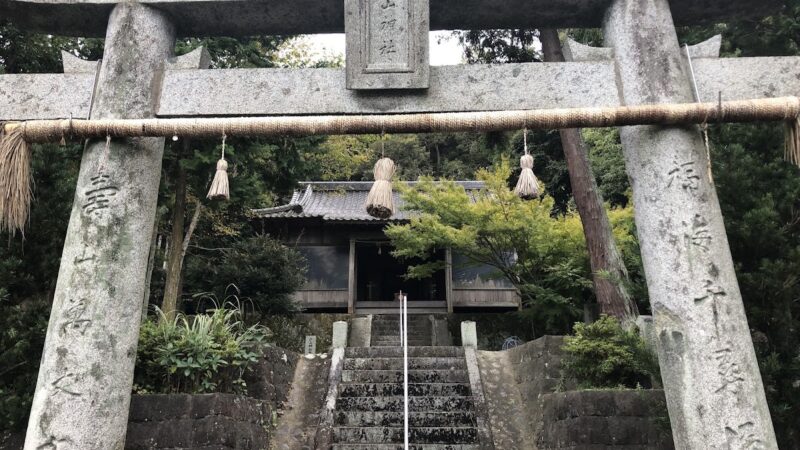
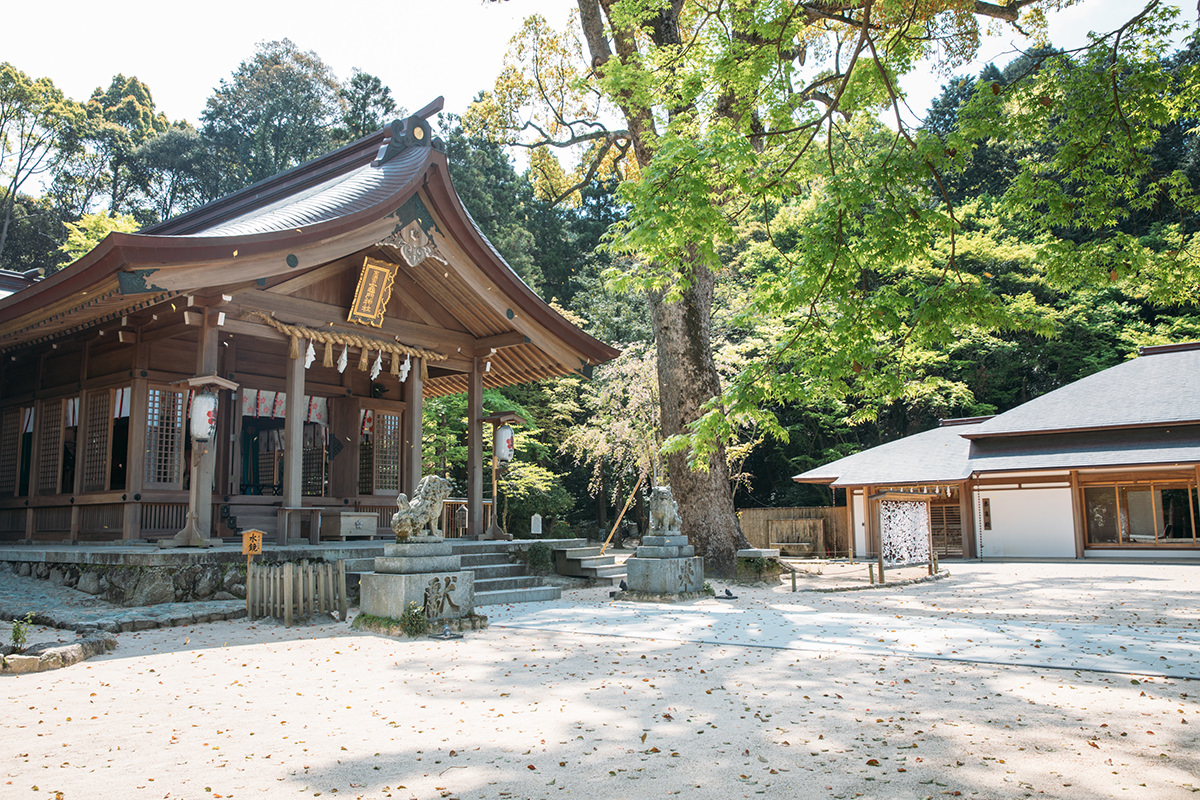
The main hall of Kamado Shrine is situated in a quiet forest at the foot of Mt. Homan. The beautiful vermilion-lacquered shrine exudes a solemn atmosphere, making visitors feel a sense of sacredness. At the worship hall, various prayers can be offered, including prayers for matchmaking, protection from evil, and warding off misfortune.
The Ogatama Tree
Within the shrine grounds is a sacred tree called the “Ogatama Tree.” “Ogatama” means “to invite the gods,” and at Kamado Shrine, it is particularly revered as a tree that brings good fortune and happiness.
The origin of this belief lies in the legend of Ama-no-Iwato in Japanese mythology. When Amaterasu Omikami hid in a cave, plunging the world into darkness, Amenouzume-no-Mikoto performed a sacred dance with a branch of spirits in her hand. Amaterasu Omikami emerged from the cave, and a bright and peaceful world returned. When you visit, please be sure to offer your prayers at this sacred tree.
The Rock of Affection
Within the shrine grounds are two stones called the “Rock of Affection,” popular as a power spot for matchmaking. It is said that if you can reach the other stone from one with your eyes closed, your love will be fulfilled. You can enjoy this challenge in various ways, such as trying it alone or being guided by a friend.
The Tree of Reunion
The “Tree of Reunion” is known as a place to pray for reunion with someone you’ve been separated from. Many visitors come here to pray for a reunion with a loved one.
The Beauty of Nature in Every Season
Kamado Shrine is also famous for its cherry blossoms in spring and autumn foliage. In spring, the shrine grounds are dyed pink with cherry blossoms, and in autumn, the fiery autumn leaves captivate visitors. With the fresh greenery of summer and the tranquility of winter, the shrine grounds display different expressions in each season, offering new discoveries with every visit.
Prayers and Blessings
Prayer for Matchmaking
Kamado Shrine is most famous for its blessings related to matchmaking. At the Good Matchmaking Festival, you can pray for success in love, marriage, and marital harmony. It is believed that the “power of connection” of Tamayorihime-no-Mikoto can lead to wonderful encounters and deepen the bond with loved ones.
Prayer for Protection from Misfortune and Evil Spirits
Kamado Shrine, which has protected the northeast direction of Dazaifu, is also known for its blessings of protection from misfortune and evil spirits. Protection from misfortune is a prayer to ward off disasters when moving, traveling, or starting something new, while protection from evil spirits is a prayer to dispel the misfortunes of unlucky years. At the厄除け祈願祭 (Exorcism Prayer Festival), you can pray for protection from misfortune at important life events and for peaceful days.
Other Prayers
Kamado Shrine accepts various prayers, including the following:
- Family Safety: Praying for the health and happiness of the family
- Traffic Safety: Praying for safety in cars and during travel
- Safe Childbirth: Praying for a healthy birth for both mother and child
- First Shrine Visit: Praying for the healthy growth of the baby
- Shichi-Go-San: Expressing gratitude for the child’s growth and praying for their future health
- Prayer for Success: Praying for success in exams and tests
- Business Prosperity: Praying for the development and prosperity of the business
Items and Amulets
Musubi no Ito (Thread of Connection)
The most popular item at Kamado Shrine is the “Musubi no Ito” (Thread of Connection). This love amulet is believed to have the power to connect people in good relationships, and is sought after by many worshippers. Available in various colors such as pink, light blue, and yellow, you can choose one that suits your preference and wishes.
Strawberry Charm
Charms featuring strawberries, a specialty of Dazaifu, are also popular. Their cute designs are particularly popular among young women.
Kamado Kasane Fortune Slip
The Kamado Kasane Fortune Slip, an original item from Kamado Shrine, not only predicts your fortune but also offers advice on finding a good partner. You can tie the fortune slip you draw at the designated spot on the shrine grounds before leaving.
Fortune Slip for Avoiding Misfortune When Starting Something New
The “Fortune Slip for Avoiding Misfortune When Starting Something New,” which predicts good or bad fortune and points to be aware of, is another unique item offered at Kamado Shrine.
Other Items Offered
- Amulets: Various types for family safety, protection from evil, and warding off misfortune.
- Ema (votive tablets): Write your wish and offer it.
- Goshuin (temple/shrine stamp): As a memento of your visit.
The reception hours for offering items are 8:30 AM to 6:00 PM.
Festivals and Annual Events
Saitō Daigoma-ku (Great Fire Ritual)
The Saitō Daigoma-ku, held every spring, is one of the important rituals of Kamado Shrine. A goma (fire ritual) is performed on the summit of Mt. Hōman, praying for the health and safety of worshippers and their families. It is a solemn ceremony that continues the tradition of Shugendō (mountain asceticism).
Mineiri (Pilgrimage to the Peak)
Mineiri (pilgrimage to the peak of Mt. Hōman) is a Shugendō ritual that has continued since ancient times. Even today, devout worshippers climb Mt. Hōman to purify their minds and bodies.
Prayer Ceremony for Good Matchmaking
This special prayer ceremony for those seeking good matchmaking is held several times a year. We pray for the blessings of Tamayorihime-no-Mikoto to bring about wonderful relationships.
Prayer Ceremony for Protection from Misfortune
This prayer ceremony is for those entering their unlucky year. We pray for protection from misfortune and for a peaceful year.
Other Annual Events
- Saitansai (January 1st): Celebrating the New Year
- Setsubunsai (February 3rd): Driving away evil spirits with bean-throwing
- Sakura Matsuri (April): Celebrating the blooming of cherry blossoms
- Natsugoshi no Oharae (June 30th): Purifying oneself of the impurities accumulated over the past six months
- Tanabata Matsuri (July 7th): Writing wishes on strips of paper
- Momiji Matsuri (November): Appreciating the beauty of autumn leaves
- Toshikoshi no Oharae (December 31st): Purifying oneself of the impurities accumulated over the year
For detailed dates, please check the official website or Instagram (@kamadojinja.official).
Shinto Wedding Ceremony
Kamado Shrine offers traditional Shinto wedding ceremonies. It is believed that the bond between two people formed at the “Shrine of Connection” will become even stronger through the protection of Tamayorihime-no-Mikoto.
The Shinto wedding ceremony, held in a solemn atmosphere, is a dignified ritual befitting an important milestone in life. You can hold a wedding ceremony that will become a lifelong memory in the shrine grounds, surrounded by the beautiful nature of the four seasons.
For details, please contact the Kamado Shrine office (092-922-4106).
Connection to “Demon Slayer” and Pilgrimage
In recent years, Kamado Shrine has attracted attention as a “sacred site” from fans of the popular manga and anime “Demon Slayer.” The reasons are as follows:
Matching the Protagonist’s Name
The shrine’s name matches the surname “Kamado” of the protagonist, Kamado Tanjiro. Many fans also believe there may be a connection to the names of the family members, including his sister Nezuko.
The Theme of “Connection”
The theme of “bonds” and “connections” in the work resonates with the nature of Kamado Shrine as the “God of Connection.” Tanjiro’s attitude of cherishing the bonds with his family and friends is similar to the “power of connection” of Tamayorihime-no-Mikoto, the enshrined deity of Kamado Shrine.
Location in Dazaifu City, Fukuoka Prefecture
Since the author, Koyoharu Gotouge, is from Fukuoka Prefecture, it has been suggested that Kamado Shrine may have inspired the work.
However, it is not officially recognized as a “Demon Slayer pilgrimage site.” Kamado Shrine is a venerable shrine with a history of over 1350 years, and it is important to visit it as a place of worship, regardless of its connection to the work.
When visiting as a pilgrimage site, please remember to be considerate of other worshippers and observe the shrine’s rules and manners.
Access and Transportation Information
Basic Information
- Address: 883 Uchiyama, Dazaifu City, Fukuoka Prefecture 818-0115
- Phone Number: 092-922-4106
- Visiting Hours: Open all day
- Prayer Request Reception: 9:00 AM – 4:00 PM
- Souvenir Reception: 8:30 AM – 6:00 PM
- Closed Days: None
- Admission Fee: Free
Access by Train and Bus
From Nishitetsu Dazaifu Station
- Using the Community Bus “Mahoroba-go”
- Approximately 10 minutes from Dazaifu Station to Kamado Shrine
- Fare: 100 yen
- As the number of buses is limited, it is recommended to check the timetable in advance.
- Walking
- Approximately 40 minutes from Dazaifu Station to Kamado Shrine
- This path leads through a peaceful residential area to the foot of Mt. Homan.
- During the pleasant weather of spring and autumn, it’s recommended to enjoy a leisurely walk.
From Fukuoka City
- From Tenjin Station, take the Nishitetsu Tenjin-Omuta Line to Nishitetsu Futsukaichi Station (approx. 15 minutes)
- Transfer to the Dazaifu Line at Nishitetsu Futsukaichi Station and get off at Nishitetsu Dazaifu Station (approx. 5 minutes)
From Hakata Station
- Take the JR Kagoshima Main Line to Futsukaichi Station (approx. 15 minutes)
- Walk from Futsukaichi Station to Nishitetsu Futsukaichi Station (approx. 10 minutes)
- Take the Dazaifu Line from Nishitetsu Futsukaichi Station and get off at Nishitetsu Dazaifu Station (approx. 5 minutes)
Access by Car
From Fukuoka City
- Approximately 30 minutes via Fukuoka Urban Expressway and Kyushu Expressway
- Approximately 15 minutes from Dazaifu IC
Parking
- Kamado Shrine Paid Parking (approx. 100 spaces)
- Fee: 400 yen per car (per visit)
- It gets very crowded during the cherry blossom season in spring, the autumn foliage season, and the first three days of the New Year, so we recommend using public transportation.
Taxi Use
It takes about 5 minutes by taxi from Dazaifu Station to Kamado Shrine, and the fare is about 1,000 yen.
Nearby Tourist Attractions
Dazaifu Tenmangu Shrine
Located about 10 minutes by car from Kamado Shrine, Dazaifu Tenmangu Shrine is one of the nation’s leading Tenmangu shrines, dedicated to Sugawara no Michizane, the god of learning. It is bustling with students praying for success in exams and tourists all year round.
Kyushu National Museum
Adjacent to Dazaifu Tenmangu Shrine, the Kyushu National Museum is Japan’s fourth national museum. It has a rich collection of exhibits on the theme of exchange with Asia, making it a must-see spot for history buffs.
Kanzeonji Temple
This ancient temple was built by Emperor Tenji to pray for the repose of his mother, Empress Saimei. It is known for housing Japan’s oldest temple bell (a national treasure).
Dazaifu Government Office Ruins
This is the site of the Dazaifu Government Office, which governed Kyushu during the Nara and Heian periods. The vast grounds still bear foundation stones, allowing visitors to imagine the prosperity of the past.
Mount Homan Climbing
Kamado Shrine is also the starting point for climbing Mount Homan. The climb to the 829-meter-high summit takes approximately two hours, offering panoramic views of the Fukuoka Plain. Climbing Mount Homan, which has been revered as a sacred mountain since ancient times, will be a valuable experience for purifying mind and body.
Manners and Precautions for Visiting a Shrine
Basic Worship Etiquette
- Bow before passing through the torii gate.
- Purify your body and mind at the water basin.
- Hold the ladle in your right hand and purify your left hand.
- Switch the ladle to your left hand and purify your right hand.
- Switch the ladle back to your right hand, receive water in your left hand, and rinse your mouth.
- Finally, hold the ladle upright to purify the handle.
- Bow twice, clap twice, and bow once in front of the main hall.
- Quietly recite your wish in your heart.
Photography Manners
Photography is permitted on the shrine grounds, but please note the following:
- Photography may be prohibited inside the main hall.
- Be considerate and avoid including other worshippers in your photos.
- Do not disturb those who are praying.
- When posting on social media, remember to show respect to the shrine.
Clothing
There are no particularly strict dress code regulations, but it is desirable to wear clothing that reflects the sacred nature of the place. When receiving prayers, please dress appropriately, not too casually.
Busy Seasons
The following times are particularly busy:
- The first three days of the New Year
- Spring cherry blossom season (late March to early April)
- Autumn foliage season (mid to late November)
- Weekends and public holidays
If you want to avoid crowds, weekday mornings are recommended.
Frequently Asked Questions
Q: Can I get a Goshuin (temple/shrine stamp) at Kamado Shrine?
A: Yes, you can get a Goshuin at the shrine office. Reception hours are 8:30 AM to 6:00 PM. For those who do not have a Goshuincho (stamp book), Kamado Shrine’s original Goshuincho is also available.
Q: Is it possible to visit with a pet?
A: Small dogs are allowed on the grounds if carried or in a carrier bag. However, please refrain from bringing them into the main hall. Also, please remember to be considerate of other visitors.
Q: Is it possible to visit the shrine in a wheelchair?
A: There is a ramp from the parking lot to the main hall, making it possible to visit in a wheelchair. However, there are some steps in some parts of the shrine grounds. If you have any concerns, please contact the shrine office (092-922-4106) in advance.
Q: Is it possible for beginners to climb Mt. Homan?
A: Mt. Homan is a mountain that even beginners can climb, but it takes about 4 hours round trip. The hiking trail is well maintained, but you will need to prepare athletic shoes, drinks, and snacks. Avoid going on days with bad weather and plan your trip with plenty of time to spare.
Q: How can I have a wedding ceremony at Kamado Shrine?
A: If you wish to have a Shinto wedding ceremony, please first contact the Kamado Shrine office (092-922-4106) by phone. You can receive detailed explanations regarding the schedule, costs, and flow of the ceremony. Popular dates fill up quickly, so we recommend consulting well in advance.
Q: Do you sell any “Demon Slayer” related merchandise?
A: Kamado Shrine does not officially collaborate with “Demon Slayer,” therefore we do not sell any merchandise related to the series. All items offered are amulets and talismans based on the shrine’s original beliefs.
Summary
Homan-gu Kamado Shrine is a venerable shrine with a history of over 1350 years, widely revered for its blessings of matchmaking, protection from evil, and warding off misfortune. Its location at the foot of the sacred Mt. Homan offers a beautiful natural environment, allowing visitors to enjoy the beauty of the four seasons while praying.
The “power of connection” of Tamayorihime-no-Mikoto is believed to connect not only romantic relationships, but also all kinds of good fortune in life, including family, friends, and work. Visiting Kamado Shrine in conjunction with Dazaifu Tenmangu Shrine will make for a fulfilling pilgrimage, allowing you to pray for both academic success and a good marriage.
When you visit Dazaifu City, Fukuoka Prefecture, be sure to stop by Kamado Shrine and experience the divine blessings of this “Shrine of Connections.” It will surely be a memorable and wonderful experience.
For the latest information and announcements, please check the official website (https://kamadojinja.or.jp/) or official Instagram (@kamadojinja.official). For inquiries, please feel free to contact the Kamado Shrine office (092-922-4106).