Complete Guide to Kannonshoji Temple | History, Goshuin (Temple Seal), Access, and Highlights Explained in Detail
Kannonshoji Temple is a Tendai sect temple located near the summit of Mt. Kinugasa in Omihachiman City, Shiga Prefecture. As the 32nd temple on the Saigoku Thirty-Three Kannon Pilgrimage, it has long been cherished by many pilgrims and visitors. This ancient temple, nestled in the mountains at an altitude of approximately 430 meters, boasts a magnificent history, beautiful scenery, and numerous cultural assets.
This article provides a detailed explanation of everything you need to know before visiting Kannonshoji Temple, including its history, principal image, goshuin information, access methods, highlights, and points to consider during your visit.
What is Kannonshoji Temple?
Kannonshoji Temple, officially known as “Kinugasayama Kannonshoji,” is a temple belonging to the Tendai sect. The temple’s mountain name is Suzuka-san, and its principal image is the Thousand-Armed Kannon Bodhisattva. It is known as the 32nd temple on the Saigoku Thirty-Three Kannon Pilgrimage and also as the 1st temple on the Omi Saigoku Thirty-Three Kannon Pilgrimage.
Due to its location near the summit of Suzuka-san, a visit requires considerable physical strength, but the view of Lake Biwa and the Omi Plain from the temple grounds is exceptional. As a sacred site where mountain worship and Kannon worship are fused, it has attracted the faith of many people throughout its long history.
History of Kannon-shoji Temple
Founding and Founder
According to temple tradition, Kannon-shoji Temple was founded in the 13th year of Emperor Suiko’s reign (605 AD). It is said to have been founded by the Korean monk Eji or Eso, who came to Japan at the request of Prince Shotoku. Legend has it that when Prince Shōtoku climbed Mount Suzuka, he received a divine revelation from the Thousand-Armed Kannon and built a temple on this site.
During the Heian period, it became a branch temple of Enryaku-ji Temple on Mount Hiei and flourished as a training ground for the Tendai sect. It is said that many monks devoted themselves to ascetic practice there, making it a center of mountain Buddhism.
History from the Medieval to Early Modern Periods
From the Kamakura period to the Muromachi period, Kannon-shō-ji Temple greatly prospered under the patronage of the Sasaki clan (Rokkaku clan), the shugo (military governor) of Ōmi Province. In particular, the Rokkaku clan built Kannonji Castle at the foot of Mount Suzuka and protected Kannon-shō-ji Temple as their clan temple. At its peak, it is said that many halls and pagodas stood within the temple grounds, and there were numerous monks’ quarters.
During the Sengoku period, it suffered significant damage along with Kannonji Castle due to the fires of Oda Nobunaga’s army. However, during the Edo period, it gradually recovered and became a popular pilgrimage site, attracting many worshippers as one of the 33 temples of the Saigoku Kannon Pilgrimage.
Changes in the Modern Era
Despite the impact of the anti-Buddhist movement of the Meiji era, Kannonshoji Temple continued to exist as a place of worship. During the Showa era, it was known as a temple possessing a principal image and buildings designated as Important Cultural Properties.
However, on May 10, 1993, a fire broke out in the main hall, causing significant damage that destroyed both the hall and the principal image (an Important Cultural Property). The fire is believed to have been caused by a candle lit by a worshipper.
After the fire, with the support of parishioners, the Saigoku 33 Kannon Pilgrimage Association, and believers nationwide, the main hall was rebuilt in 2004. A new principal image was also created, and it remains in its current state today.
Principal Image and Buddhist Statues
Thousand-Armed Kannon Bodhisattva (Principal Image)
The principal image of Kannonshoji Temple is the Thousand-Armed Kannon Bodhisattva. As mentioned earlier, the former principal image (an Important Cultural Property) from the Kamakura period was destroyed in a fire in 1993. The current principal image was newly created when the main hall was rebuilt in 2004. It is an extremely valuable Buddhist statue carved from a single piece of Indian sandalwood.
The statue is approximately 2.5 meters tall and is enshrined in a magnificent form adorned with gold leaf. The compassionate expression of the Thousand-Armed Kannon and the meticulously carved details have captivated many visitors.
Other Buddhist Statues
Inside the main hall, Fudo Myoo and Bishamonten are enshrined as attendant deities to the principal image. Furthermore, various Buddhist statues, such as Jizo Bodhisattva and Kobo Daishi, are enshrined on the temple grounds, each receiving devotion.
Buildings and Grounds
Main Hall
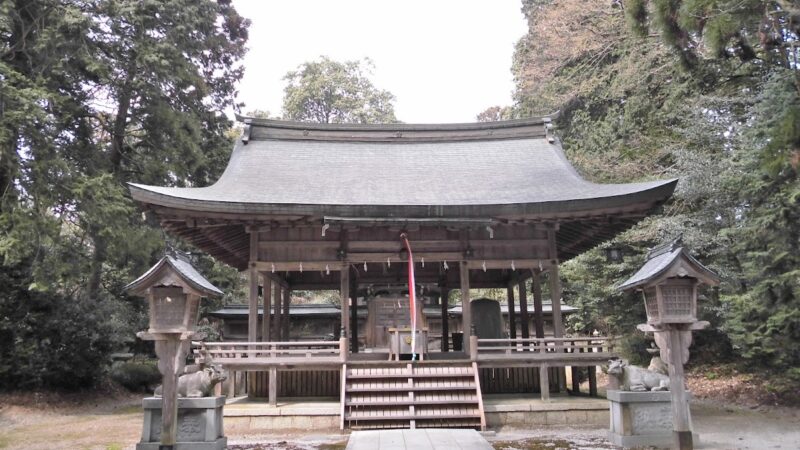
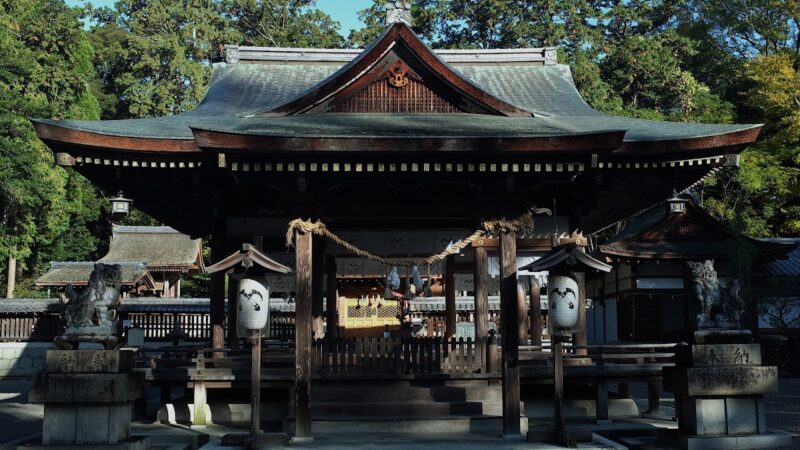
Rebuilt in 2004, the main hall is a magnificent structure that incorporates modern technology while adhering to the traditional style of temple architecture. It features a hipped roof with traditional tile roofing, and the interior is spacious.
The main hall houses the principal image, a statue of the Thousand-Armed Kannon, which worshippers can view from the outer sanctuary. The hall is filled with a solemn atmosphere, and the time spent quietly praying there is deeply refreshing.
Stone Steps and Approach
The approach to Kannonshoji Temple is marked by a long flight of stone steps. From the temple gate to the main hall, one must climb these steep steps, known as the “Kannonshoji Steps.” With over 400 steps, it is considered a challenging ordeal, a part of the spiritual training for worshippers.
On both sides of the stone steps, trees hundreds of years old flourish, allowing you to experience the changing seasons as you climb. There are rest areas along the way, making it possible for even those without much stamina to climb at their own pace.
Niomon Gate and Sanmon Gate
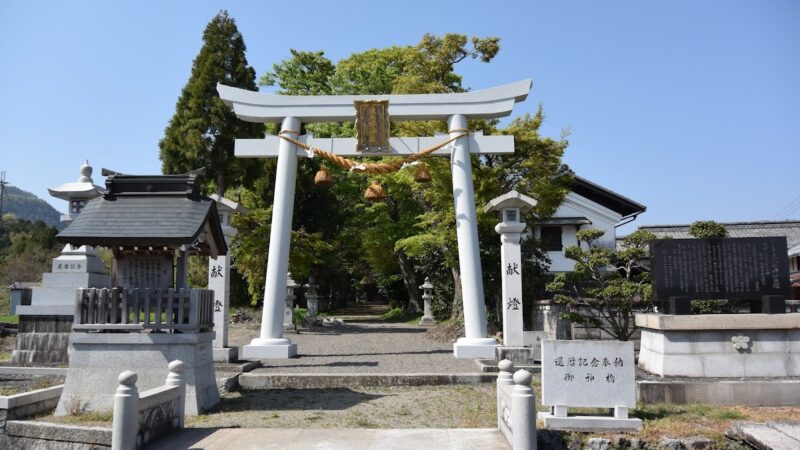
At the entrance to the approach to the temple is the Sanmon Gate, from which the stone steps begin. While a magnificent Niomon Gate is said to have once stood here, it is now a simpler gate. Nevertheless, it exudes an atmosphere that suggests the area beyond is a sacred place.
Views from the Temple Grounds
From the grounds of Kannonshoji Temple, a magnificent view unfolds, encompassing Lake Biwa and the Omi Plain. The view from the plaza in front of the main hall is particularly spectacular; on a clear day, you can even see as far as Mount Hiei and the Hira mountain range.
The fresh greenery of spring, the deep green of summer, the vibrant autumn leaves, and the snowy landscapes of winter—each season offers a different kind of beauty, which is another charm of Kannonshoji Temple.
Goshuin (Temple Seal) Information
Types of Goshuin
At Kannonshoji Temple, you can mainly receive the following types of goshuin:
- Goshuin for the 32nd Temple of the Saigoku Thirty-Three Kannon Pilgrimage: Features the calligraphy of “Daihiden” or “Senju Kannon” and the red seal of “Number 32”.
- Goshuin for the 1st Temple of the Omi Saigoku Thirty-Three Kannon Pilgrimage: A goshuin for the Omi Saigoku pilgrimage.
- Special Goshuin: Depending on the time of year, seasonal or special event-themed goshuin may be available.
Goshuin Reception Location and Hours
Goshuin are available at the sutra copying office next to the main hall. Reception hours are usually from 8:00 AM to around 5:00 PM, but may vary depending on the season and weather, so it is recommended to check in advance.
The goshuin fee is generally 300 yen, but may differ for special goshuin.
Goshuincho (Stamp Book)
Original goshuincho are also sold, featuring designs of Kannonshoji Temple’s scenery and the main deity, making them beautiful commemorative stamp books.
Access Methods
Kannonshoji Temple is located in the mountains, so there are several ways to access it.
Access by Car
Nearest Interchange: Approximately 30 minutes from the Meishin Expressway’s “Yokaichi IC” or “Hikone IC”
If visiting by car, a forest road leads to the middle of Kannonshoji Temple, where there is a parking lot. From the parking lot, you will need to climb stone steps for about 20-30 minutes on foot to reach the main hall.
Parking: Free parking available (approximately 20 cars)
The forest road has some narrow sections, so caution is required when driving. Also, in winter, there is a possibility of snow and ice, so please check the road conditions in advance.
Access by Public Transportation
Nearest Station: JR Biwako Line “Notogawa Station” or Ohmi Railway “Kuwamidera Station”
When using public transportation, you can take a taxi from the station or combine a bus and a taxi. However, since the number of buses is limited, it is important to check the timetable in advance.
Access on Foot: It is also possible to climb using the hiking trail from the Kannonji Castle Ruins trailhead at the foot of the mountain, but this will take approximately 1.5 to 2 hours.
Using a Taxi
Taxi from Notogawa Station or Omihachiman Station will take you directly to the parking lot halfway up the mountain. Fares vary depending on the station, but a rough estimate is 3,000 to 5,000 yen one way.
Points and Precautions for Visiting
Clothing and Items to Bring
Since visiting Kannonshoji Temple requires climbing stone steps, the following preparations are recommended:
- Comfortable Walking Shoes: Sneakers or hiking boots, or other non-slip and comfortable walking shoes, are essential. – Comfortable Clothing: Choose comfortable clothing appropriate for the season.
- Drinks: Staying hydrated is especially important in the summer.
- Walking Stick: A walking stick is helpful if you are concerned about your physical strength.
- Rain Gear: Mountain weather is unpredictable, so a folding umbrella or raincoat is recommended.
Visiting Hours
Visiting hours are usually from 8:00 AM to around 5:00 PM. However, these may vary depending on the season, so please check official information.
Considering the time it takes to climb the stone steps, we recommend arriving at least one hour before closing time.
Admission Fee
An admission fee is required to visit the main hall.
- Adults: 500 yen
- Junior and Senior High School Students: 300 yen
- Elementary School Students: 200 yen
(Fees are subject to change)
Estimated Time Required
Including the round trip from the parking lot to the main hall and the time spent visiting, it is advisable to allow at least 1.5 to 2 hours. If you plan to stroll through the temple grounds or enjoy the views, you will need even more time.
Physical Precautions
The stone steps are steep in places, and descending them puts a strain on your legs and lower back. Those who are not confident in their physical strength or elderly should not push themselves too hard and should climb slowly, taking breaks as needed.
Seasonal Precautions
- Spring/Autumn: The weather is mild and suitable for visiting, but it can get crowded during peak seasons.
- Summer: Temperatures are high, and you will feel quite hot climbing the stone steps. Please take thorough precautions against heatstroke.
- Winter: The stone steps may freeze, making it extremely dangerous. Extreme caution is necessary when visiting in winter.
Nearby Attractions
Kannonji Castle Ruins
Located on the same Mt. Suzuka as Kannonshoji Temple, the Kannonji Castle Ruins are the remains of a medieval mountain castle designated as a national historic site. This magnificent mountain castle, built by the Rokkaku clan, still retains its stone walls and other remains. It’s a must-visit spot for history buffs.
Kuwanomi-dera Temple
Located on the west side of Mt. Suzuka, Kuwanomi-dera Temple is another ancient temple, comparable to Kannon-shoji Temple. It’s also characterized by its long stone staircase, and its main hall is designated an Important Cultural Property.
Omihachiman City
At the foot of the mountain lies Omihachiman City, which boasts numerous historical sights, including the Hachiman Canal and old townscapes. Visiting before or after your visit to Kannon-shoji Temple is highly recommended.
Annual Events
Kannon-shoji Temple holds various events throughout the year.
- First three days of the New Year: The temple is bustling with visitors for the first shrine visit of the year.
- Spring and Autumn Equinox Services: Memorial services for ancestors are held.
- August 9th & 10th: The Sennichi-e ceremony is held, and visiting the temple on these days is said to bring the merit of 1000 days.
- Other: There are also irregular events such as special viewings and public unveilings of the 33 temples of the Saigoku Kannon Pilgrimage.
For detailed schedules, please check the official information of Kannonshoji Temple or the Saigoku 33 Pilgrimage Association.
About the Saigoku 33 Pilgrimage
Kannonshoji Temple is the 32nd temple of the Saigoku 33 Pilgrimage. The Saigoku 33 Pilgrimage is Japan’s oldest pilgrimage route, visiting 33 Kannon temples scattered across 2 prefectures and 5 counties in the Kinki region, and is said to have been opened in 718 by Tokudo Shonin.
Preceding and Following Temples
- Temple No. 31: Chomeiji Temple (Omihachiman City, Shiga Prefecture)
- Temple No. 32: Kannonshoji Temple (Omihachiman City, Shiga Prefecture)
- Temple No. 33: Kegonji Temple (Ibi District, Gifu Prefecture)
Chomeiji Temple is relatively close to Kannonshoji Temple, and it is possible to visit both on the same day.
Pilgrimage Etiquette
In the Saigoku Thirty-Three Kannon Pilgrimage, it is considered basic practice to receive a temple stamp (Goshuin) at each temple and to chant sutras or transcribe sutras. At Kannonshoji Temple, the proper procedure is to chant the Heart Sutra or other sutras in front of the main hall before proceeding to the temple office.
The Charm of Kannonshoji Temple
The greatest charm of Kannonshoji Temple is its solemn atmosphere as a mountain sacred site and the spiritual fulfillment gained from it. The process of climbing the stone steps, one step at a time, is truly a form of spiritual training, offering a precious time to escape the hustle and bustle of everyday life and confront oneself.
The sense of accomplishment upon reaching the main hall, the serene time spent praying before the principal image, and the breathtaking view from the temple grounds are special experiences that only those who have made the effort to climb can enjoy.
With its historical background, beautiful nature, and solemn atmosphere as a place of worship, Kannonshoji Temple, where all these elements blend together, is a temple that leaves a deep impression on the hearts of its visitors.
Summary
Kannonshoji Temple is an ancient Tendai sect temple with a history of over 1400 years and is the 32nd temple on the Saigoku Thirty-Three Kannon Pilgrimage, beloved by many pilgrims. Due to its location near the summit of Mt. Suzuka, climbing the stone steps requires physical strength, but the view of Lake Biwa from the temple grounds and the tranquil atmosphere of the main hall make for an invaluable experience.
The main hall, which was remarkably restored after a fire in 1993, and the precious principal image carved from a single piece of Indian sandalwood, are the culmination of the faith and support of many people. Whether you visit as part of the Saigoku Thirty-Three Kannon Pilgrimage to receive a temple stamp, or simply enjoy nature while hiking, this temple offers a variety of reasons for visiting.
When visiting, please prepare comfortable clothing and shoes and allow ample time for your visit. We hope your experience at Kannonshoji Temple will be a memorable one.