Complete Guide to Miyagi Prefecture Gokoku Shrine | The History and Charm of Worship at the Site of Sendai Castle
Miyagi Prefecture Gokoku Shrine is a Gokoku Shrine located on the site of the former main keep of Sendai Castle (Aoba Castle) in Kawauchi, Aoba Ward, Sendai City, Miyagi Prefecture. It enshrines the spirits of approximately 56,000 war dead from Miyagi Prefecture who sacrificed their precious lives for the peace and prosperity of the nation during the wars following the Meiji Restoration.
Located at the Aoba Castle site, a symbolic tourist spot in Sendai, the shrine is beloved by locals and attracts many visitors for New Year’s prayers, Shichi-Go-San (a traditional rite of passage for children), and Shinto wedding ceremonies. This article provides detailed information on the history of Miyagi Prefecture Gokoku Shrine, its enshrined deities, highlights of the grounds, how to worship, and access information.
History of Miyagi Prefecture Gokoku Shrine
From Founding to Pre-War
The history of Miyagi Prefecture Gokoku Shrine dates back to the Meiji era. At the behest of Emperor Meiji, it was founded on August 27, 1904 (Meiji 37), as a “Shokonsha” (shrine for the spirits of the war dead) on the site of the main keep of Sendai Castle (Aoba Castle). Initially, it was established as a place to enshrine the spirits of those from Miyagi Prefecture who perished in wars from the Meiji Restoration to the Russo-Japanese War.
In 1939 (Showa 14), it was designated a “Gokoku Shrine” by the Minister of Home Affairs and officially became known as Miyagi Prefecture Gokoku Shrine. During this period, Gokoku Shrines were established throughout the country, and a national system for commemorating war dead was established.
War Damage and Reconstruction
On July 10, 1945 (Showa 20), the Miyagi Prefecture Gokoku Shrine’s buildings were completely destroyed by fire during the Great Sendai Air Raid. During the chaotic post-war period, the shrine began its path to recovery, overcoming numerous difficulties.
Full-scale reconstruction work began in the 1950s, and the main shrine building was rebuilt in 1964. Subsequently, the worship hall, shrine office, and other facilities were progressively renovated, resulting in its current magnificent appearance.
From Heisei to Reiwa
Even after the start of the Heisei era, efforts were made to improve the shrine grounds and facilities. The establishment of the Memorial Hall for War Dead also contributed to passing on the memory of the war to future generations. Even in the modern Reiwa era, the shrine welcomes many visitors as a place to commemorate those who died in the war and to pray for peace.
Deities and the War Dead Enshrined
Main Deities
Miyagi Prefecture Gokoku Shrine enshrines 56,091 (as of the Reiwa era) war dead and martyrs related to or connected to Miyagi Prefecture in various incidents and wars since the Meiji Restoration.
Specifically, this includes those who died in the following wars and incidents:
- Boshin War
- Satsuma Rebellion
- First Sino-Japanese War
- Russo-Japanese War
- World War I
- Manchurian Incident
- Second Sino-Japanese War
- Greater East Asia War (Pacific War)
- Other Incidents and Deaths
Shrine Emblem
The shrine emblem of Miyagi Prefecture Gokoku Shrine is “Fifteen Chrysanthemums and Cherry Blossoms.” The chrysanthemum symbolizes the Imperial Family, and the cherry blossoms represent the spirit of Bushido and the beauty of fleeting lives. This emblem expresses respect for the heroic spirits who sacrificed their lives for their country.
Highlights of the Shrine Grounds
Main Hall and Worship Hall
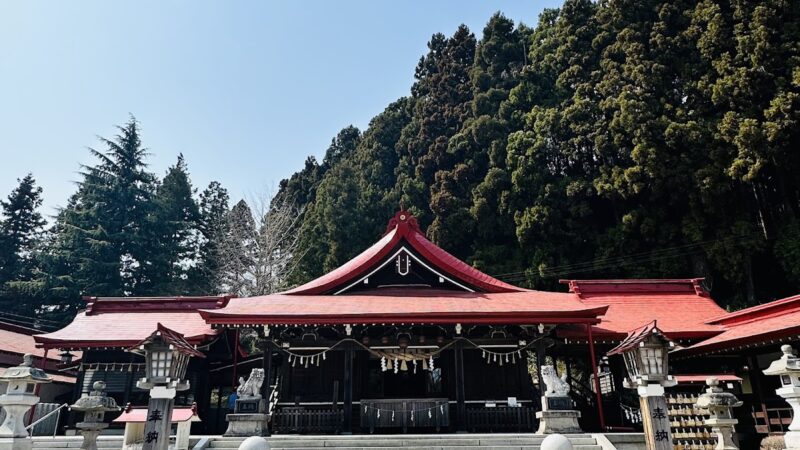
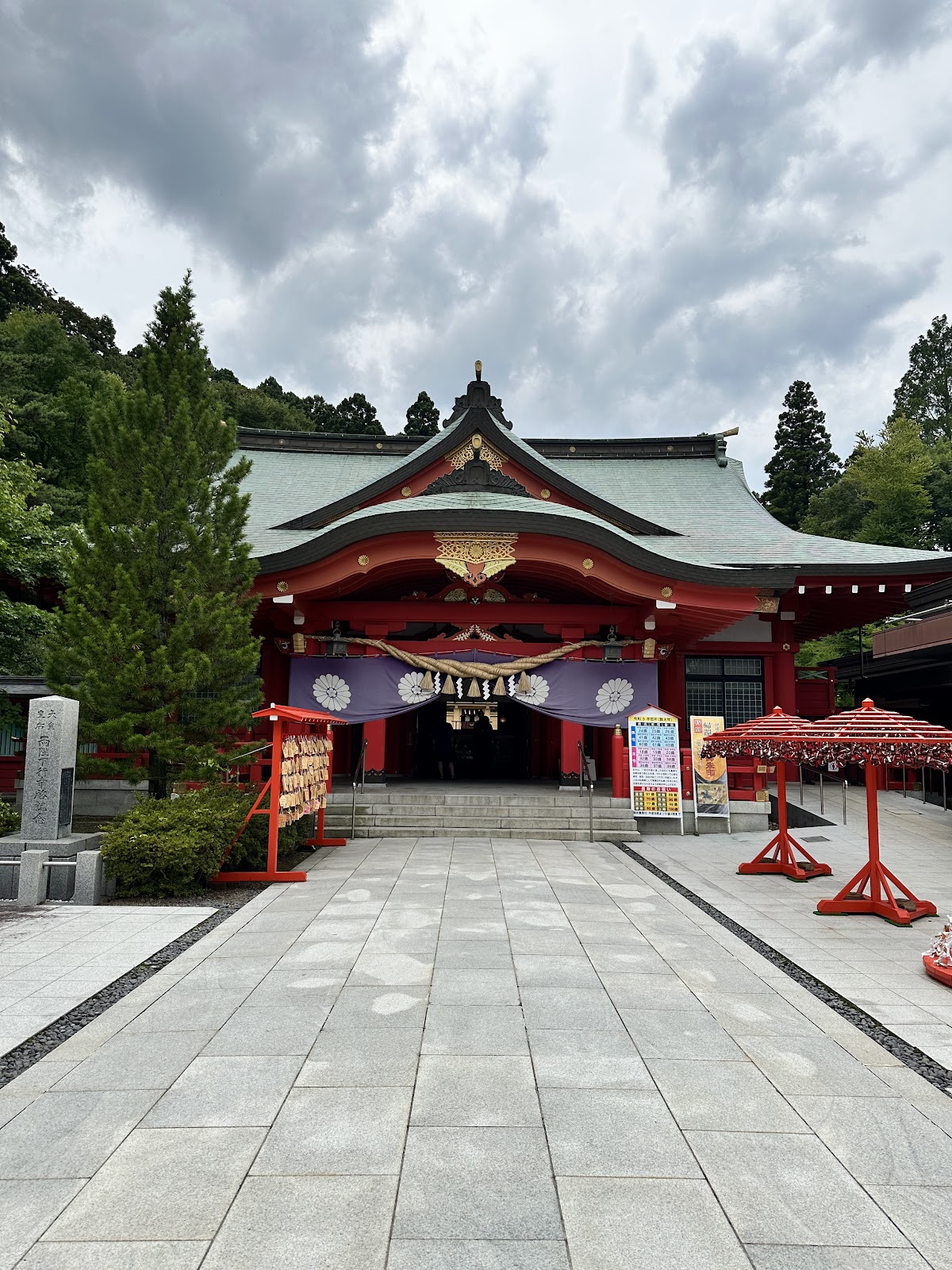
The main hall and worship hall, rebuilt after the war, are constructed using modern techniques while adhering to traditional shrine architectural styles. The shrine buildings, standing on the historical site of the Aoba Castle main keep, are enveloped in a solemn atmosphere.
Visitors offer their prayers in front of the main hall using the traditional two bows, two claps, and one bow ritual, expressing gratitude to the fallen heroes and praying for peace.
Memorial Hall for Fallen Heroes
Within the shrine grounds is the “Memorial Hall for Fallen Heroes,” where artifacts and materials related to the fallen heroes are displayed. Of particular note is the large 1/100 scale model of the battleship Yamato. This exquisitely detailed model, approximately 2.6 meters in length, conveys the essence of the battleship, a pinnacle of shipbuilding technology at the time.
Admission Fee:
- General: 300 yen
- Group discounts available
The exhibits include numerous testimonies of those who died in the war, such as wills, uniforms, photographs, and medals, making it a valuable place to learn about the tragedy of war and the preciousness of peace.
Shrines within the Grounds
Several shrines are enshrined within the grounds of Miyagi Prefecture Gokoku Shrine. These shrines also attract the faith of visitors and each has its own history.
Integration with Sendai Castle Ruins
Miyagi Prefecture Gokoku Shrine is located on the site of the main keep of Sendai Castle (Aoba Castle), and is therefore integrated with the tourist attractions of Aoba Castle Ruins Park, including the equestrian statue of Date Masamune, the stone walls, and the observation deck offering panoramic views of Sendai city. Its location allows visitors to enjoy both worship and sightseeing simultaneously.
Annual Events and Festivals
Spring Grand Festival
The Spring Grand Festival is held annually on April 30th and May 1st. During this festival, a solemn Shinto ritual of gratitude and remembrance is performed for the war dead, attracting many worshippers, including bereaved families and related organizations.
Autumn Grand Festival
The Autumn Grand Festival is held on October 23rd. This is an important festival, comparable to the Spring Grand Festival, where sincere gratitude and appreciation are offered to the war dead.
First Shrine Visit of the New Year
During the first three days of the New Year, the shrine is bustling with many visitors. Known as one of the most popular first shrine visit spots in Sendai, it attracts long lines of worshippers praying for safety and peace in the new year.
Shichi-Go-San Festival
During the autumn Shichi-Go-San season, many families visit to pray for the healthy growth of their children. The traditional atmosphere of the shrine creates cherished family memories.
Other Events
- New Year’s Day Festival (January 1st)
- National Foundation Day Festival (February 11th)
- Memorial Service for the End of the War (August 15th)
- Monthly Festival (1st of every month)
Various festivals and events are held throughout the year.
Shinto Wedding Ceremony
Miyagi Gokoku Shrine offers traditional Shinto wedding ceremonies. The historic site of Aoba Castle offers a solemn and traditional ceremony, making it a popular choice for a once-in-a-lifetime event.
Features of a Shinto Wedding Ceremony
- A solemn ceremony following traditional Shinto rituals
- A ceremony held at the historic Sendai Castle ruins
- Shrine grounds surrounded by the beauty of nature throughout the seasons
- Scenic views ideal for photography
Those wishing to hold a wedding ceremony should contact the shrine in advance for a consultation.
Prayers and Off-Site Ceremonies
Prayers within the Shrine Grounds
Miyagi Gokoku Shrine accepts various prayers:
- Family Safety
- Business Prosperity
- Exorcism
- Company Prosperity
- Traffic Safety
- Academic Success
- Passing Exams
- Safe Childbirth
- First Shrine Visit for a Newborn
- Shichi-Go-San (7-5-3 Festival)
- Other Prayers
Prayers are by reservation only. Please apply in advance by phone or through the inquiry form on the shrine’s website.
On-site Ceremonies
We also offer on-site ceremonies where a Shinto priest will come to your location:
- Groundbreaking Ceremony: A ceremony to appease the land gods and pray for the safety of the construction before the building is built.
- Ridgepole Raising Ceremony: A ceremony held when the building’s framework is completed.
- Completion Ceremony: A ceremony to report the completion of the building.
- Shrine Altar Ceremony: A ceremony held when a new shrine altar is installed.
- Purification Ceremony: A purification ceremony for the land and building.
For dates and details of on-site ceremonies, please contact the shrine directly.
Goshuin (Shrine Seals) and Amulets
Goshuin (Shrine Seals)
Miyagi Prefecture Gokoku Shrine offers goshuin as proof of worship. You can have them directly written in your goshuincho (seal book) at the shrine office.
Offering Fee: Usually 300 yen
The goshuin will have the name of “Miyagi Prefecture Gokoku Shrine” and the date of your visit written in ink, and the shrine’s seal will be stamped on it. It is also a popular souvenir of Sendai sightseeing.
Amulets and Souvenirs
The temple’s gift shop offers various amulets and souvenirs:
- Traffic Safety Amulet
- Academic Success Amulet
- Protection from Evil Amulet
- Health Amulet
- Safe Childbirth Amulet
- Passing Exam Amulet
- Ema (votive tablet)
- Talisman
- Sacred Arrow
Each amulet is imbued with the protection of the war dead and can be worn in daily life.
Access Information
Location
Address: 1 Kawauchi, Aoba-ku, Sendai City, Miyagi Prefecture 980-0862
Access by Train and Bus
From Sendai Station:
- Loople Sendai (Sightseeing Loop Bus)
- Board at platform 16 of the Sendai Station West Exit bus pool
- Get off at “Sendai Castle Ruins” and walk approximately 5 minutes
- Travel time: Approximately 20 minutes
- Fare: 260 yen (1-day pass available)
- City Bus
- From the Sendai Station West Exit bus pool, take the bus bound for “Aoba Castle Ruins Loop” or “Aobadai/Kawauchi”
- Get off at “Sendai Castle Ruins” or “Museum/International Center” and walk approximately 10 minutes
- Subway Tozai Line
- Get off at Kokusai Center Station from Sendai Station and walk approximately 15 minutes
- Walk approximately 20 minutes from Hirose-dori Station
Access by Car
From the Tohoku Expressway:
- Approximately 15 minutes from Sendai-Miyagi Interchange
From Sendai Station:
- Approximately 10 minutes by car
Parking
Aoba Castle Ruins Park has a paid parking lot:
- Approximately 150 spaces for regular cars
- Fee: 400 yen for the first hour (200 yen for every 30 minutes thereafter)
- There is also a parking lot for large buses
During peak seasons such as New Year’s visits and festivals, the parking lot may be full, so we recommend using public transportation.
Visiting Hours & Contact Information
Visiting Hours
- Grounds Visiting: 24 hours
- Shrine Office Reception: 9:00 AM – 5:00 PM (Subject to change depending on the season)
- Prayer Request Reception: Reservation Required
Contact Information
Phone: 022-223-7255
Official Website: Contact form available
We do not reply to DMs or SNS comments. Please use the phone number or the contact form on our official website for all inquiries.
SNS & Latest Information
Official Instagram
Miyagi Gokoku Shrine operates an official Instagram account (@gokokumiyagi), where we share various information such as daily life at the shrine, seasonal scenery of the grounds, and event announcements.
With over 3,000 followers, we post beautiful photos of the grounds, seasonal flowers, and festival scenes. Checking the latest information before your visit is recommended.
Official X (formerly Twitter)
We also share information on X, providing timely updates and information about the shrine grounds.
Relationship with the Sendai Domain
Sendai Castle, where Miyagi Prefecture Gokoku Shrine is located, was the residence of the 620,000-koku Sendai Domain, built by Date Masamune in 1601. The shrine’s construction on the site of the main keep is deeply connected to Sendai’s history.
During the Boshin War, the Sendai Domain fought as a central force in the Ouetsu Reppan Alliance, and many samurai lost their lives. These Sendai samurai are also enshrined at Miyagi Prefecture Gokoku Shrine, making it an important place that conveys Sendai’s history to the present day.
The sight of the equestrian statue of Date Masamune and Miyagi Prefecture Gokoku Shrine standing side-by-side on the same main keep site symbolizes the continuity of Sendai’s history.
Nearby Tourist Attractions
When visiting Miyagi Prefecture Gokoku Shrine, you can also visit nearby tourist attractions.
Equestrian Statue of Date Masamune
A statue of Date Masamune on horseback stands as a symbol of the site of the former main keep of Sendai Castle. Its majestic figure overlooking the city of Sendai makes it a popular spot for commemorative photos.
Aoba Castle Main Keep Hall
A facility showcasing the history and culture of Sendai. It also has restaurants and souvenir shops, making it ideal for a break.
Sendai City Museum
Exhibits cultural artifacts related to the Date family and historical materials of Sendai. It houses valuable materials such as the national treasure “Materials Related to the Keicho Embassy to Europe.”
Zuihoden Mausoleum
The mausoleum of Date Masamune. The magnificent Momoyama period architectural style is impressive.
Osaki Hachimangu Shrine
A shrine with a shrine building designated as a national treasure. It is a masterpiece of the Gongen-zukuri style, built by Date Masamune.
Manners and Etiquette for Visiting a Shrine
How to Pass Through a Torii Gate
A torii gate is the entrance to a sacred area. Bow before passing through the gate, and avoid walking in the center of the path. The center is considered the path of the gods.
Proper Hand-Washing Ritual
- Take the ladle with your right hand and wash your left hand.
- Switch the ladle to your left hand and wash your right hand.
- Switch the ladle back to your right hand, receive water in your left hand, and rinse your mouth.
- Wash your left hand again.
- Hold the ladle upright, wash the handle, and return it to its original position.
Proper Worship Ritual
- Bow slightly before the offering box.
- Gently place your offering in the box.
- If there is a bell, ring it.
- Two bows, two claps, one bow.
- Bow deeply twice.
- Clap twice at chest height.
- Pray sincerely.
- Bow deeply once.
Attire
Everyday clothes are acceptable, but avoid overly casual or revealing clothing. Formal attire is preferred when receiving prayers.
Summary
Miyagi Prefecture Gokoku Shrine is a representative Gokoku Shrine of Miyagi Prefecture, enshrining over 56,000 war dead since the Meiji Restoration. Located on the historical site of the former main keep of Sendai Castle, it serves as a place of prayer for peace while passing on the memory of war to future generations.
There are many attractions, including the solemn shrine buildings, historical learning at the Memorial Hall, the beautiful grounds that change with the seasons, and the panoramic views of Sendai city. It can be visited for various occasions, such as New Year’s visits, Shichi-Go-San (a traditional rite of passage for children), Shinto weddings, and various prayers.
When sightseeing in Sendai, we highly recommend visiting Miyagi Prefecture Gokoku Shrine along with the equestrian statue of Date Masamune and Aoba Castle Park. It will be a valuable experience to express gratitude to the war dead and pray for peace while touching upon Sendai’s history and culture.
Access from Sendai Station is convenient if you use sightseeing buses such as Loople Sendai. Check the latest information on their official Instagram and X, and be sure to visit!