About Nikko Futarasan Shrine
Nikko Futarasan Shrine is a shrine located in Nikko City, Tochigi Prefecture, boasting a history of over 1200 years as the center of Nikko Mountain worship. It has a unique structure consisting of three shrines: the main shrine, the middle shrine, and the inner shrine, with Mount Nantai (elevation 2,486m) as its sacred object of worship.
History and Origin
Founded in 782 (Ten’ō 2), it began when the monk Shōdō Shōnin successfully climbed Mount Nantai and established the inner shrine at the summit. During the Heian period, it received the reverence of the imperial court, and from the Kamakura period onward, it also attracted the faith of the samurai class. During the Edo period, it developed alongside Nikko Tōshōgū, which enshrines Tokugawa Ieyasu, and is now registered as a World Heritage Site as part of “Shrines and Temples of Nikko,” along with Tōshōgū and Rinnōji Temple.
The main deities enshrined here are Ōnamuchi-no-Mikoto, Tagorihime-no-Mikoto, and Ajisukitakahikone-no-Mikoto, and they are worshipped as gods of family safety, matchmaking, and good fortune.
Highlights of the Shrine Grounds
Main Shrine (Nikko City)
Located in the heart of Nikko city, the main shrine is the central hub for daily worship.
Shrine Gate and Worship Hall
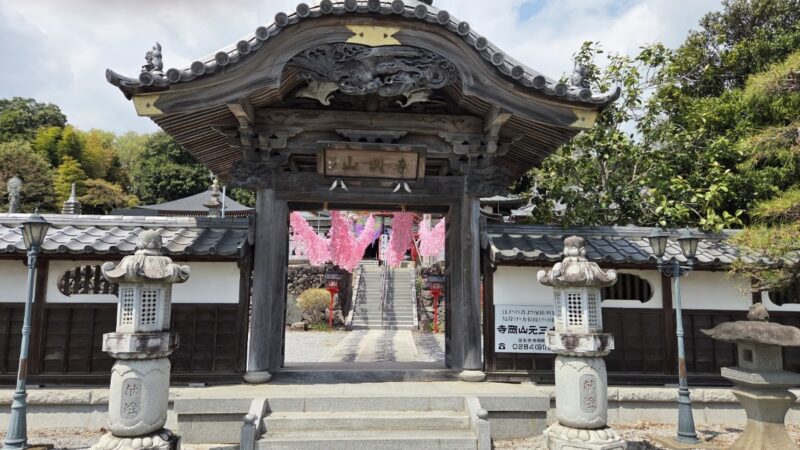
Passing through the beautiful vermilion-lacquered shrine gate, you’ll find the imposing worship hall. It’s a valuable structure that preserves the architectural style of the Edo period.
Shrine Garden
At the back of the shrine grounds is a shrine garden (admission fee required), where you can admire a garden with the Nikko mountain range as a backdrop and sacred trees hundreds of years old. The “Matchmaking Bamboo” is a particularly popular spot for worshippers praying for good relationships.
Futara Reisen (Futara Sacred Spring)
This sacred spring, which gushes forth from within the temple grounds, is affectionately known as “Water of Wisdom” and “Water of Youth.” It is drinkable, and you can take it home in plastic bottles.
Chugushi (Lake Chuzenji Shore)
Chugushi, located on the shores of Lake Chuzenji, is an important starting point for climbing Mount Nantai. Its location offers spectacular views of the lake and mountains, and the scenery is especially beautiful during the spring when the leaves are fresh and the autumn when they change color.
Okumiya (Mount Nantai Summit)
Okumiya, situated on the summit of Mount Nantai (2,486m above sea level), is a special sacred site accessible only to climbers. The climbing season is typically from early May to late October. The trailhead is at Chugushi, and the round trip is a full-fledged climb of approximately 8 hours.
Points to Note When Visiting
Etiquette for Visiting
- Purifying at the Water Basin: Hold the ladle in your right hand and purify your left hand. Switch the ladle back to your left hand and purify your right hand. Switch the ladle back to your right hand, receive water in your left hand, rinse your mouth, and finally purify the handle by holding the ladle upright.
- Worship at the Main Hall: The basic procedure is two bows, two claps, and one bow. Place your offering in the offering box, ring the bell, bow deeply twice, clap twice at chest height, and finally bow deeply once.
- Goshuin (Shrine Seal): Different goshuin are available at the main shrine, the middle shrine, and the inner shrine. The goshuin from the inner shrine is particularly popular as proof of reaching the summit.
Recommended Visiting Route
Half-Day Course: Visit only the main shrine (1-2 hours). It is common to visit this route in conjunction with Nikko Toshogu Shrine.
One-Day Course: Main Shrine → Chugushi Shrine (4-5 hours)
A popular plan combines a drive along Iroha-zaka Slope with sightseeing at Lake Chuzenji.
Hiking Course: Chugushi Shrine → Inner Shrine Climb (8-10 hours)
Requires physical fitness and hiking equipment, but the spectacular view from the summit and the sense of accomplishment are exceptional.
Benefits and Faith
Main Benefits
Matchmaking: The main deity, Ōkuninushi-no-Mikoto, is also the deity of Izumo Taisha Shrine and is widely worshipped as a god of matchmaking. It is believed to grant not only success in love, but also good fortune in work and all kinds of relationships.
Good Fortune and Prosperity: Connected to the powerful mountain worship of Mount Nantai, it is believed to bring good fortune and protection from evil in all aspects of life.
Family Safety: It has been worshipped by local people since ancient times as a god that protects the health and happiness of families.
Special Prayers
Various festivals are held throughout the year, including the “Yayoi Festival” from April 13th to 17th and the “Mount Nantai Pilgrimage Festival” from August 1st to 7th. The Yayoi Festival, in particular, is one of Nikko’s three major festivals and is an important Shinto ritual with a history of over 1200 years.
Access Information
Access to the Head Office
By Train
- Approximately 25 minutes on foot from JR Nikko Station or Tobu Nikko Station
- Take the Tobu Bus “World Heritage Tour” from the station and get off at “Nishi-Sando” bus stop, then a 3-minute walk (approximately 10 minutes total)
- Approximately 5 minutes by taxi from Tobu Nikko Station
By Car
- Approximately 2 km (approximately 5 minutes) from the Nikko IC on the Nikko-Utsunomiya Expressway
- Parking: Paid parking available (approximately 50 spaces for regular cars, 500 yen per visit)
Access to Chugushi Shrine
By Train and Bus
- Approximately 45 minutes by Tobu Bus bound for “Chuzenji Onsen” or “Yumoto Onsen” from JR Nikko Station or Tobu Nikko Station, get off at “Futarasan Shrine Chugushi” bus stop
- Bus fare: Approximately 1,300 yen one way
By Car
- Approximately 20km from Nikko IC on the Nikko-Utsunomiya Expressway (via Iroha-zaka, approximately 40 minutes)
- Parking: Free parking available (approximately 30 cars)
Access to Okumiya (Inner Shrine)
Use the mountain trail from Chugushi (Middle Shrine). The climbing season is from early May to late October. Climbing fee: 500 yen. Round trip: approximately 8 hours, elevation difference: approximately 1,200m. Submitting a climbing plan is recommended.
Visiting Information
Visiting Hours
- Main Shrine: April-October 8:00-17:00, November-March 9:00-16:00
- Chugushi Shrine: 8:00-17:00 (may vary depending on the season)
- Okumiya Shrine: Only during the climbing period (early May to late October)
Admission Fee
- Main Shrine Grounds: Free (Shrine Garden: 200 yen)
- Chugushi Shrine: Free
- Okumiya Shrine Climbing Fee: 500 yen
Inquiries
Nikko Futarasan Shrine Office
TEL: 0288-54-0535
Official Website: https://www.futarasan.jp/
Nearby Tourist Attractions
- Nikko Toshogu Shrine: 5-minute walk, a magnificent World Heritage Site dedicated to Tokugawa Ieyasu
- Nikkozan Rinnoji Temple: 10-minute walk, a Tendai sect temple headed by a member of the imperial family.
- Shinkyo Bridge: 15-minute walk, a beautiful vermilion bridge symbolizing Nikko.
- Lake Chuzenji: Right next to Chugushi, a beautiful lake at an altitude of 1,269m.
- Kegon Falls: 5-minute drive from Chugushi, one of Japan’s three most famous waterfalls.