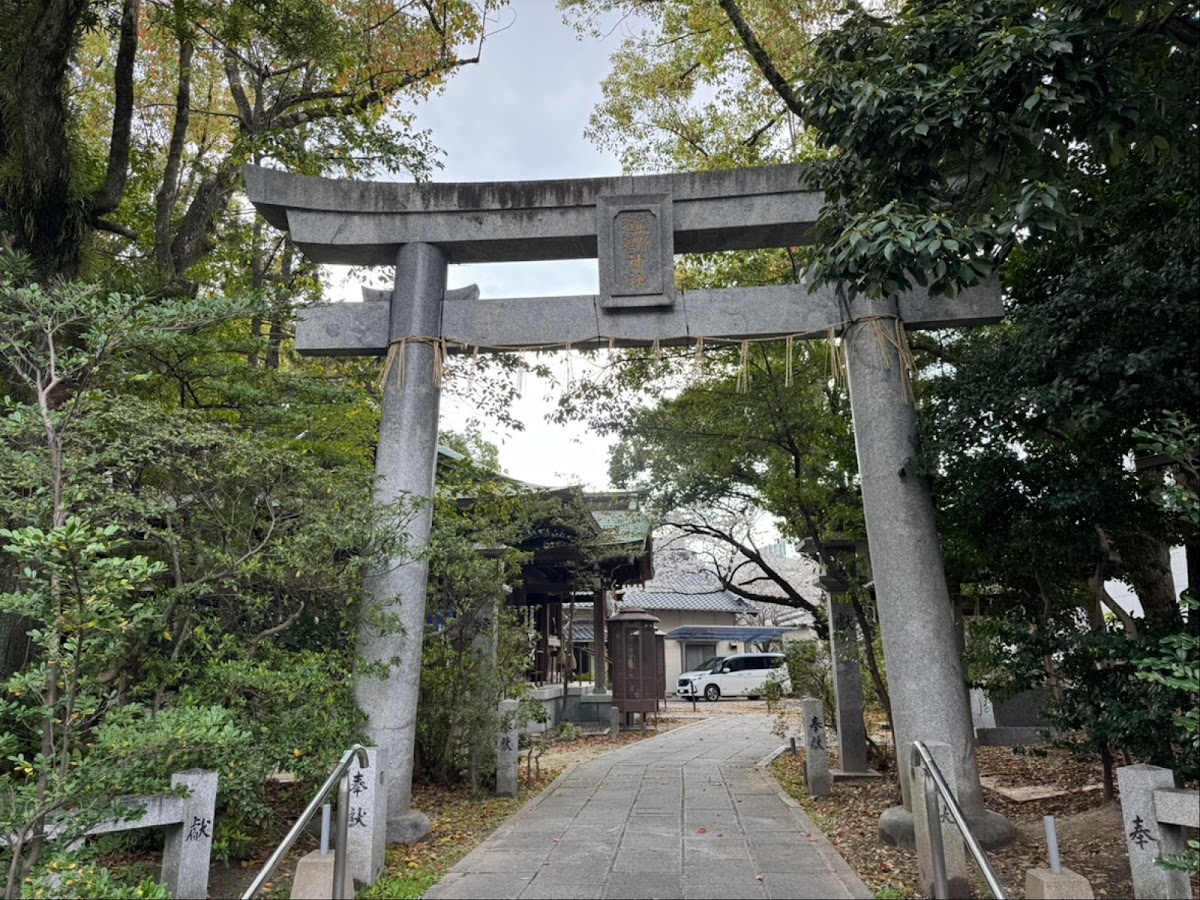
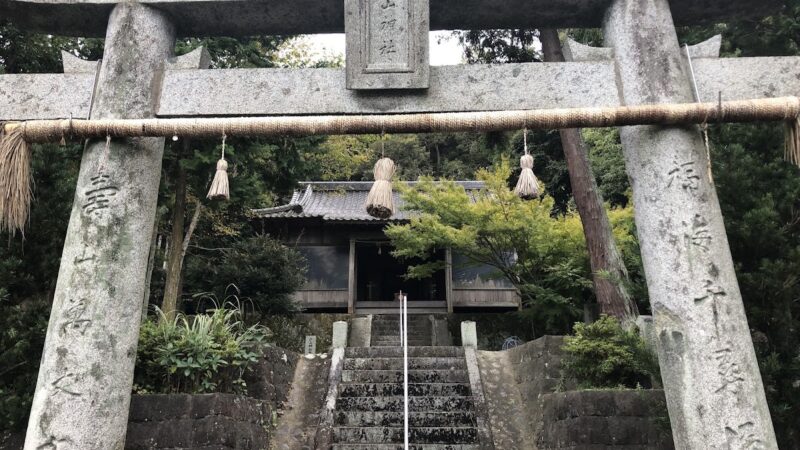
About Dazaifu Tenmangu Shrine
Dazaifu Tenmangu Shrine, located in Dazaifu City, Fukuoka Prefecture, is a shrine dedicated to Sugawara no Michizane, revered as the god of learning, sincerity, and protection against misfortune. As the head shrine of approximately 12,000 Tenmangu shrines nationwide, it is Kyushu’s premier tourist spot, attracting around 10 million visitors annually.
History and Origin
Sugawara no Michizane was a scholar and politician active during the Heian period. However, due to slander from political enemies, he was exiled from Kyoto to Dazaifu, where he ended his life in 903 AD. It is said that the ox-drawn cart carrying Michizane’s remains became immobile at the site of the current main shrine, and a shrine was built there as a way of expressing Michizane’s wish to remain.
Points to Note During Your Visit
Sacred Ox (Goshingyu)
Approximately 12 statues of sacred oxen are scattered throughout the temple grounds. Due to the deep connection between Sugawara no Michizane and oxen, there is a belief that stroking their heads will bestow wisdom, and stroking the part of the body that is ailing will bring healing. The sacred ox in front of the main hall is a particularly popular spot, attracting long lines of visitors.
The Three Bridges: Taikobashi, Hirabashi, and Taikobashi
The path leading to the main hall features three bridges spanning the Shinji Pond. These represent “past, present, and future,” and crossing them is believed to purify the mind and body. The first Taikobashi represents looking back at the past, the Hirabashi represents looking at the present, and the final Taikobashi represents moving forward into the future. It is recommended to carefully consider each step as you cross.
Main Hall (National Important Cultural Property)
The current main hall was rebuilt in 1591 by Kobayakawa Takakage and preserves the magnificent and ornate architectural style of the Momoyama period. It is a rare style called Gokensha Nagare-zukuri and is designated as a National Important Cultural Property.
Legend of the Flying Plum Tree
The “Flying Plum Tree” located to the right of the main hall is a legendary plum tree said to have flown overnight from Kyoto to visit Sugawara no Michizane. The current tree is estimated to be over 1000 years old and is known for being the earliest to bloom among the approximately 6,000 plum trees on the temple grounds.
Benefits
Academic Success and Prayer for Passing Exams
Michizane was a genius of learning who displayed prodigious talent from a young age, composing waka poetry at the tender age of 5 and Chinese poetry at the age of 11. During exam season, students and their parents from all over Japan visit the shrine to pray for success, and the amulets for academic achievement and pencils for passing exams are very popular.
God of Sincerity and Protection from Evil
Due to Sugawara no Michizane’s sincere character, he is also worshipped as the “God of Sincerity,” and many visitors come to pray for protection from evil, family safety, and business prosperity.
Treasure Hall
The treasure hall on the shrine grounds houses and displays items related to Sugawara no Michizane, including the national treasure “Kan’en,” as well as historical and cultural artifacts. It is a facility where you can learn deeply about the life of Sugawara no Michizane and the history of Tenmangu Shrine.
Opening Hours: 9:00 AM – 4:30 PM (Last entry at 4:00 PM)
Admission Fee: General Admission 500 yen, High School/University Students 200 yen, Elementary/Junior High School Students 100 yen
Famous Plum Blossom Spot
The temple grounds are home to approximately 6,000 plum trees of about 200 varieties, with white and red plum blossoms in full bloom from late January to mid-March. The best time to see them is especially from early February to early March, when Shinto rituals related to plum blossoms, such as the “Kyokusui no En” (winding stream banquet), are held. You can also enjoy the famous Umegae Mochi (plum branch rice cakes) along the approach to the temple.
Access
Access by Train
- Nishitetsu Tenjin-Omuta Line: Approximately 15 minutes by express train from Nishitetsu Fukuoka (Tenjin) Station, get off at “Dazaifu Station,” 5-minute walk.
- Using JR: From JR Hakata Station, take the JR Kagoshima Main Line to “Futsukaichi Station,” transfer to Nishitetsu Futsukaichi Station, and get off at “Dazaifu Station” on the Nishitetsu Dazaifu Line, 5-minute walk.
Access by Car
- Approximately 15 minutes from the Kyushu Expressway “Dazaifu IC”
- Approximately 20 minutes from the Kyushu Expressway “Chikushino IC”
- Parking: Dazaifu Parking Center (500 yen/day for regular cars) and several other paid parking lots in the surrounding area.
Access Time from Fukuoka City
Approximately 40 minutes from Hakata Station and approximately 30 minutes from Tenjin, making it easily accessible for a day trip from Fukuoka City.
Visiting Information
Address: 4-7-1 Saifu, Dazaifu City, Fukuoka Prefecture
Opening Hours:
- From the Vernal Equinox to the day before the Autumnal Equinox: Opens at 6:00 AM
- From the Autumnal Equinox to the day before the Vernal Equinox: Opens at 6:30 AM
- Closing times vary depending on the season (generally 7:00 PM to 8:30 PM)
Admission Fee: Free entry to the grounds (Treasure Hall requires a fee)
Estimated Time Required: Approximately 30 minutes for worship only, approximately 1 hour including a visit to the Treasure Hall